
A washing machine that leaves soap residue in your clothes can be frustrating. You expect clean, fresh laundry, but instead, you find sticky patches, a soapy smell, or even skin irritation from leftover detergent. If your washing machine is not rinsing soap out properly, there are several possible causes. Understanding these reasons and knowing how to fix them can save you time, money, and effort. Let’s dive into the main factors behind this common issue, how to troubleshoot it, and what you can do to prevent it from happening again.
Common Reasons Your Washing Machine Isn’t Rinsing Soap Out
Many people think a washing machine is simple: water in, soap in, spin, and out comes clean clothes. But when soap sticks around after the rinse cycle, it’s often a sign of something wrong. Here are the most frequent causes:
Using Too Much Detergent
Sometimes, more detergent does not mean cleaner clothes. In fact, using excess detergent is one of the top reasons for soap residue. Modern washers, especially HE (High Efficiency) machines, use less water. If you use too much soap, there isn’t enough water to rinse it out.
- HE detergents are designed for less water; regular detergents in HE machines cause even more residue.
- Overdosing can create suds that block proper rinsing.
Clogged Or Faulty Drain System
Your washing machine must drain water efficiently to rinse properly. If the drain hose is blocked or kinked, or the pump is faulty, dirty water may not leave the tub.
- A clogged pump filter is a frequent culprit.
- A damaged hose can cause slow drainage.
Water Supply Issues
Insufficient water flow means not enough water to dilute and rinse soap. Sometimes, low water pressure or a closed valve limits the amount of water entering the machine.
- Faulty inlet valves can restrict water flow.
- Hard water can also reduce the effectiveness of rinsing.
Overloading The Machine
Stuffing too many clothes into the drum prevents proper movement and water circulation. The result: detergent gets trapped in pockets of fabric and doesn’t rinse out.
- Overloading can damage the machine long-term.
- Clothes need space to move for effective rinsing.
Incorrect Wash Cycle Settings
Some cycles use less water or skip rinse steps. If you choose the wrong setting, your machine may not rinse enough.
- Quick wash or eco cycles often use less water.
- Always check the settings before starting.
Soap Build-up In The Machine
Over time, detergent and fabric softener can build up in the washer’s drum, pipes, or dispenser. This can block water flow and cause soap to stick to clothes.
- Monthly cleaning helps prevent this.
- Check the dispenser for sticky residue.
Mechanical Or Electronic Problems
Modern machines rely on sensors and electronic parts. If a sensor is broken, the rinse cycle might not start correctly.
- Faulty sensors can cause cycle errors.
- Electronic control boards can malfunction.
How To Troubleshoot And Fix Soap Residue Problems
Before you call a repair technician, try these practical steps. Most issues can be fixed with a bit of attention and care.
Step 1: Check Detergent Amount And Type
- Use the correct amount for your machine’s size and load.
- For HE machines, always use HE detergent.
- Reduce detergent for soft water or small loads.
Step 2: Inspect The Drainage System
- Unplug the machine.
- Check the drain hose for kinks or blockages.
- Clean the pump filter (usually accessible from the front or back).
- Run a rinse-only cycle to test drainage.
Step 3: Assess Water Supply
- Make sure water inlet valves are fully open.
- If you suspect low water pressure, run a faucet nearby and compare flow.
- Clean screens on inlet valves if clogged.
Step 4: Avoid Overloading
- Wash fewer clothes at once.
- For bulky items, use the correct cycle.
- Allow room for clothes to move freely.
Step 5: Clean The Machine Regularly
- Run a cleaning cycle with washing machine cleaner or vinegar.
- Wipe the drum, door seal, and dispensers.
- Clean filters and screens monthly.
Step 6: Review Cycle Settings
- Use standard or heavy-duty cycles for heavily soiled clothes.
- Double rinse option can help for sensitive skin.
Step 7: Test Mechanical And Electronic Components
- Listen for unusual noises during rinsing.
- Check if the rinse cycle starts and completes as expected.
- If problems persist, consult the manual or call a technician.

Comparing Detergent Types For Rinsing Effectiveness
Choosing the right detergent makes a big difference. Here’s a quick look at how various detergents perform in rinse tests.
| Detergent Type | Rinsing Effectiveness | Residue Risk |
|---|---|---|
| HE Liquid | High | Low |
| Regular Liquid | Medium | Medium |
| Powder | Medium | Medium |
| Pods | High | Low |
HE liquid detergents are best for modern machines. Pods also rinse well, but only if used correctly. Regular detergents in HE washers often leave more residue.
Water Pressure And Rinsing Performance
Water pressure can affect rinsing more than many realize. Let’s compare how different pressures impact rinse quality.
| Water Pressure | Rinse Cycle Duration | Soap Residue (Average) |
|---|---|---|
| High | Short | Minimal |
| Medium | Normal | Low |
| Low | Long | High |
If your home has low water pressure, your machine may take longer to rinse and still leave soap behind.
Signs Your Machine Needs Professional Help
Some problems are easy to fix. Others need a technician. Here are signs you should call a professional:
- Machine makes loud or strange noises during rinse.
- Clothes are consistently soapy after every cycle.
- Water doesn’t drain or drum stays full after rinse.
- Error codes appear (check your manual).
- Electronic controls do not respond.
Prevention Tips For Soap Residue
Preventing soap residue is easier than dealing with it after it happens. Here are some practical tips:
- Measure detergent carefully – use the cap or scoop provided.
- Clean the machine monthly – use a washer cleaner or vinegar.
- Check water supply and pressure – ensure valves are open and screens are clean.
- Don’t overload – leave space in the drum.
- Choose the right cycle – double rinse for sensitive skin.
- Use the correct detergent – HE for HE machines, pods for standard washers.
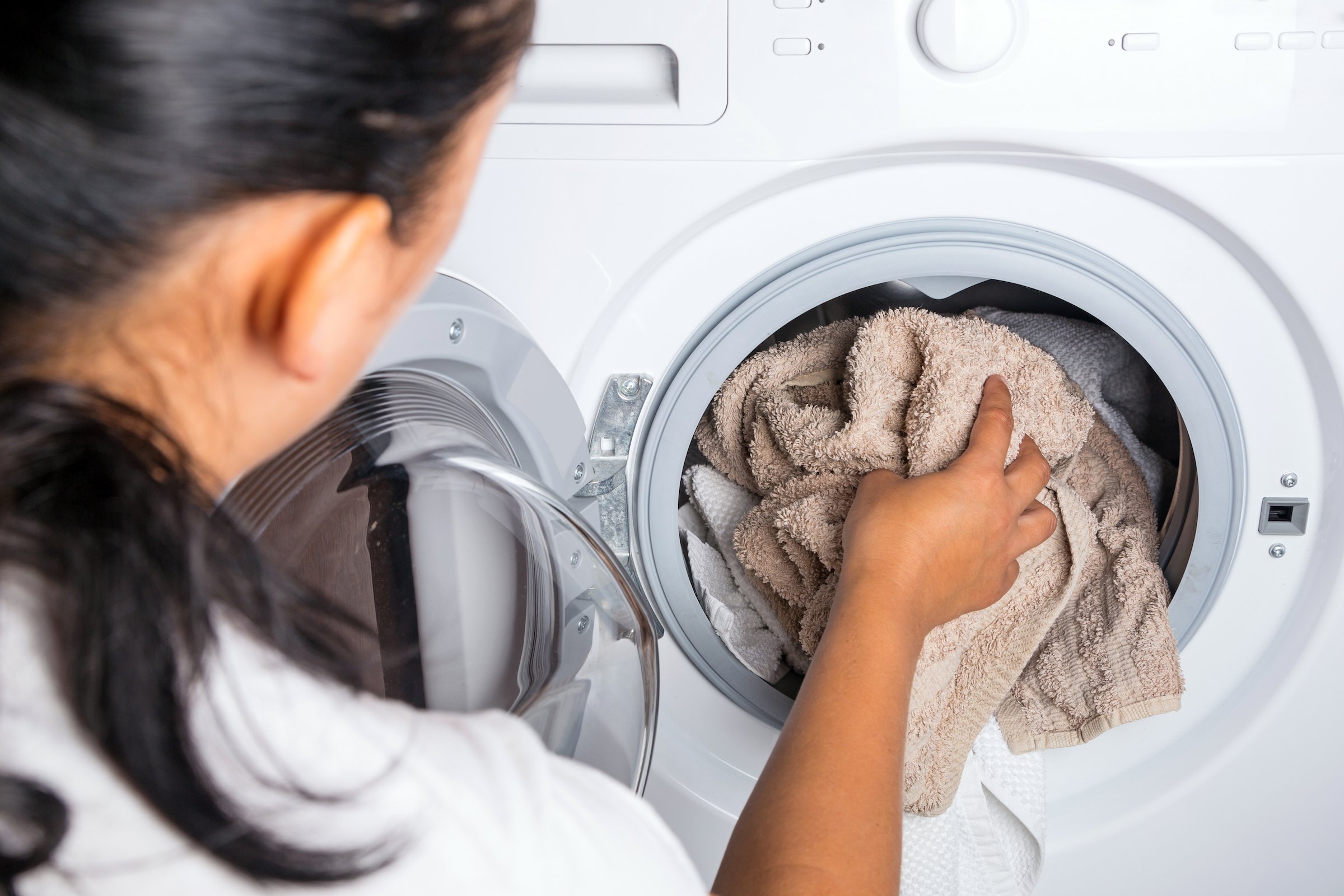
Real-life Example: Soap Residue In A Busy Household
Maria, a mother of three, noticed her children’s clothes often felt sticky and smelled like detergent after washing. She used regular detergent in her new HE washer and overloaded it to save time. By switching to HE detergent, washing smaller loads, and running a cleaning cycle, the problem disappeared. Maria’s experience shows that small changes can make a big impact.
Non-obvious Insights Most Beginners Miss
- Water hardness affects rinsing: Hard water can make soap harder to remove. Installing a water softener can help.
- Detergent brands differ in residue: Some cheaper detergents use fillers that stay on clothes. Investing in a quality brand reduces residue.
- Machine age matters: Older machines may not rinse as efficiently. Consider upgrading if yours is more than 10 years old.
- Fabric type changes rinsing: Thick fabrics like towels hold more soap; always use extra rinse for these.
Comparing Washer Types And Rinsing Performance
Some washers rinse better than others. Here’s a quick comparison.
| Washer Type | Rinsing Quality | Soap Residue Risk |
|---|---|---|
| Front Loader | High | Low |
| Top Loader | Medium | Medium |
| Old Model | Low | High |
Front loaders are generally better at rinsing, but only if maintained and not overloaded.
When To Replace Your Washing Machine
If your washer is older, repairs may be more expensive than replacement. If you notice:
- Frequent soap residue despite cleaning and troubleshooting
- Water leaks or drum damage
- Slow or noisy spin cycles
It may be time to invest in a new machine. Modern washers are designed to use less water and rinse more effectively. According to the U.S. Department of Energy, new washers can save up to 50% water and energy compared to models over 10 years old.
Frequently Asked Questions
Why Does My Washing Machine Leave Soap On Clothes Even After Double Rinsing?
Often, the detergent amount is too high or the machine is overloaded. Try reducing detergent and load size. If the issue persists, check for blockages in the drain system and clean the machine thoroughly.
What Type Of Detergent Is Best For Preventing Soap Residue?
HE liquid detergents work best in HE washers. For standard machines, liquid or pods are preferred over powder, as they dissolve more easily. Always follow the label instructions.
How Often Should I Clean My Washing Machine To Avoid Soap Build-up?
A monthly cleaning routine is ideal. Use a washer cleaner or vinegar, wipe the drum and dispensers, and check filters and hoses for blockages.
Can Water Hardness Affect Rinsing Performance?
Yes, hard water can make soap harder to rinse out. If you notice white spots or stiff clothes, consider installing a water softener or using detergents designed for hard water.
What Should I Do If My Washing Machine Still Doesn’t Rinse Properly After Troubleshooting?
If basic fixes don’t work, check for mechanical or electronic issues. Listen for unusual sounds, check error codes, and consult your manual. If problems continue, contact a qualified technician.
Getting rid of soap residue in your laundry starts with understanding your washing machine and how it works. By following the steps above and paying attention to the details, you can enjoy cleaner, fresher clothes every time. If you need more technical guidance, visit the official Wikipedia page for washing machines. Remember, small adjustments often make the biggest difference in laundry quality.