
A hot shower after a long day can feel like a luxury, but when your water heater is not getting as hot as it should, it’s both frustrating and uncomfortable. Many homeowners face this issue at some point, and the causes can range from simple to complex. Understanding why your water heater isn’t performing can help you solve the problem faster, save money, and avoid unnecessary stress. In this article, we’ll break down the most common reasons for lukewarm water, how to identify them, and what you can do about it—even if you’re not an expert in plumbing.
Common Causes Of Water Heater Not Getting Hot Enough
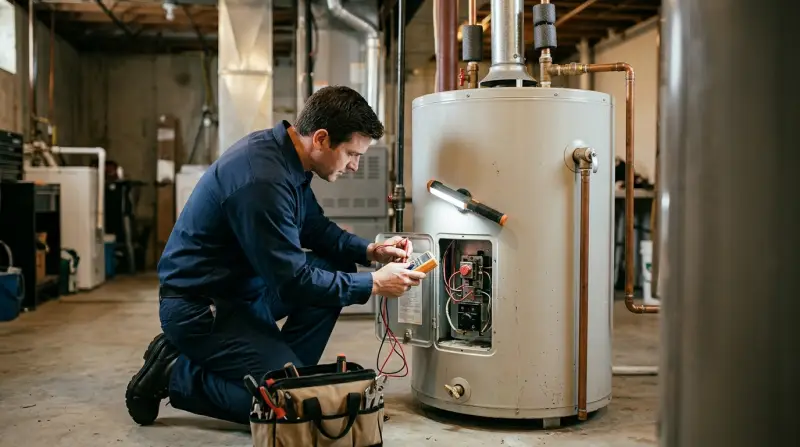
Several factors can cause your water heater to produce less hot water than expected. Here’s a look at the most frequent culprits:
1. Thermostat Settings Are Too Low
The thermostat controls the temperature of the water in your heater. If it’s set too low, you’ll only get lukewarm water. Many water heaters are set at 120°F (49°C) by default, which is safe but might not feel hot enough for everyone. If you want hotter water, you can try increasing the thermostat to 130°F (54°C) or 140°F (60°C). Just be careful, as higher temperatures can cause scalding, especially for children or elderly people.
2. Sediment Buildup In The Tank
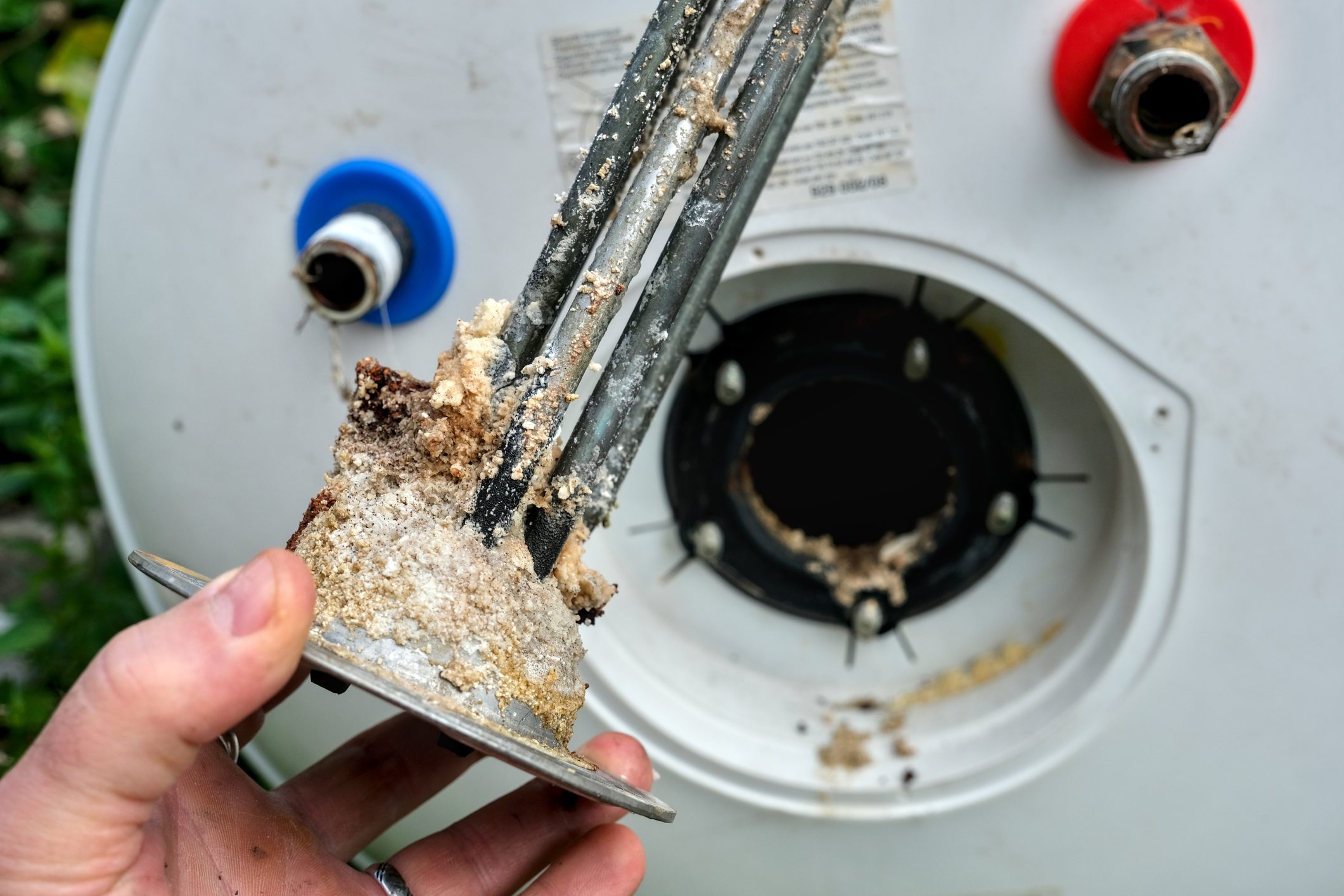
Over time, minerals from your water supply (especially in areas with hard water) settle at the bottom of the tank. This sediment buildup acts as an insulator, making it harder for the heating element to warm the water. This is a common reason older water heaters lose efficiency. Flushing the tank once a year can help prevent this problem.
3. Faulty Heating Element Or Gas Burner
Electric water heaters use one or two heating elements, while gas models use a burner. If one element fails, you might get only half the hot water, or none at all. For gas models, a dirty or malfunctioning burner can cause similar issues. Replacing a heating element is a common repair and not very expensive.
4. Broken Dip Tube
The dip tube is a pipe inside the tank that directs cold water to the bottom, so the heater can warm it up. If the dip tube breaks, cold water mixes with hot at the top, lowering the overall temperature. This problem is more common in older tanks.
5. High Hot Water Demand
If you use multiple showers or appliances at once, you may simply be running out of hot water faster than the tank can reheat it. Tank size and recovery rate are important here. If your family has grown or your usage has increased, your current water heater might be too small for your needs.
6. Power Or Gas Supply Issues
A tripped circuit breaker (for electric heaters) or a closed gas valve can stop your water heater from working properly. If the pilot light goes out in a gas heater, you’ll get only cold or lukewarm water.
7. Aging Water Heater
Most water heaters last 8–12 years. As they age, they lose efficiency and struggle to maintain temperature. If your heater is older than a decade, its performance decline may be natural.
Quick Troubleshooting Steps
Before calling a plumber, you can try some simple checks and fixes. Here’s a practical approach:
- Check the thermostat: Make sure it’s set at your preferred temperature.
- Inspect the breaker or gas supply: For electric models, see if the breaker has tripped. For gas, ensure the pilot light is lit and the valve is open.
- Run only one hot water source: If you get hotter water when only one tap is on, your tank may be too small for your needs.
- Flush the tank: Sediment can be cleared by draining and flushing the tank.
- Look for leaks: Any water around the base of the heater could mean a serious problem.
Sometimes, the solution is simple. But if these steps don’t work, you may need a professional.
Comparing Common Problems And Solutions
To give you a clearer picture, here’s how different issues compare in terms of cause, difficulty, and cost to fix:
| Problem | DIY Fix? | Estimated Cost | Typical Repair Time |
|---|---|---|---|
| Thermostat too low | Yes | $0 (adjustment) | 5 minutes |
| Sediment buildup | Yes | $0–$50 | 30–60 minutes |
| Heating element/burner issue | Sometimes | $20–$200 | 30–90 minutes |
| Dip tube broken | No | $150–$300 | 1–2 hours (pro) |
| Water heater too small | No | $500–$2,000 (replace) | Half day (pro) |
Electric Vs. Gas Water Heaters: Hot Water Problems
The type of water heater you have changes how you troubleshoot:
| Issue | Electric Heater | Gas Heater |
|---|---|---|
| No hot water | Check breaker, thermostat, element | Check pilot light, gas valve, burner |
| Water not hot enough | Element, thermostat, sediment | Thermostat, burner, sediment |
| Water heats slowly | Element, sediment | Sediment, burner |
If you’re unsure whether your heater is electric or gas, look for a gas supply line and vent pipe (gas) or a thick power cable (electric).
Credit: www.blind-guardian.com
When To Repair Vs. Replace
Choosing between repairing or replacing your water heater depends on age, condition, and repair costs.
- Repair if: The problem is minor (thermostat, element) and your heater is under 10 years old.
- Replace if: The tank is leaking, the repair is expensive, or your heater is more than 10–12 years old.
A good rule: If repair costs are more than half the price of a new heater, replacement is often smarter. Newer models are also much more energy efficient, which can save on utility bills.
How Sediment Buildup Affects Water Heaters
Sediment is a hidden enemy inside your water heater. It’s especially common in places with hard water, which contains high levels of minerals like calcium and magnesium. As these minerals settle at the bottom, they act as a barrier between the heating element and the water. This means:
- The heater has to work harder and longer to warm the water.
- Your energy bills may go up.
- The life of the heater is shortened.
Some signs of sediment buildup include:
- Rumbling or popping noises from the tank.
- Water that heats up slowly or never gets hot enough.
- Less hot water than before.
Flushing your tank once a year can remove most sediment and keep your heater efficient. If you have very hard water, you may need to flush it more often or install a water softener.
How Tank Size And Recovery Rate Matter
The tank size (measured in gallons) and recovery rate (how quickly it heats a new batch of water) both affect how much hot water you get. If you have a 40-gallon tank but a large family, you might run out of hot water during back-to-back showers. The recovery rate is especially important for electric heaters, which heat water more slowly than gas models.
Here’s a simple comparison:
| Tank Size | Family Size | Recommended Recovery Rate |
|---|---|---|
| 30 gallons | 1–2 people | ~20 gallons/hour |
| 40–50 gallons | 3–4 people | ~40 gallons/hour |
| 75+ gallons | 5+ people | ~60 gallons/hour |
If your usage has changed—maybe you have guests or added a new bathroom—your old heater may no longer meet your needs.
Non-obvious Insights Most Homeowners Miss
Many people focus only on the water heater itself, but sometimes the problem is elsewhere. Here are two often-overlooked factors:
- Crossed plumbing lines: In some homes, a plumbing mistake or renovation can cause cold and hot water lines to mix. This can make water feel cooler even when the heater is working fine.
- Faulty mixing valve: Some systems use a mixing valve to control water temperature. If this valve is stuck or broken, it can limit hot water output even with a healthy heater.
Also, insulation can play a big role. If your hot water pipes are not insulated, heat loss can occur as water travels from the heater to your faucet, especially in cold basements or crawl spaces.
Energy Efficiency And Hot Water Performance
An older or poorly maintained water heater wastes energy. According to the US Department of Energy, heating water accounts for about 18% of home energy use. Newer models with better insulation and advanced controls can cut energy use by up to 20%.
To save energy and get hotter water:
- Insulate your tank and hot water pipes.
- Lower the thermostat to 120°F to save money and reduce scalding risk.
- Consider a timer for electric heaters to avoid heating water when you don’t need it.
For more energy-saving tips, visit the US Department of Energy’s Energy Saver page.
When To Call A Professional
If you’ve checked the thermostat, flushed the tank, and confirmed your energy supply, but still have no hot water, it’s time to call a licensed plumber. You should also seek help if:
- The tank is leaking (this can quickly lead to water damage).
- You smell gas (shut off the supply and call for help immediately).
- You see rust-colored water (the tank may be corroded inside).
- There are electrical issues you’re not comfortable handling.
Trying to fix complex problems yourself can be dangerous or cause further damage.
Credit: www.callmother.com
Frequently Asked Questions
Why Does My Water Heater Run Out Of Hot Water So Quickly?
This usually happens when the tank size is too small for your needs or if there is heavy sediment buildup reducing capacity. It can also be due to a broken heating element or dip tube.
Can I Increase The Water Heater Temperature For Hotter Water?
Yes, you can raise the thermostat setting. But be careful: temperatures over 140°F (60°C) can cause burns. For most homes, 120°F–130°F is safe and comfortable.
How Often Should I Flush My Water Heater?
It’s best to flush the tank once a year to remove sediment. If you have hard water, consider doing this every six months.
How Do I Know If My Water Heater Needs Replacing?
Consider replacing if it’s over 10–12 years old, leaking, or needs expensive repairs. If you notice rusty water, strange noises, or frequent problems, it’s likely time for a new unit.
Why Is Only One Faucet Getting Lukewarm Water?
If only one tap has an issue, the problem may be in the plumbing or faucet itself, not the water heater. Check for a mixing valve problem, a clogged aerator, or crossed pipes.
When your water heater is not getting as hot as it should, it’s not just inconvenient—it could be a sign of bigger problems. By understanding the possible causes and solutions, you can take smart steps to fix the issue or call for help when needed. Regular maintenance, like flushing the tank and checking the thermostat, goes a long way to keeping your hot water running strong for years.