
When you start looking for new windows for your home, you might see the names Window World 4000 and Window World 6000 pop up often. These are two popular window series, but many homeowners struggle to understand the real differences between them. If you want windows that will last, save energy, and look good, picking the right series matters a lot. Let’s break down what makes these window lines unique, so you can make a confident choice.
What Makes Window World 4000 And 6000 Popular?
Window World is one of America’s biggest window companies. The 4000 Series and 6000 Series are designed for people who want good performance without paying luxury prices. Both offer strong durability, energy efficiency, and modern style. They’re also backed by solid warranties.
You’ll find that Window World windows are popular because they combine reliability with value. Many buyers like that these windows require little maintenance and can handle different weather conditions. This makes them suitable for many types of homes, from older houses to new builds.
But there are key differences. The 4000 is considered a mid-range option, while the 6000 is the premium line. Each has unique features, glass choices, and designs. Knowing these details helps you avoid overspending or choosing the wrong window for your climate.
Another reason these series are well-liked: Window World offers a clear installation process and easy-to-understand warranties. This means you know what you’re getting, and you don’t have to worry about hidden costs or unclear terms.
Design And Build Quality
Frame Materials
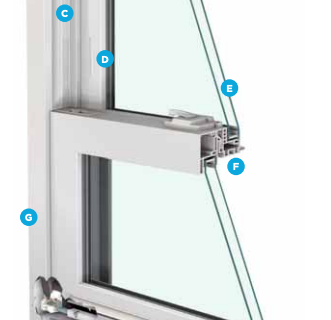
Both series use vinyl frames, which resist moisture and don’t rot. Vinyl is easy to clean and never needs painting. But the 6000 uses a thicker, stronger vinyl, making it more rigid and less likely to bend over time.
This thicker vinyl frame on the 6000 also gives extra strength against strong winds. If you live in areas with storms, the stronger frame means less chance of damage. Vinyl is also more flexible than wood or aluminum, so it absorbs small impacts better.
Appearance
The 4000 series offers standard white and beige colors. The 6000 gives more choices, including richer colors and woodgrain finishes. If matching your home’s style is important, the 6000 is more flexible.
Some people choose the 6000 for its ability to mimic real wood. For example, if your home has wood trim, the 6000’s woodgrain finish can blend in without the risk of wood rot or paint peeling. The extra color options also help if you want your windows to stand out or match unique exterior colors.
Hardware
The 6000 series uses heavy-duty locks and smoother sliding tracks. The 4000 series has simpler hardware, which works well but isn’t as refined.
You’ll notice the difference most when opening and closing the windows daily. The 6000’s locks not only feel sturdier but also last longer without loosening. This means less maintenance and fewer repairs as the years go by.
Energy Efficiency
Glass Options
Energy savings are a big reason people replace windows. The 4000 series has double-pane glass with basic Low-E coatings. The 6000 series uses triple-pane glass and advanced Low-E coatings that block more heat and UV rays.
Triple-pane glass in the 6000 doesn’t just save energy—it also keeps rooms more comfortable. When you touch the glass in winter, it feels less cold. In summer, rooms stay cooler even with direct sunlight. Advanced Low-E coatings on the 6000 reduce fading in furniture and carpets by blocking more UV light.
Insulation
The 6000 series frames have extra insulation inside. This means less heat escapes in winter and less hot air comes in during summer. If you live in harsh climates, this feature can save you money.
For example, homes in northern states often see big drops in heating costs with the 6000. The insulated frames also help block drafts, making rooms feel warmer without turning up the heat. In southern states, better insulation keeps air conditioning costs down.
Performance Ratings
Many buyers look at U-factor and Solar Heat Gain Coefficient (SHGC) numbers:
- 4000 Series: U-factor around 0.30–0.32; SHGC about 0.27–0.29.
- 6000 Series: U-factor as low as 0.21–0.23; SHGC about 0.21–0.23.
Lower numbers mean better efficiency. The 6000 series beats the 4000 in both areas.
A lower U-factor means less heat loss, so your home stays warmer in winter. Lower SHGC means less heat from the sun enters, so your home stays cooler in summer. These ratings help you compare windows objectively, even if marketing claims sound similar.
Features And Functionality
Ventilation
Both series offer double-hung windows (top and bottom open), casement windows (side hinges), and slider windows (move sideways). The 6000 series opens more smoothly and locks more tightly.
Smooth operation is important, especially for larger windows. The 6000’s improved tracks mean you can open windows easily, even after years of use. This is helpful for older adults or anyone who wants windows that don’t stick.
Noise Reduction
If you live near traffic or noisy neighbors, the 6000’s triple panes block more sound. The 4000 does well for normal neighborhoods but isn’t as quiet.
For example, if your home faces a busy street, the 6000 can reduce noise enough that you barely notice cars passing by. This difference is less obvious in quiet areas, but in noisy locations, it makes a big impact on comfort.
Safety
Both series include child safety locks and strong frames. The 6000 adds extra security latches and impact-resistant glass options.
Impact-resistant glass in the 6000 helps protect against break-ins or severe storms. This is a feature that’s often overlooked but can make your home safer and may even help with insurance costs.
Durability And Maintenance
Vinyl windows are famous for lasting decades. The 6000’s thicker frames stand up better to wind and sun. Both series resist mold and bugs, but the 6000’s finish holds color longer.
Cleaning is easy on both, thanks to tilt-in sashes. You can wash the outside glass from inside your house.
Over time, the 6000’s color finish resists fading from sunlight. This means your windows look newer for longer, even after years exposed to harsh weather. For homes near the ocean or in humid climates, this extra durability is important, as salt and moisture can wear down finishes on cheaper windows.
Cost And Value
Pricing
The 4000 Series is more affordable. Prices start around $300–$500 per window, depending on size and features. The 6000 Series costs more, usually $600–$900 per window. The extra cost comes from the triple glass, insulation, and better hardware.
Keep in mind, prices may vary by region and installation costs. Sometimes special promotions or bulk discounts are available, so it’s worth asking about current offers.
Long-term Savings
If you plan to stay in your home for many years, the 6000’s better efficiency could pay back its cost through lower energy bills. But if your budget is tight, the 4000 still offers good performance.
For example, over 10 years, the energy savings with the 6000 can add up to several thousand dollars. These savings also make your home more attractive to buyers if you sell in the future. If you plan to move soon, the 4000 gives a good balance of price and performance.

Real-life Examples
Let’s look at two homeowners:
- Sarah in Texas: She chose the 4000 series for her mild climate. Her energy bills dropped by 18% after replacing old windows.
- Mike in Minnesota: He picked the 6000 series because of cold winters. His home feels warmer, and he saves about 27% on heating costs.
These examples show how climate and budget affect your decision.
Another homeowner, Carla in New York, wanted windows that reduced city noise. She chose the 6000 series and noticed her apartment was much quieter, even during rush hour. This made her living space more peaceful and enjoyable.
Comparison Tables
Here are some quick side-by-side comparisons to help you see the differences:
| Feature | Window World 4000 | Window World 6000 |
|---|---|---|
| Frame Material | Standard Vinyl | Premium Vinyl |
| Glass Type | Double-pane | Triple-pane |
| Insulation | Basic | Enhanced |
| Color Options | Limited | Wide Range |
| U-factor | 0.30–0.32 | 0.21–0.23 |
| Price Range | $300–$500 | $600–$900 |
Another way to compare is by energy savings and durability:
| Benefit | 4000 Series | 6000 Series |
|---|---|---|
| Energy Bill Reduction | Up to 18% | Up to 27% |
| Noise Reduction | Moderate | High |
| Lifespan | 20–25 years | 25–30 years |
| Maintenance | Low | Very Low |
These tables help you quickly see which features matter most for your needs, whether it’s energy savings, durability, or color options.
Installation Process
Both series are installed by Window World’s trained teams. They remove old windows, fit the new ones, and seal them tightly. The 6000 takes a bit longer because of its heavier glass and frames. Most jobs finish in one or two days.
During installation, crews measure carefully to avoid gaps or leaks. For the 6000, extra care is taken because the windows are heavier and require precise fitting. If the old frame is damaged, installers may reinforce it for a better seal.
You get a lifetime warranty with both series. But always check what’s covered—glass, frame, and hardware may have different terms.
If you ever notice drafts or condensation after installation, Window World will usually inspect and fix the problem under warranty. This gives peace of mind, especially if you’re new to home improvements.
Common Mistakes To Avoid
- Ignoring climate needs: If you live somewhere cold or hot, don’t pick based only on price. The 6000’s efficiency matters more in extreme weather.
- Overpaying for features: If you don’t need triple-pane glass or fancy colors, the 4000 series is enough.
- Not checking installation quality: Even the best window won’t work well if installed poorly. Use certified installers.
- Missing out on rebates: Some states offer rebates for energy-efficient windows. Ask before buying.
Another mistake: forgetting to check window measurements. Incorrect sizing can lead to leaks or drafts, and fixing mistakes is costly. Always double-check before ordering.
Non-obvious Insights
Many buyers don’t realize that window frames can affect sound and heat as much as the glass. The 6000’s thicker vinyl is a silent hero—blocking drafts and noise. Another tip: Window World often offers seasonal discounts, but only on certain series. Timing your purchase can save hundreds.
It’s also easy to overlook how much hardware quality matters. Stronger locks and smoother tracks in the 6000 don’t just make windows safer; they reduce wear and tear, which means fewer repairs over time.
Which Series Should You Choose?
If you want maximum efficiency, strong noise reduction, and rich color choices, the 6000 Series is the best. For normal climates and a lower price, the 4000 Series is very good. Both improve your home’s comfort and look.
Still unsure? Try asking for a sample or visiting a showroom. Seeing and touching the windows can help you decide.
For more technical details about window ratings and performance, you can check ENERGY STAR.

Frequently Asked Questions
What Is The Main Difference Between Window World 4000 And 6000?
The biggest difference is energy efficiency. The 6000 Series uses triple-pane glass and better insulation, making it more efficient and quieter than the 4000 Series.
Are Both Series Good For Cold Climates?
Yes, but the 6000 Series performs better in cold places because of its stronger insulation and lower U-factor.
How Long Do These Windows Last?
The 4000 Series lasts about 20–25 years, and the 6000 Series lasts 25–30 years with normal care.
Is The 6000 Series Worth The Extra Cost?
If you want lower energy bills, better noise reduction, and more color choices, the 6000 Series is worth it. If you don’t need those features, the 4000 Series is a smart choice.
Can I Install These Windows Myself?
Window World recommends professional installation. Doing it yourself can void the warranty and lead to leaks or drafts.
Choosing the right window isn’t just about looks or price. It’s about comfort, savings, and peace of mind. With this guide, you’re ready to make the best choice for your home.