
A warm and comfortable sleeper cab is not just a luxury for truck drivers—it’s essential for safety and rest. When your Freightliner bunk heater stops working, nights can become long, cold, and even dangerous. Whether you’re an owner-operator, a fleet driver, or a technician, understanding how to diagnose and fix bunk heater problems can save time, money, and discomfort. Let’s break down why your bunk heater might fail, how to troubleshoot, and what you can do to restore reliable heat in your Freightliner.
How Freightliner Bunk Heaters Work
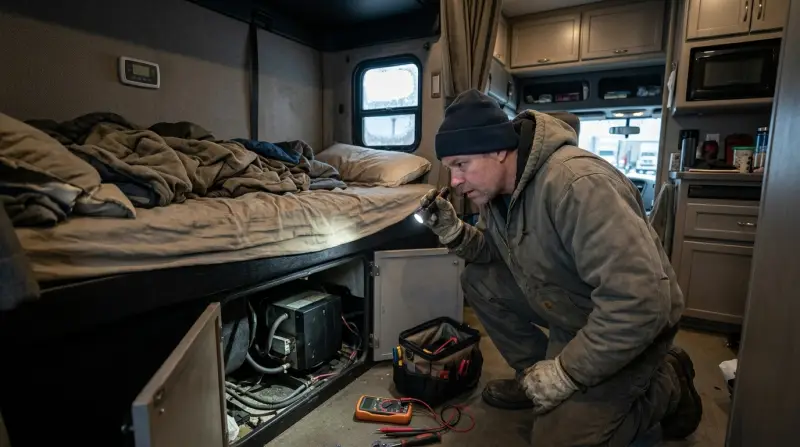
Most Freightliner trucks use a diesel-powered bunk heater (like Webasto or Espar) or an electric heater. These heaters draw fuel from the truck’s main tank, ignite it in a small chamber, and blow the resulting warm air into the sleeper compartment. Unlike the main cab HVAC, they can run with the engine off, making them popular for overnight heating and complying with anti-idling laws.
Key components include:
- Control panel (inside the cab)
- Glow plug or igniter
- Fuel metering pump
- Fan/blower motor
- Thermostat and sensors
- Fuses and relays
A problem in any of these parts can shut down the heater or cause it to run poorly.
Common Reasons A Freightliner Bunk Heater Stops Working
Many drivers face a cold bunk at some point. These are the most frequent causes:
Blown Fuse Or Relay: Electrical problems are very common. A blown fuse or failed relay can cut power to the heater.
Low Battery Voltage: If truck batteries are weak, the heater might not start or may shut down early.
No Fuel Supply: Blocked lines, a clogged filter, or an empty main tank can stop fuel from reaching the heater.
Faulty Glow Plug: The glow plug (or igniter) is essential for starting combustion. If it’s worn out, the heater won’t ignite.
Clogged Air Intake Or Exhaust: Dust, ice, or debris can block airflow, making the heater shut off for safety.
Bad Thermostat Or Sensor: If the control system can’t read temperatures correctly, it may not allow the heater to run.
Faulty Control Board: Less common but expensive—a failed electronic board can stop all functions.

First Steps: Quick Checks Before Troubleshooting
Before digging into repairs, try these simple checks:
- Make sure the main fuel tank is at least 1/4 full. Most heaters won’t draw fuel if the level is too low.
- Ensure that truck batteries are fully charged.
- Confirm that the heater’s control panel is set correctly, and the timer is not limiting operation.
- Listen for the heater’s startup sequence—a clicking sound (fuel pump) and whirring fan.
- Smell for unburned diesel near the heater exhaust (a sign it’s trying to start but failing).
Troubleshooting Steps For Freightliner Bunk Heater
If your heater still won’t work, use a step-by-step process to narrow down the cause.
Check Power Supply
- Inspect the fuse box for blown fuses (usually labeled “heater” or “bunk heater”). Replace with the same amperage.
- Test the relay using a voltmeter or by swapping with a known good relay.
- Verify connections at the battery and ground points. Corrosion can cause voltage drops.
Inspect The Control Panel
- Make sure all wiring to the control panel is secure.
- Try cycling the controls off and on. Some systems need a reset after faults.
- Look for error codes or blinking lights—these often indicate the problem area.
Fuel Delivery
- Check the fuel line from the main tank to the heater for cracks or leaks.
- Replace the fuel filter if it looks dirty or hasn’t been changed in over a year.
- Listen for the clicking sound of the fuel metering pump during startup. No sound often means no fuel delivery.
Glow Plug And Ignition
- Remove and inspect the glow plug. Replace it if it’s blackened or damaged.
- Clean the combustion chamber if there’s heavy soot buildup.
- Test the plug for resistance with a multimeter (typical range is 0.5 to 2 ohms; check your model’s specs).
Air Intake And Exhaust
- Examine the intake and exhaust pipes under the cab. Clear away any ice, dirt, or nests.
- If you notice a burning smell, check for melted plastic or insulation near the pipes.
Sensors And Thermostat
- If the heater starts but stops quickly, the overheat sensor could be tripping.
- Make sure the thermostat is not blocked by bedding or luggage in the bunk.
Comparing Bunk Heater Problems And Symptoms
Understanding which symptom points to which issue helps you focus repairs. Here’s a quick comparison:
| Symptom | Most Likely Cause |
|---|---|
| Heater won’t turn on at all | Blown fuse, dead relay, no power |
| Fan runs, but no heat | Bad glow plug, fuel issue, dirty chamber |
| Heater starts, then shuts off | Clogged intake/exhaust, overheat sensor, low fuel |
| Burning smell | Blocked exhaust, wiring issue, melting plastic |
| Heater runs, but bunk stays cold | Loose ductwork, faulty thermostat |
When To Repair Vs. Replace Parts
Some heater parts are cheap and easy to replace. Others require more time or skill.
- Fuses, relays, and filters: Low cost, usually DIY-friendly.
- Glow plug or igniter: Moderate cost, can be DIY if you follow instructions carefully.
- Control panel or circuit board: Expensive, often best left to professionals.
- Fuel metering pump: Moderate cost, needs careful installation to prevent leaks.
If your heater is older than 7-8 years and needs multiple parts, replacing the whole unit can sometimes be more economical.
Preventing Future Bunk Heater Problems
Most heater failures happen in the coldest months—when you need them most. Prevent breakdowns by:
- Running the heater for at least 30 minutes every month (even in summer) to prevent sticking parts.
- Replacing the fuel filter annually.
- Checking intake/exhaust for debris each oil change.
- Keeping the main fuel tank above 1/4 full in winter.
- Using only clean diesel—avoid water or bio-diesel blends if possible.
Real-world Example: Diagnosing A Stubborn Heater
Imagine a driver named Joe. His Freightliner Cascadia heater starts up, the fan blows, but there’s no heat. He checks the fuse—intact. The fuel tank is half full. Listening closely, he hears the fan, but not the clicking of the fuel pump. Joe crawls under the cab and finds a cracked, dry-rotted fuel line. He cuts out the bad section, installs a new line, primes the pump, and the heater fires right up. This simple fix saves a costly shop visit.
Data: Common Parts And Replacement Costs
Here’s a comparison of typical replacement costs for Freightliner bunk heater components:
| Part | Average Cost (USD) | DIY-Friendly? |
|---|---|---|
| Fuse | $2–$5 | Yes |
| Relay | $10–$25 | Yes |
| Glow Plug | $25–$60 | Yes, with care |
| Fuel Filter | $10–$20 | Yes |
| Fuel Pump | $100–$200 | Sometimes |
| Control Board | $200–$500 | No |
Two Insights Many Beginners Miss
- Don’t Ignore Battery Health: Many heater problems trace back to low voltage. Make sure your truck batteries are fully charged before starting repairs. A weak battery can cause shutdowns even if everything else is working.
- Monthly Heater Exercise: Running your bunk heater monthly (even in warm weather) keeps the fuel system and fan parts lubricated. Skipping this step leads to more breakdowns in winter.
When To Call A Professional
If you’ve checked all the basics and your heater still won’t run, it’s smart to get expert help. Warning signs that call for a technician:
- Strong smell of diesel inside the cab
- Repeated fuse blows (could mean a wiring short)
- Visible smoke (not just steam) from the exhaust pipe
- Error codes that don’t clear after a reset
Don’t risk a fire or major electrical problem—let certified Freightliner service handle complex or dangerous repairs.
Choosing The Right Replacement Parts
Always use OEM (Original Equipment Manufacturer) or high-quality aftermarket parts. Cheap parts may work at first but often fail quickly or cause new problems. For detailed part numbers and compatibility, check your Freightliner manual or use a trusted online supplier.

How Bunk Heaters Compare To Other Truck Heating Options
Bunk heaters are not the only way to warm up a sleeper cab. Here’s how they compare:
| Heating Option | Pros | Cons |
|---|---|---|
| Bunk Heater | Efficient, works with engine off, low fuel use | Needs maintenance, can fail in coldest weather |
| Engine Idle | Simple, uses main HVAC | High fuel use, illegal in some areas, engine wear |
| Electric Heater (Shore Power) | Quiet, no emissions | Needs external power connection, not always available |
| Portable Propane Heater | Portable, quick heat | Safety risk, CO danger, not recommended by Freightliner |
Most drivers choose bunk heaters for their balance of comfort, safety, and efficiency.
Staying Safe While Repairing Your Bunk Heater
- Always disconnect the truck battery before working on heater wiring.
- Never use open flames to check fuel lines.
- Wear gloves—diesel fuel and soot can irritate skin.
- Ventilate the sleeper compartment when testing the heater.
If you smell strong diesel or see black smoke, stop and get professional help.
Where To Find More Help
The best resource for detailed troubleshooting is your Freightliner owner’s manual or the heater manufacturer’s guide. Online forums and video tutorials can also help, but be careful to follow advice that matches your exact model and year.
For more in-depth technical guides, visit the official Freightliner Resources page.
Frequently Asked Questions
Why Does My Freightliner Bunk Heater Blow Cold Air?
This usually means the glow plug is not igniting fuel, or there’s a problem with fuel delivery. Check for a blown fuse, clogged fuel filter, or worn glow plug.
How Can I Reset My Freightliner Bunk Heater?
Most bunk heaters have a reset button or require turning the main control panel off and back on. Check your owner’s manual for the exact reset procedure.
Is It Safe To Repair A Bunk Heater Myself?
Basic maintenance like changing a fuse or filter is usually safe. For fuel system, wiring, or control board problems, call a professional to avoid fire or electric shock.
Why Does My Heater Keep Shutting Off After A Few Minutes?
This often means the intake or exhaust is blocked, or the overheat sensor is tripping. Clear all vents and check for debris under the cab.
How Often Should I Service My Freightliner Bunk Heater?
Service your heater once a year or before winter. Change the fuel filter, inspect wiring, and clean the air intake and exhaust to keep it reliable.
A working Freightliner bunk heater means restful sleep and safe driving. With the right steps, you can solve most common problems and keep your cab warm all winter long.