
If you own a Frigidaire Gallery Countertop Ice Maker, you know how convenient it is to have fresh ice cubes ready whenever you need them. But what happens when the machine suddenly stops working? It can be frustrating, especially on a hot day or when guests are coming over. Before you think about replacing your ice maker, it’s worth understanding the common reasons behind its failure and the practical steps you can take to fix it. In this guide, I’ll walk you through the most frequent issues and proven solutions, so you can get your ice maker back in shape—often without calling for expensive service.
How The Frigidaire Gallery Countertop Ice Maker Works
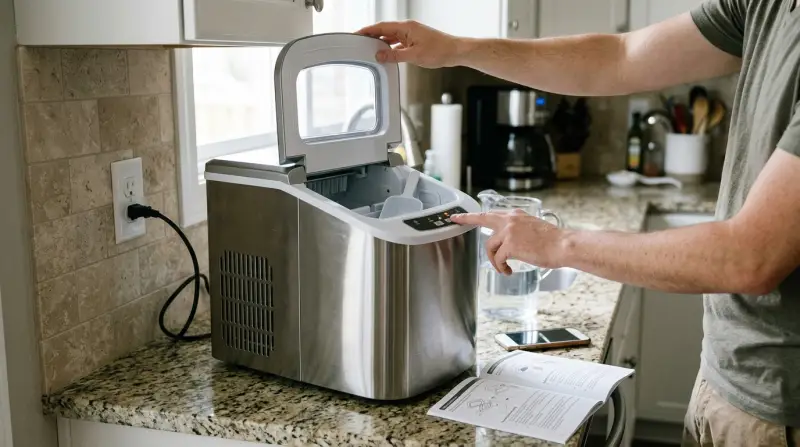
Understanding how your ice maker functions can help you troubleshoot better. The Frigidaire Gallery Countertop Ice Maker is a portable appliance that plugs into a standard outlet. It uses a small refrigeration system to chill water and form ice cubes in a basket. The basic cycle includes:
- Drawing water from the reservoir.
- Pumping water over cold metal prongs.
- Allowing ice to form on the prongs.
- Dropping the ice cubes into a basket once they reach the right size.
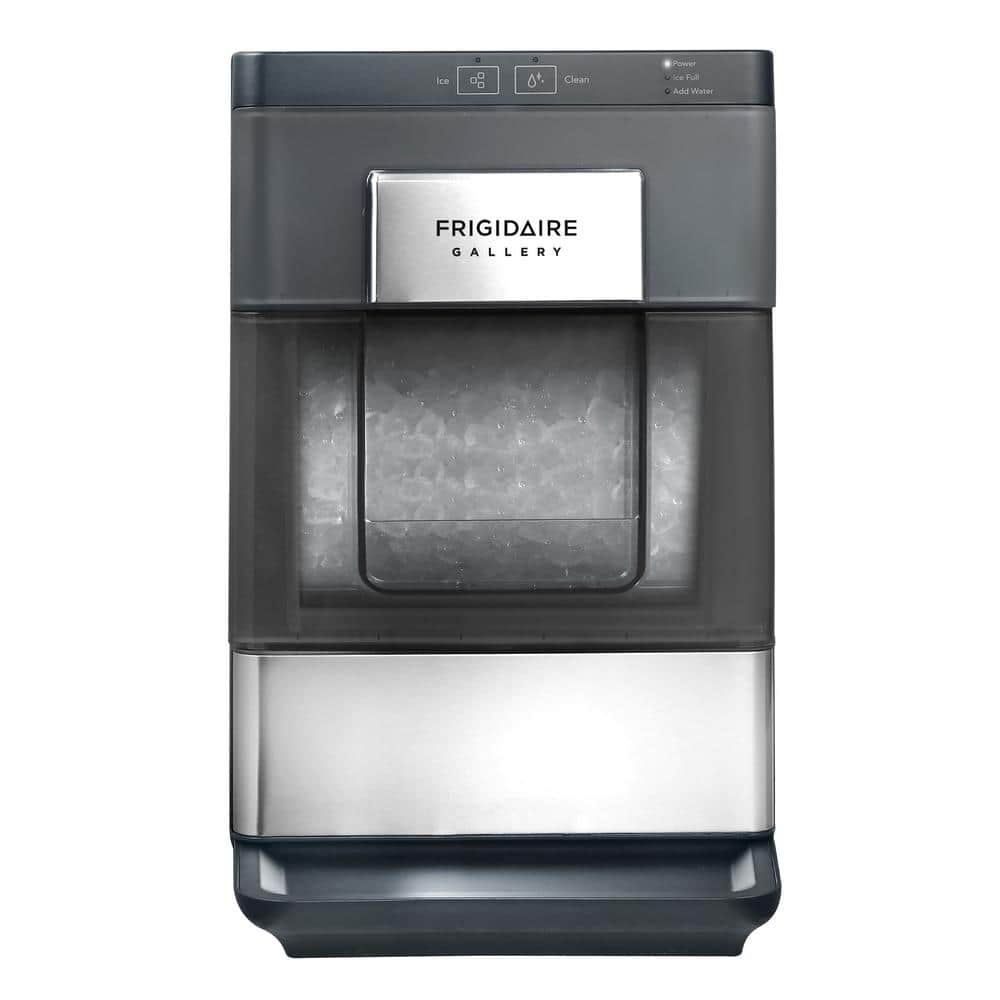
Most models have indicator lights and a simple control panel. If something interrupts this cycle, the machine may stop working or make only a small amount of ice.
Common Reasons Your Frigidaire Gallery Countertop Ice Maker Isn’t Working
Let’s look at the main reasons this ice maker can stop working, and how you can identify the problem.
Power Supply Issues
The simplest problems are sometimes the most overlooked. If your ice maker is completely unresponsive no lights, no sounds it may not be getting power.
- Check if the power cord is plugged in securely.
- Try a different outlet to rule out a faulty socket.
- Inspect the cord for visible damage.
- Reset any tripped circuit breakers in your home.
Water Supply Problems
Your ice maker needs water to make ice. If the reservoir is empty, the machine will not start or will display a “Add Water” warning.
- Refill the water reservoir to the maximum line.
- Use clean, cold water—avoid distilled water, as some sensors may not detect it well.
- Make sure the water sensor inside the reservoir is clean and not blocked by dirt or mineral build-up.
Blocked Or Dirty Parts
Mineral deposits, mold, or debris can block the pump, water lines, or ice tray.
- Clean the ice maker regularly following the manual instructions.
- Use a mixture of water and vinegar to remove scale or build-up.
- Rinse thoroughly after cleaning to avoid a vinegar taste in the ice.
Overheating
Portable ice makers need good airflow. Placing the machine too close to walls or appliances can cause it to overheat and stop working.
- Position the machine at least 4 inches from walls.
- Make sure the fan vents are not blocked by dust or lint.
- If the machine shuts off unexpectedly, let it cool down before trying again.
Faulty Sensors Or Indicator Lights
Sometimes the “Ice Full” or “Add Water” light stays on, even when the basket is empty or the reservoir is full. This can be due to stuck sensors or faulty wiring.
- Remove and reinsert the ice basket to reset the sensor.
- Clean the sensor area gently with a soft cloth.
- If the light remains on, unplug the machine for 10 minutes to reset the control board.

Quick Troubleshooting Steps
Here’s a simple table to help you match common symptoms with likely causes and solutions:
| Symptom | Possible Cause | Quick Fix |
|---|---|---|
| No power | Unplugged, faulty outlet, broken cord | Check plug, try another outlet, inspect cord |
| “Add Water” light on | Empty reservoir, dirty sensor | Refill water, clean sensor |
| No ice produced | Water issue, blocked parts, overheating | Refill water, clean machine, improve airflow |
| Small or misshapen ice | Low water, mineral build-up, warm room | Add water, descale, move to cooler spot |
| Strange noises | Loose parts, ice jam, broken fan | Check for jams, tighten screws, clean fan |
Step-by-step Guide To Fix Your Ice Maker
If you’ve checked the basics but your machine still isn’t working, try these steps.
Unplug And Restart
Turn off and unplug the unit for at least 10 minutes. This can reset the internal electronics and fix temporary glitches.
Deep Clean
- Remove the ice basket and water reservoir.
- Mix equal parts water and white vinegar.
- Pour the mixture into the reservoir, run the ice maker for one cycle, then discard the ice.
- Rinse with clean water at least twice to remove any vinegar residue.
Check For Ice Jams
Sometimes, pieces of ice get stuck and block the moving parts.
- Turn off the machine and unplug it.
- Inspect the ice-making area for stuck cubes or frost.
- Gently remove any blockages with a plastic utensil—never use sharp metal objects.
Examine The Water Pump
If you hear the motor running but no water is being pumped, the water pump may be clogged.
- Take out the pump (consult your manual for location).
- Clean it with a soft brush and warm water.
- Reinstall the pump and test the machine.
Test The Fan And Compressor
If the machine is hot to the touch or making loud noises, the fan or compressor may be failing.
- Listen for the fan running when the machine is on.
- Clean the fan grill to ensure good airflow.
- If the compressor is silent or clicking, it may need professional repair.
When To Call For Service
Some problems need expert help. These include:
- The machine won’t turn on, even after checking the power supply.
- Strange burning smells or visible damage inside the unit.
- The compressor or main motor is not working.
If your ice maker is still under warranty, contact Frigidaire support. Attempting to open or repair the main electronics yourself may void your warranty.
Comparison: Frigidaire Gallery Vs. Other Countertop Ice Makers
It’s helpful to see how the Frigidaire Gallery compares to other popular countertop ice makers, especially regarding common problems and reliability.
| Feature | Frigidaire Gallery | Generic Countertop Brand |
|---|---|---|
| Typical Ice Cycle Time | 6-12 minutes | 8-15 minutes |
| Sensor Quality | High (digital) | Varies (often basic) |
| Ease of Cleaning | Removable parts, clear manual | May lack removable parts |
| Common Issues | Sensor errors, water lines, fan noise | Leaks, poor insulation, weak pumps |
| Warranty Support | Strong (from Frigidaire) | Often limited or unclear |

Preventing Future Problems
To keep your countertop ice maker running well for years, follow these practical tips:
- Clean regularly – Clean the machine every 1-2 weeks, especially if you have hard water.
- Use filtered water – This reduces mineral build-up and keeps sensors working accurately.
- Avoid overfilling – Only fill to the water line to prevent leaks or sensor errors.
- Keep the area cool – Place the ice maker in a cool, ventilated spot.
- Check for software updates – Some newer models allow firmware updates for improved performance.
Here’s a quick care checklist:
| Action | How Often | Benefit |
|---|---|---|
| Deep clean | Every 2 weeks | Prevents mold, keeps ice tasting fresh |
| Descale | Monthly | Removes mineral deposits |
| Vent check | Monthly | Prevents overheating |
| Sensor clean | Every 2 months | Prevents false warnings |
| Inspect cord/outlet | Every 6 months | Safety and reliability |
Non-obvious Insights For Owners
Many users miss these subtle but important tips:
- Room Temperature Affects Ice Output: Most countertop ice makers, including Frigidaire Gallery, work best in rooms below 75°F (24°C). If your kitchen is very warm, ice production slows down, and the machine may overheat. Move the unit to a cooler room if possible.
- Sensor Calibration Is Key: If your machine gives false alerts (“Ice Full” or “Add Water”), recalibrating the sensor can help. Unplug the unit for 30 minutes, clean the sensors gently, and restart. Persistent issues may need a sensor replacement, which is usually cheap and easy for a technician.
When To Replace Instead Of Repair
Sometimes, fixing an older ice maker isn’t worth the cost or effort. Consider replacing your unit if:
- The cost of repair is more than half the price of a new machine.
- The compressor has failed (this is a major repair).
- The plastic interior is cracked or leaking.
- The unit is more than five years old and out of warranty.
A new model will often be more energy-efficient, quieter, and faster. If you want to compare current models, you can check resources like Consumer Reports for up-to-date reviews.
Frequently Asked Questions
Why Is My Frigidaire Gallery Countertop Ice Maker Not Making Ice But Has Power?
Usually, this means the water reservoir is empty or the water sensor is dirty. Refill the reservoir and clean the sensor area gently. If the machine still doesn’t make ice, inspect for blockages or mineral build-up inside the unit.
How Often Should I Clean My Ice Maker?
Clean your machine every 1-2 weeks for best results. Hard water areas may need more frequent cleaning. Always follow the manufacturer’s cleaning instructions to avoid damaging sensors or internal parts.
My Ice Maker Makes Ice, But The Cubes Are Small Or Hollow. Why?
This often happens due to low water levels or mineral build-up on the freezing prongs. Make sure the reservoir is filled to the max line and descale the machine regularly to keep the ice size consistent.
What Should I Do If The “ice Full” Light Stays On But The Basket Is Empty?
First, remove and reinsert the ice basket to reset the sensor. Clean the sensor area with a soft cloth. If the warning remains, unplug the unit for 10 minutes to reset the electronics. Persistent sensor problems may need professional repair.
Can I Use Distilled Or Reverse Osmosis Water In My Frigidaire Gallery Ice Maker?
It’s better to use filtered tap water. Some sensors cannot detect distilled or reverse osmosis water because it lacks minerals. This can cause false “Add Water” errors, even when the reservoir is full.
A Frigidaire Gallery Countertop Ice Maker is a great kitchen companion, but like any appliance, it can run into problems. Most issues are easy to fix with regular cleaning, good maintenance, and attention to small warning signs. By following these practical steps and tips, you can keep your ice maker working reliably for years, saving time and money. If you ever face a problem that seems too complex, don’t hesitate to reach out to Frigidaire’s support or consult a certified technician. With a little care, you’ll always have fresh ice on hand when you need it.