
A Miele vacuum is known for its strong suction, quality parts, and long-lasting performance. But even the best machines can have problems. One common issue is when the vacuum brush—the rotating roller at the base—stops spinning. For many owners, this can be confusing and frustrating. The brush is essential for deep cleaning carpets and picking up pet hair. When it stops turning, the vacuum’s cleaning power drops a lot.
Understanding why your Miele vacuum brush is not spinning helps you fix the problem faster. In this article, you’ll find practical reasons, step-by-step troubleshooting, repair tips, and prevention advice. Whether you are a new Miele owner or have used them for years, you’ll learn how to solve this issue and keep your vacuum running smoothly.
Why The Miele Vacuum Brush Needs To Spin
The spinning brush is not just for show. It lifts carpet fibers and shakes loose dirt, hair, and dust. When the brush roller rotates, it works with the vacuum’s suction to pull debris into the dustbin or bag. If the brush stops, you will notice:
- Carpets look less clean after vacuuming
- Pet hair remains on the floor or furniture
- Debris clings to rugs and mats
- Vacuum feels harder to push
In homes with pets, kids, or lots of carpet, a working brush is essential. That’s why it’s important to fix this problem quickly.
Common Reasons The Miele Vacuum Brush Stops Spinning
Many things can cause the brush roller to stop turning. Some are simple and easy to fix, while others need more time or tools. Here are the most common causes:
- Tangled hair or debris: Long hair, string, or threads can wrap around the brush. This blocks movement.
- Worn or broken belt: The belt connects the brush to the motor. If it slips, stretches, or snaps, the brush won’t spin.
- Blocked air paths: Clogs in the vacuum can affect airflow and reduce brush movement.
- Faulty brush motor: Some Miele models use a separate motor for the brush. If this fails, the roller stops.
- Incorrect height setting: If the vacuum head is set too low or too high, the brush may not touch the carpet correctly.
- Loose or damaged connections: Wires or contacts inside the vacuum can loosen over time.
- Broken brush bearings or end caps: Bearings help the roller spin freely. If they jam or break, rotation stops.
- Overheating safety shut-off: Some models automatically shut off the brush if the vacuum gets too hot.
Understanding which issue applies to your vacuum is the first step to fixing it.
Quick Checks Before You Start Repairs
Before you open the vacuum or buy parts, try these quick checks. They often solve the problem in minutes:
- Turn off and unplug the vacuum for safety.
- Flip the vacuum over and look for tangled hair or threads on the brush.
- Press the brush on/off button (if your model has one).
- Adjust the height setting and try different positions.
- Check the dustbin or bag—if full, empty it.
- Listen for noise: Does the vacuum motor sound normal, or is it quieter/louder than usual?
These simple steps can save time and help you find an easy fix.
Step-by-step Troubleshooting Guide
If your brush still won’t spin after basic checks, follow this guide. You’ll need a screwdriver, scissors, and sometimes pliers.
Remove Tangled Hair Or Debris
- Unplug the vacuum.
- Flip it over and use scissors to cut away hair or string wrapped around the brush.
- Spin the brush by hand. It should move freely.
Don’t pull hard on tangled items; you might damage the brush bristles.
Inspect And Replace The Belt
Most Miele vacuum brushes use a drive belt. If the belt is loose or broken, the brush won’t turn.
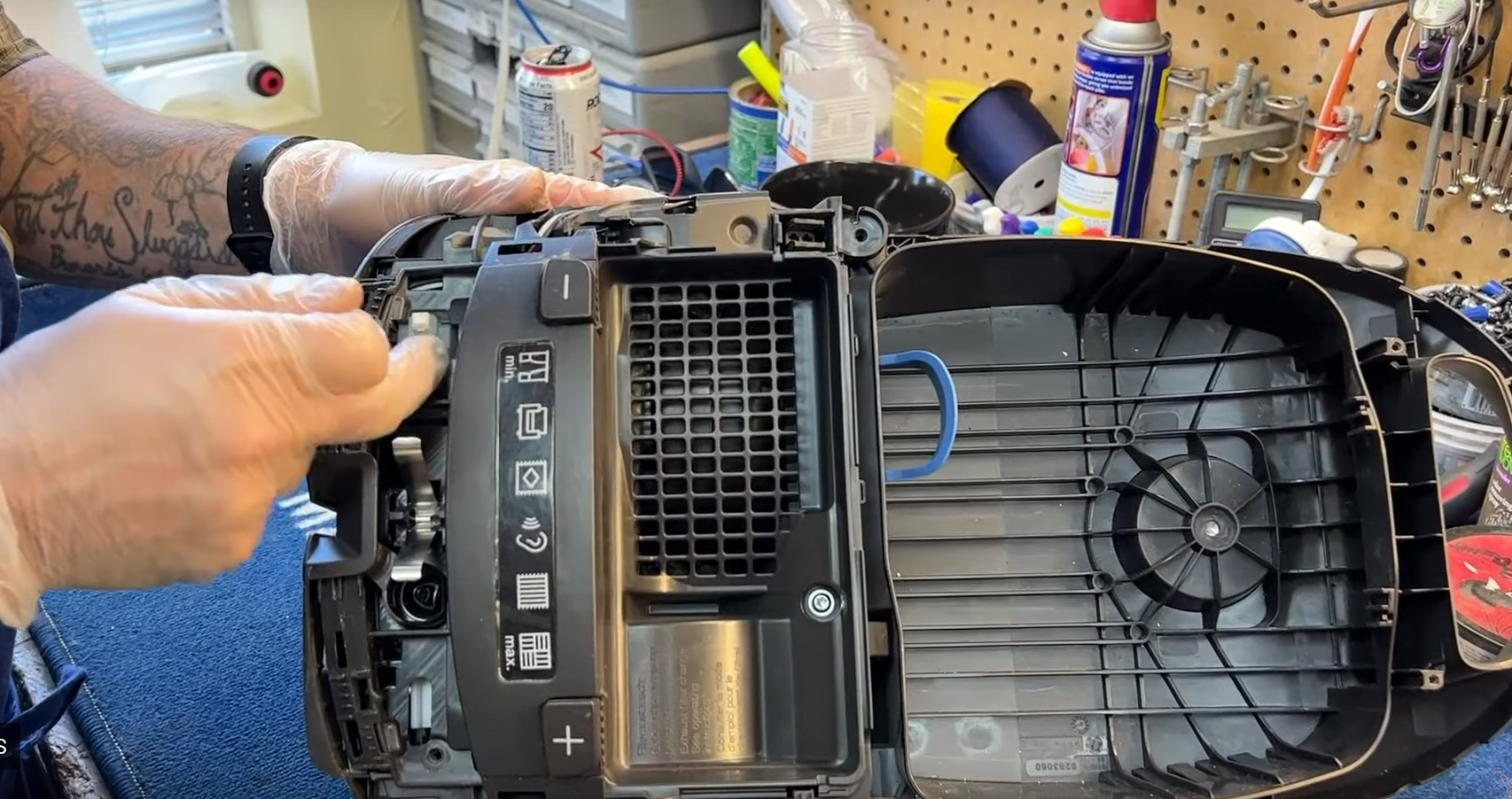
- Remove the vacuum baseplate (usually a few screws).
- Locate the belt—it connects the motor shaft to the brush roller.
- If the belt is snapped, stretched, or out of place, replace it with a new one.
- Reassemble, making sure the belt is tight and straight.
Non-obvious insight: Even if a belt looks fine, it can stretch over time and slip during use. Always check for looseness.
Clean Or Replace Brush Bearings
Some brushes have small bearings or end caps. These help the roller spin smoothly.
- Slide the brush roller out of its slot.
- Check the ends for dust, hair, or worn parts.
- Clean with a cloth and apply a small drop of machine oil if needed.
- If bearings are broken, order replacements.
Check The Brush Motor
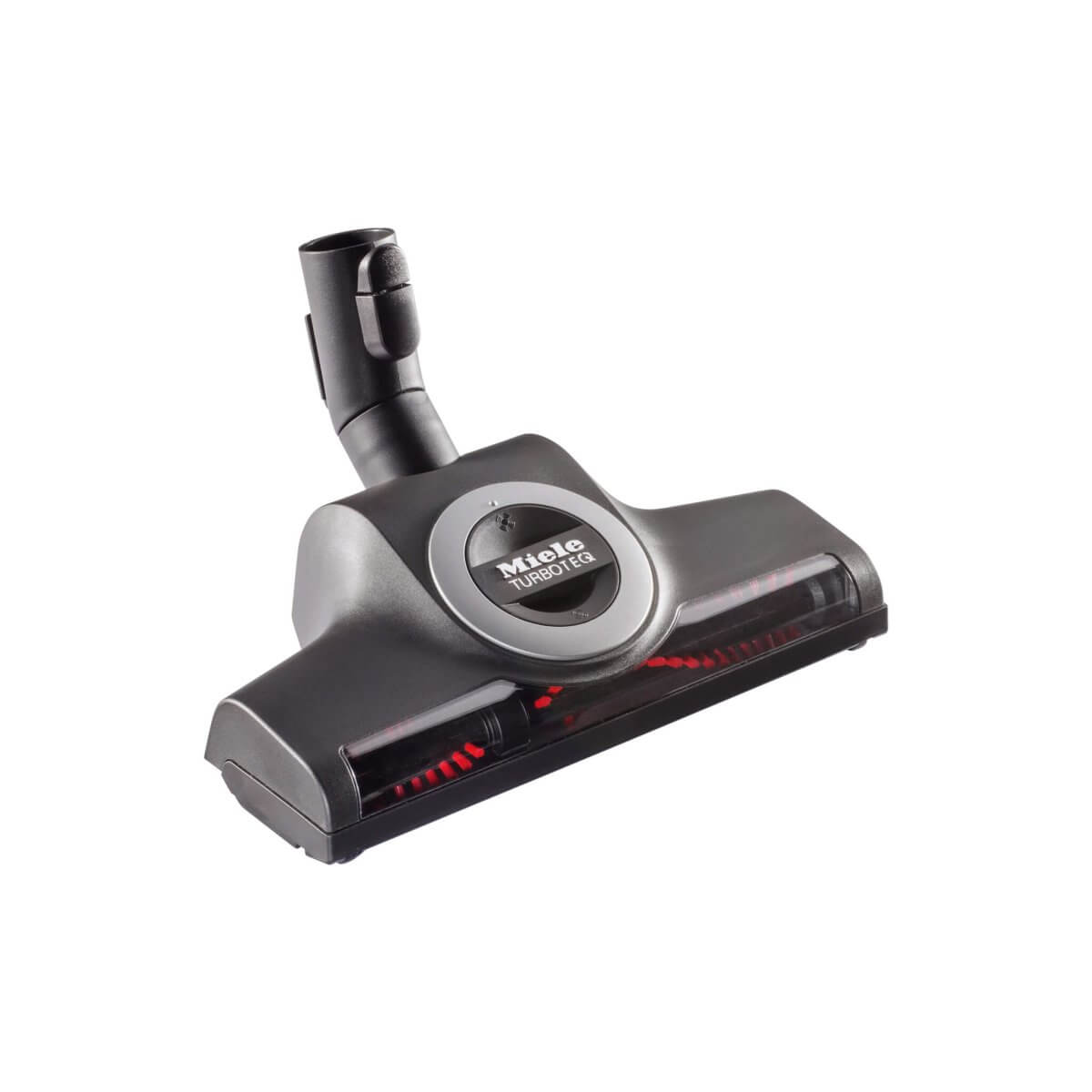
On powerhead models, a small motor drives the brush. If you hear the main vacuum but not the brush, the motor could be faulty.
- Remove the brush housing.
- Look for loose wires, burned smells, or visible damage.
- Test with a multimeter if you have one.
- If the motor is bad, you may need professional repair or a replacement part.
Example: Some Miele “Electro” brushes have a red reset button. Pressing this can fix simple motor cut-outs.
Inspect Electrical Connections
Loose or broken wires can stop the brush from spinning.
- Check the wand and hose connections.
- Look for bent pins, dirty contacts, or unplugged wires.
- Clean contacts gently with a dry cloth.
Test Overheat Protection
Some Miele vacuums shut off the brush to prevent overheating.
- Let the vacuum cool for 30 minutes.
- Try using the brush again.
- If it works after cooling, check for airflow blockages or a clogged filter.

Comparison: Miele Brush Roller Problems Vs. Other Brands
Here’s a quick comparison of brush roller issues between Miele and other popular brands:
| Feature | Miele | Dyson | Shark |
|---|---|---|---|
| Belt system | Durable, rarely slips | Direct drive, no belt | Rubber belt, stretches easily |
| Brush motor | Separate in powerheads | Integrated | Integrated |
| Tangle risk | Medium | Low (anti-tangle models) | High |
| Repair difficulty | Medium | Hard (sealed units) | Easy |
When To Repair Or Replace Miele Vacuum Parts
Sometimes, it’s better to repair your brush. Other times, replacement saves time and money. Here’s a guide:
| Issue | Repair | Replace |
|---|---|---|
| Tangled hair | Yes | No |
| Stretched belt | No | Yes |
| Broken motor | Maybe (if under warranty) | Yes (if out of warranty) |
| Worn bearings | Yes | No (unless roller is damaged) |
| Old roller (worn bristles) | No | Yes |
How To Prevent Future Brush Problems
Prevention is easier than repair. Here are smart habits that keep your Miele vacuum brush spinning longer:
- Clean the brush regularly: Remove hair and debris every week, especially if you have pets.
- Replace the belt yearly: Even if it looks okay, belts stretch and lose grip over time.
- Check the height setting: Use the correct setting for your floor type.
- Don’t vacuum wet items: Moisture can cause debris to stick and jam the brush.
- Allow the vacuum to cool: If you vacuum a large area, turn it off for 10 minutes to prevent overheating.
- Inspect electrical contacts: Keep connectors clean and free from dust.
- Store the vacuum properly: Avoid placing heavy items on the brush head.
Non-obvious insight: Using your vacuum on thick rugs with the wrong setting can damage both the brush and the carpet. Always adjust the height before starting.
Typical Costs For Repairing A Miele Vacuum Brush
Understanding repair costs helps you decide between fixing it yourself or calling a pro.
| Repair Task | DIY Cost (USD) | Professional Cost (USD) |
|---|---|---|
| Brush belt replacement | $10–$20 | $40–$70 |
| Bearings/end caps | $5–$15 | $40–$60 |
| Brush motor | $40–$80 | $100–$200 |
| Full brush roller | $30–$60 | $90–$150 |
If your vacuum is still under warranty, check with Miele before paying for repairs. Some fixes may be covered.
Signs You Need Professional Help
While many brush issues are easy to fix at home, some problems need expert help. Look for these signs:
- Burning smell from the brush or motor
- Sparking inside the vacuum head
- Repeated tripping of the brush shut-off
- No power to the brush even after checking wires and belts
- Unusual noises (grinding, screeching) from the roller
Trying to repair electrical faults yourself can be dangerous. If you see these signs, contact a certified repair shop or Miele service center.
The Role Of Miele’s Design In Brush Issues
Miele is known for reliable engineering. Most of their vacuums use a powerhead with a separate motor for the brush. This design means:
- Better deep cleaning on carpets
- More parts to check when there’s a problem
- Brush can still clog if maintenance is skipped
Unlike some brands, Miele parts are usually repairable—not glued or sealed. This is good news for DIYers. However, some newer models use advanced electronics that may need special tools.
Extra tip: Always use genuine Miele parts. Off-brand belts or brushes may not fit well and can wear out faster.
Resources For More Help
If you need diagrams, part numbers, or model-specific instructions, visit Miele’s official support site or check their owner’s manual. For hard-to-find issues, forums like Reddit’s r/vacuumcleaners or the Miele customer support line can also help. For official information, see the Miele USA Support page.
A working brush means cleaner floors, fresher carpets, and a vacuum that lasts for years. With the right steps, you can fix most issues in less than an hour.
Frequently Asked Questions
Why Does My Miele Vacuum Brush Only Spin Sometimes?
Intermittent spinning is usually caused by a loose connection, a worn belt, or overheating. Check the wand and hose plugs, clean the contacts, and let the vacuum cool before trying again.
Can I Replace A Miele Brush Belt Myself?
Yes, most owners can do this with basic tools. Remove the baseplate, swap the old belt for a new one, and reassemble. Make sure to order the correct belt for your model.
What If The Brush Still Won’t Spin After Cleaning And Replacing The Belt?
If the brush roller is clean and the belt is new, the problem might be the brush motor, electrical wiring, or the control board. These issues often need a professional to diagnose and repair.
How Often Should I Clean The Miele Vacuum Brush?
Clean the brush at least once a month, or weekly if you have pets or long hair in the home. Regular cleaning prevents jams and keeps the vacuum working at full power.
Will Using The Vacuum With A Non-spinning Brush Cause Damage?
Yes. Using the vacuum when the brush doesn’t spin can overwork the motor and leave dirt behind. It’s best to fix the problem right away to protect your vacuum and your floors.
A Miele vacuum is an investment in clean, healthy living. If your vacuum brush isn’t spinning, don’t panic. Follow the steps above and you’ll likely solve the problem quickly. With regular care, your Miele will keep your home spotless for years to come.