
A Weber Genesis grill is often the centerpiece of many backyards. It’s reliable, easy to use, and built for great flavor. But nothing can ruin a cookout faster than a grill that won’t light, especially when the igniter stops working. If you find yourself pressing the button and hearing only silence—or clicking with no flame—don’t worry. Fixing a Weber Genesis grill igniter is usually straightforward, and you can often do it yourself with just a few simple tools.
Let’s walk through the most common causes, how to diagnose them, and what you can do to get your grill firing up again. Along the way, you’ll pick up practical tips, learn what beginners often miss, and get clear, step-by-step help.
How The Weber Genesis Igniter Works
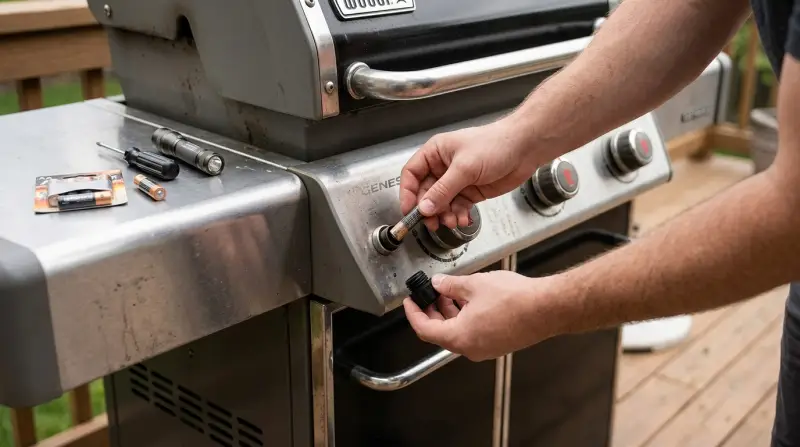
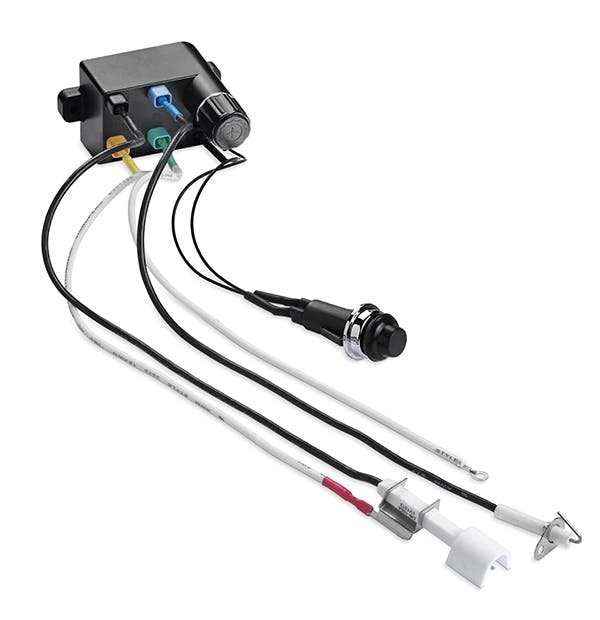
Before you start fixing, it’s helpful to know how the igniter system functions. In most Weber Genesis models, the igniter is a battery-powered or piezoelectric device that creates a spark. This spark lights the gas coming from the burner tubes, starting your grill. The main parts are:
- Igniter button: What you press to make the spark.
- Igniter module: The unit that creates and sends electricity to the electrode.
- Electrode and wire: Carries the electric charge to the tip near the burner.
- Collector box: Protects the electrode and directs the spark.
- Battery (if your grill uses one): Powers the spark generator.
Over time, any part of this system can wear out, become dirty, or get damaged. That’s why even a new grill can sometimes have igniter trouble.
Common Reasons The Weber Genesis Igniter Stops Working
Most igniter problems fall into a few categories. Here’s what usually causes trouble:
- Dead or corroded battery (for battery models)
- Loose or disconnected wires
- Dirty or misaligned electrode
- Worn-out igniter button or module
- Moisture or grease in collector box
- Cracked or broken ceramic insulator
- General wear and tear
Understanding where the problem usually starts can save you time. For example, many beginners only check the battery but forget to inspect the wire connections or electrode tip.
Step-by-step Troubleshooting Guide
Let’s break down how to find the cause of your igniter issue. You won’t need expensive tools. Most fixes use a Phillips screwdriver, a dry cloth, and sometimes a new battery or replacement part.
1. Check The Battery
- Open the igniter button compartment (usually on the control panel).
- Remove the battery. Look for any rust, corrosion, or leaking fluid.
- Clean the contacts with a dry cloth.
- Insert a fresh AA battery (check your manual for type).
- Reinstall and press the button.
Even new batteries can be faulty. Try a second one if the first doesn’t work.
2. Inspect The Igniter Button And Module
- Press the igniter button and listen for a clicking sound.
- No click usually means the button or module has failed.
- If you hear a click but see no spark, move to the next step.
Insight: Some Weber Genesis grills have a small light that glows when the igniter works. If yours does not light up, the module may need replacing.
3. Examine Wire Connections
- Remove the control panel cover (check your manual for how).
- Inspect the wires running from the button to the igniter module and electrode.
- Look for loose, disconnected, or broken wires.
- Reconnect any loose wires firmly.
4. Clean And Realign The Electrode
- Find the electrode tip near the burner.
- Wipe off any grease, food, or rust with a soft cloth.
- Make sure the tip is 1/8” to 1/4” from the burner tube. Too far or touching won’t spark.
- Gently bend it if needed (use pliers carefully).
5. Check The Collector Box
- Remove the collector box if your model has one.
- Clean out any moisture, grease, or debris.
- Reinstall and test again.
6. Inspect For Broken Parts
- Look closely at the ceramic insulator on the electrode. If it’s cracked, it won’t work.
- Replace the electrode if you see damage.
7. Test The Igniter
After each fix, press the igniter button with the gas OFF. You should see a spark at the electrode tip. If you do, reassemble your grill and test with gas ON (follow safety instructions). If not, move to the next step or consider replacing the whole igniter kit.
When To Replace Vs. Repair
Sometimes, a quick clean or new battery is all you need. Other times, parts have worn out. Here’s a quick comparison to help you decide:
| Problem | Repair | Replace |
|---|---|---|
| Dirty electrode or collector box | Clean and realign | N/A |
| Loose wires | Reconnect firmly | N/A |
| Dead battery | Replace battery | N/A |
| Cracked electrode | N/A | Replace electrode |
| No click or spark after all checks | N/A | Replace igniter kit |
If your grill is more than 5 years old and the igniter fails often, replacing the whole igniter kit is usually a better long-term fix.
Credit: www.weber.com
Choosing The Right Replacement Parts
Not all Weber Genesis grills use the same igniter parts. You need the correct kit for your model. Here’s what matters:
- Model number: Find this on the sticker inside the cabinet or on the back.
- Year of manufacture: Older Genesis grills use a piezo igniter; newer ones use battery-powered modules.
- Number of burners: Some igniters light one burner, some light all.
Compare part numbers and double-check with Weber’s parts guide or a trusted dealer.
| Genesis Model | Igniter Type | Battery Needed | Fits Years |
|---|---|---|---|
| Genesis II E-310 | Electronic | AA | 2017–Present |
| Genesis Silver B | Piezo | None | 2000–2005 |
| Genesis 310 (Pre-2017) | Electronic | AAA | 2007–2016 |
Installing A New Igniter Kit
If you decide to replace the igniter, follow these basic steps. Always check the instructions that come with your kit, as details can vary.
- Turn off gas supply and unplug grill if needed.
- Remove the control panel to access the old igniter.
- Disconnect wires from the old module and electrode.
- Remove the old electrode from the firebox.
- Install the new electrode and secure it in place.
- Connect new wires to the igniter button and module.
- Insert a fresh battery (if needed).
- Reinstall the control panel.
- Test the new igniter before using gas.
Beginner’s miss: Many people forget to check the battery orientation. Make sure the plus and minus ends match the diagram.
Credit: grillpartsreplacement.com
Safety Tips For Igniter Repair
Working with grills means dealing with gas and electricity. Stay safe with these tips:
- Turn off gas before you start any repair.
- Wear gloves to protect your hands from sharp edges.
- Never use water to clean inside the igniter system; use a dry or slightly damp cloth only.
- Test for leaks if you disconnect any gas lines (use soapy water to check for bubbles).
Preventing Future Igniter Problems
You can avoid most igniter issues with simple maintenance. Here’s how:
- Clean the electrode tip every few months.
- Check battery at the start of grilling season.
- Keep the collector box dry—wipe away moisture after rain or washing.
- Inspect wires for wear or animal damage (squirrels love to chew! ).
- Cover your grill when not in use to keep out dirt and water.
Unexpected insight: Humid climates cause more igniter corrosion. If you live in a damp area, replace batteries more often and dry components regularly.
When To Call A Professional
Most igniter fixes are DIY-friendly. But if you:
- Smell gas and can’t find the leak
- See melted wires or damaged control panels
- Are unsure about electrical repairs
Stop and contact a certified Weber technician or local grill repair service. Safety comes first.
Real-world Example: Fixing A Weber Genesis Igniter
Imagine your Genesis II E-310 won’t start. You press the button—nothing happens. Here’s how a typical fix might go:
- You open the battery compartment and spot corrosion on the contacts.
- After cleaning and inserting a new battery, you get a click but no spark.
- Removing the control panel, you notice a loose wire at the electrode.
- Reconnecting it restores the spark, and your grill lights up instantly.
This common two-part problem (bad battery + loose wire) is easy to miss if you only check one part of the system.

Credit: www.youtube.com
Cost Of Repair Vs. Replacement
Most igniter repairs are inexpensive. Here’s a quick look:
| Repair Type | Estimated Cost | Difficulty |
|---|---|---|
| New battery | $2–$5 | Easy |
| Clean electrode | Free | Easy |
| Replace electrode | $10–$20 | Medium |
| Full igniter kit | $25–$50 | Medium |
| Professional repair | $75–$150 | Varies |
Prices are for parts only and may vary by location and model.
Frequently Asked Questions
Why Does My Weber Genesis Igniter Click But Not Light The Burner?
The igniter may click but fail to light the burner if the electrode is dirty, misaligned, or too far from the burner tube. Also, check for gas flow—no gas means no flame.
How Long Should A Weber Genesis Igniter Last?
A quality igniter should last 3–5 years, but batteries and electrodes may need replacement sooner, especially with heavy use or poor weather protection.
Can I Light My Weber Genesis Grill Manually If The Igniter Fails?
Yes. Use a long match or grill lighter through the match-light hole (check your manual). Always open the lid first to avoid gas buildup.
Is It Safe To Use The Grill If The Igniter Is Not Working?
It’s safe if you light manually and follow Weber’s instructions. Never use a broken igniter if you smell gas or see damaged parts.
Where Can I Find Official Replacement Parts For My Weber Genesis Grill?
You can order genuine parts from the Weber official parts store by entering your grill’s model number.
A Weber Genesis grill igniter that’s not working can be frustrating, but with a little patience and the right steps, most issues are easy to fix. Whether you simply need a new battery or decide to replace the whole igniter kit, you’ll have your grill back to perfect working order—and your next barbecue will go off without a hitch.
Remember, regular cleaning and quick checks are the best way to prevent future problems. Happy grilling!