
A shower that won’t turn off is more than just a small annoyance. It can waste a lot of water, increase your utility bills, and even cause damage if left running for too long. If you find yourself facing this problem, you’re not alone—many homeowners encounter stuck showers at some point. Understanding why your shower won’t turn off, what you can do about it, and when to call a professional can save you both money and stress. This guide explains everything you need to know in clear, simple language.
Why Showers Get Stuck On
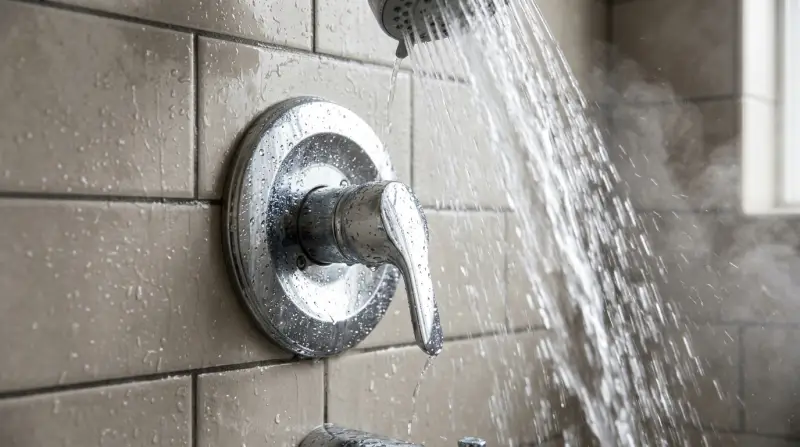
Several things can cause a shower to keep running after you try to shut it off. Most often, it’s an issue with the shower valve or handle mechanism. Here are the main reasons:
- Worn-out cartridge: The cartridge is a small part inside the valve that controls water flow. Over time, it can wear down or get stuck.
- Handle problems: Loose, stripped, or broken handles can make it hard to close the valve fully.
- Mineral buildup: Hard water leaves deposits inside the valve, making it stiff or jammed.
- Faulty diverter: If you have a tub/shower combo, the diverter directs water between the tub and shower. A broken diverter can keep water flowing when it shouldn’t.
- Valve stem issues: In older showers, the valve stem may be corroded or damaged.
- Incorrect installation: If the shower was installed incorrectly, parts might not line up as they should.
A stuck shower is almost never caused by the showerhead itself. The problem is usually deeper in the plumbing.
Immediate Steps: What To Do When Your Shower Won’t Turn Off
If your shower is running and you can’t stop the water, act quickly to minimize water waste and prevent possible flooding. Here’s what you should do:
- Try turning the handle harder—but not so hard you break it. Sometimes, a little extra force frees a stuck part.
- Check for a separate shut-off valve near the shower or in the bathroom. Some homes have them under the sink or behind a panel.
- Turn off the main water supply if the shower won’t stop. The main valve is often in the basement, garage, or outside the home.
- Remove the handle (if you have the right tools and feel comfortable). Sometimes, tightening or realigning the handle can help.
- Call a plumber if you can’t fix it quickly. A running shower can waste over 2 gallons per minute—that’s over 100 gallons per hour.
Many people don’t realize that the main water valve stops water to the whole house. If you need to wait for a plumber, warn everyone at home that water will be off.

Common Shower Valve Types And How They Affect Repairs
Knowing what type of shower valve you have can make repairs easier. Here are the most common types:
| Valve Type | How It Works | Common Issues |
|---|---|---|
| Single-handle cartridge | One handle controls both hot and cold water | Cartridge wears out, gets stuck, or leaks |
| Two-handle compression | Separate handles for hot and cold | Washers fail, stems corrode |
| Three-handle (with diverter) | One handle for hot, one for cold, one for tub/shower | Diverter breaks, handles strip |
If you’re not sure which type you have, look for the number of handles. Most modern showers use a single-handle cartridge, but older homes may have two or three.
How To Fix A Shower That Won’t Turn Off
Before starting repairs, remember to turn off the water supply. If you’re unsure, it’s best to get help from a professional. But for those comfortable with DIY tasks, here’s a step-by-step guide for fixing the most common problems.
Replacing A Worn-out Cartridge
- Turn off water to the shower.
- Remove the handle by unscrewing it.
- Take off the escutcheon plate (the flat cover) using a screwdriver.
- Pull out the old cartridge with pliers or a cartridge puller.
- Insert the new cartridge (make sure it matches the old one).
- Reassemble the handle and plate.
- Turn water back on and test the shower.
Fixing A Stuck Or Stripped Handle
- Tighten the handle screw if it’s loose.
- If the handle is stripped, replace it with a new one (available at hardware stores).
- Lubricate the handle stem with plumber’s grease if it feels stiff.
Dealing With A Faulty Diverter
- Remove the diverter knob or lever.
- Check for broken parts or mineral buildup.
- Replace the diverter if it’s damaged.
If you’re not comfortable removing parts, take a photo and show it to a hardware store employee. They can often identify the right replacement.
Clearing Mineral Buildup
- Soak removable parts in white vinegar for a few hours to dissolve deposits.
- Gently scrub with a toothbrush.
- Rinse and reinstall.
People often forget that hard water can damage shower parts. Installing a water softener can help reduce future problems.
When To Call A Professional
Some shower problems are best left to licensed plumbers. Here’s when you should call for help:
- You can’t turn off the shower even after following basic steps.
- The problem involves old or corroded pipes.
- You see water leaking behind walls or floors.
- You’re not comfortable with DIY repairs.
A professional can quickly diagnose the problem and prevent expensive water damage. In some cases, they may recommend upgrading your shower system for better performance and reliability.
How Much Water And Money Are You Losing?
A running shower wastes a surprising amount of water. Let’s see how quickly it adds up:
| Shower Flow Rate (gal/min) | Minutes Running | Total Water Wasted (gal) |
|---|---|---|
| 2.5 | 30 | 75 |
| 2.0 | 60 | 120 |
| 1.5 | 120 | 180 |
If your shower runs for just one hour, you could waste over 100 gallons—enough to fill a small bathtub. With average water costs in the US, this can add several dollars to your bill each time it happens. If you pay for hot water, energy costs rise too.
Preventing Shower Valve Problems
Prevention is easier and cheaper than repair. Here’s what you can do:
- Clean shower handles and valves every few months to prevent mineral buildup.
- Fix drips or leaks quickly—they often signal a problem before a full failure.
- Replace old shower parts (like cartridges or washers) every 5–7 years.
- Use water softeners in hard water areas.
- Avoid using excessive force when turning handles.
Many people overlook regular maintenance. Checking your shower valve once a year takes only a few minutes and can prevent most issues.
What To Do If Water Won’t Stop After Shower Repairs
Sometimes, after fixing one part, water still won’t stop. Possible reasons include:
- You installed the wrong size or type of cartridge.
- The new part wasn’t seated properly.
- There is hidden damage deeper in the valve.
- The main water supply valve isn’t fully closed.
In these cases, double-check your work, compare parts, and consider calling a plumber. It’s common for non-professionals to miss small details that make a big difference.
Shower Won’t Turn Off: Mistakes To Avoid
Many homeowners make simple mistakes when trying to fix a stuck shower:
- Forcing the handle: This can break it or damage the valve.
- Using the wrong tools: Always use the right screwdriver or wrench.
- Skipping the water shut-off: Never work on plumbing with water on.
- Mixing up hot and cold parts: Keep track of which part goes where.
- Ignoring leaks after repair: A small drip can turn into a big problem later.
If you’re unsure, it’s safer to call a professional than risk more damage.
How To Choose Replacement Parts
Finding the right replacement cartridge, handle, or diverter is important. Here’s how to do it:
- Identify your shower brand and model. Look for markings on the handle or escutcheon plate.
- Bring the old part to the store for comparison.
- Ask for help if you’re not sure about sizing.
- Check reviews online for durable parts.
- Avoid very cheap parts—they often fail quickly.
Some brands, like Moen and Delta, have unique cartridges that only fit their valves. Getting the right part the first time saves time and hassle.
Can You Upgrade Your Shower To Avoid This Problem?
Yes! Modern showers have better, longer-lasting valves and handles. Consider these upgrades:
- Pressure-balanced valves: Keep water temperature steady, even if someone flushes a toilet.
- Thermostatic valves: Set the temperature exactly how you like it.
- Ceramic disc technology: Lasts longer and rarely sticks.
Upgrading can reduce future repairs and improve your shower experience. If your home is over 20 years old, an upgrade may be a good investment.
Real-life Examples: Showers That Wouldn’t Stop
Let’s look at two common scenarios:
Case 1: The cartridge was stuck
A family in Texas noticed their shower wouldn’t stop after a morning bath. They tried turning the handle hard, but nothing worked. After shutting off the main water, they found the cartridge inside was worn and cracked. Replacing it fixed the problem, and they avoided a plumber’s fee.
Case 2: Handle was stripped
In a New York apartment, the shower handle spun loosely but didn’t stop the water. The tenant removed the handle and found the metal was worn out. A $15 replacement handle solved the issue in minutes.
These examples show that with a little knowledge, you can solve many shower problems yourself.
Frequently Asked Questions
Why Did My Shower Suddenly Stop Turning Off?
Most likely, a part inside the valve has worn out or gotten stuck. Cartridges and washers often fail without warning. Mineral buildup or a broken diverter can also cause this issue.
Is It Safe To Keep The Main Water Supply Off While Waiting For Repairs?
Yes, but remember that this will stop water to the whole house. This is safe for a few hours or even a day, but avoid long-term shutoffs, as water heaters and appliances may be affected.
Can I Use Wd-40 To Loosen A Stuck Shower Valve?
It’s better to use plumber’s grease or silicone-based lubricant. WD-40 can sometimes damage rubber seals inside plumbing fixtures.
Will A Running Shower Cause Water Damage?
If the water is contained in the tub or shower, it’s usually safe short-term. But leaks behind the wall or floor can cause major damage. Always check for hidden drips or wet spots.
Where Can I Learn More About Shower Valve Types And Repairs?
You can find more information at the Family Handyman website, which has detailed guides and photos.
Fixing a shower that won’t turn off is a common challenge, but with the right steps, it’s manageable. Always act quickly to stop water waste, use the correct tools and parts, and don’t hesitate to call a plumber if needed.
Regular maintenance and smart upgrades can keep your shower working smoothly for years to come.