
When you drive your car, you rely on the instrument cluster to tell you important information: speed, fuel level, engine temperature, warning lights, and more. When the instrument cluster has problems, driving becomes stressful and sometimes dangerous. This article explains the most common instrument cluster problems, how to spot them, and what to do if they happen to you. If you’ve ever seen strange warning lights or your speedometer stopped working, you’ll find clear answers here.
What Is An Instrument Cluster?
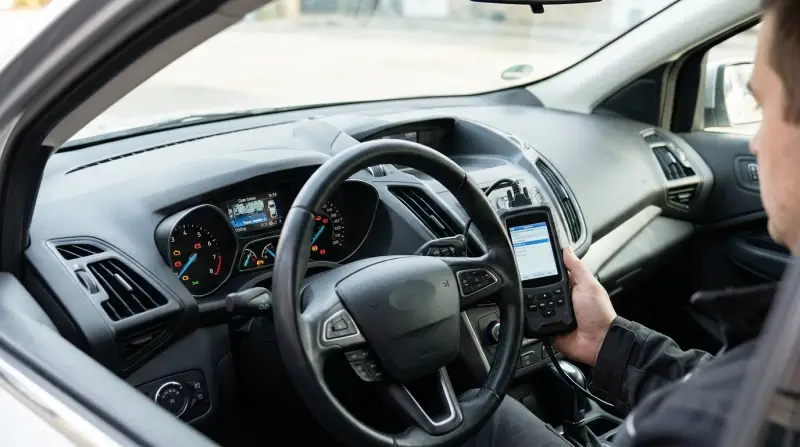
The instrument cluster is the dashboard display behind your steering wheel. It shows gauges like the speedometer, tachometer, fuel gauge, and warning lights. Modern clusters may use digital screens, while older vehicles have analog dials. The cluster connects to sensors and the car’s computer to give real-time information.
You count on these displays every time you drive. Without them, you might not know if your car is overheating, running out of gas, or has a serious problem.
Common Instrument Cluster Problems
Instrument clusters can fail in many ways. Here are the most frequent issues drivers experience:
- Dead Or Flickering Gauges: Speedometers, tachometers, or fuel gauges may stop working or flicker unpredictably. This can make it hard to know how fast you’re driving or when to refuel.
- Warning Lights Staying On: Sometimes, lights like the check engine, ABS, or airbag stay lit even when nothing is wrong. This can cause confusion and unnecessary worry.
- Dim Or Dark Display: The cluster screen or backlight may become too dim or turn off completely, especially in digital clusters. This makes reading information difficult, especially at night.
- Erratic Or Incorrect Readings: Gauges may show wrong values—for example, the speedometer jumps to random numbers, or the fuel gauge shows empty when the tank is full.
- Unresponsive Controls: Buttons for adjusting brightness or toggling display settings may stop working, limiting your ability to customize the display.
- Partial Display Failure: Some parts of the display work, while others are blank or frozen. This is common in digital clusters with LCD screens.
- Cluster Not Powering On: The entire cluster may fail to turn on, leaving all gauges and indicators dead.
These problems range from annoying to unsafe. For example, driving without a working speedometer or fuel gauge can lead to speeding tickets or running out of gas.
Causes Of Instrument Cluster Problems
Understanding why instrument clusters fail helps with diagnosis and repair. Here are the main causes:
Electrical Issues
- Loose connections or damaged wiring can interrupt signals.
- Blown fuses may cut power to the cluster.
- Faulty grounding can cause flickering or dead gauges.
Sensor Failures
- Sensors for speed, fuel, or temperature send data to the cluster. If they fail, gauges show wrong or no information.
Faulty Stepper Motors
- Analog gauges use tiny motors (stepper motors) to move needles. If these motors fail, the gauges won’t work.
Software Glitches
- Digital clusters rely on software. Bugs or corrupted software can freeze the display or cause incorrect readings.
Physical Damage
- Moisture, dust, or impact can damage the cluster, especially the circuit board or screen.
Aging Components
- Over time, solder joints, capacitors, and other parts wear out, especially in vehicles over 10 years old.
Battery Problems
- Low or unstable voltage from the car battery can cause the cluster to shut off or flicker.
Signs Your Instrument Cluster Needs Attention
Most cluster problems show clear signs. Watch for these:
- Gauges or screens are slow to turn on
- Random warning lights appear or stay on
- Numbers or dials jump or freeze
- Cluster becomes dim or unreadable
- Display resets or loses settings
- No response from cluster buttons
If you notice these signs, act quickly. Ignoring cluster problems can lead to bigger issues, such as driving with inaccurate speed or missing critical warnings.
Diagnosing Instrument Cluster Issues
Finding the cause of cluster problems requires careful steps. You can start with simple checks before seeking professional help.
Step-by-step Diagnosis
Check Fuses
Find your fuse box (usually under the dashboard or hood). Look for blown fuses related to the instrument cluster. Replace if needed.
Inspect Connections
Loose plugs or wires behind the dashboard can cause intermittent problems. Gently check connections if you can access them.
Test Battery Voltage
Low battery voltage affects the cluster. Use a multimeter to check if your battery is healthy (12. 6V or higher when off).
Look For Sensor Faults
If a single gauge fails, the related sensor may be at fault. Mechanics can test sensors using diagnostic tools.
Scan For Error Codes
Modern cars have an OBD-II port. Plug in a scan tool to read trouble codes. This can point to cluster or sensor issues.
Check For Physical Damage
Look for signs of moisture, corrosion, or impact near the cluster. Physical damage often requires replacement.
Data Table: Common Problems And Causes
Here’s a quick comparison of typical cluster issues and their likely causes:
| Problem | Possible Cause | Easy Fix? |
|---|---|---|
| Speedometer not working | Faulty speed sensor, wiring, stepper motor | Sometimes |
| All gauges dead | Blown fuse, wiring, cluster failure | Check fuse |
| Warning light stays on | Sensor fault, software bug | No |
| Dim display | Bad backlight, aging components | No |
Repair Options For Instrument Cluster Problems
Fixing cluster issues depends on the cause. Some repairs are simple, others need a professional.
Diy Fixes
- Replace blown fuses: Cheap and easy, often restores power.
- Reconnect loose plugs: Sometimes solves intermittent failures.
- Reset cluster: Disconnect battery for 10–15 minutes to reset electronics (works for some digital clusters).
Professional Repairs
- Sensor replacement: Mechanics can swap out failed sensors.
- Stepper motor repair: Specialized shops fix or replace tiny motors in analog clusters.
- Cluster rebuild: Electronics experts can replace damaged parts or solder joints.
- Software update: For digital clusters, dealers can update software to fix bugs.
Full Replacement
If the cluster is badly damaged or outdated, replacing the entire unit is sometimes necessary. This is expensive but restores full function.
Data Table: Repair Cost Estimates
Here’s a look at typical costs for cluster repairs:
| Repair Type | Average Cost (USD) | Time Needed |
|---|---|---|
| Fuse replacement | $10–$50 | 10 minutes |
| Sensor replacement | $100–$250 | 1–2 hours |
| Stepper motor repair | $150–$300 | 2–3 hours |
| Full cluster replacement | $400–$1,000+ | 3–4 hours |
Preventing Instrument Cluster Problems
You can prevent cluster issues with regular care:
- Keep your battery healthy—replace every 3–5 years.
- Avoid spilling liquids or letting moisture enter the dashboard.
- Fix wiring and sensor issues quickly.
- Service your car regularly; mechanics check cluster function during routine maintenance.
Two non-obvious tips:
- Don’t ignore small issues: Flickering gauges often mean loose connections or early signs of bigger problems. Fixing these early can prevent expensive repairs.
- Use surge protectors: For cars with complex electronics, a surge protector can prevent voltage spikes from damaging the cluster.
When To Replace Vs. Repair
Not every cluster needs replacing. Consider these points:
- Repair if the problem is limited (single gauge, sensor, or wiring).
- Replace if multiple gauges fail, the display is dead, or parts are unavailable.
- Rebuild if the circuit board is damaged but the cluster is rare or expensive.
Comparison Table: Repair Vs. Replacement
| Factor | Repair | Replacement |
|---|---|---|
| Cost | Lower | Higher |
| Time | Faster | Slower |
| Parts Availability | May be limited | Usually available |
| Cluster Age | Best for newer units | Best for older units |
Real-life Examples
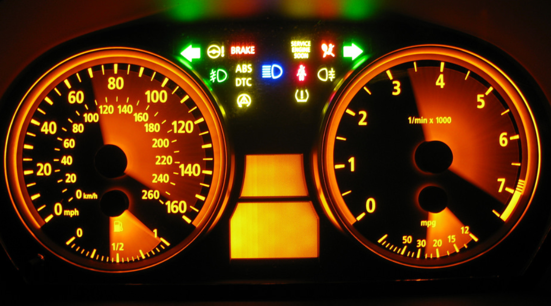
Many drivers face cluster problems. For example, the Chevrolet Silverado (2003–2006) had widespread stepper motor failures, causing speedometers to stick or fail. Owners paid hundreds for repairs or replacements. Some BMWs had software glitches in digital clusters, requiring dealer updates. In both cases, catching the problem early reduced repair costs.
Where To Get Help
If you can’t fix your cluster, visit a trusted mechanic or dealership. Some shops specialize in instrument cluster repairs. Always ask for a diagnosis and estimate before agreeing to repairs.
For more technical details, you can visit the Instrument Cluster Wikipedia page.

Frequently Asked Questions
What Is An Instrument Cluster?
The instrument cluster is the dashboard display behind the steering wheel. It shows important data like speed, fuel level, temperature, and warning lights. It connects to sensors and the car’s computer to give you real-time information.
Why Does My Speedometer Stop Working?
A speedometer may fail due to a faulty speed sensor, damaged wiring, or a bad stepper motor. Sometimes, software glitches or power issues are the cause. Diagnosis usually starts with checking fuses and sensor connections.
Can I Drive With A Faulty Instrument Cluster?
Driving with a faulty cluster is risky. You may not see warnings, know your speed, or fuel level. It is best to fix the problem before driving regularly, especially if multiple gauges don’t work.
How Much Does It Cost To Fix An Instrument Cluster?
Repair costs vary. Simple fixes like fuse replacements cost $10–$50. Sensor or motor repairs can run $100–$300. Full cluster replacements may cost $400–$1,000 or more. Prices depend on your car model and the problem.
Are Digital Instrument Clusters More Reliable Than Analog?
Digital clusters offer more features but can suffer from software bugs and screen failures. Analog clusters are simpler and often last longer, but their moving parts (stepper motors) can fail. Both types need regular care.
Instrument cluster problems can turn everyday driving into a guessing game. By learning the signs, causes, and repair options, you can keep your dashboard working and stay safe on the road. Taking early action and seeking professional help when needed will save you money and reduce stress.
If you maintain your car and address cluster issues quickly, your vehicle will continue to give clear, reliable information every time you drive.