
If your Samsung refrigerator’s ice maker keeps freezing up, you’re not alone. Many Samsung owners face this annoying problem, often more than once. You open the ice compartment, expecting cubes, but find a solid block of ice instead. Or, you hear the machine struggling but nothing drops into your glass.
This issue can waste your time, spoil your drinks, and even damage your fridge if ignored. But the good news? You can fix it and prevent it from happening again.
This guide explains why Samsung ice makers freeze up, how to solve the problem, and what to do if it keeps coming back. You’ll learn practical steps, common mistakes, and expert tips most beginners miss.
Why Does A Samsung Ice Maker Freeze Up?
At first, it seems strange: an ice maker makes ice, so why is extra ice a problem? The truth is, these machines are carefully designed to control both temperature and moisture. When something goes wrong, ice builds up where it shouldn’t jamming the mechanism and stopping production.
Let’s look at the main reasons:
Poor Seals Or Gaskets
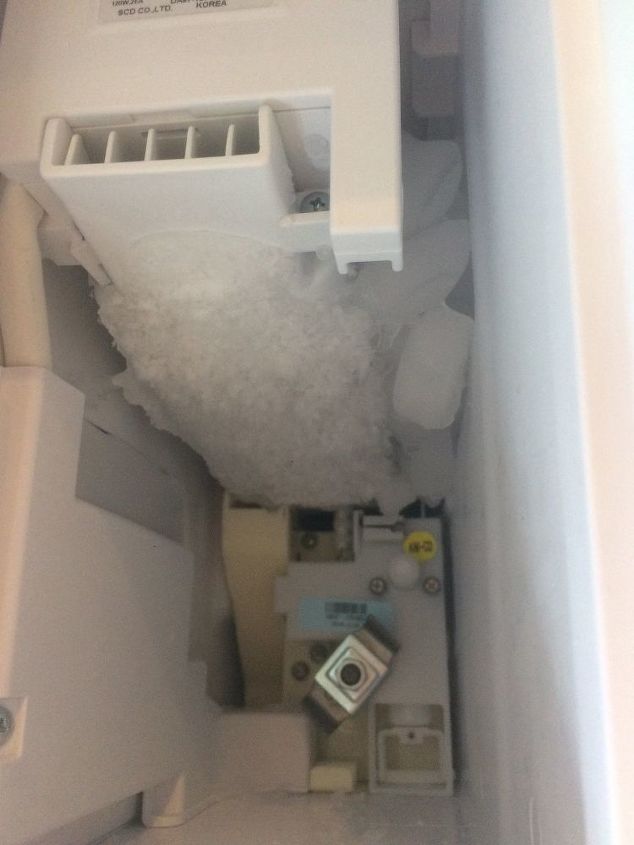
If the ice maker door seal is damaged or dirty, warm air gets inside. Warm air has moisture. When it meets the cold air, frost forms. Over time, this frost turns into thick ice, blocking the ejector arm and ice tray.
Incorrect Temperature Settings
Samsung recommends keeping the freezer at about 0°F (-18°C) and the fridge at 37°F (3°C). If your freezer is colder than needed, water inside the ice maker can freeze too quickly, causing blockages. If it’s too warm, cubes may melt slightly and refreeze, sticking together.
Water Inlet Issues
Low water pressure, a faulty water valve, or a kinked water line can cause the ice maker to drip. Even a small leak creates ice buildup over time. Sometimes, a clogged filter means less water gets through, making incomplete cubes that break apart and freeze together.
Faulty Defrost System
Most Samsung refrigerators have a built-in defrost heater for the ice maker compartment. If the heater fails, ice slowly collects and eventually jams everything.
User Habits
Leaving the freezer door open, overfilling the fridge, or using the ice maker rarely can all contribute to freezing. Even opening the door too often adds extra moisture, which can freeze inside the mechanism.
Design Flaws
Some Samsung models are more prone to freezing than others. Reports show that side-by-side and French door models often have ice maker freezing problems, especially older versions.
Below is a comparison of how different Samsung refrigerator types experience ice maker freezing:
| Refrigerator Type | Freezing Issue Frequency | Common Affected Parts |
|---|---|---|
| Side-by-Side | High | Ice chute, ejector arm |
| French Door | Medium to High | Ice tray, ice bucket |
| Top Freezer | Low | Ice tray |
| 4-Door Flex | Medium | Ice maker compartment |
Signs Your Samsung Ice Maker Is Freezing Up
Before you fix the problem, you need to know what to look for. Here are clear signs your ice maker is freezing up:
- No ice is coming out, or only a few cubes drop
- Ice cubes are stuck together or look “wet”
- The ice bucket is hard to remove or stuck
- You hear the ice maker trying to cycle but nothing happens
- Water leaks from the ice compartment
- Visible frost or solid ice blocks around the ice maker
Sometimes, the issue is silent — you notice only when the ice tastes funny or your drinks stay warm. Inspecting your ice maker every few weeks can help catch freezing problems early.

Quick Fixes: How To Unfreeze A Samsung Ice Maker
If your ice maker is already frozen, here’s how to get it working again. These steps are safe for most Samsung models, but always check your user manual first.
Power Down Safely
Unplug the refrigerator or turn off its circuit breaker. Never work on the ice maker while power is on. This prevents electrical shock and protects the appliance.
Remove The Ice Bucket
Gently pull out the ice bucket. If it’s stuck, wiggle it side to side. Do not use sharp objects — you can break the plastic or damage sensors.
Defrost The Ice Maker
There are three ways to do this:
- Manual Defrost: Leave the freezer door open for several hours. Place towels underneath to soak up water.
- Hair Dryer Method: Use a hair dryer on low heat, aiming at the ice buildup. Keep the dryer moving and at least 8 inches away to avoid melting plastic parts.
- Defrost Mode: Some Samsung fridges have a “forced defrost” setting. Usually, you press and hold the “Freezer” and “Lighting” buttons together for 8-10 seconds. The display may show “Fd” (forced defrost). Release the buttons and let the machine run its cycle.
Clean Everything
Once ice melts, wipe the area dry. Clean the ice bucket and any moving parts with warm, soapy water. Dry completely before reassembling.
Restore Power And Test
Plug the fridge back in. Wait a few hours for the ice maker to cycle. If it works, cubes should drop within 6-12 hours. If not, you may have a deeper issue.
Long-term Solutions: Preventing Samsung Ice Maker Freezing
Unfreezing is just the start. To keep your ice maker running smoothly, you need to fix the root cause. Here’s how:
- Adjust Temperature Settings: Check your freezer and fridge temperatures. Use a separate thermometer to confirm the display matches the real temperature. Set the freezer to 0°F (-18°C) and the fridge to 37°F (3°C). Avoid “Power Freeze” mode unless you need ice fast.
- Replace Or Clean Door Seals: Check the rubber gasket around the ice maker and freezer doors. If you see cracks, gaps, or dirt, clean with mild soap and warm water. Replace if damaged. A tight seal keeps warm air and moisture out.
- Change The Water Filter Regularly: A clogged filter reduces water flow, making smaller or misshapen cubes that jam the ice maker. Replace the filter every 6 months, or sooner if your water is hard or you use the ice maker heavily.
- Inspect The Water Inlet Valve And Line: Look behind your fridge. Make sure the water line is straight, not kinked. Check for leaks or drips. If you have low water pressure (below 20 psi), the valve may not work correctly. You can test pressure with a cheap gauge from any hardware store.
- Use The Ice Maker Regularly: If you rarely use the ice maker, ice can clump and freeze. Dump the ice bucket and run a test cycle every few weeks, even if you don’t need ice daily.
- Don’t Overfill The Freezer: Too much food blocks air flow, causing uneven temperatures. Leave space around the ice maker for air to circulate.
- Update The Refrigerator Firmware: Some Samsung refrigerators allow firmware updates via Wi-Fi. Newer software can fix ice maker bugs or improve defrost cycles. Check Samsung’s support site for your model.
Advanced Fixes: When Quick Solutions Fail
If your Samsung ice maker keeps freezing up after basic fixes, deeper issues may be to blame. Here’s how to handle them:
- Replace The Defrost Heater: If the defrost heater fails, ice builds up fast. You can test it with a multimeter for continuity. If broken, order a new heater for your exact model and install it (or call a technician).
- Check The Ice Maker Thermistor: The thermistor senses temperature and controls the defrost cycle. If it’s faulty, the heater won’t turn on. A bad thermistor can cause repeated freezing.
- Upgrade The Ice Maker Kit: Samsung offers repair kits for common freezing problems. These include improved heaters, new gaskets, and better insulation. Kits often fix design flaws found in older models.
- Inspect The Ice Duct And Chute: Ice sometimes blocks the duct or chute leading from the maker to the door. Remove stuck ice gently. For chronic clogs, adding insulation or a small heater wire may help.
- Call For Professional Service: If you’re stuck, call a Samsung-certified technician. Some problems require special tools or parts. If your refrigerator is under warranty, repairs may be free.
How To Tell If You Need Professional Help
DIY fixes solve most ice maker freezing problems. But if you notice any of these, call a pro:
- The refrigerator shows error codes you can’t clear
- Water leaks under the fridge, not just inside the ice maker
- You smell burning or see melted wires
- The ice maker works for only a day or two after fixing
Samsung’s official support can be found at Samsung Support.
Comparing Samsung To Other Brands
Is the Samsung ice maker freezing issue unique? Not entirely — but it’s more common than with many competitors. Here’s a side-by-side look:
| Brand | Ice Maker Freezing Rate | Typical Fix Needed |
|---|---|---|
| Samsung | High | Defrost, update kit, seal repair |
| LG | Medium | Seal cleaning, temperature check |
| Whirlpool | Low | Filter change, water valve check |
| GE | Medium | Heater repair, chute cleaning |
Samsung’s ice makers use a compact design, which saves space but can trap moisture easily. Brands like Whirlpool and LG tend to have fewer freezing complaints, though no ice maker is perfect.
Common Mistakes When Fixing A Frozen Samsung Ice Maker
Many users try to fix their ice makers but create new problems. Here are mistakes to avoid:
- Using sharp objects (like knives or screwdrivers) to break ice. This can damage sensors, plastic parts, or even cause leaks.
- Forcing the ice bucket out. If it’s stuck, melting the ice is safer than pulling hard.
- Ignoring the root cause. Simply defrosting without checking seals, filters, or water lines means the problem will return.
- Skipping regular maintenance. Cleaning and checking the ice maker every few months prevents most issues.
- Not testing the fix. Always run a few cycles and check for leaks or new ice buildup before considering the job done.

Practical Tips For Avoiding Future Freezing
Besides repairs, daily habits can make a big difference. Here are some expert tips:
- Open freezer and fridge doors only when needed.
- Don’t store warm food directly in the freezer; let it cool first.
- If away for a week or more, empty the ice bucket and turn off the ice maker.
- Check for firmware updates once a year.
- Use the ice dispenser regularly, even just to clear old cubes.
- If you live in a humid area, consider a fridge with a dual evaporator (separates fridge and freezer air).
How To Maintain Your Samsung Ice Maker
Regular maintenance prevents ice buildup and extends the life of your fridge. Here’s a simple schedule:
Weekly
- Wipe the ice chute and compartment dry
- Check for visible frost or leaks
Monthly
- Clean the ice bucket with warm, soapy water
- Inspect the door seal for dirt or damage
Every 6 Months
- Change the water filter
- Test the ice maker by running a full cycle and checking for stuck cubes
Yearly
- Vacuum refrigerator coils for better cooling
- Check for firmware updates
Keeping a log helps you spot patterns and catch issues before they become big problems.
When To Consider Replacing The Ice Maker
Sometimes, the cost or hassle of repeated repairs isn’t worth it. Here are signs you may need a new ice maker (or even a new fridge):
- The ice maker freezes up several times a year, even after fixes
- Replacement parts are hard to find or expensive
- The refrigerator is over 10 years old
- Water leaks or electrical problems occur repeatedly
A new ice maker module usually costs $100–$200, plus installation. If your fridge is old or has other issues, investing in a new model may save money and stress in the long run.
Real-world Example: Fixing A Frozen Samsung Ice Maker
Consider this scenario: Sarah owns a Samsung French Door refrigerator. For months, her ice maker worked fine. Suddenly, ice stopped dispensing, and the bucket wouldn’t budge. She unplugged the fridge, used a hair dryer to melt the ice, and cleaned everything. But within two weeks, the problem returned.
Sarah checked her freezer temperature — it was set to -8°F, far too cold. She adjusted it to 0°F, cleaned the door seal, and replaced her old water filter. She also learned her model had a known ice maker issue and ordered a Samsung repair kit with an improved heater.
After installing the kit, her ice maker worked smoothly for months.
This example shows why it’s important to combine quick fixes with long-term solutions. Missing any step means the freezing problem is likely to return.
Energy Efficiency And Frozen Ice Makers
A frozen ice maker doesn’t just waste your time. It also makes your refrigerator work harder, using more electricity. According to the U.S. Department of Energy, freezers that are too cold or have blocked airflow use up to 10% more energy than those running efficiently. That can add $20–$40 per year to your power bill. Keeping your ice maker clear saves money and helps the environment.
The Role Of Humidity In Ice Maker Freezing
Few people realize how much humidity affects ice makers. In humid climates, opening the freezer lets more moisture in. This moisture condenses and freezes, especially if the door seal isn’t perfect. Using a dehumidifier in the kitchen or running your air conditioner can help if you live in a damp area.
Table: Key Fixes And How Long They Take
Here’s a quick guide to common fixes, their difficulty, and the time required:
| Fix | Skill Level | Time Needed |
|---|---|---|
| Manual defrost | Beginner | 2–4 hours |
| Check/change filter | Beginner | 10–15 minutes |
| Clean seals/gaskets | Beginner | 10–20 minutes |
| Test water line | Intermediate | 20–30 minutes |
| Install heater kit | Advanced | 1–2 hours |
Frequently Asked Questions
Why Does My Samsung Ice Maker Freeze Up So Often?
Frequent freezing usually means a seal problem, poor temperature control, or low water pressure. Many Samsung models are more sensitive to these issues due to their compact design and location inside the fridge door.
Can I Use Hot Water To Melt The Ice In My Ice Maker?
It’s not recommended. Hot water can damage plastic parts and electronics. Use a hair dryer on low heat or leave the door open to let the ice melt slowly and safely.
How Often Should I Clean And Maintain My Samsung Ice Maker?
Clean the ice bucket and visible parts every month. Change the water filter every 6 months. Check the seals and run a test cycle at least twice a year to catch any problems early.
Is There A Permanent Fix For Samsung Ice Maker Freezing?
Some newer Samsung models have improved ice makers and better insulation. For older models, installing a Samsung repair kit or having a technician upgrade the heater and seals can offer a long-term solution. Regular maintenance is still important.
Where Can I Find Official Samsung Parts And Support?
You can order original parts and get help at Samsung Support or check authorized dealers. Always confirm your refrigerator model before buying parts.
A frozen ice maker doesn’t have to ruin your day or your refrigerator. With the right steps, you can fix the problem, keep your drinks cold, and enjoy peace of mind for years to come.