
When your freezer is cold but refrigerator is not, it can be confusing and stressful. Food in the fridge starts to spoil, but ice cream in the freezer stays rock solid. This problem is common in both old and new refrigerators. Often, the solution is not as simple as turning the temperature knob. Understanding why the freezer works but the fridge does not can save you money, time, and a lot of spoiled groceries.
Let’s explore the real reasons behind this issue, how to diagnose it, and what you can do to fix it. We’ll also discuss when to call a professional and share practical tips to keep your refrigerator running smoothly.
How Refrigerators Work: The Basics
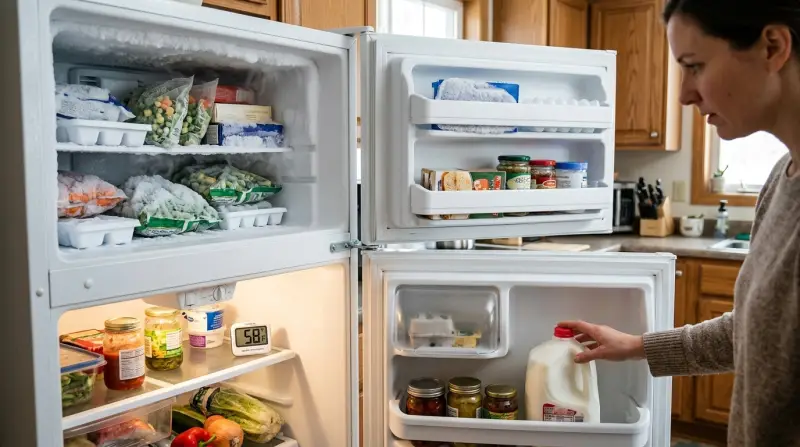
A refrigerator has two main sections: the freezer and the fresh food compartment (fridge). Most home refrigerators use a single cooling system. Here’s a simple breakdown:
- The compressor pumps cold refrigerant through coils.
- The cold air is first sent to the freezer.
- A fan or vent system moves some of this cold air into the fridge.
- The temperature controls regulate how much cold air goes to each section.
If the freezer is cold but refrigerator is not, it means the cooling system works, but something stops the cold air from reaching the fridge section.
Common Causes: Why Freezer Works But Refrigerator Fails
Several things can cause this problem. Let’s look at the most frequent reasons:
1. Blocked Air Vents
The cold air vent between the freezer and refrigerator can get blocked by food, ice, or debris. When this happens:
- Cold air can’t flow from freezer to fridge.
- The freezer stays cold, but the fridge warms up.
2. Frost Or Ice Buildup
Sometimes, frost or ice can block the air passage. This usually happens if:
- The door is left open often.
- The defrost system is faulty.
- There is high humidity in the kitchen.
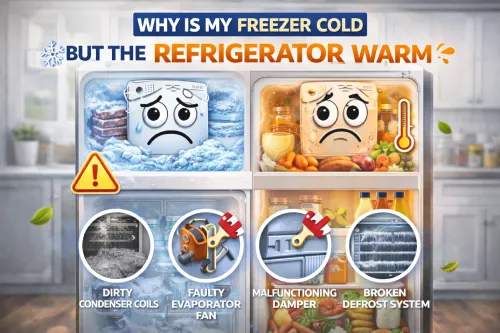
3. Faulty Evaporator Fan
The evaporator fan moves cold air from the freezer to the fridge. If this fan fails:
- The freezer stays cold because it’s directly cooled.
- The fridge doesn’t get enough cold air.
Signs of a bad fan include unusual noises or silence when the door is open.
4. Defective Defrost System
Modern refrigerators have an automatic defrost system. It melts any ice forming on the coils. If it fails:
- Ice will build up, blocking airflow.
- The freezer temperature stays low, but the fridge gets warm.
5. Damper Control Problems
The damper is a small door that controls how much cold air passes from the freezer to the fridge. If it’s stuck closed or broken:
- The fridge won’t get cold air.
- The freezer works as usual.
6. Dirty Or Blocked Condenser Coils
Condenser coils release heat from your refrigerator. If they get dirty:
- The compressor works harder.
- Cooling efficiency drops, often affecting the fridge first.
7. Temperature Control Issues
Sometimes, the thermostat or the temperature control board fails. If the fridge sensor is broken:
- The fridge section may not cool at all.
- Freezer may continue to operate normally.
8. Door Seal Leaks
A damaged door gasket lets warm air into the refrigerator section. The freezer, being colder and often better sealed, keeps working.
Diagnosing The Problem: Step-by-step
You don’t need to be an expert to check the basics. Here’s how you can figure out what’s wrong:
- Check the temperature settings: Make sure both freezer and fridge controls are set to recommended levels (usually 0°F for freezer, 37-40°F for fridge).
- Listen for the fan: Open the fridge door. If you don’t hear a gentle fan sound, the evaporator fan might be the issue.
- Look for frost or ice: Check the back wall of the freezer for thick ice.
- Inspect the air vents: Make sure nothing blocks the vents inside the fridge and freezer.
- Check the door seals: Run your hand around the fridge door. If you feel cold air leaking, replace the seal.
- Examine the condenser coils: Usually located at the back or underneath, these should be dust-free.
If you have a thermometer, place it in both compartments to confirm the temperature difference.
What You Can Fix Yourself
Some refrigerator problems are easy to solve without a technician. Here are a few you can try:
Unblocking Air Vents
If food items are pressed against the back wall or air vents, rearrange them. Leave space around vents for good airflow.
Defrosting The Freezer
If you see ice buildup, do a manual defrost:
- Unplug the refrigerator.
- Remove food and store in a cooler.
- Leave doors open for several hours.
- Clean up any melted water.
Plug it back in. If the fridge works again, a faulty defrost system is likely.
Cleaning Condenser Coils
Use a vacuum or coil brush to remove dust and dirt from the coils. This improves efficiency and may restore proper cooling.
Testing The Door Gasket
Close the door on a piece of paper. If you can pull the paper out easily, the seal is weak and needs replacing.

Credit: bscappliancerepair.com
Problems That Need A Technician
Some repairs are best left to professionals:
- Replacing a defective fan motor
- Fixing the defrost heater or timer
- Repairing or replacing the damper control
- Diagnosing electrical issues with the control board
- Sealing refrigerant leaks or recharging refrigerant
Trying to do these yourself can be risky and may void your warranty.
Cost Comparison: Diy Vs Professional Repair
Here’s a quick comparison of what you might pay:
| Issue | DIY Cost | Professional Repair Cost |
|---|---|---|
| Unblocking Air Vents | $0 | $80–$150 |
| Manual Defrost | $0 | $100–$200 |
| Replace Door Seal | $20–$50 | $100–$250 |
| Evaporator Fan Motor | $30–$60 | $150–$350 |
DIY fixes are often much cheaper, but know your limits to avoid causing more damage.

Credit: www.youtube.com
How To Prevent Refrigerator Cooling Problems
Prevention is better than repair. Here’s how you can avoid the issue:
- Don’t overfill: Cramming food into the fridge blocks air circulation.
- Allow air flow: Keep vents clear inside both compartments.
- Clean coils twice a year: This keeps the compressor from overworking.
- Check door seals regularly: Replace if cracked or loose.
- Set correct temperatures: Use a thermometer to double-check.
- Close doors quickly: Don’t let cold air escape for long periods.
When To Replace Your Refrigerator
Sometimes, constant repairs are a sign your fridge is at the end of its life. Consider replacing your unit if:
- It’s more than 12–15 years old.
- Repair costs are more than half the price of a new fridge.
- Energy bills are rising due to poor efficiency.
- You see frequent or multiple failures.
Modern refrigerators are much more energy efficient. According to the U.S. Department of Energy, replacing an old fridge can save $50–$100 per year in electricity costs.
Real-life Example: A Family’s Fridge Failure
The Johnsons noticed their milk spoiled quickly, but their ice cream was hard as a rock. They found frost on the back wall of the freezer. After unplugging and defrosting the unit, it worked for a few days, then the problem returned.
A technician found the defrost timer had failed, causing ice to block air flow. Replacing the timer fixed the problem for good.
Insight: If you have to defrost your fridge often, the automatic defrost system is likely broken.
Common Myths About Refrigerator Cooling
There are many myths about why fridges fail. Here are two that often confuse owners:
- “If the freezer works, the compressor is fine, so it can’t be a big problem.”
In reality, airflow issues or a broken fan can cause this specific problem even if the compressor is healthy.
- “Turning the fridge colder will fix it.”
This can make the freezer colder but often does nothing for the fridge if airflow is blocked.
Quick Reference: Troubleshooting Chart
Here’s a handy chart to help you identify the problem:
| Symptom | Possible Cause | Action |
|---|---|---|
| Freezer cold, fridge warm | Blocked vent, failed fan, ice buildup | Check vents, listen for fan, defrost |
| Frost on freezer wall | Defrost system failure | Manual defrost, call technician |
| Warm air leaking around door | Bad door seal | Replace gasket |
Advanced Troubleshooting Tips
For those comfortable with a bit more hands-on work:
- Test the fan: Press the door switch to see if the fan turns on.
- Check the damper: Find the damper between freezer and fridge. If it doesn’t move when adjusting temp, it may be stuck or broken.
- Use a multimeter: Test continuity on the fan motor or defrost heater if you know how.
Non-obvious tip: If you hear clicking from the back of the fridge, the defrost timer may be stuck.
When To Get Professional Help
Don’t hesitate to call a technician if:
- DIY fixes don’t solve the problem.
- You see sparks, smoke, or smell burning.
- The fridge is making loud, strange noises.
- Water is leaking onto the floor.
Trying complex repairs without experience can be dangerous and often costs more in the long run.
Energy Efficiency And Food Safety
A refrigerator that’s not cooling properly wastes energy and risks your health. According to the FDA, food kept above 40°F for more than two hours can grow harmful bacteria. Use a thermometer to check your fridge’s temperature regularly.
Credit: www.beaconsaves.com
Trusted Information And Further Reading
For more technical details and troubleshooting guides, visit the Consumer Reports Refrigerator Repair Guide.
Frequently Asked Questions
Why Is My Freezer Cold But The Fridge Is Warm?
This usually means cold air isn’t reaching the fridge. Common reasons are blocked vents, failed fans, or frost buildup in the air passage.
How Long Should A Refrigerator Last?
Most fridges last 12 to 15 years. Old models may last longer but use more energy and need more repairs.
Is It Safe To Keep Food In A Warm Refrigerator If The Freezer Is Still Cold?
No. Food can spoil quickly if the fridge is above 40°F. Move perishable items to a working refrigerator or cooler with ice.
Can I Fix A Warm Refrigerator Myself?
You can try simple fixes like defrosting, cleaning coils, or unblocking vents. For electrical or mechanical failures, call a technician.
How Do I Know If The Defrost System Is Broken?
If ice builds up again soon after defrosting, the automatic defrost system is likely faulty. Look for frost on the back wall of the freezer.
A refrigerator that’s cold in the freezer but not in the fridge is fixable if you know where to look. By understanding the causes, performing basic checks, and knowing when to call for help, you can keep your food safe and your appliance running efficiently.