
As the evening sets in, many homes and businesses rely on dusk to dawn light bulbs for automatic outdoor lighting. These smart bulbs sense the ambient light and turn on at sunset, then switch off at sunrise. The convenience is clear—no need to remember switching lights on or off. They help improve security, save energy, and make properties more welcoming. Yet, despite the promise, dusk to dawn bulbs often bring unexpected challenges. If you’ve installed one and noticed odd behavior, flickering, or early burnout, you’re not alone.
In this article, you’ll discover the most common dusk to dawn light bulb problems, their causes, and practical solutions. We’ll also compare different types, share troubleshooting tips, and answer the most frequent questions so you can get the best performance from your automatic outdoor lighting.
How Dusk To Dawn Light Bulbs Work
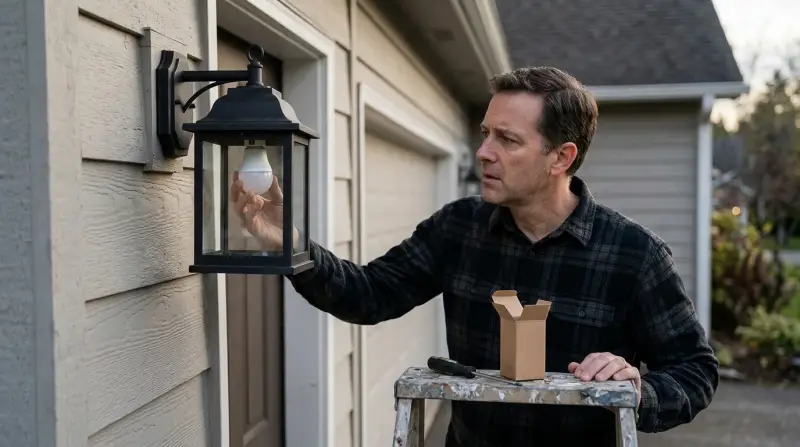
Understanding the basics helps you spot issues early. Dusk to dawn light bulbs use built-in sensors, most commonly photocells. A photocell detects natural light levels. When it senses darkness (dusk), the bulb turns on. When daylight returns (dawn), it shuts off.
Some newer models use motion sensors or connect to smart home systems, but most rely on the classic photocell. Here’s a quick look at the main technology:
| Type | How It Works | Common in |
|---|---|---|
| Photocell Sensor | Measures ambient light, switches bulb on/off | Most outdoor bulbs |
| Motion Sensor | Detects movement, activates bulb | Security lights |
| Smart Bulb | Controlled via app, timer, or schedules | Smart home setups |
The design sounds simple, but small changes in the environment or wiring can cause headaches.
Most Common Dusk To Dawn Light Bulb Problems
Even the best dusk to dawn bulbs can face issues. Here are the most frequently reported problems and why they happen:
1. Flickering Or Blinking
Flickering is one of the most frustrating problems. It often happens for these reasons:
- Voltage fluctuations: Inconsistent power supply can make sensors act unpredictably.
- Dirty or blocked sensor: If the photocell is covered by dirt, spider webs, or leaves, it may misread light levels.
- Incompatible fixtures: Some older lamp fixtures or enclosed housings trap heat and block light, confusing the sensor.
2. Bulb Turns On And Off Repeatedly
This “cycling” is usually caused by:
- Reflected light: If the bulb’s own light reflects onto the sensor (from a wall or shiny surface), it may think it’s daylight and switch off. Then, as the sensor goes dark, it turns on again.
- Sensor placement: Poor design or installation may expose the sensor to artificial light.
3. Bulb Stays On All Day
A dusk to dawn bulb that never turns off may have:
- Sensor failure: The photocell is stuck in “dark” mode due to age, moisture, or damage.
- Incorrect installation: Some bulbs need a specific orientation for the sensor to face the outside. If installed facing inward or upward, the sensor won’t detect daylight correctly.
4. Bulb Never Turns On
If your bulb stays dark all night:
- Sensor covered or blocked: Paint, dust, or a fixture cover may block light from reaching the sensor.
- Wiring issues: Loose connections or incorrect wiring can prevent power.
- Bulb failure: Like any LED or CFL, dusk to dawn bulbs can burn out, especially if exposed to heat or moisture.
5. Short Lifespan
Many dusk to dawn bulbs promise 15,000–25,000 hours. But some fail after just a few months. Common causes:
- Overheating: Enclosed fixtures trap heat, which damages electronics.
- Power surges: Unstable electricity can shorten life.
- Poor quality bulbs: Low-cost brands may cut corners on components.
Troubleshooting Dusk To Dawn Light Bulb Problems
If you experience any of the above, don’t rush to replace the bulb. Try these steps first:
Check The Sensor
- Clean the sensor gently with a soft cloth. Dust or spider webs can confuse light readings.
- Ensure the sensor faces outward and isn’t blocked by a fixture or plant.
Assess Fixture Compatibility
Some dusk to dawn bulbs are not designed for enclosed fixtures. Heat buildup can cause flickering or premature failure. Check the packaging—if it says “not for enclosed fixtures,” move the bulb to an open one.
Look For Reflected Light
If the bulb turns on and off rapidly, look for nearby surfaces reflecting light onto the sensor. Try moving the bulb, angling the fixture differently, or using a less reflective paint nearby.
Test Power Supply
Use another working bulb to check if the socket is providing stable power. Voltage fluctuations often come from old wiring or overloaded circuits.
Replace With A High-quality Bulb
If problems persist, consider replacing your bulb with a reliable brand. Cheaper bulbs often skimp on components, leading to early failures.
Comparing Dusk To Dawn Bulbs: What Matters?
There are many dusk to dawn bulbs on the market. Here’s how different options stack up on key features:
| Feature | Basic Bulb | Premium Bulb | Smart Bulb |
|---|---|---|---|
| Sensor Type | Photocell | Upgraded Photocell | App-controlled + Photocell |
| Average Lifespan | 8,000 hrs | 20,000 hrs | 25,000+ hrs |
| Fixture Compatibility | Open only | Some enclosed | Most types |
| Price (approx.) | $4–$8 | $10–$20 | $20–$40 |
| Warranty | 1 year | 2–3 years | 2+ years |
Non-obvious tip: The best bulb is not always the most expensive. For a single porch light, a mid-range bulb often delivers the best value.
Outdoor Environment Challenges
Outdoor conditions can affect dusk to dawn bulbs in ways many buyers miss.
- Weather: Rain, snow, or extreme heat can damage sensors and electronics, especially if the bulb or fixture isn’t rated for wet locations.
- Insects: Bugs often gather around lights, sometimes covering sensors or causing overheating.
- Moisture: Even a small leak in a fixture can cause rust or short circuits over time.
Pro insight: If your area has harsh weather, look for bulbs rated “wet location” or “outdoor use.” Installing a weatherproof fixture or adding a simple rubber gasket can extend bulb life.
Preventing Common Mistakes
Many first-time users make avoidable errors that lead to dusk to dawn bulb problems. Here’s how to avoid them:
- Wrong bulb for the fixture: Always check if your fixture is open or enclosed, and buy bulbs made for that style.
- Incorrect installation: Align the sensor properly—most work best when facing outward.
- Mixing sensor types: Don’t use a dusk to dawn bulb in a fixture that’s already controlled by a timer or photocell. The two sensors can fight each other, causing cycling.
- Ignoring voltage: Older homes may have unstable voltage. Using a surge protector can help protect sensitive bulbs.
Hidden insight: Many people forget to check the fixture’s wattage rating. Using a high-wattage bulb in a low-rated fixture can cause overheating or fire hazards.
When To Replace Vs Repair
Sometimes, fixing the problem is possible. Other times, replacement is best.
- Replace the bulb if it’s old, has visible damage, or has failed despite clean power and correct installation.
- Replace the fixture if it’s rusty, cracked, or lets in water.
- Repair wiring if you notice flickering with multiple bulbs in the same area. Call a qualified electrician.
Energy Savings And Security Benefits
One of the key reasons for using dusk to dawn bulbs is energy efficiency. By only lighting up at night, they cut electricity usage. According to the U.S. Department of Energy, outdoor lighting accounts for up to 15% of a household’s electricity. Switching to automatic LED bulbs can cut that cost by 50–80%.
But the benefits go beyond bills. Security is another advantage. Well-lit entrances and driveways discourage trespassers. Studies show that good outdoor lighting can reduce burglary risk by up to 39% in some neighborhoods.
How To Choose The Right Dusk To Dawn Bulb
Picking the best bulb means balancing a few factors:
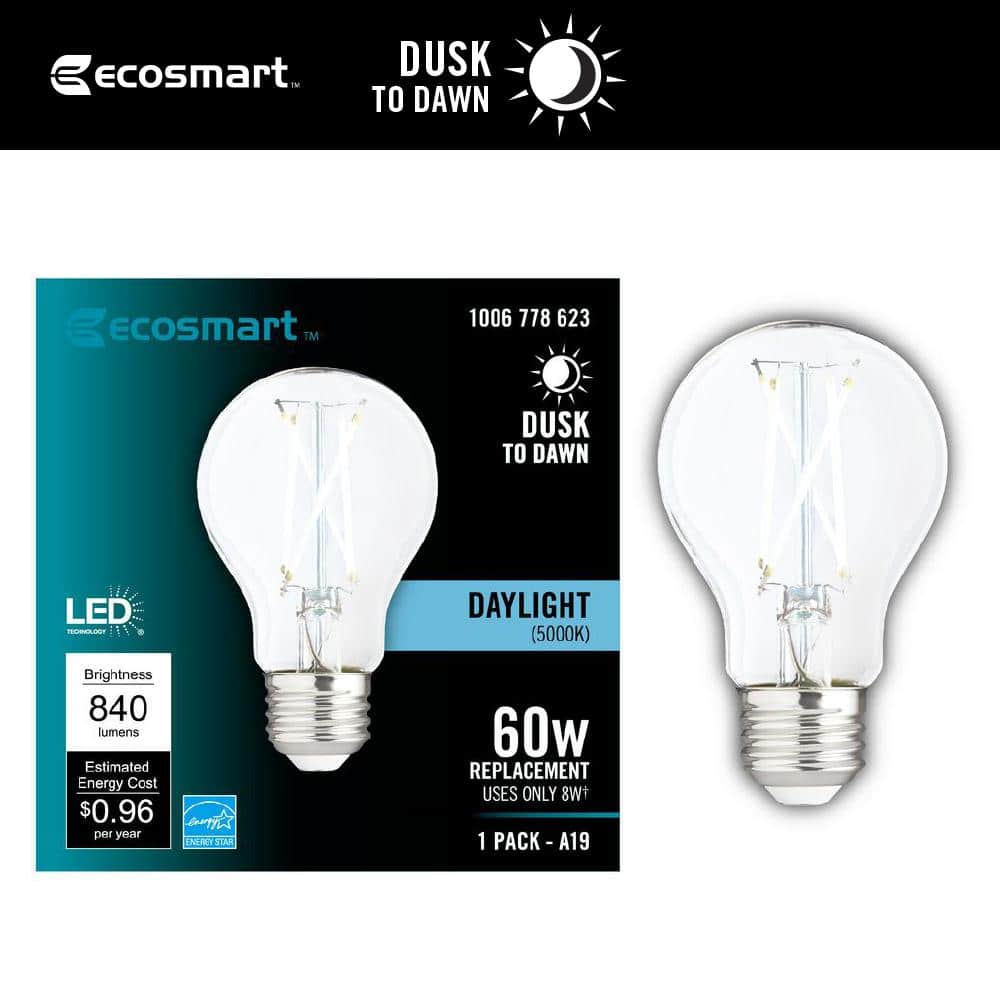
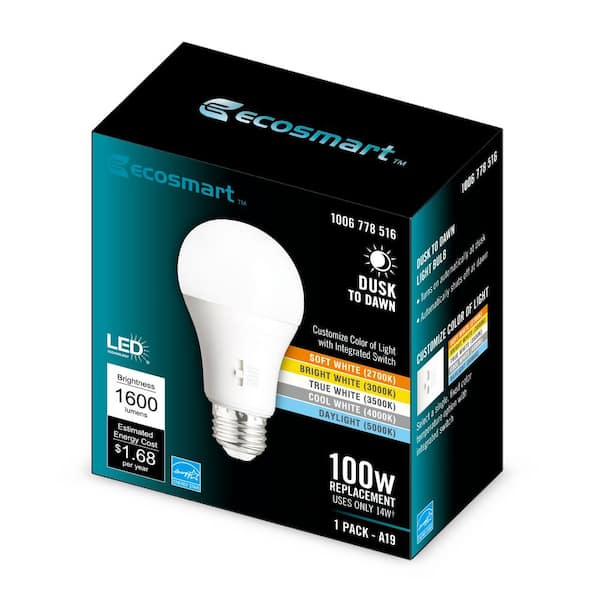
- Brightness: Measured in lumens. For porches, 800–1000 lumens is usually enough. For driveways, you may want 1200+.
- Color temperature: “Warm white” (2700K–3000K) is inviting. “Cool white” (4000K–5000K) is better for security.
- Sensor quality: Look for bulbs with shielded or upgraded sensors, especially if you have lots of reflected light or weather exposure.
- Brand reputation: Reviews and warranty length matter. A longer warranty often signals better quality.
- Outdoor rating: Make sure it says “outdoor” or “wet location” if it’s exposed to weather.
Real-world Example
Consider “Sarah,” who installed two dusk to dawn bulbs on her garage. The first week, both worked fine. Then one started flickering, and the other stayed on all day. After cleaning the sensors and moving a shiny trash can away from the light, both bulbs worked perfectly.
She realized that environmental factors—like reflections and dirt—were affecting the sensors, not the bulbs themselves.

Latest Trends In Dusk To Dawn Lighting
Technology is improving fast. Some of the newest dusk to dawn bulbs offer:
- Wi-Fi control: Change settings from your phone.
- Adjustable sensitivity: Fine-tune when the bulb switches on or off.
- Integration with smart home systems: Link to Alexa, Google Home, or Apple HomeKit.
According to a 2023 market report, the global smart lighting market is projected to reach $27 billion by 2027, with dusk to dawn bulbs as a key growth area. This means better products and more features are coming soon.
For more in-depth technical information, check the U.S. Department of Energy’s Outdoor Lighting Guide.
Frequently Asked Questions
Why Does My Dusk To Dawn Bulb Flicker At Night?
Flickering can be caused by dirty sensors, voltage fluctuations, or using the bulb in an enclosed fixture that traps heat. Clean the sensor and try the bulb in an open fixture. If the problem continues, check for power issues or replace the bulb with a higher-quality brand.
Can I Use A Dusk To Dawn Bulb Indoors?
Most are designed for outdoor use, but you can use them indoors if the sensor gets enough natural light. However, indoor lights may not turn on/off as expected due to artificial lighting or limited sunlight.
How Long Do Dusk To Dawn Bulbs Last?
Quality LED models typically last 15,000 to 25,000 hours. Lifespan depends on factors like power stability, fixture type, and weather exposure. Cheap bulbs may fail sooner.
Is It Safe To Use A Dusk To Dawn Bulb In A Fully Enclosed Fixture?
Not all bulbs are made for enclosed fixtures. Heat buildup can cause early failure or even fire hazards. Always check the packaging for compatibility.
Can I Use A Dimmer Switch With Dusk To Dawn Bulbs?
Most dusk to dawn bulbs are not dimmable. Using a dimmer can cause flickering or damage the sensor. Choose a bulb specifically labeled “dimmable” if you need that feature.
Even with a few quirks, dusk to dawn light bulbs offer real convenience and safety. By understanding the common problems, how to avoid them, and how to choose the right bulb, you can enjoy worry-free outdoor lighting from sunset to sunrise.