
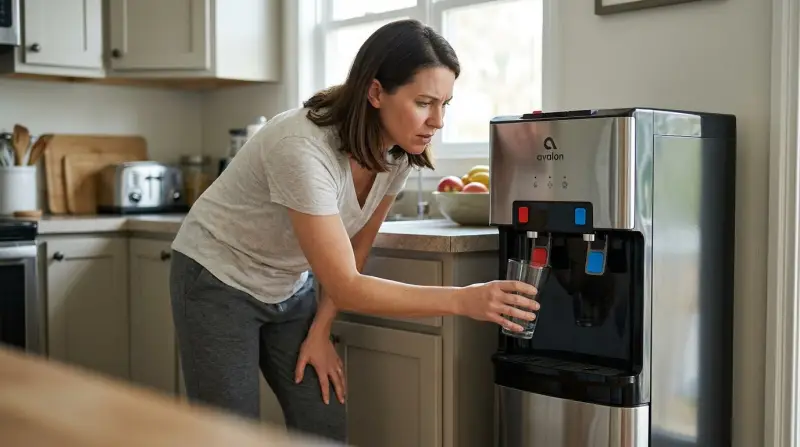
When your Avalon Water Dispenser Cold Water Not Working, the cause is usually a simple power setting or ice buildup in the cooling tank. Often, the unit is functioning correctly but has entered a protective mode or was switched off. Check the power switches on the back or see if the cooling indicator light is dark. If there is no power, the fix is often as easy as flipping a switch or resetting the circuit breaker.
Fixing an Avalon Water Dispenser Cold Water Not Working
| Cause | How common | How to confirm it | Fix it yourself? |
|---|---|---|---|
| Power switch off | Very common | Check rear toggle | Yes |
| Ice buildup | Common | No water flow | Yes |
| Thermal overload | Occasional | No light/no hum | Yes |
| Faulty outlet | Occasional | Test other device | Yes |
| Internal leak | Rare | Water on floor | No |
| Compressor failure | Rare | Warm back panel | No |
Most users assume a mechanical failure when the unit stops, but 80% of service calls stem from the switch or ice. If you find no water flow but hear the motor running, you have an ice blockage.
If the unit remains dead despite a confirmed power source, check the thermal overload relay. This component trips when the compressor overheats from poor ventilation. If the back panel feels hot to the touch, move the unit four inches away from the wall to allow airflow.
Never attempt a compressor repair yourself. These systems contain pressurized refrigerant that requires professional handling. If you see water pooling under the unit, unplug it immediately to prevent electrical shorts.
Safety: Inside a mains-powered machine, the parts behind the outer cover can hold a dangerous electrical charge even after it has been unplugged — that’s why they sit behind a cover. Opening the housing, or testing or replacing anything behind it, is a job for a qualified technician, never a home repair.
Power status and switch settings
The most frequent reason for a lack of cold water is that the rear cooling switch has been accidentally toggled to the off position. Avalon dispensers typically feature two distinct power switches on the back panel, usually colored red for heat and green or blue for cold. When the cooling switch is in the off position, the compressor doesn’t engage, and the water remains at room temperature.
To verify this, look at the back of your unit. If the switch is in the “O” position, it’s off. Press it to the “I” position to restore power to the cooling system. If the switch is already on, check the front indicator lights. If the cooling light isn’t illuminated, the unit may not be receiving power from the wall. Ensure the power cord is pushed firmly into the wall outlet. If you suspect an electrical fault, test the wall socket by plugging in a small lamp or a phone charger to confirm it’s live. If the outlet works but the dispenser does not, the issue lies within the machine’s internal wiring or control board. Never attempt to open the internal housing of the appliance to inspect electrical components. If the unit remains unresponsive after ensuring power is supplied, it’s time to contact the manufacturer for guidance.
Ice blockage in the cooling tank
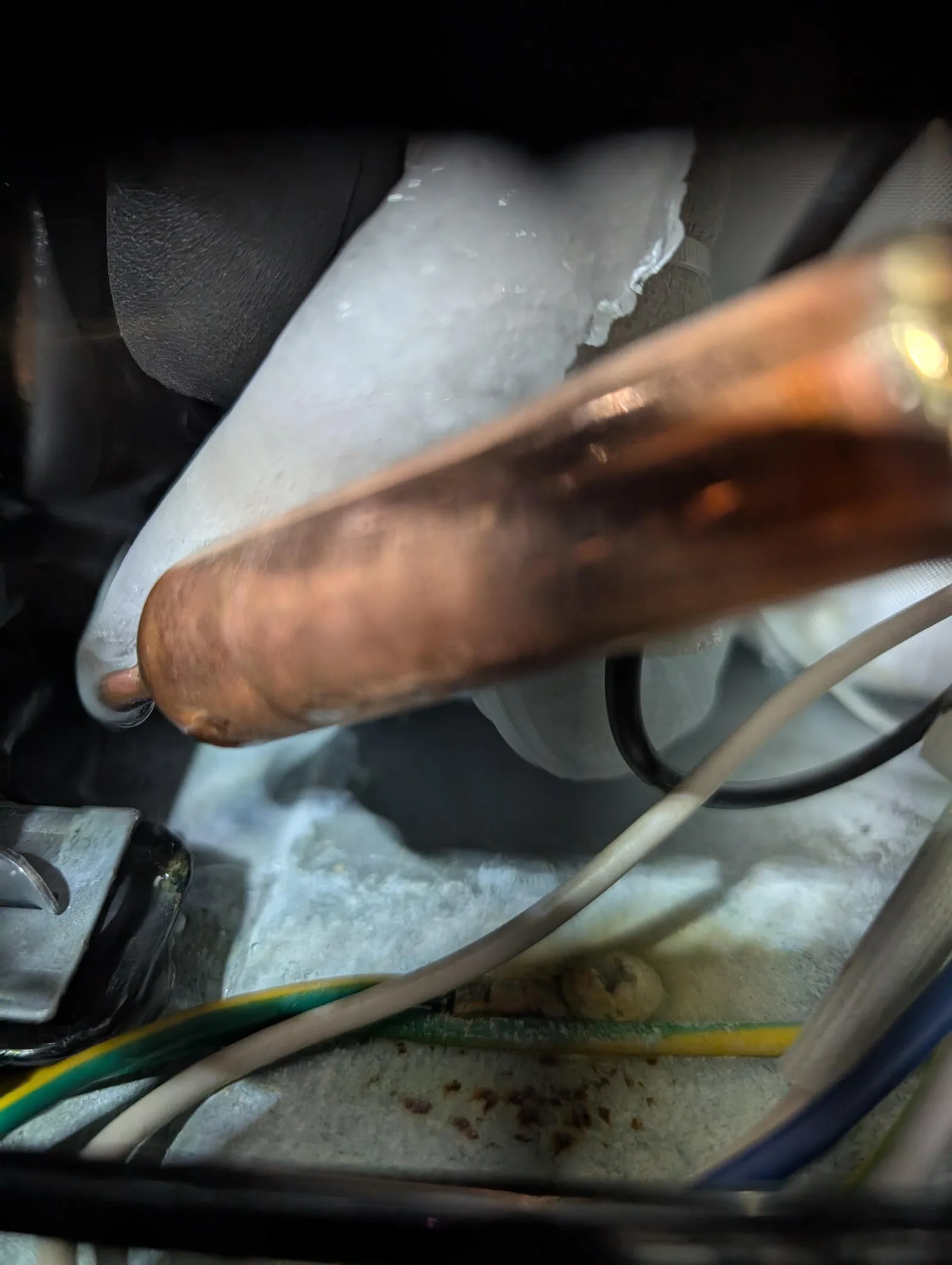
An ice blockage occurs when the thermostat malfunctions or when the water flow rate is too low, causing the water inside the reservoir to freeze solid. This is a common issue if the unit has been running for a long time without a break or if the room temperature is significantly cooler than the recommended operating range. You can tell if this is the cause because the cold water tap will produce either a slow drip or no water at all, even when the tank should be full.
To confirm this, turn off the cooling switch on the back of the unit and unplug the device. Leave the unit undisturbed for at least 6 to 8 hours to allow any internal ice to melt completely. Don’t attempt to force the ice out with a tool, as this will damage the internal cooling coils. After the waiting period, plug the unit back in and switch the cooling function on. If the water flows normally after the thawing process, the issue was simply a frozen reservoir. If the water continues to be warm after the thaw, the thermostat may be set incorrectly or the sensor may have failed. This varies by model—check the label on the back of your unit for the specific temperature range it’s designed to maintain. If the water is still not cold after 24 hours of operation, you have likely reached the limit of what you can safely repair at home.
Thermal overload and safety resets
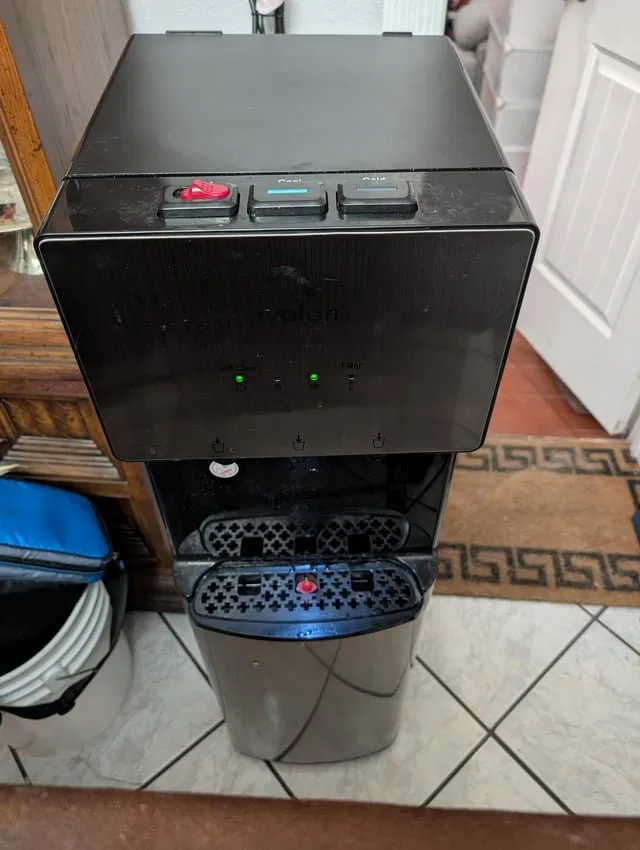
A thermal overload happens when the compressor gets too hot and triggers a safety mechanism to prevent the motor from burning out. This is a trade-off between protecting the machine and providing constant cooling; the unit shuts down to save its own components. This often happens if the dispenser is pushed too close to a wall, which blocks the airflow necessary for the compressor to vent heat.
You can tell if this is the issue because the back of the unit will feel exceptionally hot to the touch, and the compressor will be completely silent. To fix this, move the dispenser at least 6 inches away from the wall to improve ventilation. Unplug the unit and let it sit for at least 1 hour to allow the compressor to cool down. Once the temperature has dropped, plug the unit back in and see if the compressor kicks on with a faint hum. If the unit continues to overheat even with proper clearance, there may be dust clogging the condenser coils on the back. You can safely vacuum the exterior of these coils using a brush attachment. However, if the compressor fails to start after it has cooled down, this indicates a mechanical failure. This is who this is NOT for: anyone without professional training shouldn’t attempt to replace a compressor or handle refrigerant gases. If the motor is dead, the cost of a professional repair often exceeds the value of the unit, making a replacement the most sensible financial decision.
The less likely causes
- Low refrigerant levels: The compressor runs but never gets cold, indicating a leak in the sealed system that requires a certified technician to handle.
- Failed cold water thermostat: The sensor fails to signal the compressor to turn on, which requires a specific replacement part that isn’t designed for user installation.
- Damaged water lines: A kinked or cracked internal tube prevents water from reaching the cooling tank, which is identifiable by water pooling inside the base cabinet.
- Main control board failure: The digital display or logic board stops sending signals to the cooling system, which is a complex repair that voids your warranty if you open the casing.
What a fix usually involves
Fixing an Avalon dispenser typically involves simple external adjustments rather than complex mechanical repairs. If the problem is a power issue, the cost is nothing more than your time spent checking cords and switches. If the issue is ice buildup, the cost is the patience required to let the unit thaw for several hours. When a part is actually broken, such as a thermostat or a control board, the fix usually involves ordering a replacement component directly from the manufacturer.
The price of these parts is usually a small fraction of the cost of a new unit, but you must factor in the labor if you aren’t comfortable performing the swap yourself. Always check the manufacturer’s official website for your specific model number to ensure you’re buying the correct part. If you’re unsure about the cost, compare the price of the replacement part against the current market price of a new unit. If the repair requires opening the internal housing, it’s almost always more cost-effective to seek a professional quote from a local appliance repair shop rather than attempting a risky DIY fix.
Frequently asked questions
Can I use a hair dryer to melt the ice faster?
No, you should never use a hair dryer or any heat source to melt ice inside your water dispenser. The intense, concentrated heat can melt the plastic reservoir or damage the sensitive internal seals. Always allow the unit to thaw naturally by unplugging it and waiting for several hours. Using external heat sources is a common mistake that often leads to permanent, non-repairable damage to the unit.
Is it safe to leave the cold water switch on all the time?
Yes, it’s perfectly safe to leave the cooling switch in the “on” position during normal use. The unit is designed to cycle the compressor on and off automatically to maintain the set temperature. Keeping the switch on ensures you always have access to cold water without needing to wait for the system to cycle every time you want a glass.
Why is the water lukewarm instead of cold?
The water is likely lukewarm because the compressor hasn’t had enough time to cycle or because the ventilation is blocked. If you have recently refilled the bottle, the new water needs time to reach the target temperature. If the unit has been running for more than 4 hours and the water is still not cold, check for obstructions around the back of the unit.
How long does the cooling process take?
About 1 to 2 hours is the standard time required for a full tank of water to reach the target cold temperature after the unit is first plugged in. If you have just performed a thaw or a deep clean, the water will be room temperature initially. Always wait for the full duration before assuming the cooling system isn’t working correctly.
Does it matter if I use a different brand of water bottle?
No, it doesn’t matter which brand of water you use as long as the bottle is the correct size for your model. Avalon dispensers are designed to accept standard 3-gallon or 5-gallon water bottles. Using a damaged or deformed bottle can sometimes interfere with the air intake, so ensure the bottle neck isn’t cracked or warped before placing it on the unit.
What happens if I keep using it while it’s leaking?
If you continue to use a leaking dispenser, you risk significant water damage to your flooring and potential electrical shorts. A leak often indicates a cracked internal water line or a seal failure. You should immediately unplug the unit, remove the water bottle, and mop up any standing water to prevent mold growth or damage to your home.
Final Thoughts
If these adjustments don’t restore your chilled water, it’s time to reach out to the manufacturer’s support team for further guidance. They’ll help you determine if a internal component needs professional attention. Don’t hesitate to contact them soon, so you can get back to enjoying a refreshing, icy drink at home.
Related guides
- Culligan Water Dispenser Not Working
- Brio Water Dispenser Not Working? Quick Fixes and Solutions
- Primo Water Dispenser Not Working: Quick Fixes and Solutions