
A sudden power outage can be stressful for anyone, but when your chest freezer is not working after power outage ends, it can quickly turn into a bigger problem. You may worry about losing valuable food, facing costly repairs, or even replacing the whole unit. But before you panic, it’s important to understand why this happens, what steps you can take, and how you might prevent it in the future.
Why Chest Freezers May Fail After A Power Outage
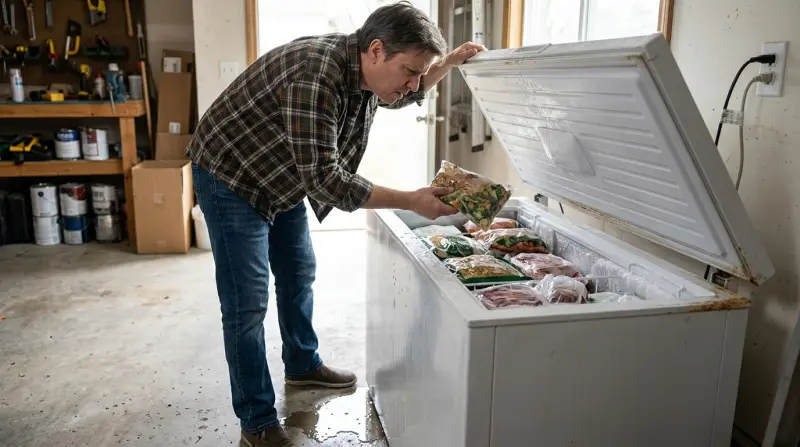
Most chest freezers are built to handle minor interruptions. However, some specific issues can cause them to stop working after the power comes back. Understanding these reasons can help you troubleshoot more confidently.
- Electrical surge or spike: When power returns, a surge can damage the freezer’s control board, compressor, or start relay.
- Tripped circuit breaker: The sudden draw of power as everything restarts may trip a breaker.
- Faulty start relay or capacitor: These parts help the compressor start. If they fail, the freezer won’t cool.
- Compressor overload: Some freezers have a thermal overload switch that can trip after a surge.
- Loose or damaged wiring: Vibrations during the outage or surge can loosen connections.
- Outdated or sensitive control board: Modern freezers sometimes have fragile electronics that fail during outages.
Many people overlook the role of power quality. Not all homes have stable voltage. If your area often experiences “brownouts” (low voltage), your freezer’s electronics may wear out faster.
First Steps: What To Do Immediately
If your chest freezer is not running after the power comes back, don’t rush to call a repair service. Taking a few smart steps first can save you time and money.
- Unplug the freezer. Wait 5-10 minutes before plugging it back in. This gives overloaded components a chance to reset.
- Check the outlet. Plug in a lamp or phone charger to see if the outlet works. Sometimes, only one part of a circuit is dead.
- Inspect the circuit breaker. Look for any tripped breakers in your fuse box and reset them if necessary.
- Listen for sounds. When you plug the freezer in, listen for humming, clicking, or silence. A hum means the compressor is trying to start; silence often means no power or a dead relay.
- Check the power cord. Examine it for damage or burn marks.
- Look for indicator lights. Some models have lights that show power or errors. Note any blinking patterns.
Taking these steps can help you quickly find simple problems and often fix them yourself.
Common Problems And How To Fix Them
Several issues are more likely after a power outage. Here’s how to spot and address them.
Tripped Circuit Breaker Or Blown Fuse
After an outage, the sudden power return can trip a breaker. If your freezer shares a circuit with other appliances, this is even more likely.
- Solution: Reset the breaker or replace the fuse. If it trips again, unplug other devices on the same circuit.
Damaged Start Relay Or Capacitor
The start relay and start capacitor help the freezer’s compressor begin running. A power surge can burn these out.
- Symptoms: Freezer is silent, or you hear repeated clicks but no humming.
- Solution: If you’re comfortable with basic repairs, unplug the freezer, remove the relay (usually a small box on the compressor), and shake it. If it rattles or smells burnt, replace it. Otherwise, call a technician.
Compressor Overload
Many chest freezers have a thermal overload protector. After a surge, this switch may trip and keep the compressor off to prevent damage.
- Symptoms: Freezer is warm, silent, and may have a faint burning smell.
- Solution: Unplug the unit for 30 minutes. This allows the overload switch to reset. Plug it back in and listen.
Fried Control Board
Modern freezers often have a small control board. This can be damaged by voltage spikes.
- Symptoms: No lights, no sounds, or strange blinking error codes.
- Solution: If you can access the board, check for burnt marks or leaking components. Most boards can be replaced, but this is best left to professionals.
How To Tell If Your Freezer Needs Professional Repair
It’s not always easy to know when a chest freezer can be fixed at home or needs a technician. Here are some tips to help you decide.
| Symptom | Try at Home | Call a Pro |
|---|---|---|
| Tripped breaker | Yes | No |
| Damaged cord | Yes (replace cord) | Yes (if unsure) |
| No power at all | Yes (check outlet/breaker) | Yes (possible board issue) |
| Repeated clicking | Yes (check relay) | Yes (replace relay/compressor) |
| Loud buzzing, no cooling | No | Yes |
If in doubt, it’s safer to call a qualified appliance technician. Attempting repairs on compressors or control boards can be risky and may void your warranty.
What Happens To Food During A Freezer Failure
One of the biggest worries is what happens to your food if the chest freezer is not working after a power outage. Here’s what you need to know:
- A full freezer stays cold longer: If unopened, a full chest freezer can keep food safely frozen for 48 hours; a half-full freezer, about 24 hours.
- Do not open the lid: Every time you open the freezer, warm air enters and speeds up thawing.
- Check food temperature: If food still has ice crystals or is below 40°F (4°C), it’s safe to refreeze or cook.
- Smell and appearance: If anything smells off or looks strange, it’s safer to throw it away.
Here’s a quick reference for food safety:
| Food Type | If Still Frozen/Ice Crystals | If Completely Thawed |
|---|---|---|
| Meat, poultry | Refreeze or cook | Cook immediately if below 40°F |
| Ice cream | Refreeze | Discard |
| Vegetables | Refreeze or cook | Cook if below 40°F; discard if above |
| Bread, baked goods | Refreeze | Safe to eat if not moldy |
For more detailed food safety information, visit the USDA Food Safety and Inspection Service.
How To Prevent Future Freezer Problems
While you can’t always control power outages, you can reduce the risk of freezer failure. Here are some effective strategies:
- Surge protector: Use a heavy-duty surge protector designed for appliances. It can stop surges from reaching your freezer.
- Dedicated circuit: Put your freezer on its own circuit. This prevents overload when other appliances turn on.
- Regular maintenance: Clean the coils and check the door seal twice a year.
- Test the outlet: Use a simple outlet tester every few months to check for wiring issues.
- Keep freezer full: A full freezer holds cold longer and works more efficiently.
- Install a temperature alarm: These inexpensive devices alert you if the freezer warms up unexpectedly.
- Consider a backup generator: If you live in an area with frequent outages, a small generator can keep your freezer running.

Credit: www.youtube.com
Real-world Example: A Case Study
Maria lives in Texas, where storms often cause short blackouts. One morning after a night without power, her chest freezer would not start. She first checked the outlet and breaker—both were fine. Next, she unplugged the freezer for ten minutes, then plugged it back in.
She heard a single click but no hum.
Because she had read about start relays, she checked the relay on the compressor. It rattled when shaken—a sign of failure. She bought a new relay for $20 online, replaced it herself, and the freezer worked again. This simple step saved her food and the cost of a new freezer.
Many people do not realize that replacing a start relay is often easier and cheaper than calling a repair service. If Maria had not taken these steps, she might have lost hundreds of dollars’ worth of food.
Common Myths About Freezers And Power Outages
There’s a lot of confusing advice online. Here’s what you should know:
- Myth: All freezers survive outages without damage. In reality, modern freezers with electronic controls are more vulnerable to surges.
- Myth: You must wait 24 hours before restarting. Most freezers can be restarted after 5–30 minutes, unless the manual says otherwise.
- Myth: Food is always unsafe after an outage. If you keep the lid closed, food often stays frozen for many hours.
Signs Your Freezer Is Working Again
After you finish repairs or reset the freezer, look for these signs:
- Compressor hums gently
- Interior feels colder after 2–4 hours
- Frost or ice builds up slowly
- Indicator lights (if present) show normal operation
If you see water or hear no sound after several hours, further troubleshooting is needed.
When Replacement Is A Better Option
Sometimes, repairing a chest freezer is not worth the cost. Here’s when you should consider buying a new one:
- The unit is over 10–12 years old.
- The compressor is dead (repair often costs more than replacement).
- Multiple parts are damaged (control board, compressor, wiring).
- The freezer is leaking coolant (not safe to repair at home).
Modern chest freezers are more energy-efficient and often come with better surge protection.
Credit: www.whirlpool.com
Cost Comparison: Repair Vs Replacement
Here’s a rough comparison of average costs in the US:
| Issue | DIY Cost | Professional Repair | New Freezer |
|---|---|---|---|
| Start relay | $15–$35 | $75–$150 | $250–$600+ |
| Control board | $60–$120 | $150–$300 | $250–$600+ |
| Compressor | Not recommended | $300–$500 | $250–$600+ |
If repair costs approach 50% of the price of a new freezer, replacement is usually the better choice.
Two Insights Most People Miss
- Power surges often do more damage than the outage itself. Installing a surge protector is a cheap way to avoid many common failures.
- Not all chest freezers are the same. Older models may survive outages better because they have fewer electronics. Newer “smart” freezers can be more sensitive to power problems.
Frequently Asked Questions
Why Does My Freezer Run But Not Get Cold After A Power Outage?
This usually means the compressor is running, but there may be a problem with the cooling system—like a leak or blocked coils. Sometimes, the start relay is damaged, so the compressor can’t build up enough pressure to cool.
How Long Will Food Stay Safe In A Chest Freezer Without Power?
A full chest freezer stays cold for about 48 hours if you keep the lid closed. A half-full freezer stays cold for around 24 hours. Always check food temperature before eating.
Will A Power Outage Ruin My Chest Freezer?
A single outage rarely ruins a freezer, but power surges can damage electronics or the compressor. Using a surge protector and doing regular maintenance helps prevent problems.
Can I Repair A Chest Freezer Myself After An Outage?
You can try simple fixes like resetting the breaker, checking the outlet, or replacing a start relay. For complex parts like the compressor or control board, it’s safer to call a professional.
What Should I Do With Thawed Food After A Freezer Failure?
If food still has ice crystals or is cold (below 40°F/4°C), you can refreeze or cook it. If it’s warm or smells bad, throw it out to avoid food poisoning.
Power outages are common, but with the right knowledge, you can protect your chest freezer, save money, and keep your food safe. If you’re ever unsure, don’t hesitate to call a trusted appliance repair expert.