
If your Samsung washer with VRT technology is acting up, you’re not alone. These machines are known for their quiet operation and advanced vibration reduction, but like any appliance, they sometimes have problems. Washer issues can disrupt your daily routine and lead to frustration. The good news? Most common Samsung VRT washer problems can be solved at home with a little guidance and basic tools. This guide will show you how.
In this article, you’ll learn how to spot, diagnose, and fix the most frequent issues with your Samsung VRT washer. Whether you’re dealing with loud noises, error codes, drainage problems, or spinning troubles, you’ll find clear steps and practical tips here.
You’ll also discover insider advice to prevent problems before they start—so your laundry stays easy, not stressful.
Understanding Samsung Washer Vrt Technology
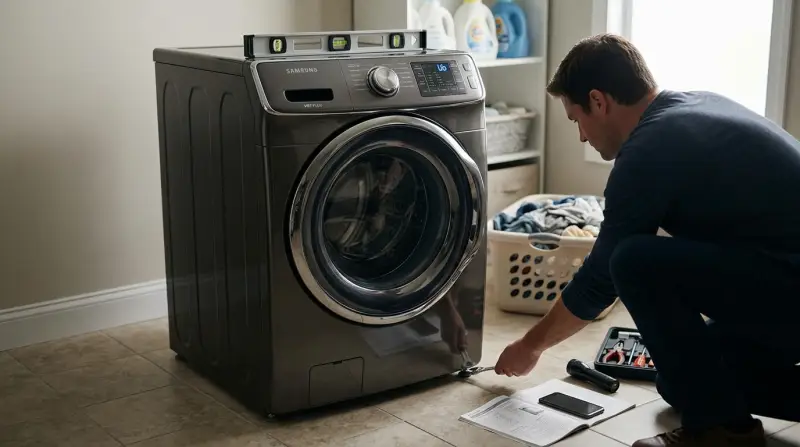
Samsung’s Vibration Reduction Technology (VRT) is designed to minimize washer movement and noise. By balancing loads and reducing vibrations, VRT washers can be installed on upper floors or near living spaces without causing a racket. But the advanced technology also means more parts that can occasionally fail or need adjustment.
How VRT Works:
- Sensors inside the washer detect unbalanced loads.
- The drum adjusts speed and direction to distribute clothes evenly.
- Shock absorbers and dampers reduce movement during spin cycles.
- The result: Quieter operation and less vibration, even at high speeds.
Why Troubleshooting Is Important:
VRT technology is robust, but if the washer isn’t working as it should, the machine might shake, stop mid-cycle, or display error codes. Regular troubleshooting keeps your washer efficient and extends its lifespan.
Safety First: Preparing To Troubleshoot
Before you start troubleshooting your Samsung VRT washer, always put safety first. Unplug the machine and turn off the water supply. Wear protective gloves if you’ll be handling sharp or heavy parts. If you’re unsure, it’s better to call a professional.
Essential tools you might need:
- Phillips and flathead screwdrivers
- Needle-nose pliers
- Small flashlight
- Bucket or towels (for leaks)
- Multimeter (for electrical checks)
Common Samsung Washer Vrt Problems
Let’s look at the issues most Samsung VRT washer owners face. We’ll break down how to spot these problems and walk you through fixing them.
1. Washer Won’t Start
You hit the power button, but nothing happens. This can be alarming, but the cause is often simple.
Possible causes:
- Power cord not connected
- Tripped circuit breaker
- Door not fully closed
- Control panel issues
What to do:
- Check the power cord and outlet.
- Reset the circuit breaker.
- Make sure the door clicks shut.
- If the panel lights up but won’t start, try unplugging the washer for 1 minute and plugging it back in.
Non-obvious tip:
Sometimes, a child lock or delay start is activated. Check for a lock icon or timer on the display.
2. Washer Is Noisy Or Vibrating
Samsung VRT washers should be quiet. If yours is shaking or making loud noises, something’s wrong.
Possible causes:
- Machine not level
- Shipping bolts not removed (on new washers)
- Overloaded or unbalanced load
- Worn drum bearings or shock absorbers
How to check:
- Place a level on top of the washer. Adjust the feet until it’s even.
- For new machines, check the back for shipping bolts—they must be removed.
- Wash smaller, evenly distributed loads.
Expert insight:
Over time, shock absorbers can wear out, especially if the washer is used heavily. If leveling doesn’t help, these parts may need replacing.
3. Washer Won’t Drain
If water stays in the drum after a cycle, you may have a drainage issue.
Common reasons:
- Clogged drain filter
- Blocked or kinked drain hose
- Faulty drain pump
How to fix it:
- Locate the drain filter (usually at the front bottom panel).
- Place a towel and a shallow pan under the filter.
- Twist open the filter and clean out any debris.
- Inspect the drain hose for kinks or blockages.
- Run a drain/spin cycle to test.
Extra tip:
If your washer is stacked or in a tight space, use a long zip tie or flexible grabber to remove deep clogs from the hose.
4. Washer Won’t Spin Or Spins Slowly
Your clothes are still soaking wet after the cycle.
Possible causes:
- Unbalanced load
- Faulty door latch
- Drive belt issues
- Motor problems
Steps to diagnose:
- Open the washer, redistribute the load, and run the cycle again.
- If nothing changes, listen for a click when you close the door. No click may mean a bad latch.
- For belt or motor issues, you may hear a humming sound but see no drum movement.
Pro insight:
If you hear a burning smell, stop the washer immediately—this could mean a failed motor or belt.
5. Washer Leaks Water
Leaks can cause floor damage and electrical risks.
Check for:
- Loose water supply hoses
- Damaged door gasket
- Blocked detergent drawer
- Overuse of detergent (causes suds overflow)
What to do:
- Tighten or replace inlet hoses.
- Inspect the door seal for tears or mold. Clean or replace as needed.
- Remove and rinse the detergent drawer.
- Use HE (high-efficiency) detergent and measure carefully.
Hidden detail:
Small leaks under the washer could be from a blocked drain filter or a cracked tub—these are often missed.
6. Washer Displays Error Codes
Samsung VRT washers display error codes to help you pinpoint problems.
Common codes and what they mean:
| Error Code | Meaning | What to Do |
|---|---|---|
| ND | No Drain | Check filter, hose, pump |
| UE | Unbalanced Load | Redistribute laundry, level washer |
| LE | Water Leak | Check hoses, door seal |
| 4E | No Water Inlet | Open water valve, check hoses |
| 5E | Drainage Error | Clean drain filter |
| DC | Unbalanced Load | Rearrange clothes |
| DE | Door Error | Check door latch |
If you see a code not listed above, check your user manual or Samsung’s official website for a full list.
7. Washer Smells Bad
A musty or sour smell is a common complaint.
Causes:
- Mold or mildew in drum or gasket
- Detergent buildup
- Standing water in filter
How to fix:
- Run a self-clean or hot wash cycle with washing machine cleaner or white vinegar.
- Wipe the door gasket and drum after every use.
- Leave the door open to air out the drum.
Non-obvious prevention:
Remove the detergent drawer monthly and clean it thoroughly—detergent residue is a hidden source of odor.
Step-by-step Troubleshooting For Popular Issues
Let’s walk through how to troubleshoot the most common Samsung VRT washer problems.
Fixing A Washer That Won’t Start
- Check Power: Confirm the washer is plugged in and the outlet works. Plug in another device to test.
- Reset Circuit: Flip the breaker off and on if it’s tripped.
- Control Lock: Look for a lock icon on the panel. Hold the “Child Lock” button (or similar) for 3 seconds to disable.
- Door Latch: Push the door until you hear a click.
- Unplug and Reset: Unplug the washer for 1 minute, then plug it back in and try again.
Stopping Excessive Noise And Vibration
- Level the Washer: Adjust the feet until the washer sits flat.
- Remove Shipping Bolts: On new units, check the back for large bolts and remove them.
- Check the Load: Wash smaller loads and balance heavy items.
- Inspect Shock Absorbers: If the washer still shakes, these parts may need replacement.
Solving Drainage Problems
- Clean the Drain Filter: Open the small access door at the front, twist out the filter, and rinse it.
- Check the Hose: Make sure it’s not bent, kinked, or clogged.
- Test the Pump: Run a drain-only cycle and listen for pump noise. Silence may mean the pump is faulty.
Resolving Spin Issues
- Redistribute Load: Rearrange clothes and run a spin cycle.
- Check Door Lock: If the door won’t latch, the washer won’t spin.
- Inspect Drive Belt: For advanced users, unplug the washer, remove the back panel, and check if the belt is loose or broken.
Fixing Leaks
- Tighten Hoses: Use pliers to gently tighten water connections.
- Inspect Gasket: Look for mold, tears, or trapped objects.
- Clean the Drawer: Remove and clean the detergent drawer monthly.
- Use Correct Detergent: Always use HE detergent to prevent excess suds.
Preventive Maintenance For Samsung Vrt Washers
Regular care can prevent many issues and keep your washer running smoothly.
Monthly Tasks
- Clean the drum with a washer cleaner or hot cycle.
- Wipe the gasket and detergent drawer.
- Leave the door open after use for airflow.
Every 6 Months
- Check and clean the drain filter.
- Inspect hoses for bulges, cracks, or leaks.
Annually
- Level the washer if you notice vibration.
- Check shock absorbers for wear.
If you have pets, clean the drain filter more often. Pet hair can clog the system quickly.
When To Call A Professional
Not every problem can (or should) be fixed at home. If your Samsung VRT washer:
- Trips circuit breakers repeatedly
- Shows persistent error codes after resetting
- Leaks from the bottom even after hose and seal checks
- Makes burning smells or loud grinding noises
It’s time to call a qualified appliance repair technician. Attempting advanced repairs (like replacing motors or control boards) without experience can be dangerous and may void your warranty.
Warranty Check:
If your washer is less than a year old, repairs may be covered. Contact Samsung support and have your model and serial numbers ready.

Credit: www.youtube.com
Comparing Common Vrt Washer Issues
Here’s a side-by-side look at the most common problems, their symptoms, and how often they occur.
| Problem | Typical Symptoms | How Common | DIY Fix? |
|---|---|---|---|
| Noisy/Vibrating | Loud thumping, movement | Very common | Yes (often) |
| Not Draining | Water left in drum | Common | Yes |
| Not Spinning | Wet clothes | Moderate | Sometimes |
| Leaking | Water on floor | Moderate | Yes |
| Won’t Start | No response | Less common | Yes |
Real-world Example: Diagnosing A Vrt Washer That Won’t Drain
Let’s say your Samsung VRT washer shows a 5E error code and water won’t drain. Here’s a clear way to approach it:
- Unplug the washer.
- Open the drain filter access panel (usually at the lower front).
- Place a shallow pan and towel underneath.
- Unscrew the filter—pull out and remove lint, coins, or other debris.
- Check inside the filter housing with a flashlight for hidden items.
- Inspect the drain hose for blockages.
- Reassemble and run a drain cycle.
This fix solves drainage issues in 80% of cases. If the washer still won’t drain, the pump may need professional repair.
Beginner’s insight:
Many people forget to check inside the filter housing itself—small socks or hair ties can hide beyond the filter and block drainage.
What Makes Samsung Vrt Washers Different?
VRT is not just a marketing term; it’s a specific set of features that set these washers apart.
- Sensors detect imbalances and adjust the spin pattern.
- Heavy-duty shock absorbers keep the washer stable.
- Direct drive motors (in newer models) are quieter and more efficient.
How this impacts troubleshooting:
Because of these features, problems that cause noise or vibration may be different from older washer models. For example, unbalanced loads are detected and corrected more often, but if the sensors or shock absorbers wear out, you may see persistent error codes and shaking.
Common Buyer Mistakes With Samsung Vrt Washers
- Not removing shipping bolts. New owners sometimes forget to remove these, causing loud vibration and potential damage.
- Using regular detergent. Always use HE detergent—regular types make too many suds and can damage the washer.
- Ignoring maintenance. Skipping filter cleaning can lead to bad smells and drainage problems.
- Overloading the drum. Too many clothes can unbalance the load and damage internal parts.
- Placing washer on uneven floors. Always level your washer for best results.
Cost Comparison: Diy Fixes Vs. Professional Repairs
Wondering whether to call a technician or fix it yourself? Here’s a quick look at typical costs.
| Repair Type | DIY Cost | Professional Cost | Skill Level |
|---|---|---|---|
| Clean drain filter | $0 | $75–$150 | Beginner |
| Replace inlet hose | $15–$30 | $100–$180 | Beginner |
| Replace drive belt | $20–$40 | $120–$200 | Intermediate |
| Replace shock absorber | $35–$80 | $140–$300 | Intermediate |
| Replace drain pump | $45–$120 | $180–$350 | Advanced |
DIY costs are for parts only; professional costs include labor. Attempt only repairs you feel confident about.
Additional Tips For Long-lasting Performance
- Avoid liquid fabric softeners—they can build up inside the drum.
- Use the right cycle for the type of laundry.
- Check pockets before washing—coins and pins can damage the drum or clog the filter.
- Update your washer’s software (for smart models) to fix bugs and improve efficiency.
- Register your product with Samsung for faster support and recall information.
Insider advice:
If your washer is under warranty, don’t start repairs without checking coverage. Unauthorized DIY fixes could void your warranty.

Where To Find Samsung Washer Vrt Parts And Manuals
- Samsung official support site: Find manuals, troubleshooting guides, and warranty info.
- Online appliance parts stores: Search by model number for genuine parts.
- Local appliance repair shops: Some offer used or discounted parts.
For more technical details, see the Samsung Official Support site.
Frequently Asked Questions
What Does Vrt Mean On My Samsung Washer?
VRT stands for Vibration Reduction Technology. This feature uses sensors and special parts to reduce vibration and noise, giving you a quieter wash—even on higher floors or near living spaces.
Why Does My Samsung Vrt Washer Keep Showing Ue Or Dc Codes?
Both UE and DC codes mean your washer has detected an unbalanced load. This usually happens if heavy items are washed alone or clothes are bunched on one side. Stop the cycle, rearrange the laundry evenly, and restart.
How Often Should I Clean The Drain Filter On My Samsung Vrt Washer?
It’s best to clean the drain filter every 1–2 months. If you wash items with a lot of lint, pet hair, or sand, check more often. A clogged filter can cause drainage errors and bad smells.
Can I Use Regular Detergent In A Samsung Vrt Washer?
No, always use HE (high-efficiency) detergent. Regular detergent can cause too many suds, leading to poor performance and possible damage to the washer.
What Should I Do If My Samsung Vrt Washer Still Isn’t Working After Troubleshooting?
If you’ve tried all the basic steps and the washer still has problems especially if you see error codes, hear loud noises, or notice leaks contact Samsung support or a qualified technician. Some issues need special tools and training to repair safely.
Your Samsung VRT washer is a smart, reliable appliance, but even the best machines need care and attention. With the steps above, you can solve most common problems and keep your laundry routine running smoothly. Remember, a little maintenance goes a long way toward a quiet, trouble-free washer.