
When you find a circuit breaker is on but no power to the outlet, it can be both confusing and frustrating. This issue is common in homes and offices, often causing people to worry about electrical safety or expensive repairs. The good news is, with a bit of knowledge and a careful approach, you can often figure out what’s wrong or at least know what to tell an electrician. Understanding the possible causes and solutions can save you time, money, and stress. In this article, you’ll learn why this problem happens, how to troubleshoot it safely, and when to call a professional.
How Circuit Breakers And Outlets Work Together
To fix the problem, it’s helpful to know how your electrical system operates. Circuit breakers are safety devices in your electrical panel. They stop electricity from flowing when there is too much current, which could cause wires to overheat or start a fire. Outlets are points where you plug in appliances or devices.
When a breaker is on, electricity should flow to the outlet. If you have no power but the breaker is not tripped, something is interrupting the path from the panel to the outlet.
Here’s a simple flow:
- Power source: Electricity comes from your utility company to your main panel.
- Breaker: The breaker controls electricity to a specific area or room.
- Wiring: Wires carry the electricity to outlets.
- Outlet: Electricity is available for your use.
If any part of this path fails, your outlet won’t work, even if the breaker is on.
Most Common Reasons For No Power At The Outlet
There are several reasons why you might face this problem. Some are simple, while others need expert help.
Loose Or Damaged Wires
Wires can become loose over time due to vibrations, heat, or poor installation. If a wire in the outlet box or at another point along the circuit comes loose, it will break the connection. Damaged wires from rodents or accidental drilling can also cause this.
Tripped Gfci Outlet
A GFCI (Ground Fault Circuit Interrupter) outlet protects you from electric shock. If it detects a problem, it shuts off power. Sometimes, outlets in bathrooms, kitchens, garages, or outside areas are protected by a GFCI elsewhere (even in another room). If the GFCI is tripped, all outlets “downstream” lose power.
Faulty Outlet
Outlets wear out over time. The metal contacts inside may break or burn out, stopping power from passing through. Old or low-quality outlets are more likely to fail.
Backstabbed Wires
Some electricians push wires into small holes in the back of outlets (backstabbing) instead of using the screws. Backstabbed connections are less secure and more likely to fail, especially after a few years.
Broken Or Disconnected Neutral Wire
Electricity needs a complete loop to work. If the neutral wire (usually white) is disconnected or broken anywhere in the circuit, the outlet will not have power, even if the breaker is on.
Shared Circuits And Daisy Chaining
Many homes have outlets wired in a chain (daisy-chained). If an outlet earlier in the chain fails, all outlets after it lose power.
Defective Circuit Breaker
It’s rare, but sometimes the breaker itself is faulty. The switch may appear “on,” but inside, it’s broken and not allowing electricity to flow.
Hidden Junction Box Or Subpanel Issues
Older homes may have hidden junction boxes or subpanels. If a connection in one of these is loose or corroded, you might lose power to several outlets.
Burnt Or Melted Wires
High current or a loose connection can cause wires or terminals to heat up and melt. This often leaves burn marks or a burnt smell near the outlet.
Switch-controlled Outlets
Some outlets are controlled by a wall switch. If the switch is off, the outlet won’t have power—easy to miss if you don’t know about it.
Step-by-step Troubleshooting Guide
Before doing anything, remember: Safety first. If you are not comfortable working with electricity or unsure, call a licensed electrician.
Check For Simple Causes
- Make sure the device you are plugging in works by testing it in another outlet.
- Make sure the wall switch (if any) is on.
- Turn the breaker off and then back on firmly. Sometimes a breaker looks on but is actually tripped.
Look For Tripped Gfci Outlets
- Search for GFCI outlets in bathrooms, kitchens, garages, basements, and outside. Press the “reset” button.
- Check all GFCI outlets, even in rooms where the dead outlet is not located.
Inspect Nearby Outlets
- Test other outlets in the same room or nearby rooms.
- If several outlets are dead, the problem is likely upstream (closer to the breaker).
Examine The Outlet
Only do this if you are comfortable and have turned off the breaker:
- Remove the outlet cover and look for loose, burnt, or broken wires.
- See if wires are backstabbed instead of attached to the screws.
- If wires are loose, turn off the breaker and reattach them securely to the screw terminals.
Test The Outlet
Use a non-contact voltage tester or a plug-in tester. These are inexpensive and easy to use. They will tell you if there is any power, if the outlet is wired correctly, or if the hot/neutral is reversed.
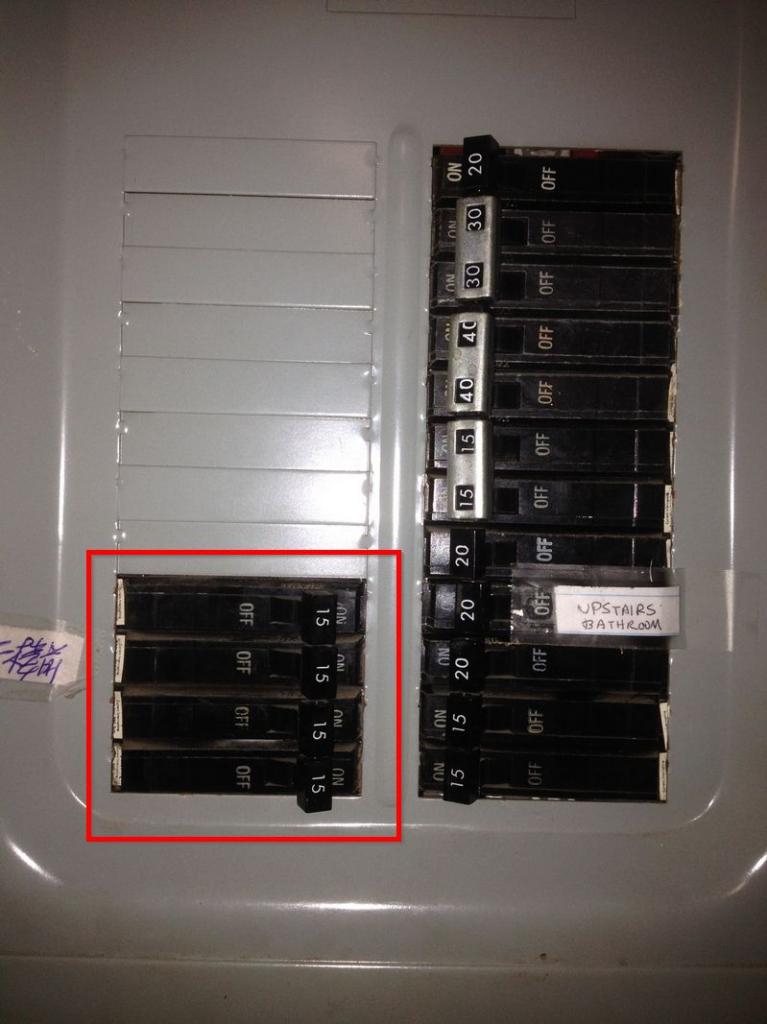
Inspect The Breaker Panel
- Look for a breaker that feels loose or is warm to the touch (a sign it might be failing).
- Make sure the breaker is fully seated.
- If you have a multimeter and know how to use it, test voltage at the breaker.
Check For Hidden Junction Boxes
If none of the above works and you have an older home, hidden junction boxes or splices could be the problem. These are harder to find and usually need a pro.
When To Call An Electrician
- If you see burnt wires, smell burning, or find melted insulation.
- If you cannot find the problem after basic checks.
- If you are uncomfortable with electrical work.
Data And Examples: How Often Do These Problems Occur?
Problems with outlets and breakers are common, especially in older homes. According to the National Fire Protection Association (NFPA), electrical failures cause over 46,000 home fires in the US each year. Many are due to wiring issues, overloaded circuits, or old outlets.
Here’s a simple comparison of common causes and how often homeowners report them:
| Cause | Approx. Frequency (%) | Difficulty to Fix |
|---|---|---|
| Loose wires | 25% | Medium |
| Tripped GFCI | 20% | Easy |
| Faulty outlet | 18% | Medium |
| Defective breaker | 5% | Hard |
| Other | 32% | Varies |
The most common issues are loose wires and tripped GFCI outlets, both of which you can often fix yourself.
What Tools And Equipment Do You Need?
If you decide to check the outlet or breaker, you’ll need some basic tools:
- Non-contact voltage tester: Checks for live wires without touching them.
- Screwdriver: For removing outlet covers and outlets.
- Plug-in outlet tester: Shows if the outlet is wired correctly.
- Multimeter: For advanced users, to test voltage and continuity.
Here’s a quick comparison of the main tools:
| Tool | Purpose | Safety Level | Cost (approx.) |
|---|---|---|---|
| Non-contact tester | Detects voltage | Very safe | $10-$20 |
| Plug-in tester | Tests outlet wiring | Very safe | $7-$15 |
| Multimeter | Measures voltage, continuity | Safe if used correctly | $20-$60 |
| Screwdriver | Removes covers/outlets | Safe | $5-$15 |
Always double-check that the breaker is off before touching wires.
Non-obvious Insights Most People Miss
Many homeowners overlook the following important points:
- GFCI outlets can control multiple standard outlets, even in different rooms. You might have a dead outlet in the living room, but the GFCI is in a bathroom.
- Loose neutral wires are less obvious than hot wires but just as important. A neutral wire can come loose in a different outlet or junction box, breaking the circuit beyond that point.
Another frequent mistake is not resetting the breaker fully. Some breakers need to be pushed all the way to “off” before you can turn them back “on” and restore power.

What Not To Do
- Do not use extension cords as a permanent fix.
- Never work on live wires.
- Don’t ignore a burnt smell or signs of heat; these are fire risks.
- Avoid replacing outlets or breakers if you’re not certain of the cause.
When Should You Replace, Repair, Or Call A Professional?
If you find a loose wire or a tripped GFCI, you can often fix it yourself. Replace outlets only if you are confident in your skills. For hidden problems, burnt wires, or repeated breaker trips, call a licensed electrician. This is not just for safety but also for insurance and code compliance.
Preventing Outlet Power Problems
A little prevention can stop many outlet issues:
- Have outlets checked every few years in older homes.
- Avoid overloading circuits with too many high-wattage devices.
- Replace old outlets every 10-15 years, especially in high-use areas.
- Label breakers and GFCIs for easy troubleshooting next time.
If you want to learn more about electrical safety and codes, the National Fire Protection Association is an excellent resource.
Frequently Asked Questions
Why Is There No Power To The Outlet Even When The Breaker Is On?
This usually means there is a problem with the wiring, a tripped GFCI somewhere, a faulty outlet, or sometimes a bad breaker. Check for tripped GFCIs first, then look for loose wires.
Can A Bad Outlet Affect Other Outlets?
Yes. If outlets are daisy-chained, a bad or loose connection in one can cut power to all outlets further down the line.
Is It Dangerous To Use A Non-working Outlet?
A dead outlet itself isn’t dangerous, but the cause might be. For example, burnt wires or loose connections can start a fire. Always investigate the reason.
How Can I Tell If The Breaker Is Bad?
If the breaker looks on but no power flows (and you have checked all wiring and outlets), the breaker may be faulty. Sometimes it feels loose or is warm to the touch. Testing with a multimeter can help, but call a professional if unsure.
Should I Replace An Outlet Myself?
You can replace a standard outlet if you are comfortable and turn off the power first. However, if you find burnt wires, melted parts, or are unsure, call an electrician.
When the circuit breaker is on but no power to the outlet, a bit of detective work and safety can often solve the problem. Start with simple checks and only go deeper if you are confident and have the right tools. Most problems are minor and easy to fix, but always respect electricity. Knowing the likely causes and solutions helps you stay safe, save money, and get your power back on quickly.
2 thoughts on “Circuit Breaker is on But No Power to the Outlet? Fix It Fast”