
Choosing the right sand can make a huge difference in your outdoor projects. Whether you’re building a backyard patio or creating a safe play area for kids, two common options come up: paver sand and play sand. At first glance, they might look similar, but they serve very different purposes. Using the wrong type can lead to frustration, wasted money, and even safety issues. Understanding the differences between paver sand and play sand helps you make the best choice for your project, avoid common mistakes, and get results that last.
What Is Paver Sand?
Paver sand, also called jointing sand or polymeric sand (when mixed with additives), is a special sand used to fill gaps between paving stones. This sand acts as a locking agent to keep pavers in place and prevent weeds from growing. The texture is coarse and angular, which means the grains fit together tightly and do not move easily once compacted.
Paver sand is usually made from crushed quartz or other hard rocks. The grains are sharp-edged, not smooth. This helps the sand lock together and resist movement from rain, wind, or foot traffic. You can find regular paver sand or polymeric sand, which contains additives (like polymers) that harden when wet.
Key uses for paver sand:
- Filling joints between pavers or bricks
- Creating a stable base layer for patios or walkways
- Reducing weed growth and preventing shifting
What Is Play Sand?
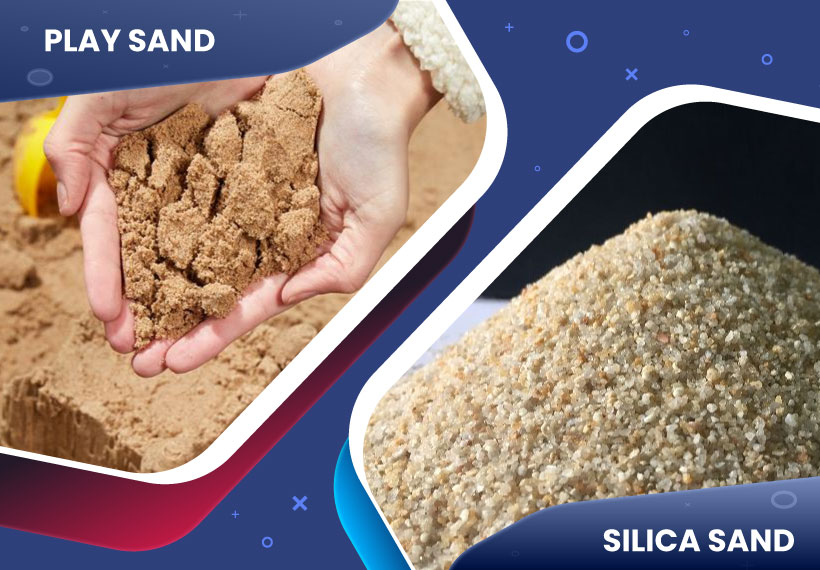
Play sand is designed for use in children’s sandboxes, playgrounds, and similar areas. It is soft, fine, and clean, making it safe for kids to touch and play with. The grains are usually rounded and have been washed to remove dust, clay, and other impurities.
Play sand is often made from natural silica or river sand. Safety is a priority, so play sand is tested for harmful substances and processed to meet safety standards. It doesn’t clump or harden, and it feels comfortable under hands and feet.
Key uses for play sand:
- Sandboxes and playgrounds
- Sensory play tables
- Decorative indoor or outdoor features
Major Differences Between Paver Sand And Play Sand
Although both are types of sand, their properties and uses are quite different. Here’s a side-by-side comparison:
| Feature | Paver Sand | Play Sand |
|---|---|---|
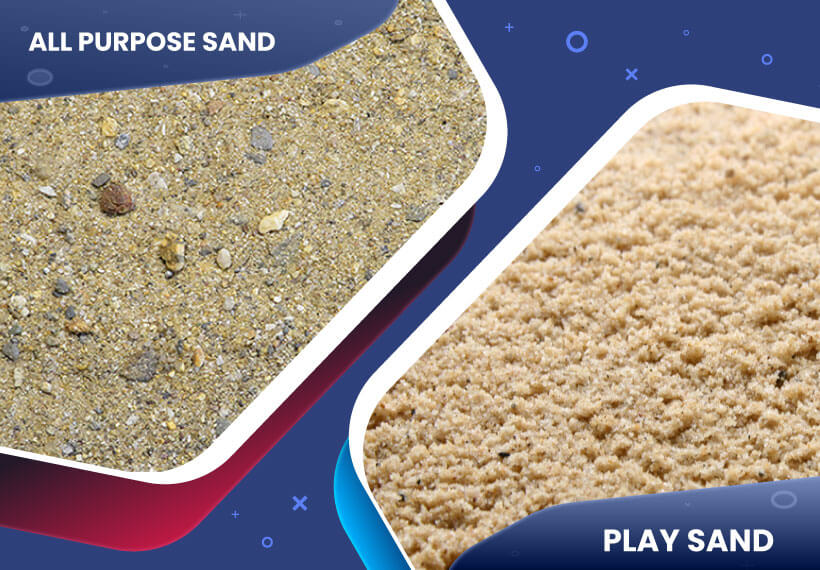
| Grain Shape | Angular, sharp | Rounded, smooth |
| Texture | Coarse, gritty | Fine, soft |
| Main Use | Paver joints, base layer | Sandboxes, playgrounds |
| Safety | Not tested for children | Tested for play safety |
| Color | Tan, gray, or brown | Off-white or light tan |
| Additives | Sometimes (polymeric sand) | None |
How Paver Sand Works
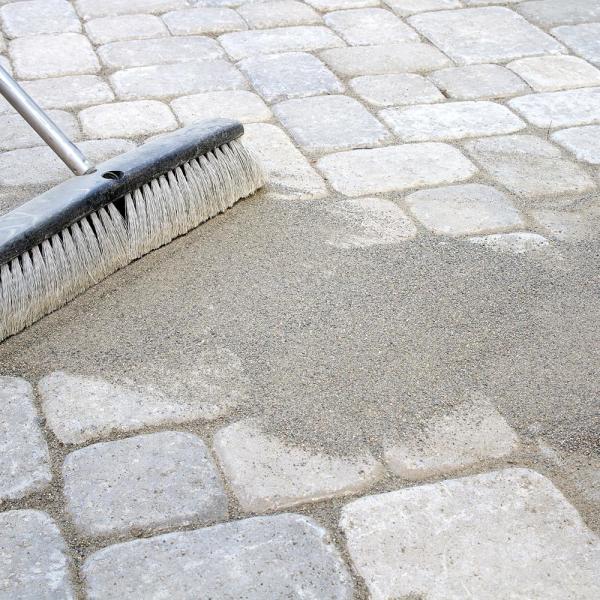
Paver sand’s main job is to keep paving stones from moving. When you pour it between the joints and compact it, the sharp grains lock in place. If you use polymeric sand, water activates the additives, making the sand harden like a glue. This prevents weeds, ant hills, and keeps the surface flat.
Key benefits of paver sand:
- Stops pavers from shifting
- Blocks weeds and insects
- Improves drainage (reduces puddles)
- Increases patio or walkway lifespan
A common mistake is using regular sand or play sand for paver joints. These sands are too smooth and don’t lock in place, leading to loose pavers and weed growth.
How Play Sand Works
Play sand is all about safety and comfort. The fine, soft grains are gentle on skin and easy to shape. Because it’s washed, there’s little to no dust, so it won’t irritate lungs or eyes. It’s not meant to support weight or lock anything in place. Instead, it lets kids dig, build, and explore safely.
Key benefits of play sand:
- Safe for children (tested for toxins)
- Soft and comfortable for hands and feet
- Easy to clean and maintain
One insight many overlook: play sand can get very hot in direct sun and may need shade or regular raking to keep it cool for children.
When To Use Paver Sand
Paver sand is the right choice when:
- You are building a patio, walkway, or driveway with pavers or bricks
- You need to fill joints between stones or bricks
- You want to prevent weeds and keep the surface flat
- You are creating a base layer for outdoor flooring
It’s important to use the correct amount. Too little paver sand, and your pavers will shift. Too much, and it can wash away in heavy rain. Always follow the manufacturer’s instructions for best results.
When To Use Play Sand
Play sand is best when:
- Creating a sandbox or play area for kids
- Filling a sensory table or indoor play bin
- Making a soft, decorative feature in your yard or garden
Never use play sand under pavers or as a base for patios. It’s too soft and doesn’t provide the needed support.
Cost Comparison
Sand prices can vary by region and supplier, but here’s a general idea:
| Type | Average Price (per 50 lb bag) | Coverage (sq ft at 1” depth) |
|---|---|---|
| Paver Sand | $4 – $8 | ~4 sq ft |
| Play Sand | $3 – $6 | ~4 sq ft |
Paver sand can cost slightly more, especially polymeric types. But the real cost comes from using the wrong type—repairs and replacements can be expensive.
Safety Considerations
Paver sand is not tested for child safety. It may contain silica dust or small debris. Breathing in this dust can be harmful. Always wear a mask when pouring or sweeping paver sand, and keep children away during installation.
Play sand is specifically processed to be safe for children. Look for products labeled as “non-toxic” and “washed.” Some brands even test for asbestos and other harmful minerals.
Non-obvious tip: Even with play sand, it’s wise to check product labels. Not all play sands are created equal, and some imported brands may not meet strict US safety standards.
Common Mistakes And How To Avoid Them
Many homeowners make simple but costly mistakes when choosing sand:
- Using play sand for paver joints: The smooth grains won’t lock, leading to shifting and weeds.
- Using paver sand in sandboxes: It’s too coarse and may contain impurities or sharp fragments.
- Ignoring safety labels: Not all sands are tested for toxins or dust.
- Skipping compaction: For paver sand, always compact it properly to prevent settling.
- Mixing sand types: Combining different sands can cause uneven settling and performance issues.
Real-world Examples
Imagine building a backyard patio. You use play sand to fill the gaps, thinking all sand is the same. After a few rains, weeds start to grow, and your bricks shift out of place. You have to remove the sand and start over—doubling your cost and effort.
Or, you fill your child’s sandbox with leftover paver sand. The kids complain it hurts their hands, and dust makes them cough. You learn that not all sand is safe for play.
Environmental Impact
Both sands have some environmental footprint, but there are differences. Paver sand is often made from quarried materials, which can cause habitat disruption. Play sand sometimes comes from riverbeds, which can also affect ecosystems. Some companies now offer recycled or eco-friendly sands—these are worth considering if sustainability is important to you.
Choosing The Right Sand For Your Project
Ask yourself these questions to choose the right sand:
- Is the area meant for children’s play or structural support?
- Do you need the sand to lock in place, or should it stay loose and soft?
- Are there safety concerns (kids, pets, health)?
- What is your budget and how much sand do you need?
- Do you want a sand that is easy to clean or prevents weeds?
If your main goal is strength and durability for pavers, choose paver sand. If it’s safety and comfort for kids, go with play sand.
Maintenance Tips
No matter which sand you choose, proper maintenance is key.
For paver sand:
- Check joints regularly for loss of sand or weeds
- Sweep more sand into joints as needed
- Reapply polymeric sand every few years, especially after heavy cleaning
For play sand:
- Rake and clean sand regularly to remove debris
- Cover the sandbox when not in use to keep out animals and moisture
- Replace sand every 1-2 years for maximum cleanliness
Expert Recommendations
Professionals always recommend matching sand type to the project. Landscape contractors never use play sand for patios because it can’t support weight. Playground designers avoid paver sand because safety comes first for children.
If you’re unsure, ask your local hardware store staff or consult manufacturer guidelines. They can help you avoid costly mistakes.
For detailed technical information about sand types and safety standards, you can refer to the Wikipedia page on sand.
Frequently Asked Questions
What Happens If I Use Play Sand Under Pavers?
Play sand is too soft and the grains are rounded, so it won’t lock the pavers in place. Over time, the pavers will shift, settle unevenly, and weeds will grow in the gaps.
Is Paver Sand Safe For Children’s Sandboxes?
No. Paver sand is not processed or tested for safety. It may contain sharp fragments, dust, and even chemicals. Always use certified play sand for sandboxes.
Can I Mix Play Sand And Paver Sand To Save Money?
Mixing sands is not recommended. The different textures and properties can cause uneven settling, poor drainage, and may not be safe or effective for either purpose.
How Often Should I Replace Play Sand In A Sandbox?
It’s best to replace play sand every 1 to 2 years, or sooner if it becomes dirty or contaminated. Regular cleaning and covering the sandbox can help it last longer.
What’s The Best Way To Keep Paver Sand In Place?
Use polymeric paver sand, which hardens when wet. Always compact the sand well and sweep extra sand into the joints after rains or cleaning. Regular maintenance stops sand loss and keeps your patio or walkway in good shape.
Choosing between paver sand and play sand is not just about price or appearance. It’s about safety, durability, and getting the right results for your project. Take the time to pick the right sand, and you’ll enjoy a safer, longer-lasting outdoor space.