
People dealing with hip bursitis often hope for quick relief, especially when pain affects walking, sleep, and daily life. For many, a cortisone injection seems like a fast solution. But what if that shot doesn’t work? If you find your pain stubborn or returning soon after the injection, you are not alone. Understanding why a cortisone injection for hip bursitis might not work, what steps to take next, and what options exist can make a big difference in your recovery and peace of mind.
What Is Hip Bursitis And How Is It Treated?

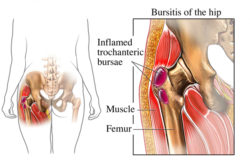
Hip bursitis happens when a small fluid-filled sac, the bursa, on the side of your hip becomes inflamed. This causes pain and sometimes swelling on the outer hip, especially when lying on that side or moving the leg.
Common treatments include:
- Rest and activity modification
- Physical therapy and stretching
- Nonsteroidal anti-inflammatory drugs (NSAIDs) like ibuprofen
- Ice and heat therapy
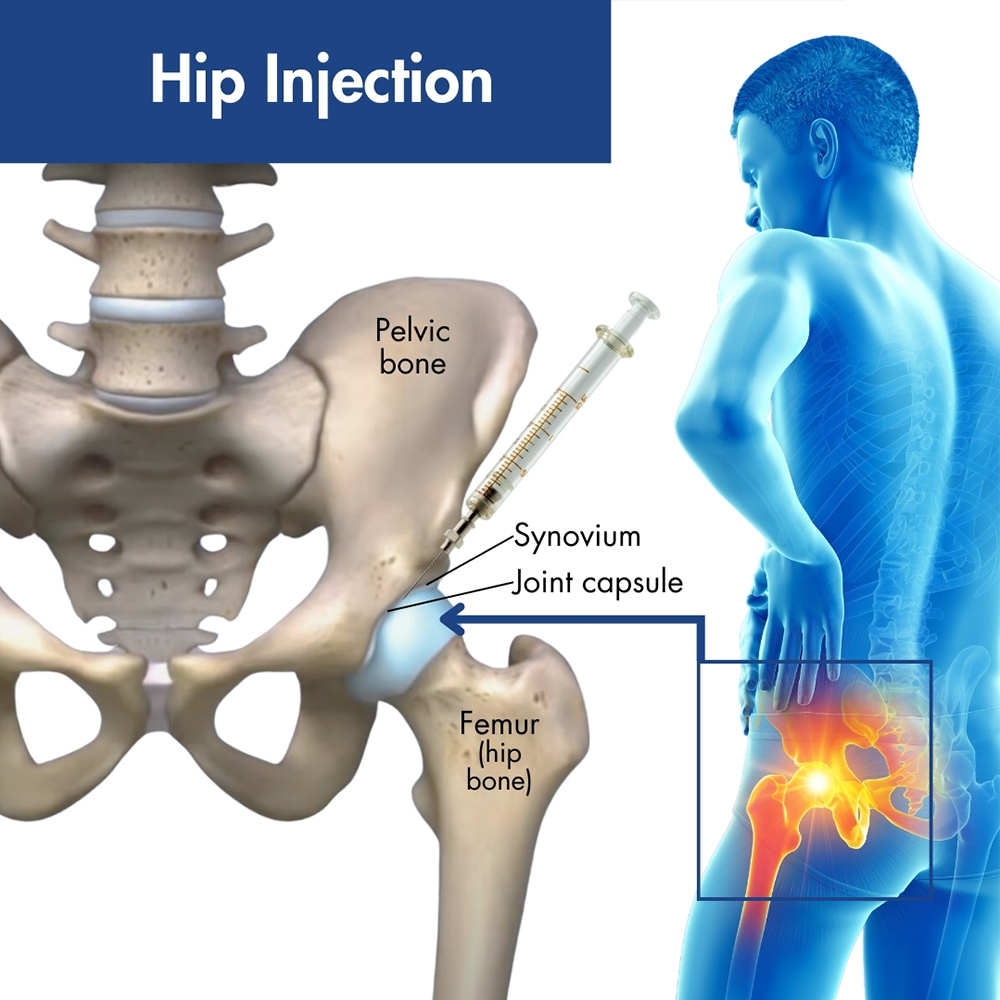
When these steps don’t help, doctors often try cortisone injections. Cortisone is a strong anti-inflammatory medicine that’s injected directly around the bursa to reduce swelling and pain.
How Do Cortisone Injections Work For Hip Bursitis?
Cortisone injections are popular because they can give rapid relief. The medication reduces inflammation in the bursa, often decreasing pain within a few days. For many, the benefit lasts for weeks or months. However, not everyone has the same results.
Some people notice little or no change.
Why Your Cortisone Injection May Not Have Worked
When a cortisone injection does not ease your hip pain, it can be frustrating. Several reasons might explain this:
The Diagnosis Was Incorrect
Not all hip pain comes from bursitis. Other problems that mimic bursitis include:
- Hip osteoarthritis
- Tendon injuries (like gluteal tendinopathy)
- Lumbar spine problems (pain from the back radiating to the hip)
- Referred pain from other areas
If the true cause isn’t bursitis, cortisone won’t work as expected.
Injection Placement Was Off
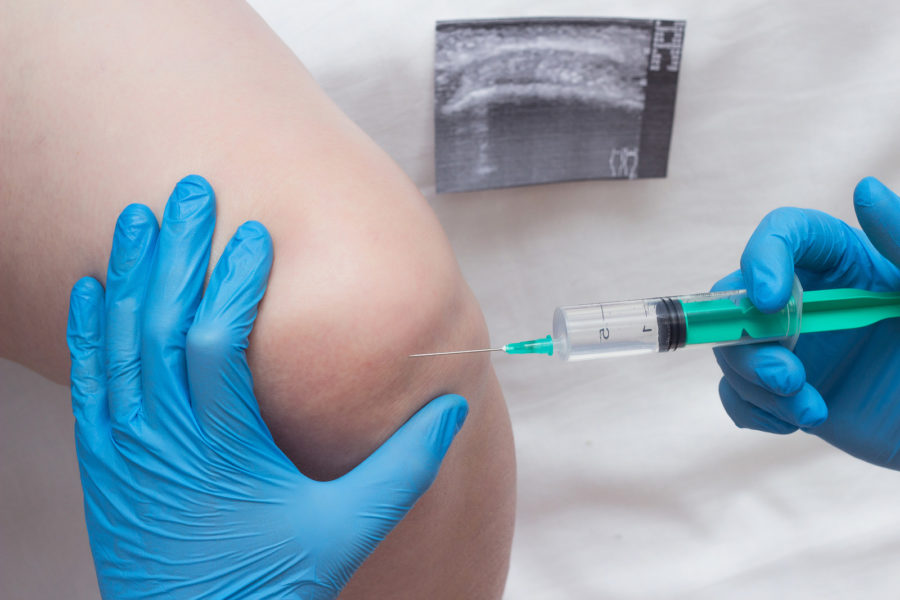
Sometimes, the medicine doesn’t reach the correct spot. This is more likely if the injection is done without ultrasound guidance. Studies show image-guided injections are more accurate and work better.
Chronic Or Severe Bursitis
Long-standing bursitis may be harder to treat. If the bursa is thickened or scarred from months or years of inflammation, it may not respond well to cortisone.
Other Factors Affect Healing
Some health conditions can slow or block improvement, such as:
- Diabetes
- Smoking
- Obesity
- Overuse or continued irritation of the hip
Cortisone Resistance
A small number of people simply do not respond to corticosteroids as well as others. Genetics and body chemistry may play a role.
How Often Do Cortisone Injections Fail?
Research shows that cortisone injections help about 60–80% of people with hip bursitis, at least in the short term. But for 1 in 4 people, the pain relief may be minimal or short-lived. In a study published in the journal “Rheumatology,” about 25% of patients reported little or no benefit within a month after the injection.
What To Do When Cortisone Injection Fails
If you didn’t get relief, don’t lose hope. Several important steps can help.
Revisit The Diagnosis
Ask your doctor if you might have another problem. Sometimes, imaging like MRI or ultrasound is needed to confirm bursitis or rule out other causes.
Try Physical Therapy
Physical therapy is one of the most effective treatments for hip pain, even when cortisone fails. Therapists can:
- Teach stretches and strengthening exercises
- Show how to move to avoid irritating the hip
- Use hands-on techniques to reduce pain
Consider Repeat Or Image-guided Injections
If the first injection was “blind” (without imaging), an ultrasound-guided injection may work better. Some people need two or three injections, spaced out over months, for full effect. However, repeated cortisone has risks, so don’t overdo it.
Explore Alternative Treatments
Other options include:
- Platelet-rich plasma (PRP) injections
- Shockwave therapy
- Prolotherapy
- Oral anti-inflammatory medicines
- Changes in footwear or walking aids
These might help if cortisone is not effective.
Lifestyle Changes
Weight loss, quitting smoking, and modifying activities that stress the hip can all boost healing.
Comparing Hip Bursitis Treatments
Here’s a simple comparison of common treatments and their effectiveness based on current research:
| Treatment | Works for Most? | Relief Time | Risks |
|---|---|---|---|
| Cortisone injection | 60–80% | Days–Months | Infection, tissue thinning |
| Physical therapy | 70–85% | Weeks–Months | Minimal |
| PRP injection | 40–60% | Weeks–Months | Cost, discomfort |
| Shockwave therapy | 50–70% | Weeks–Months | Bruising, discomfort |
When Is Surgery Needed?
Surgery for hip bursitis is rare. It’s usually considered only if:
- Pain lasts for more than 6–12 months
- All other treatments fail
- The bursa is severely damaged
Surgical options include bursectomy (removal of the bursa) or tendon repair if there’s tendon damage. Recovery takes weeks, and physical therapy is needed after surgery.
How Long Should You Wait For Relief?
Most people notice improvement from a cortisone shot within 3–7 days. If there is no change after 2–3 weeks, it’s worth talking with your doctor again. Don’t wait months in pain hoping the medicine will “kick in”—the effect should be clear fairly soon.
Non-obvious Insights Most People Miss
- Imaging Matters: Injections done with ultrasound guidance are much more likely to hit the target, especially in overweight or very muscular people. If your first shot was not image-guided, ask for it next time.
- Bursitis May Not Be the Only Problem: Many people with “hip bursitis” actually have gluteal tendinopathy or a mix of issues. These need different treatment, such as specific strengthening exercises, not just anti-inflammatory shots.
- Cortisone Is Not a Cure: Even if cortisone helps, it does not fix the underlying issue. Without therapy, the pain often comes back.
- Multiple Injections Can Harm Tissues: Too many cortisone shots in the same area can weaken tendons or thin the skin.
Signs You May Need A Second Opinion
- Pain is worsening, not improving, after treatment.
- You notice numbness, tingling, or weakness in the leg.
- Swelling, redness, or fever occurs at the hip.
- The doctor has not used any imaging to confirm bursitis.
In these cases, ask for referral to a sports medicine, orthopedic, or rheumatology specialist.
Comparing Bursitis And Other Hip Problems
Understanding if you really have bursitis or something else is key. Here’s a side-by-side look at typical symptoms:
| Condition | Pain Location | Worse With | Other Signs |
|---|---|---|---|
| Hip bursitis | Side of hip | Lying on side, touch | Swelling, point tenderness |
| Hip osteoarthritis | Groin, front of hip | Walking, stairs | Stiffness, limited motion |
| Gluteal tendinopathy | Side/back of hip | Stairs, standing on one leg | Weakness, pain with use |
| Lumbar spine problems | Buttock, outer hip, leg | Sitting, bending, coughing | Numbness, tingling |
How To Prevent Hip Bursitis From Returning
While not all cases can be prevented, these steps lower your risk:
- Keep a healthy weight
- Warm up and stretch before exercise
- Avoid repetitive hip stress (long walks, running on hard surfaces)
- Wear supportive shoes
- Strengthen hip and core muscles
When To Seek Immediate Help
If you develop sudden severe pain, can’t move your leg, have fever, or see redness and swelling at the hip, seek medical care right away. Rarely, infection or a blood clot can mimic bursitis.
Realistic Expectations: What Recovery Looks Like
Recovery from hip bursitis varies. Some feel better in days after a cortisone shot; others need weeks or months of therapy. A small group may always have mild discomfort, but major improvement is possible for most.
Remember, returning to full activity too quickly is a common mistake. Gradual progress is safer.
Frequently Asked Questions
What Should I Do If My Cortisone Injection Didn’t Help At All?
Start by talking with your doctor. Ask if you need more imaging or a different diagnosis. Consider physical therapy, and ask if an ultrasound-guided injection might help.
How Long Should I Wait After A Cortisone Shot Before Trying Something Else?
If you see no improvement after 2–3 weeks, it’s time to look at other options. Don’t delay new treatments for months if the shot didn’t help.
Can I Get A Second Cortisone Injection If The First Didn’t Work?
Sometimes, yes—especially if the first was not image-guided. But most doctors limit cortisone to 2–3 injections per year in one spot to avoid tissue damage.
Are There Alternatives To Cortisone Injections For Hip Bursitis?
Yes. Physical therapy, PRP injections, shockwave therapy, and even simple home exercises can help. In rare cases, surgery is needed.
Where Can I Find More Information On Hip Bursitis Treatments?
For more details, see the American Academy of Orthopaedic Surgeons website.
If your cortisone injection for hip bursitis didn’t work, you are not out of options. Re-examine the diagnosis, explore physical therapy, and ask for expert help if needed. With the right plan, relief is still possible. Remember: the path to recovery is rarely straight, but most people do get better with time and the right approach.