
Owning a Craftsman snowblower can feel like a lifesaver after a heavy snowfall. These machines are trusted for their power, reliability, and efficiency. But even the best snowblowers can run into problems. If your Craftsman snowblower is not performing as it should, you’re not alone. Many users face issues, ranging from starting troubles to uneven snow clearing. Understanding these problems and how to fix them can help you get back to clearing your driveway faster and safer.
Common Craftsman Snowblower Problems
Craftsman snowblowers, like all machines, show certain issues more often. Here are the most typical problems owners face:
Snowblower Won’t Start
One of the most frustrating issues is when your snowblower won’t start. This can happen for several reasons:
- Dead battery (for electric start models)
- Old or bad fuel (gas models)
- Dirty spark plug
- Faulty ignition switch
If your snowblower is electric start, check the battery first. For gas models, old fuel is a frequent cause. Gasoline can go bad in just 30 days. Always use fresh gas and add a fuel stabilizer. Replace the spark plug annually, and keep it clean.
The ignition switch can wear out over time; if the machine still doesn’t start after checking the above, this could be the culprit.
Engine Runs Rough Or Stalls
Sometimes the snowblower starts, but the engine runs rough or stalls after a few minutes. Possible causes include:
- Clogged fuel lines
- Dirty carburetor
- Blocked air filter
- Low oil level
Cleaning the carburetor is essential. Use a carburetor cleaner spray for light buildup; for heavy deposits, disassemble and soak the parts. Always check the air filter and oil level before starting. These steps prevent most stalling issues.
Auger Doesn’t Spin
If the auger doesn’t spin or seems weak, your snowblower won’t throw snow efficiently. Causes may include:
- Broken shear pin
- Auger belt slipping
- Frozen auger
Shear pins are designed to break if the auger hits a hard object. Replacing these is easy and cheap. The auger belt can stretch or wear out; inspect it for cracks or looseness. Sometimes, snow and ice freeze the auger—never use hands to clear it, always use a stick.
Snowblower Leaves Snow Behind
A snowblower leaving snow behind is less effective and wastes your effort. Reasons include:
- Worn scraper bar
- Height adjustment too high
- Dull or damaged auger blades
Check the scraper bar under the machine. If it’s worn, replace it. Adjust the height so the snowblower sits close to the ground. Sharpen or replace dull auger blades for best results.
Wheels Or Tracks Won’t Move
If your wheels or tracks won’t move, you can’t push the snowblower. This can be caused by:
- Broken drive belt
- Stuck transmission
- Disconnected drive cable
Inspect the drive belt for wear or breakage. If the transmission is stuck, lubricate moving parts. The drive cable can disconnect reconnect or replace it if needed.
Troubleshooting Steps For Craftsman Snowblower Issues
Fixing most Craftsman snowblower problems doesn’t require expert skills. Here’s a step-by-step guide to help you solve common issues:
Step 1: Check Fuel And Oil
- Use fresh gasoline for gas models
- Add a fuel stabilizer if storing for long periods
- Check oil level and top up as needed
Step 2: Inspect Belts And Cables
- Look for cracks or fraying in belts
- Ensure drive cables are connected and tight
Step 3: Clean Spark Plug And Carburetor
- Remove and inspect the spark plug
- Clean with a wire brush or replace if needed
- Spray carburetor cleaner into the carburetor
Step 4: Clear Blockages
- Remove any ice or snow from auger and chute
- Use a stick, not your hands, for safety
Step 5: Adjust Height And Scraper Bar
- Set the height adjustment so the snowblower is close to the ground
- Replace the scraper bar if worn
Step 6: Test Machine
- Start the snowblower and run through all functions
- Check if auger spins and wheels move
Preventive Maintenance For Craftsman Snowblowers
Regular maintenance can keep your snowblower running smoothly and prevent most issues. Here are practical tips:
- Change oil every season
- Replace spark plug annually
- Inspect and replace belts as needed
- Lubricate moving parts monthly
- Use fuel stabilizer to keep gas fresh
- Check tire pressure before each use
- Clean the chute and auger after each session
By following these steps, you reduce breakdowns and extend the life of your machine.
Data Table: Common Craftsman Snowblower Problems And Solutions
Here’s a quick comparison of frequent problems and their usual fixes:
| Problem | Likely Cause | Solution |
|---|---|---|
| Won’t start | Old fuel, dead battery, dirty spark plug | Replace fuel, charge battery, clean/replace spark plug |
| Engine stalls | Dirty carburetor, clogged fuel line | Clean carburetor, replace fuel line |
| Auger doesn’t spin | Broken shear pin, faulty belt | Replace shear pin, inspect/replace belt |
| Leaves snow behind | Worn scraper bar, high adjustment | Replace scraper bar, adjust height |
| Wheels won’t move | Broken drive belt, stuck transmission | Replace drive belt, lubricate parts |
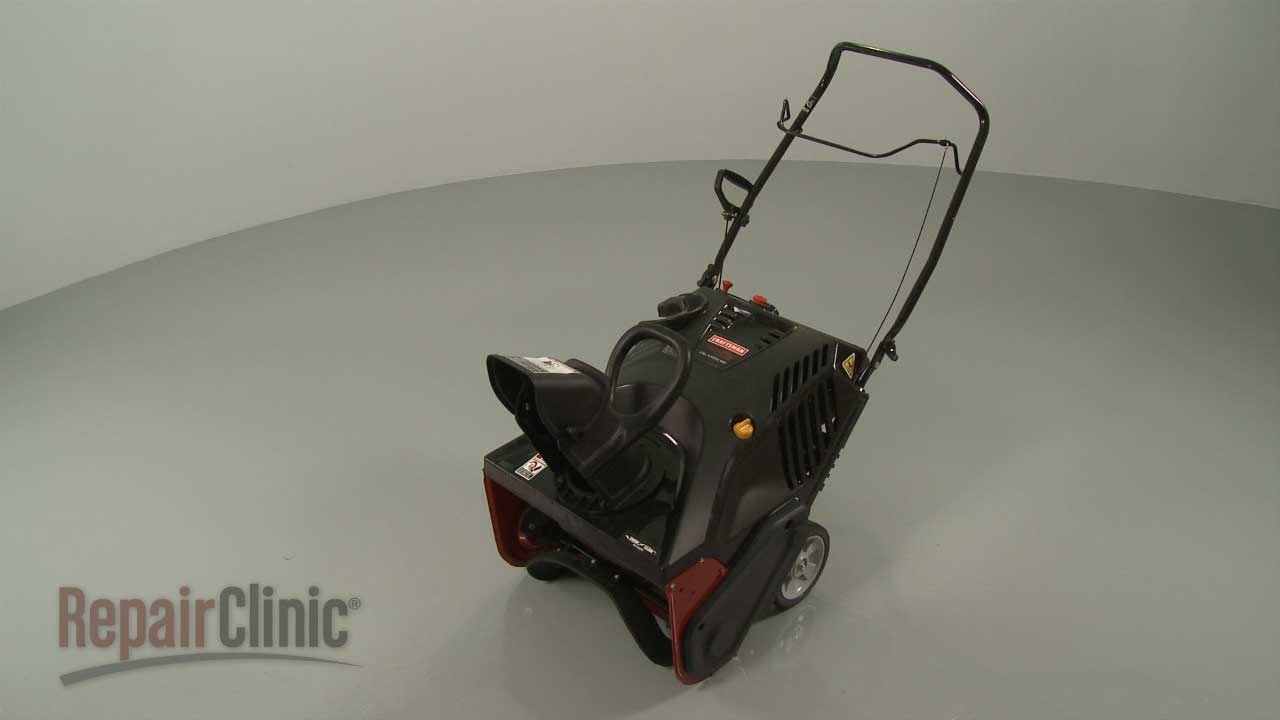
How Craftsman Snowblowers Compare To Other Brands
Some users wonder how Craftsman snowblowers stack up against other brands like Toro, Ariens, and Husqvarna. Let’s compare key features:
| Brand | Average Reliability | Ease of Repair | Parts Availability |
|---|---|---|---|
| Craftsman | High | Moderate | Wide |
| Toro | High | Easy | Wide |
| Ariens | Very High | Moderate | Wide |
| Husqvarna | High | Moderate | Moderate |
Craftsman snowblowers offer strong reliability and easy-to-find parts. Repairs are usually manageable for DIYers, though some models require more technical skills.
Non-obvious Insights For Craftsman Snowblower Owners
Most users know about basic maintenance, but here are two less obvious tips:
- Check cable tension regularly: Loose cables can cause poor performance. Adjust tension every few uses to keep controls responsive.
- Inspect chute rotation gears: Snow can jam or freeze the chute rotation mechanism. Spray lubricant on gears to keep them moving smoothly.
These insights help avoid hidden problems that can affect snowblower efficiency.
When To Call A Professional
Some repairs are best left to experts. If you notice:
- Engine smoke
- Strange noises
- Electrical issues
- Transmission problems
Don’t risk further damage. A professional can diagnose and fix issues safely. Repairs involving wiring or engine internals require special tools and knowledge.
Safety Tips For Using Craftsman Snowblowers
Snowblowers are powerful tools. Follow these safety tips:
- Never use hands to clear clogged augers
- Wear eye protection and sturdy boots
- Keep bystanders away while operating
- Turn off the snowblower before maintenance
- Use extension cords rated for outdoor use (for electric models)
Accidents can happen quickly. Stay alert and respect the machine’s power.
Table: Craftsman Snowblower Maintenance Schedule
Staying organized helps prevent problems. Here’s a sample maintenance schedule:
| Task | Frequency | Notes |
|---|---|---|
| Change oil | Once per season | Use recommended oil type |
| Replace spark plug | Annually | Check gap before installation |
| Inspect belts | Monthly | Look for cracks, replace if needed |
| Lubricate moving parts | Monthly | Use machine-safe lubricant |
| Check tire pressure | Before each use | Match recommended PSI |
Following this schedule helps avoid surprise breakdowns and keeps your snowblower ready for every snowfall.
Frequently Asked Questions
What Should I Do If My Craftsman Snowblower Won’t Start?
First, check the fuel and battery (for electric models). Make sure you are using fresh gas. Inspect the spark plug for dirt or damage. If these parts are fine, the ignition switch or carburetor may need cleaning or replacement.
Why Does My Craftsman Snowblower Leave Snow Behind?
Usually, this happens because the scraper bar is worn or the height adjustment is set too high. Replace the scraper bar and lower the height adjustment so the machine sits close to the ground.
How Often Should I Change The Oil In My Craftsman Snowblower?
Change the oil once per season or after every 25 hours of use. Always use the oil type recommended in your owner’s manual.
Where Can I Find Replacement Parts For My Craftsman Snowblower?
Replacement parts are widely available online and in stores. The official Craftsman website and large retailers like Sears carry parts. For more details, you can check Craftsman’s official site.
Is It Safe To Repair My Snowblower Myself?
Many repairs are safe for DIYers, such as changing oil, spark plugs, and belts. For engine, electrical, or transmission problems, it’s best to call a professional.
Owning a Craftsman snowblower makes winter easier, but problems can happen. With the right knowledge and maintenance, you can keep your machine running efficiently for many winters. Remember, most issues are simple to fix with basic tools and a little patience.
Stay safe, follow maintenance schedules, and your snowblower will keep performing season after season.