
Cuckoo clocks are famous for their charming design and the delightful sound of their cuckoo bird. Many people buy them to add a touch of tradition to their homes or to collect as a hobby. But owning a cuckoo clock is not always easy.
These clocks can develop problems that confuse or frustrate their owners, especially beginners. If your cuckoo clock is not working right, you are not alone. Even experienced collectors face issues from time to time.
This guide will help you understand the most common cuckoo clock problems, why they happen, and how you can fix or prevent them. Whether your clock is silent, running too fast, or the bird won’t appear, you will find practical advice and examples here. Plus, you’ll get tips that many beginners overlook, saving you time and money.
Common Cuckoo Clock Problems
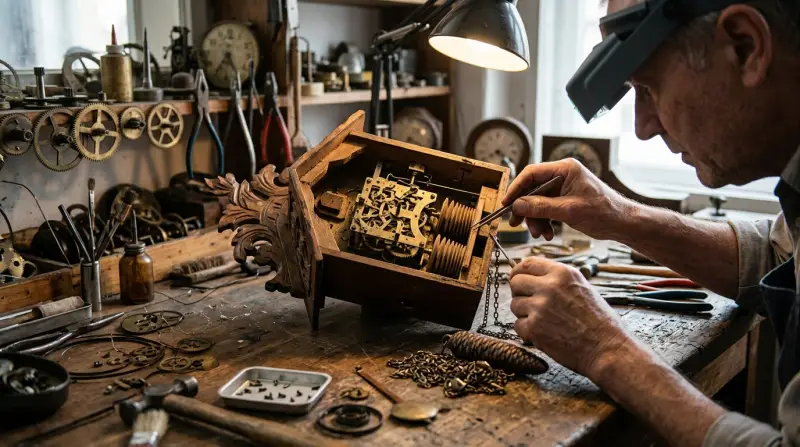
Cuckoo clocks have moving parts and delicate mechanisms. Over time, they can develop several issues. Here are the main problems people face:
The Cuckoo Bird Does Not Appear
One of the most magical features is the cuckoo bird. If the bird fails to come out, it usually means there is a problem with the door, the movement, or the lever.
- Door blocked: Sometimes, the small door gets stuck due to dust or misalignment.
- Lever disconnected: The lever that pushes the bird may fall out of place.
- Movement jammed: Old oil or dirt can block the clock’s movement.
Example: If the bird stays inside, check if the door opens freely. Gently push the door to see if it is stuck. If so, clean around the edges or adjust the hinges.
Clock Is Not Keeping Time
Cuckoo clocks are mechanical, so they can easily run fast or slow.
- Pendulum length: The pendulum controls the speed. If it is too short, the clock runs fast. If too long, it runs slow.
- Weights not moving: If the weights don’t drop smoothly, the time mechanism stalls.
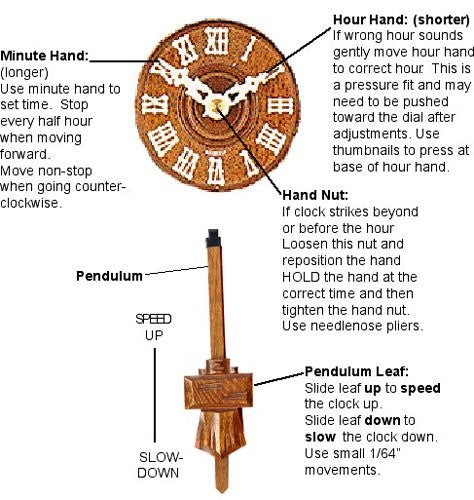
Slide the pendulum bob up to speed up the clock, or down to slow it. Make small adjustments and check after a few hours.
The Cuckoo Sound Is Weak Or Silent
The cuckoo sound comes from bellows inside the clock. If you hear a weak or no sound:
- Bellows torn: The paper or leather bellows may have holes.
- Air tube blocked: Dust can clog the air tubes.
- Wire disconnected: The wires connecting bellows to movement may be loose.
Non-obvious insight: Many beginners forget to check the bellows, thinking the problem is electrical. Cuckoo clocks are usually all mechanical.
Weights Don’t Move Properly
Weights drive the movement and the cuckoo action.
- Chains slipped: Chains can jump off gears.
- Weight too light: If you replace a weight, using one that is too light may cause problems.
- Obstruction: Objects under the clock can block the weights.
Example: Make sure the area under the clock is clear. If a chain has slipped, gently guide it back onto the gear using tweezers.
Hands Not Moving
If the hands do not move, you may have:
- Loose hands: Sometimes the hands are not tight enough.
- Bent hands: They can catch on each other or on the dial.
- Gear failure: The gear behind the hands can break.
Never force the hands. Always adjust them gently, and if they are loose, tighten the small nut in the center.
Diagnosing Cuckoo Clock Issues
Finding the real cause of your clock’s trouble is important. You can follow these steps to diagnose most problems:
- Observe the symptoms: Is the problem with the sound, time, bird, or weights?
- Check visible parts: Look for dust, bent parts, or broken pieces.
- Listen carefully: Unusual sounds can signal a problem with gears or bellows.
- Test each function: Pull the weights, move the pendulum, and try the cuckoo action manually.
Non-obvious insight: Many people skip step 4. Testing each part separately can reveal hidden issues, especially with older clocks.

Credit: www.youtube.com
Repairing And Maintaining Your Cuckoo Clock
Cuckoo clocks last longer with regular care. Here’s how to fix common problems and keep your clock running smoothly:
Cleaning
Dust and old oil can stop a cuckoo clock from working. Clean the outside with a soft cloth. For inside parts, use a small brush or compressed air. Don’t use water or harsh chemicals.
Oiling
Only oil the clock once every 2–3 years. Use special clock oil, not regular household oils, which can gum up the movement.
Adjusting The Pendulum
If your clock is running too fast or slow, adjust the pendulum bob. Move it up to speed up, or down to slow.
Fixing The Cuckoo Bird
If the bird is stuck, gently check the lever and door. If a part is broken, you may need a replacement from a clock shop.
Repairing The Bellows
If the sound is weak, inspect the bellows. Small holes can be patched with thin tape, but large damage may need new bellows.
Handling Weights And Chains
If chains slip off, guide them back using tweezers. Make sure weights are the correct size for your model. Too heavy or too light can cause issues.
Professional Help
For big repairs, especially with old or valuable clocks, seek a professional. This avoids further damage.
Preventing Cuckoo Clock Problems
You can avoid many problems by taking care of your clock:
- Keep the clock away from direct sunlight and moisture.
- Don’t place the clock near heaters or air conditioners.
- Regularly dust the outside and check the weights and chains.
- Wind the clock gently and avoid forcing any parts.
Example: Place your cuckoo clock on a solid wall, away from doors or windows that slam. This keeps the mechanism safe from vibration.
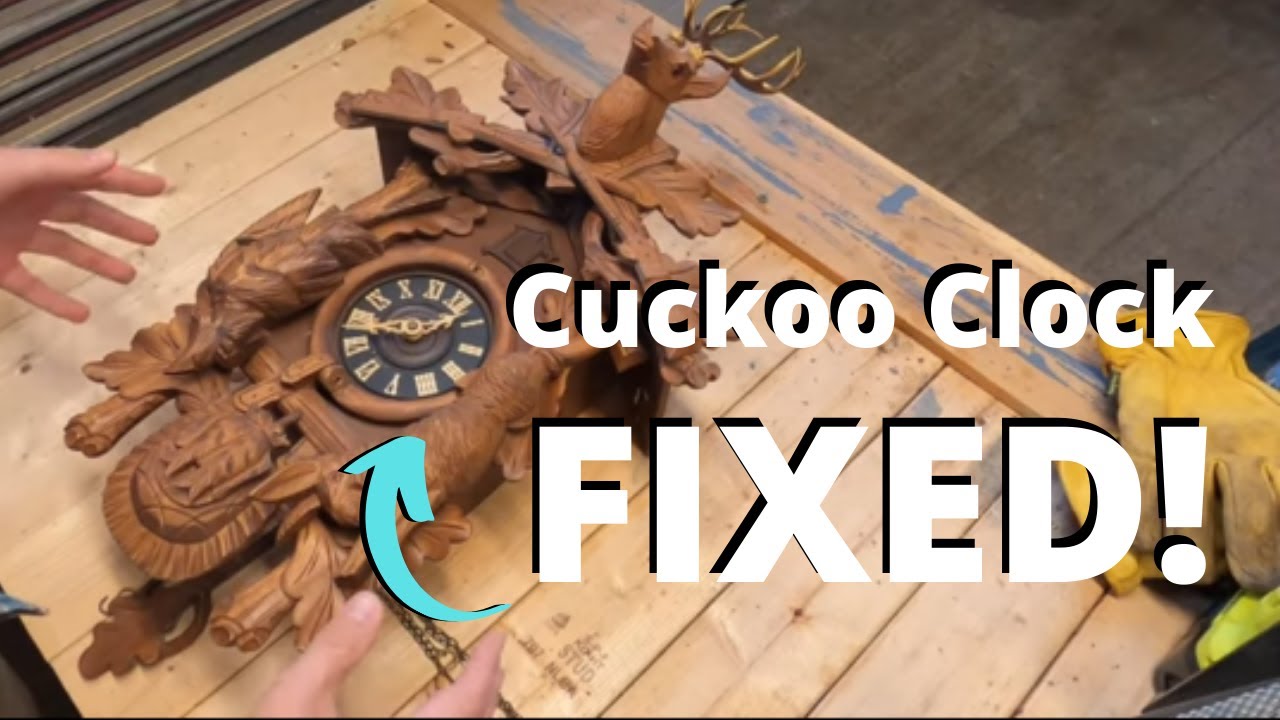
Credit: www.youtube.com
Comparing Cuckoo Clock Types And Their Problems
Different types of cuckoo clocks can have different issues. Here is a comparison:
| Type | Common Problems | Ease of Repair |
|---|---|---|
| 1-Day Mechanical | Needs daily winding, chain slips, bellows wear | Easy for basic fixes |
| 8-Day Mechanical | Heavy weights, gear wear, cuckoo bird jams | Moderate, may need pro |
| Quartz (Battery) | Battery failure, weak sound, bird movement issues | Easy, just change battery |
Non-obvious insight: 1-day clocks are easier for beginners, but require more frequent attention. Quartz clocks avoid winding but can lose their traditional feel.
Common Mistakes Made By Owners
Owning a cuckoo clock can be rewarding, but beginners often make mistakes:
- Forcing the hands: This damages the gears.
- Using the wrong oil: Household oil can ruin the mechanism.
- Ignoring small problems: Tiny issues get bigger if left alone.
- Over-winding: Applying too much force can snap the chain.
- Wrong weight placement: Swapping weights causes timing issues.
Practical tip: If you notice a problem, fix it early or ask for help. Small repairs are much cheaper than fixing major damage.
When To Seek Professional Help
Some problems need expert attention. If your clock:
- Stops completely
- Has broken gears or springs
- Needs bellows replaced
- Has valuable or antique status
It’s best to find a qualified clock repairer. You can check the National Association of Watch and Clock Collectors for trusted professionals.
Cuckoo Clock Maintenance Vs. Other Clocks
Here’s how cuckoo clock care compares to other popular types:
| Clock Type | Maintenance Frequency | Repair Complexity |
|---|---|---|
| Cuckoo Clock | High (monthly winding, yearly checks) | Moderate to High |
| Wall Clock | Low (battery changes) | Low |
| Grandfather Clock | Medium (weekly winding, occasional oiling) | High |
Example: Cuckoo clocks need more attention than regular wall clocks. But their unique features make them worth the effort for many owners.
How To Choose A Reliable Cuckoo Clock
If you are buying a cuckoo clock, look for:
- Solid wood construction: Lasts longer than plastic.
- German or Swiss brands: Known for quality.
- Mechanical movement: More traditional, but needs winding.
- Clear instructions: Good brands provide detailed manuals.
Avoid clocks with unclear origins or poor build quality. They are more likely to develop problems.
Cost Of Repairs And Parts
Repair costs depend on the problem and the clock’s value.
- Simple cleaning: $20–$50
- Bellows replacement: $40–$80
- Gear or spring repair: $100–$250
- Professional overhaul: $200–$500
Parts for popular models are easy to find, but rare or antique clocks may need special orders.
Keeping your clock clean and well-oiled can prevent most expensive repairs.
Credit: frankenmuthclock.com
Frequently Asked Questions
Why Is My Cuckoo Clock Running Fast?
Usually, the pendulum bob is too high. Slide it down to slow the clock. If this does not help, check if the weights are correct and that the clock is level.
How Often Should I Oil My Cuckoo Clock?
Oil the mechanism every 2–3 years. Use special clock oil only. Too much oil can attract dust, causing problems.
What Should I Do If The Cuckoo Sound Is Weak?
Inspect the bellows for holes or tears. Patch small holes with tape, or replace them if badly damaged. Also check if the air tubes are blocked.
Can I Repair My Cuckoo Clock Myself?
Basic repairs like cleaning, oiling, or adjusting the pendulum can be done at home. For complex issues like broken gears or bird movement, consult a professional.
Where Can I Find Trustworthy Repair Experts?
Visit the National Association of Watch and Clock Collectors for certified repair shops and advice.
Owning a cuckoo clock brings joy and tradition to your home. With the right care and knowledge, you can solve most cuckoo clock problems yourself. If you face a challenge, remember help is available, and your clock can last for generations.