
When working with metal, cutting oil is often seen as a must-have. It cools, lubricates, and protects tools during cutting, drilling, or machining. But sometimes, you cannot use traditional cutting oil. Maybe you want a cheaper option, a safer alternative, or something more eco-friendly. This is where cutting oil substitutes come in. The right substitute can save money, reduce health risks, and even improve your results if you choose wisely. Let’s explore which alternatives work best, how to use them, and what you need to know to avoid costly mistakes.
Why Cutting Oil Matters
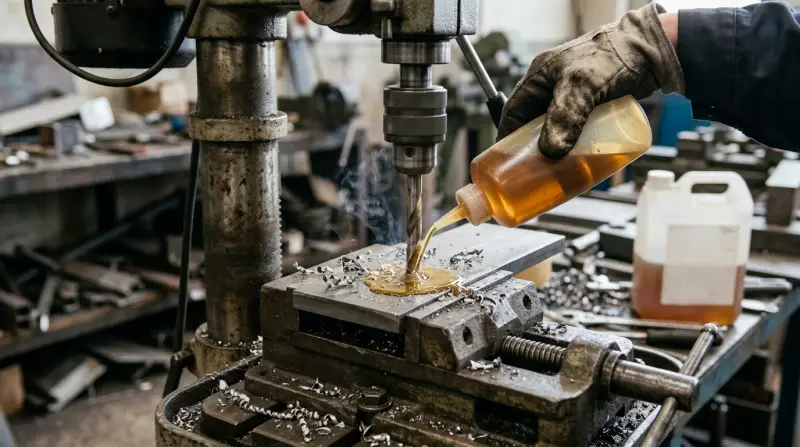
Cutting oil is not just about making things slippery. Its main jobs are:
- Cooling: Metal heats up fast while cutting. Oil absorbs and removes this heat.
- Lubrication: It reduces friction between the tool and metal.
- Chip removal: Oil helps wash away metal particles.
- Tool protection: It prevents rust and wear.
Without proper cutting fluid, tools wear out quickly, surfaces get rough, and jobs become harder. But traditional cutting oils have downsides: they can be expensive, messy, smelly, and sometimes harmful to skin or lungs.
Common Reasons To Use Cutting Oil Substitutes
People look for substitutes for many reasons:
- Cost: Cutting oils can be pricey, especially for small workshops.
- Health concerns: Some oils contain chemicals that cause skin irritation or breathing problems.
- Environment: Many oils are not biodegradable and pollute water.
- Convenience: Sometimes, a quick job needs a handy, simple solution.
Choosing the right substitute depends on your job, tools, and safety needs. Not every substitute is good for every situation.

Best Cutting Oil Substitutes
Below are the most popular and proven alternatives. Each has its strengths and weaknesses. Here’s how they compare:
| Substitute | Best Use | Pros | Cons |
|---|---|---|---|
| Vegetable Oil | Light drilling, tapping | Biodegradable, cheap, mild smell | Gums up, limited cooling, not for heavy duty |
| Mineral Oil | General machining | Low cost, good lubrication | Poor cooling, not eco-friendly |
| WD-40 | Small jobs, aluminum | Easy to spray, prevents rust | Expensive for large jobs, weak cooling |
| Dish Soap Water | Aluminum, brass | Safe, cheap, cleans well | Limited lubrication, rust risk |
| Transmission Fluid | Heavy-duty cutting | Good cooling, strong lubrication | Messy, toxic, disposal problems |
| Motor Oil (Used/New) | Steel, tough metals | Easy to find, fair lubrication | Messy, smoke, health risks |
| Commercial Biodegradable Fluids | Precision, eco-friendly jobs | Safe, strong cooling/lubrication | Costly, not always available |
Vegetable Oil
Most kitchens have vegetable oil. It is a safe and natural substitute for light metalworking—like drilling small holes or tapping threads. It does not smell bad, is easy to clean, and works well for soft metals. But vegetable oil can gum up over time and is not great for cooling. For heavy-duty or high-speed jobs, it will not protect your tools.
Mineral Oil
Mineral oil is found in pharmacies and hardware stores. It is more slippery than vegetable oil, so it works for tougher jobs like simple machining or drilling steel. However, mineral oil does not cool as well as real cutting oil, and it is not eco-friendly. If you use it, wipe it off after each job to prevent buildup.
Wd-40
Many people use WD-40 for quick jobs, especially on aluminum. It sprays on easily and prevents rust. WD-40 is not a true lubricant and does not cool metal well, so it is best for short, low-speed cuts. It is expensive for large tasks and can leave sticky residue.
Dish Soap Water
Mixing water and dish soap is a popular trick for cutting aluminum or brass. The soap reduces friction and helps wash away chips. It is cheap and safe but does not offer much lubrication. If you use it on steel, dry and oil the metal after cutting to prevent rust.
Transmission Fluid
Transmission fluid is thick, slippery, and cools well. It works for tough jobs like cutting steel or cast iron. However, it is messy and contains chemicals that are not good for skin or lungs. Used transmission fluid is especially risky. Always use gloves and dispose of fluids properly.
Motor Oil
Both new and used motor oil can be used as a substitute. Used oil is cheaper but has more contaminants. Motor oil works for heavy-duty jobs but can smoke, smell bad, and stain your workspace. It is not recommended for precision jobs or when health is a concern.
Commercial Biodegradable Fluids
Modern shops sometimes use biodegradable cutting fluids made from plant-based oils. They are safe for people and the environment, offering strong cooling and lubrication. However, these fluids are more expensive and not always easy to find.
Choosing The Best Substitute For Your Situation
Not every substitute fits every job. Here are key factors to help you decide:
| Factor | Why It Matters | Best Substitute |
|---|---|---|
| Metal Type | Soft metals need less cooling/lubrication | Vegetable oil, dish soap water |
| Cutting Speed | High speed creates more heat | Transmission fluid, motor oil |
| Tool Type | Precision tools need cleaner fluids | Commercial biodegradable fluids |
| Health/Safety | Some fluids are toxic | Vegetable oil, dish soap water |
| Budget | Cheap substitutes can save money | Mineral oil, used motor oil |
Real-world Example
A small workshop wants to drill holes in aluminum plates. They need a cheap, safe fluid. Dish soap water is perfect here—easy to make, clean, and prevents most problems. For heavy-duty steel cutting, used motor oil or transmission fluid will protect tools but needs careful handling.
For a school project, vegetable oil is best because safety is most important.
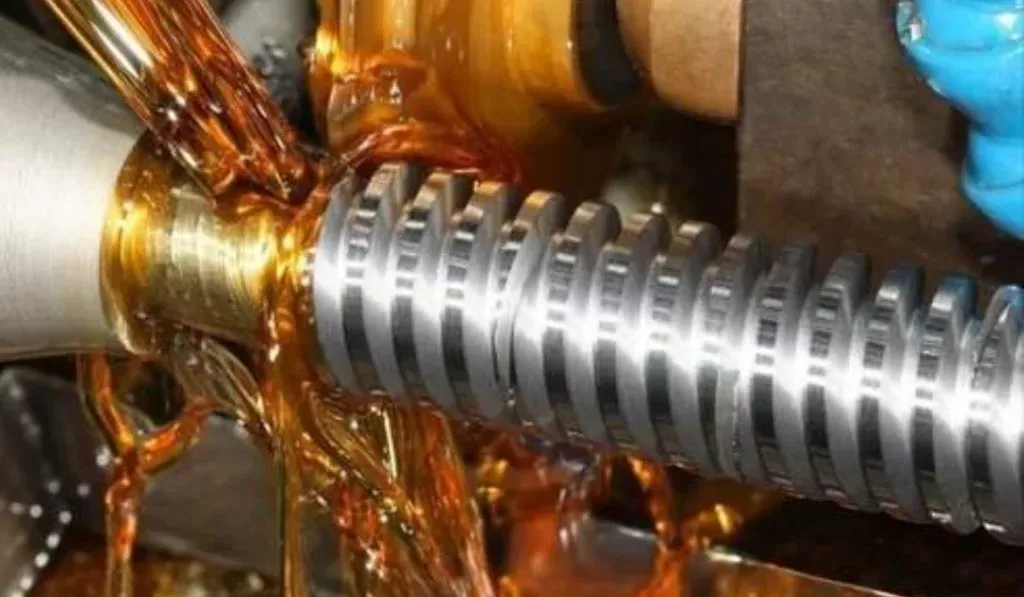
Credit: lubecogreenfluids.com
How To Use Cutting Oil Substitutes Safely
Using substitutes can be risky if you do not follow safety rules. Here are practical tips:
- Test first: Try the substitute on scrap metal. If it smokes, smells bad, or gums up, switch to another option.
- Apply often: Substitutes dry out or burn off faster than real cutting oil. Keep applying during the job.
- Clean up: Wipe off residue after cutting. Leftover oil or fluid can cause rust or attract dust.
- Protect yourself: Wear gloves and eye protection. Some substitutes can irritate skin or eyes.
- Ventilate: Open windows or use fans. Many fluids release fumes, especially motor oil or transmission fluid.
- Dispose responsibly: Used fluids should not go down drains. Take them to proper waste centers.

Common Mistakes With Cutting Oil Substitutes
Avoid these beginner errors:
- Using water alone: Water cools but causes rust and offers zero lubrication.
- Choosing cooking oils for tough jobs: They gum up and do not cool enough for steel or iron.
- Not cleaning after: Residue causes rust, dirt, and tool damage.
- Ignoring safety: Some fluids are toxic. Protect your skin and lungs.
A non-obvious insight: Many people think WD-40 is always safe, but it can damage some plastics and leaves sticky residue. Another tip—never mix substitutes. Combining fluids can create dangerous reactions or ruin your tools.
Are Substitutes As Good As Real Cutting Oil?
Substitutes work well for simple jobs, soft metals, and short cuts. For heavy-duty work, high-speed tools, or precision machining, real cutting oil is still best. Substitutes are useful for emergencies, quick fixes, or situations where safety and environment matter most.
Testing is key. If you run a small shop, keep several substitutes handy, but know their limits. For important jobs, invest in quality cutting oil.
Environmental Impact
Traditional cutting oils often contain chemicals that pollute water and soil. Many substitutes, like vegetable oil or dish soap water, break down naturally and are safer for the environment. If your workshop wants to go green, biodegradable fluids are best, though they cost more.
According to EPA, recycling used oil is critical to prevent pollution. Always check local laws before disposing of fluids.
Practical Tips To Save Money And Improve Results
- Buy in bulk: For substitutes like mineral oil, buying larger bottles saves money.
- Label containers: Never store substitutes in unlabeled bottles. Mistakes can be costly.
- Keep tools sharp: Dull tools need more lubrication—sharpen regularly.
- Try different fluids: Some metals respond better to one substitute than another.
Remember, substitutes are often temporary solutions. For long-term use, study your jobs and invest in the best fluid for your needs.
Frequently Asked Questions
What Is The Safest Cutting Oil Substitute?
Vegetable oil and dish soap water are the safest for most jobs. They are non-toxic, easy to clean, and work for soft metals. Always test first and avoid high-speed jobs with these fluids.
Can I Use Wd-40 Instead Of Cutting Oil?
Yes, for small tasks and aluminum, WD-40 works well. It sprays easily and prevents rust. However, it does not cool metal enough for tough jobs and can leave sticky residue.
Will Substitutes Damage My Tools?
Some substitutes, like used motor oil or transmission fluid, can cause wear or corrosion if not cleaned off after cutting. Always wipe tools and metal surfaces clean to prevent rust or buildup.
Are Substitutes Good For All Metals?
No. Soft metals like aluminum, brass, and copper can use mild substitutes like dish soap water or vegetable oil. Hard metals need stronger fluids like motor oil or commercial cutting fluids.
How Should I Dispose Of Used Cutting Oil Substitutes?
Never pour used fluids down drains. Take motor oil, transmission fluid, and other oils to proper recycling centers. Vegetable oil and soap water can be thrown away in small amounts, but check local rules first.
Choosing the right cutting oil substitute can make your work safer, cheaper, and greener. Always test, stay safe, and match the fluid to your job. With smart choices, you can get great results without traditional cutting oil.