
When you turn your key in a lock and the deadbolt won’t turn, it can quickly become stressful. You might worry about security, getting locked out, or even damaging your door. This problem is more common than many people realize, and it happens in homes, offices, and apartments all over the world. But most people don’t know what causes it, or how to fix it safely and quickly.
Knowing why your deadbolt won’t turn can save you money, prevent damage, and keep your property secure. This article will explain everything: common causes, step-by-step solutions, what to do if you’re locked out, and how to prevent it in the future. Whether you’re a homeowner, a renter, or just someone who wants to understand locks better, you’ll find clear advice here.
What Is A Deadbolt And Why Does It Matter?
A deadbolt is a strong lock used on doors to improve security. Unlike regular spring locks, deadbolts use a thick metal bolt that moves straight into the door frame when you turn the key or handle. This makes it much harder for someone to force the door open.
There are several types of deadbolts:
- Single cylinder deadbolts: Open with a key from the outside, but use a thumbturn inside.
- Double cylinder deadbolts: Require a key on both sides.
- Vertical deadbolts: The bolt moves up and down, not sideways.
Deadbolts are popular because they protect against break-ins. But if the deadbolt won’t turn, your door is either stuck open or closed, and your security is at risk.
Main Reasons A Deadbolt Won’t Turn
Understanding why the deadbolt won’t turn is the first step toward fixing it. Here are the most common causes:
- Misalignment: The bolt and strike plate don’t line up. This can happen if the door frame moves, the hinges loosen, or the door warps due to weather.
- Key Problems: The key is worn, bent, or broken, or the wrong key is used.
- Internal Lock Damage: Parts inside the lock may be broken, rusted, or jammed.
- Debris or Dirt: Dust, sawdust, or other dirt gets inside the lock, blocking movement.
- Weather Changes: Heat, cold, or humidity causes the door or frame to expand or contract.
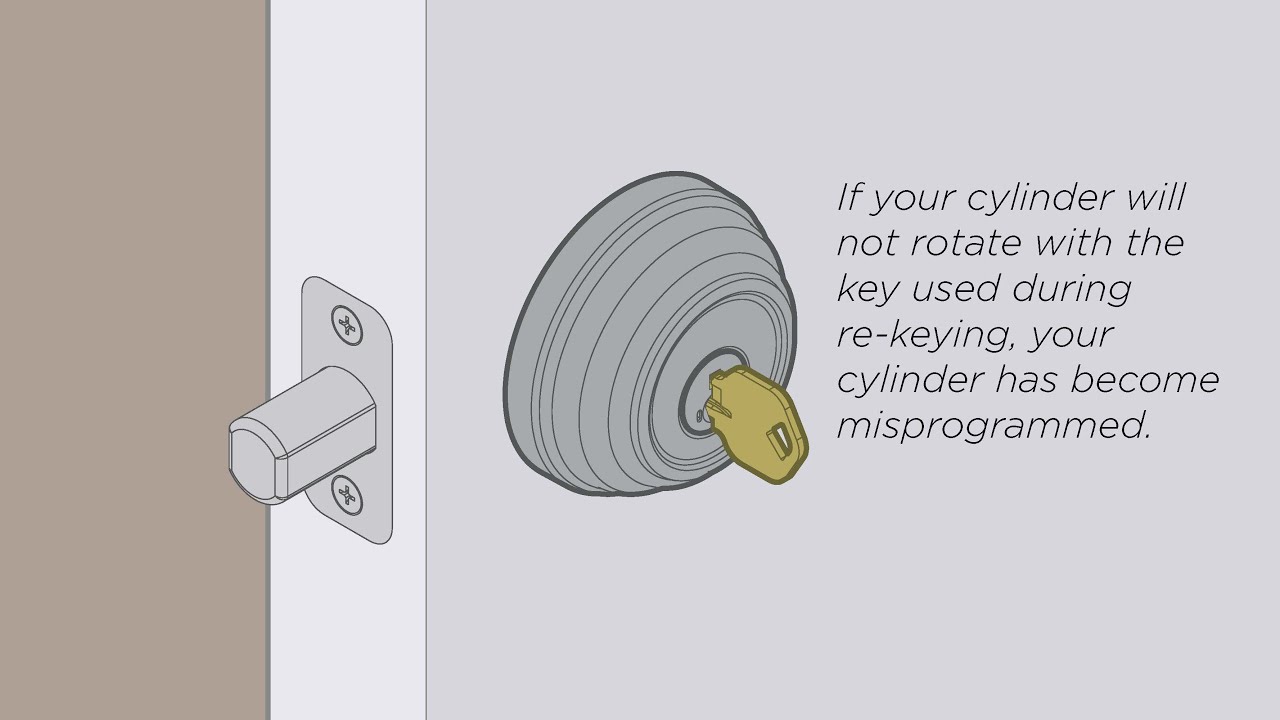
- Lock Cylinder Problems: The cylinder is loose, stuck, or turning freely without moving the bolt.
- Lack of Lubrication: The lock hasn’t been oiled, making it stiff and difficult to turn.
- Incorrect Installation: The lock or strike plate was installed incorrectly.
- Frozen Lock: In cold climates, moisture inside the lock freezes.
- Security Pins or High-Security Locks: These can get stuck if the lock is not maintained well.
Many people think only old locks jam, but even new deadbolts can have problems if installed incorrectly or exposed to harsh weather.

Diagnosing The Problem: Step-by-step
Before you can fix a deadbolt that won’t turn, you need to know what’s wrong. Here’s how to diagnose the issue:
- Try the Key: Does it turn easily or not at all? Try a spare key if you have one.
- Check the Door Alignment: Close the door slowly and look at the bolt. Does it enter the hole in the strike plate smoothly?
- Inspect the Strike Plate: Is it loose, bent, or misaligned?
- Test with the Door Open: Unlock the deadbolt with the door open. If it turns easily, the problem is alignment. If not, it’s inside the lock.
- Look for Debris: Shine a flashlight into the lock and strike plate to check for dirt or obstructions.
- Check for Rust or Stiffness: Does the deadbolt feel stuck or rough when you turn it?
- Listen for Clicking: Some locks click when pins get stuck. Listen closely as you turn the key.
- Inspect the Key: Is it bent, worn, or dirty?
- Feel for Movement: Does the cylinder move loosely or is it solid?
Most people miss the simple step of testing the lock with the door open. This often shows whether the problem is the lock or the door alignment.
How To Fix A Deadbolt That Won’t Turn
Once you know what’s wrong, you can fix the deadbolt. Here are practical steps for each cause:
Fixing Misalignment
- Tighten or adjust the door hinges.
- Move the strike plate slightly using a screwdriver.
- If the door or frame is warped, sand down the edge or hire a pro.
- Use longer screws to secure loose plates.
Solving Key Problems
- Try a spare key. If it works, get a new copy made.
- Clean dirty keys with rubbing alcohol.
- If the key is bent, do not force it. Get a new one.
- Never use the wrong key; it can damage the lock.
Removing Debris And Dirt
- Spray compressed air into the keyhole.
- Use a thin wire to gently remove visible debris.
- Clean the strike plate and hole.
Lubricating The Lock
- Use graphite powder or a silicone-based spray. Avoid WD-40; it attracts dirt.
- Insert the key and turn it to spread the lubricant.
Fixing Internal Damage
- Remove the deadbolt from the door using a screwdriver.
- Inspect for broken parts, rust, or wear.
- Replace damaged parts or the whole lock if needed.
Repairing The Cylinder
- Tighten loose screws on the lock.
- If the cylinder turns but the bolt doesn’t move, replace the cylinder.
Dealing With Frozen Locks
- Warm the key with a lighter (carefully) and insert it.
- Use a lock de-icer spray.
- Avoid pouring hot water; it can cause more damage.
Correcting Installation Issues
- Check the manufacturer’s instructions.
- Reinstall the lock or strike plate if needed.
Handling Security Pins
- If you suspect a high-security deadbolt, call a locksmith. They require special tools.
These steps solve most deadbolt problems. But sometimes, the lock is too damaged or complex, and professional help is needed.
When To Call A Locksmith
You should call a locksmith if:
- The lock is badly damaged inside.
- You don’t have tools or experience.
- You tried basic fixes but the deadbolt still won’t turn.
- You’re locked out and need fast access.
- The lock is part of a high-security system.
Locksmiths charge $75–$150 for a standard deadbolt fix, depending on your location and lock type. If your deadbolt is part of a smart lock system, fees can be higher.
What To Do If You’re Locked Out
Getting locked out is stressful, especially at night or in bad weather. Here’s what to do:
- Stay Calm: Don’t panic or try to force the lock. This can cause more damage.
- Check Other Entrances: Try windows, back doors, or garage doors.
- Call Someone: Neighbors, family, or building managers may have a spare key.
- Try Lubrication: If you have access to lubricant, use it.
- Avoid Bumping or Picking: These methods can damage the lock and are illegal in many places if you don’t own the property.
- Call a Locksmith: If you can’t get in, call a professional.
Many people try to force the deadbolt, but this can break the lock or door, leading to expensive repairs.
Comparing Deadbolt Types: Which Is Most Reliable?
Different deadbolts have different strengths. Here’s how the main types compare:
| Type | Turning Force Needed | Common Problems | Average Lifespan |
|---|---|---|---|
| Single Cylinder | Medium | Misalignment, Key wear | 7–12 years |
| Double Cylinder | High | Internal damage, Key jamming | 8–15 years |
| Vertical Deadbolt | Medium | Installation errors | 10–20 years |
| Smart Deadbolt | Low | Battery failure, Software issues | 5–10 years |
Single cylinder deadbolts are easiest to fix, but double cylinder and vertical deadbolts offer more security. Smart locks rarely jam, but when they do, fixing them is much harder.
Deadbolt Maintenance: Preventing Problems
Regular maintenance can keep your deadbolt working smoothly and prevent it from sticking or refusing to turn.
- Lubricate Twice a Year: Use graphite or silicone spray, not oil-based products.
- Clean the Lock and Strike Plate: Wipe away dust and check for debris.
- Check Alignment: Inspect the door frame for warping or loose screws.
- Replace Worn Keys: Old keys damage locks.
- Inspect for Rust: Remove any rust promptly.
- Protect from Weather: Use weather stripping to keep moisture out.
- Test the Lock: Turn the deadbolt with the door open and closed.
Many people forget to lubricate their locks, leading to stiff movement and eventual failure.
Common Deadbolt Problems And Solutions
Some deadbolt issues happen more often than others. Here’s a quick guide:
| Problem | Possible Cause | Quick Solution |
|---|---|---|
| Deadbolt won’t turn at all | Internal jam, broken key | Remove lock, inspect parts, replace if needed |
| Deadbolt turns but doesn’t lock | Loose cylinder | Tighten screws, replace cylinder |
| Key turns but feels rough | Dirty or dry lock | Clean and lubricate |
| Deadbolt sticks in cold weather | Frozen lock | Use lock de-icer or warm key |
| Misaligned bolt | Door warping or loose hinges | Adjust hinges or strike plate |
Quick fixes often help, but deeper damage needs professional attention.
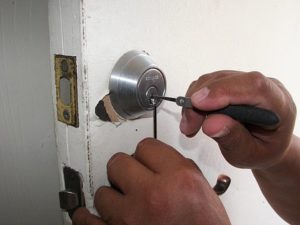
How To Replace A Deadbolt
If your deadbolt is broken and can’t be fixed, replacing it is usually straightforward.
- Remove the Old Lock: Unscrew the deadbolt from the inside.
- Take Out the Cylinder and Bolt: Pull them from the door.
- Check the Door and Frame: Make sure the hole is clean and free of debris.
- Install the New Deadbolt: Follow instructions carefully. Line up the bolt with the strike plate.
- Test the New Lock: Try both the key and thumbturn.
Most deadbolts can be replaced in 15–30 minutes with basic tools. Always choose a deadbolt that matches your door’s thickness and material.
Choosing The Right Deadbolt: What Matters Most
If you need to buy a new deadbolt, focus on these factors:
- Security Level: Look for Grade 1 or Grade 2 deadbolts. Grade 1 is best for home security.
- Fit and Size: Make sure the deadbolt fits your door’s thickness (usually 1-3/8″ to 2″).
- Bolt Length: Choose bolts at least 1″ long.
- Material: Solid brass, steel, or bronze are most durable.
- Installation Ease: Some deadbolts are easier to install than others.
- Weather Resistance: If your door faces outside, pick a lock with good weather seals.
- Key Type: Decide between single or double cylinder.
- Brand Reputation: Choose brands with proven reliability.
Here’s a quick comparison of common deadbolt brands:
| Brand | Security Grade | Ease of Installation | Price Range |
|---|---|---|---|
| Schlage | Grade 1 | Easy | $30–$90 |
| Kwikset | Grade 2 | Very Easy | $25–$70 |
| Baldwin | Grade 1 | Moderate | $60–$150 |
| Yale | Grade 2 | Easy | $40–$80 |
A common mistake is choosing a deadbolt based only on price. It’s better to spend a little more for proven security and long-lasting performance.
Real-life Examples And Statistics
It’s easy to think deadbolt problems are rare, but statistics show otherwise. According to the National Crime Prevention Council, around 34% of break-ins happen through the front door, often because of faulty locks. In a 2022 survey, 22% of homeowners said they had trouble with deadbolts not turning at least once.
- Example 1: A homeowner in Michigan found their deadbolt wouldn’t turn during winter. The cause was a frozen lock, solved with a de-icer spray.
- Example 2: An apartment resident in California struggled with a stiff deadbolt. The problem was a misaligned strike plate, fixed by adjusting the door hinges.
- Example 3: In Texas, a business owner faced a deadbolt that turned freely but didn’t lock. The cylinder was loose, and tightening the screws solved it.
Most deadbolt issues are minor and can be fixed without a locksmith. But in busy cities, locksmiths report up to 50 deadbolt repair calls per week.
Advanced Solutions: Smart Deadbolts And Electronic Locks
If you want to avoid traditional deadbolt problems, consider smart deadbolts or electronic locks. These use keypads, fingerprint readers, or smartphone apps.
Benefits:
- No key to lose or wear out.
- Easier to monitor and control access.
- Can be locked or unlocked remotely.
Drawbacks:
- Batteries can fail.
- Electronic parts can malfunction.
- More expensive to fix.
Smart deadbolts are less likely to jam, but when they do, repairs are harder and costlier.
Safety Tips: Avoiding Damage And Staying Secure
When fixing or handling deadbolts, safety is important. Here are some tips:
- Never Force the Key: Forcing can break the key or damage the cylinder.
- Use Proper Lubricants: Only use graphite or silicone sprays.
- Protect Your Hands: Wear gloves when removing locks.
- Keep Spare Keys Secure: Don’t leave them outside; use a lockbox.
- Update Locks Regularly: Replace old deadbolts every 8–10 years.
- Don’t Ignore Small Issues: Fix sticking or rough locks right away.
Many people ignore small lock problems until they become emergencies. Regular attention keeps your door secure.
Frequently Asked Questions
Why Does My Deadbolt Work With The Door Open But Not Closed?
This is usually a misalignment problem. The bolt doesn’t fit into the strike plate hole when the door is closed. Adjust the hinges or strike plate to fix it.
Can I Fix A Deadbolt Myself, Or Should I Call A Locksmith?
Most deadbolt problems can be fixed at home with basic tools, especially alignment, lubrication, or key issues. Call a locksmith for internal damage, high-security locks, or if you’re locked out.
What Lubricant Is Best For Deadbolts?
The best choices are graphite powder or silicone-based sprays. Avoid oil-based sprays like WD-40, which attract dust and cause more jams.
How Often Should I Replace My Deadbolt?
Replace deadbolts every 8–10 years or sooner if you notice rust, stiffness, or security problems. High-quality deadbolts last longer, but regular maintenance is key.
Are Smart Deadbolts Better Than Traditional Ones?
Smart deadbolts offer convenience and remote control, but they can fail if batteries die or electronics malfunction. Traditional deadbolts are simpler and easier to fix. Choose based on your needs and budget.
Being locked out or struggling with a deadbolt that won’t turn is frustrating, but most issues are simple to fix if you know what to look for. With regular maintenance, careful troubleshooting, and the right tools, you can keep your door secure and avoid expensive repairs. For more detailed lock information, visit Wikipedia.
The next time your deadbolt won’t turn, you’ll know exactly what to do—and how to prevent it from happening again. Your security and peace of mind depend on a working lock. Take care of it, and it will take care of you.