
If your electric stove burner stops working, it can feel like your kitchen is on pause. Many people face this problem, and it can happen for different reasons. The good news is that most electric stove burner issues have clear causes and solutions. Understanding how your stove works helps you fix the problem faster, avoid common mistakes, and stay safe while troubleshooting.
People often think they need to call a repair technician right away, but sometimes a simple check or adjustment can get your stove working again. This article will guide you through the main reasons an electric stove burner stops working, how to diagnose the issue, and what steps you can safely take to fix it.
We’ll also cover when professional help is needed and answer the most common questions people have about electric stove burners.
How Electric Stove Burners Work
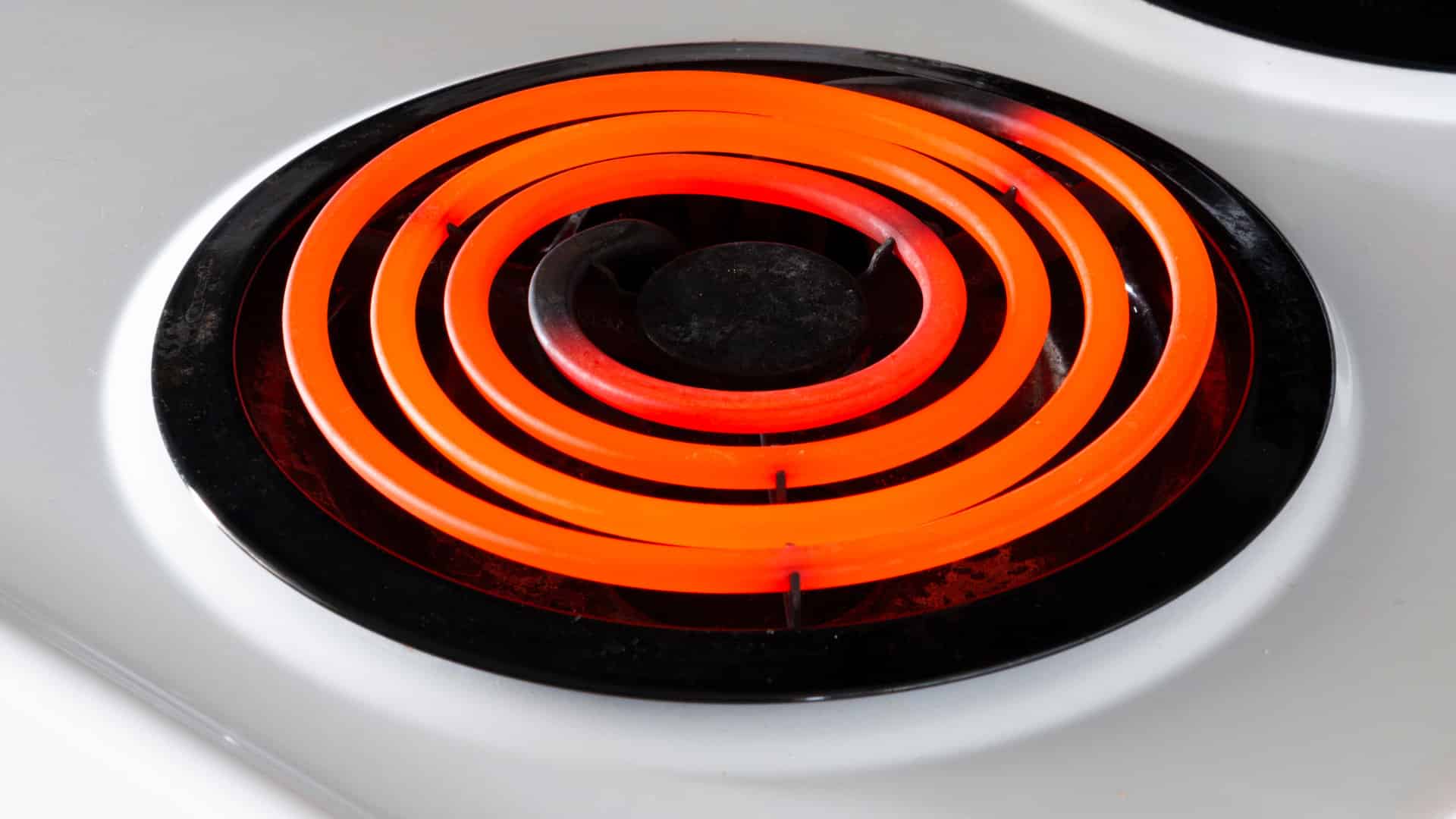
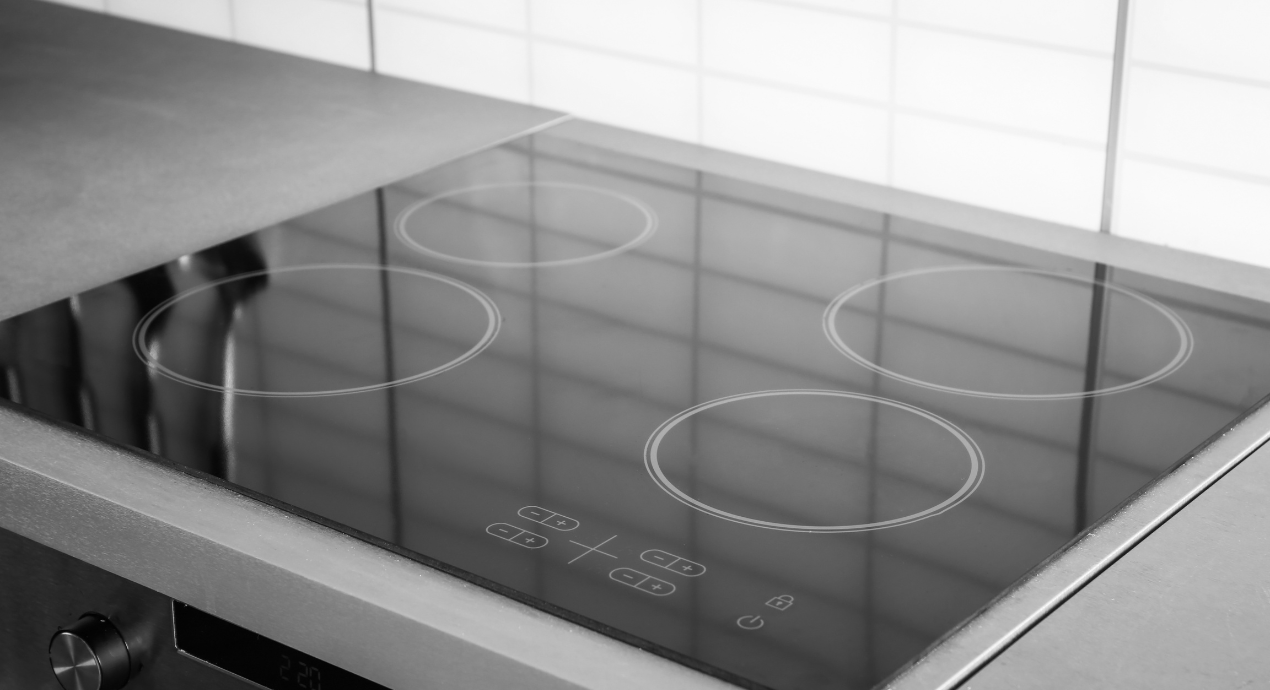
Electric stove burners use electricity to heat up coils or a flat surface. When you turn the control knob, electricity flows to the burner. The coil or heating element gets hot and transfers heat to your pan. Some stoves use visible coil burners, and others have smooth glass cooktops with hidden heating elements.
Inside the stove, several parts work together:
- Burner element: The coil or ring that heats up.
- Receptacle: The socket that connects the burner to the stove’s power.
- Control switch: The knob or dial you turn to set the heat.
- Wiring and fuses: Carry and control electricity.
If any of these parts fail, your burner may not work. Sometimes, the problem is simple, like a loose connection. Other times, it’s more serious, like a broken element.
Common Reasons An Electric Stove Burner Stops Working
When a burner won’t heat up, it’s usually caused by one of these issues:
- Burner element failure: The heating coil can burn out or break.
- Loose or corroded connections: Wires or contacts may come loose or rust over time.
- Faulty burner switch: If the switch inside the knob fails, the burner won’t get power.
- Problems with the receptacle: The socket holding the burner can wear out.
- Blown fuse or tripped circuit breaker: Power may be cut off at the electrical panel.
- Control board issues: In modern stoves, a failed control board can stop power.
- Thermal overload: Some stoves have safety features that shut down overheating burners.
Even if only one burner stops working, check all these areas. Fixing the right part can save you time and money.
Diagnosing The Problem
Before you try to fix anything, safety comes first. Always unplug the stove or turn off the power at your home’s circuit breaker.
Step-by-step Troubleshooting
- Test another burner: Swap the non-working burner with a working one (if your stove has removable coils). If the swapped burner works, the problem is with the original burner element.
- Inspect the coil: Look for cracks, blisters, or breaks. A damaged coil cannot heat.
- Check the receptacle: If the burner works in another socket, the original receptacle may be faulty.
- Test the switch: If swapping burners doesn’t help, the problem may be the switch. Turn the knob and listen for a click or any sign of movement.
- Check the power supply: Make sure the stove is plugged in and the circuit breaker is not tripped.
- Look for error codes: On newer stoves, the display may show a code if there’s a problem with the control board.
What Tools Will You Need?
You may need:
- Screwdriver
- Multimeter (for checking voltage)
- Flashlight
- Replacement parts (if needed)
If you don’t feel comfortable using a multimeter or opening the stove, it’s better to call a professional.
Fixing The Most Common Issues
Some problems are easy to solve at home. Here’s how you can handle the most frequent electric stove burner failures.
Replacing A Burned-out Coil
For stoves with removable coil burners:
- Turn off all power to the stove.
- Gently pull out the coil from the receptacle.
- Insert a new coil of the same type.
- Turn the power back on and test.
Always match the size and shape of your old coil. The wrong coil can damage your stove.
Cleaning Or Replacing The Receptacle
A corroded or burned receptacle can cause a burner to stop working.
- Unplug the stove.
- Remove the burner coil.
- Inspect the receptacle for black marks, rust, or melting.
- If damaged, unscrew the old receptacle and attach a new one, matching the wires as they were.
Non-obvious insight: Sometimes, a small amount of corrosion can cause an “intermittent” burner—one that works only sometimes.
Replacing A Faulty Burner Switch
If the control switch is the problem, you’ll need to:
- Remove the stove’s control panel (check your manual).
- Unscrew the faulty switch.
- Disconnect the wires (mark them so you remember where they go).
- Attach the new switch and screw it back in place.
Always buy the correct switch for your stove model.
Resetting The Circuit Breaker Or Replacing A Fuse
If multiple burners are not working, check your home’s electrical panel. Flip the circuit breaker off and back on. If you have fuses, look for a burned-out fuse and replace it.
Comparing Common Electric Stove Burner Problems
Here’s a simple comparison of what you might see, and what it usually means.
| Symptom | Most Likely Cause | DIY Friendly? |
|---|---|---|
| Single burner won’t heat | Burner element or receptacle | Yes |
| All burners dead | Power supply issue | Sometimes |
| Burner heats unevenly | Loose connection or worn coil | Yes |
| Control knob feels loose | Switch or knob damage | Yes |
| Burner turns off by itself | Thermal overload or control board | No |
When To Call A Professional
Some problems need expert help. Call a technician if:
- You smell burning plastic or see smoke.
- The stove trips the breaker every time you turn it on.
- You find exposed wires or melted parts.
- The control board is faulty (especially on glass-top stoves).
- You tried the above steps, but nothing works.
Non-obvious insight: Modern stoves have many electronic parts. Trying to fix these yourself can void your warranty or cause more damage.

Preventing Future Burner Problems
Taking care of your electric stove reduces the chance of problems.
- Clean spills quickly: Food and liquid can cause corrosion or electrical shorts.
- Avoid dropping heavy pots: This can crack glass or bend coil burners.
- Check burner connections: Every few months, make sure burners are seated firmly.
- Don’t overload outlets: Plugging too many appliances into one outlet can trip breakers.
- Use proper cookware: Pans with flat bottoms heat more evenly and protect the burner.
- Follow the manual: Each stove model has unique care instructions.
Cost Of Electric Stove Burner Repairs
The price depends on the part and labor needed. Here’s a rough estimate:
| Repair Type | Average Cost (USD) |
|---|---|
| Replace burner coil | $20 – $50 (DIY) |
| Replace receptacle | $15 – $35 (DIY) |
| Replace switch | $40 – $100 |
| Professional labor | $80 – $200 (per visit) |
| New control board | $120 – $400 |
For older stoves, if repair costs are high, compare with the price of a new appliance.
Glass Top Vs Coil Burner Stoves
Both types of electric stoves have unique benefits and common problems.
| Feature | Glass Top | Coil Burner |
|---|---|---|
| Heating speed | Slower, but even | Faster, but less even |
| Repair difficulty | Harder (more electronics) | Easier (simple parts) |
| Durability | Can crack with heavy pots | Coils can bend or wear |
| Cleaning | Easy, smooth surface | Coils and pans must be removed |
Insight: Coil burners are easier for DIY repairs, while glass tops often require professionals.
Safety Tips For Diy Stove Repair
- Always disconnect power before opening any part.
- If you see sparks, burning smells, or melted parts, stop and call for help.
- Use only replacement parts made for your stove model.
- Never use water to clean electrical parts—use a dry cloth.
- If you’re unsure about any step, it’s safer to ask an expert.
Where To Get Replacement Parts
You can find stove parts at hardware stores, appliance shops, or online. Always:
- Use your stove’s model number to get the correct part.
- Choose parts from trusted brands or the stove manufacturer.
- Read reviews and check return policies before buying.
If your stove is still under warranty, contact the manufacturer first.
Saving Money With Regular Maintenance
Regular checks and cleaning can save you from expensive repairs. Every few months, do these quick tasks:
- Remove burners and clean contacts.
- Wipe down the stove top and control panel.
- Check cords and plugs for wear.
- Test each burner for even heating.
A few minutes of attention can add years to your stove’s life.
Frequently Asked Questions
Why Does My Electric Stove Burner Only Work Sometimes?
Intermittent problems are often caused by loose connections or corroded receptacles. Check if the burner is seated firmly and inspect for signs of rust or burning.
Can I Use My Stove If One Burner Is Not Working?
Yes, you can usually use the other burners safely. However, avoid using a burner that is sparking or smells like burning plastic. It’s best to fix the problem soon to prevent further damage.
How Do I Know If My Burner Coil Is Bad?
A bad burner coil may show visible cracks, blisters, or discoloration. It may also not heat at all, or heat unevenly. Swapping the coil with another burner can confirm if the coil itself is the problem.
Is It Safe To Repair An Electric Stove Myself?
Simple repairs like replacing a burner coil or cleaning the receptacle are usually safe if you unplug the stove first. For anything involving wiring, control boards, or if you’re unsure, call a professional.
Where Can I Learn More About Electric Stove Repairs?
You can find more detailed guides and safety information from trusted sites like the Family Handyman.
If your electric stove burner is not working, don’t panic. Most problems have clear solutions, and with a little care, you can get your kitchen back in action safely and quickly. Regular maintenance and quick attention to small issues can keep your stove reliable for years to come.