
If you own a Pentair Mastertemp 400 pool heater, you probably enjoy the comfort of warm water in your pool or spa. However, like any machine, this heater can face problems over time. Understanding common issues helps you keep your heater running well and avoid bigger repairs.
In this article, you’ll learn about the top problems with the Pentair Mastertemp 400, simple ways to troubleshoot them, and tips for reliable performance.
Understanding The Pentair Mastertemp 400
The Pentair Mastertemp 400 is a popular gas-powered pool and spa heater. It’s known for fast heating, energy efficiency, and easy controls. But with use, you might see error codes or notice the heater isn’t working as expected. Many problems have simple causes and solutions, but some need professional repair.
Most Common Pentair Mastertemp 400 Problems
Heater Won’t Start
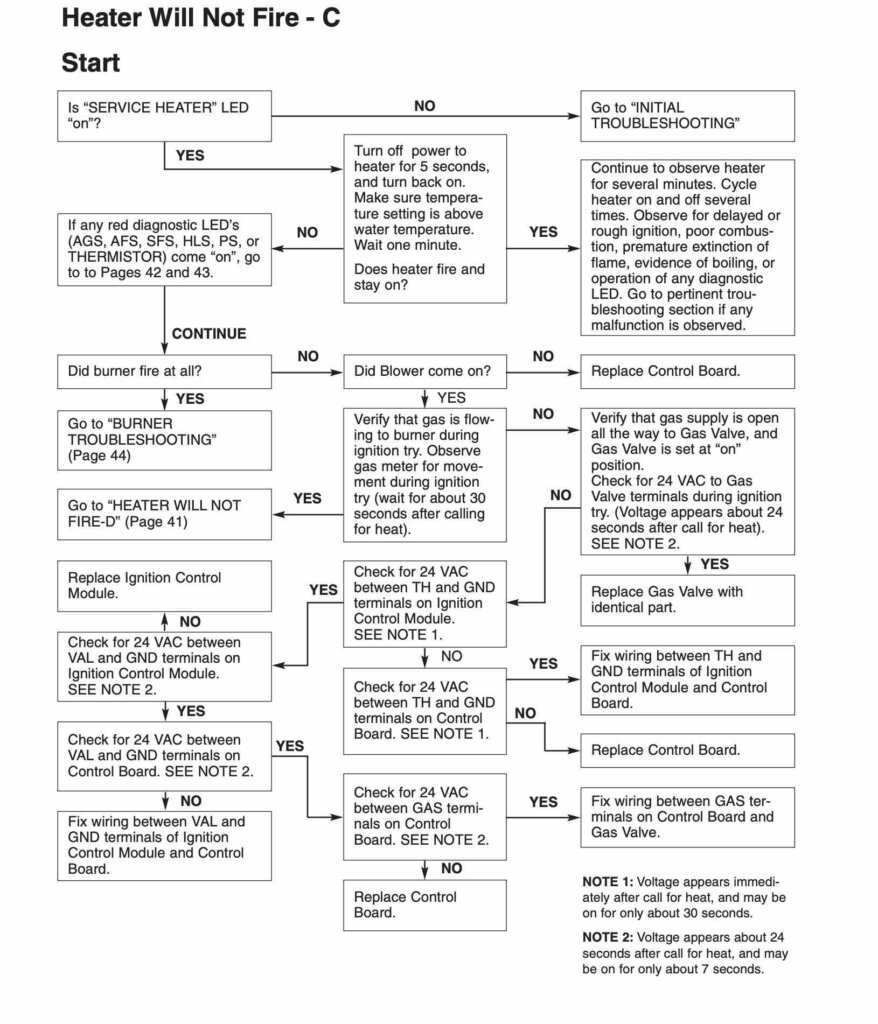
One of the most frequent problems is the heater not turning on. This can happen for many reasons. Sometimes, the power supply is off or the circuit breaker has tripped. Make sure the heater switch is on and check for a blown fuse.
Low water flow is another cause. If the pool pump isn’t running or the filter is dirty, the heater won’t start. Clean the filter and make sure the pump is working. Check the water pressure switch, as it stops the heater if water flow is too low to protect the unit.
Gas supply problems also stop the heater. If you use natural gas or propane, check that the gas valve is open and the supply is not empty. For propane, make sure the tank is not empty or nearly empty.
Non-obvious insight: Sometimes, small animals can chew wires near the heater. Inspect for damaged wires if you can’t find another cause.
Heater Turns On, But No Heat
It’s frustrating when the Mastertemp 400 starts, but the water stays cold. This usually means the heater is not producing a flame, or the flame sensor is not detecting it.
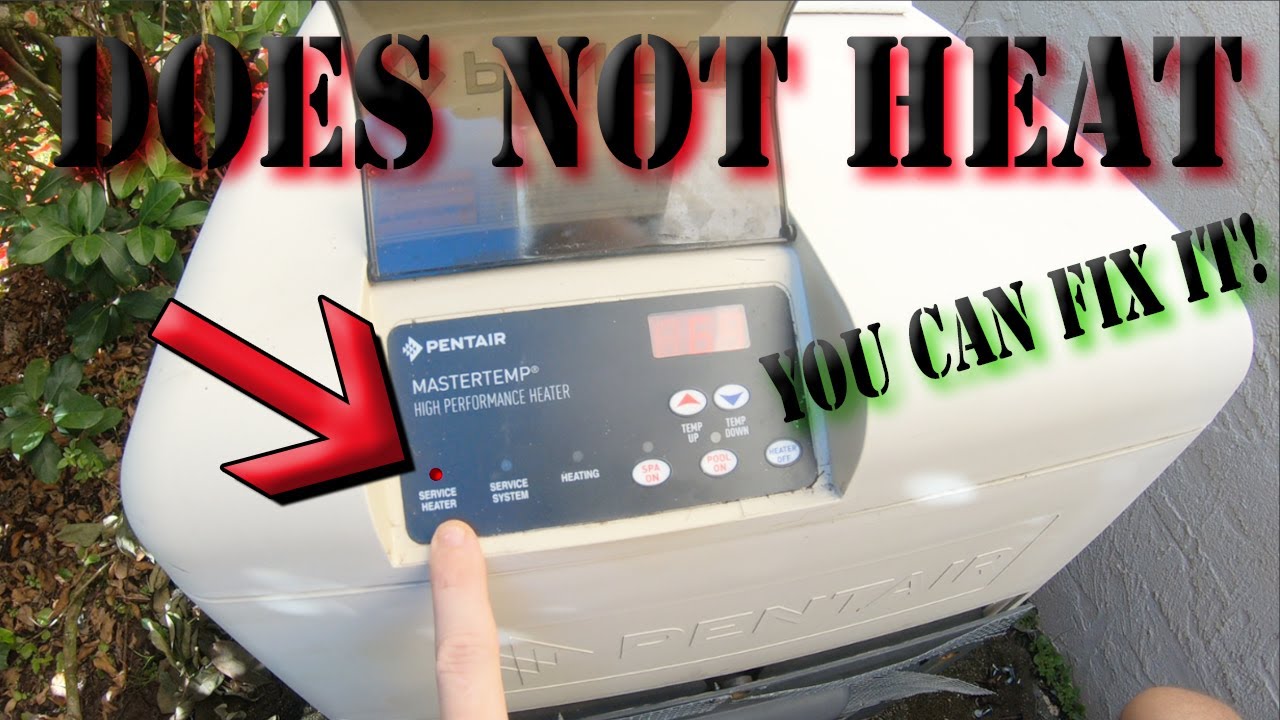
Check for error codes on the control panel. The “Service Heater” light or “E05” code often means ignition or flame problems. Sometimes, the igniter is dirty or worn out. A simple cleaning or replacement can solve the problem.
Another cause is a blocked gas line or dirty burner. Dirt, spiders, or insects can block gas flow. Gently clean the burner area with a soft brush. Always turn off power and gas first.
If you smell gas, stop and call a professional. Gas leaks are dangerous.
Error Codes On Display
The Pentair Mastertemp 400 shows error codes when there’s a problem. Some common codes include:
- E01: High limit – The water got too hot, so the heater shut down.
- E05: Ignition failure – The heater tried to start but didn’t light.
- E06: Flame sense lost – The heater lit but lost the flame signal.
- E03: Water pressure switch open – Water flow is too low.
Check the manual for each code and what it means. Reset the heater after fixing the issue. If the problem comes back, you might need a new sensor or switch.
Practical example: If you see “E03,” check for a clogged filter or low pool water level.
Noisy Operation
Heaters shouldn’t make loud banging, whistling, or grinding sounds. Strange noises can mean several things. A whistling sound often points to a gas flow issue. Banging may mean water is boiling inside, caused by low flow or a blocked heat exchanger.
Check for air in the system by bleeding the lines. Clean the filter and pump basket. If noises continue, the heat exchanger may have scale buildup from hard water.
Non-obvious insight: Running the heater with the pump off can cause severe damage and loud noises. Always run the pump before starting the heater.
Water Leaks
Water leaks around the heater are common, especially as the unit ages. Leaks can come from pipe connections, the pressure relief valve, or inside the heater if seals or gaskets fail.
Look for wet spots under the heater or dripping water. Tighten any loose connections. If the leak is inside, the heat exchanger may be leaking—a costly repair that often means replacement.
Leaks can attract ants or insects, which can then cause electrical issues inside the heater.
Soot Or Black Marks
If you see soot or black marks on the heater or exhaust, the burner isn’t burning cleanly. This can be dangerous, as it means incomplete combustion. Causes include a dirty burner, blocked vent, or wrong gas pressure.
Clean the burner and check the exhaust is clear. If soot keeps appearing, have a technician check gas pressure and adjust the burner.
Safety note: Soot means carbon monoxide is forming. Always vent the heater properly and never ignore soot.
Heater Short Cycling
Short cycling is when the heater turns on and off quickly. This wears out parts and wastes energy. Main causes are a faulty thermostat, dirty filter, or water flow problems.
Check the thermostat setting. Clean or replace the pool filter. Also, make sure the heater size matches your pool size—oversized heaters can short cycle.
Short cycling can also be caused by a bad temperature sensor. This part is easy to replace.
Rust Or Corrosion
Over time, water and chemicals can cause rust on the heater’s metal parts. Corrosion weakens the unit and can cause leaks. Check for rust around pipe fittings and the base of the heater.
Wipe away rust and repaint with a high-temperature paint. For severe corrosion, replace the affected parts. Keeping the heater dry and away from sprinklers helps prevent rust.
Error With Control Board
Sometimes the digital control board fails. Signs include a blank display, random error codes, or buttons not working.
Reset the heater by turning off power for a few minutes. If the problem returns, the board may need to be replaced.
Advanced insight: Power surges can damage the board. Installing a surge protector can help.
Unusual Smells
A burning smell can mean dust or debris on the burner. A chemical smell may mean a leak in the heat exchanger or pipes. Always investigate strange odors.
Turn off the heater and check for visible problems. For gas smells, call a professional right away.
How To Troubleshoot Your Pentair Mastertemp 400
Troubleshooting can save time and money. Here’s a simple approach:
- Check Power and Gas: Make sure the heater is plugged in, the breaker is on, and the gas valve is open.
- Inspect Water Flow: Clean the pool filter, make sure the pump is running, and check the water level.
- Read Error Codes: Use the display to find problems. Look up codes in the manual.
- Check for Leaks or Blockages: Inspect all pipes, valves, and the burner area.
- Reset the Heater: After fixing a problem, turn off power for 5 minutes, then back on.
If these steps don’t solve the issue, contact a Pentair service technician.
Preventing Problems: Maintenance Tips
Regular maintenance keeps your heater working well and extends its life. Here’s what you should do:
- Clean the pool filter every 1–2 weeks.
- Check the heater for leaks and rust monthly.
- Remove dirt, leaves, and insects from around the heater.
- Schedule a yearly professional inspection, especially before the swimming season.
Bonus tip: Run the heater for a few minutes each month during winter, even if you don’t use the pool. This helps prevent parts from sticking.
When To Call A Professional
Some heater problems need expert help. If you smell gas, see constant error codes, or find serious leaks, call a qualified technician. Trying to fix gas or electrical issues yourself can be dangerous.
Look for a technician with experience in Pentair heaters. They can quickly diagnose the problem and have the right parts.
Avoiding Costly Mistakes
Many owners try to fix everything themselves. This can lead to bigger problems, especially if you’re not familiar with gas or electrical parts. Always turn off power and gas before opening the heater. Never bypass safety switches—they protect you and your property.
If your heater is older than 10 years and needs a new heat exchanger or control board, compare repair costs with a new heater. Sometimes, replacement is the better value.
External resource: For more detailed troubleshooting steps, see [Pentair’s official Mastertemp support page](https://www.pentair.com/en-us/support/pool-heaters.html).
Final Thoughts
The Pentair Mastertemp 400 is a reliable pool heater, but regular maintenance and quick attention to problems are key. By knowing the most common issues—like startup trouble, error codes, leaks, and noise—you can solve small problems before they become big repairs.
Always follow safety rules, and don’t hesitate to call a professional for serious issues. With good care, your heater will give you years of warm, enjoyable swimming.