
If you own a Ford F150, you know it’s built for tough jobs and unpredictable weather. But when your windshield wipers stop working correctly, even the strongest truck can become unsafe. Wiper problems aren’t just annoying—they can put you and your passengers at risk, especially during rain or snow. Many F150 owners deal with wiper issues at some point, but not all problems are obvious at first. Understanding how to spot, diagnose, and fix wiper problems can keep your truck safe and reliable on the road.
This guide explains the most common Ford F150 windshield wiper problems, their causes, and how to solve them. Whether your wipers won’t move, make strange noises, or leave streaks, you’ll find practical advice here. You’ll also learn how to avoid mistakes that can cost you extra time and money.
Common Ford F150 Windshield Wiper Problems
Several issues can affect your wipers, and each one has its own solution. Here are some of the most frequent problems F150 owners report.
Wipers Not Moving At All
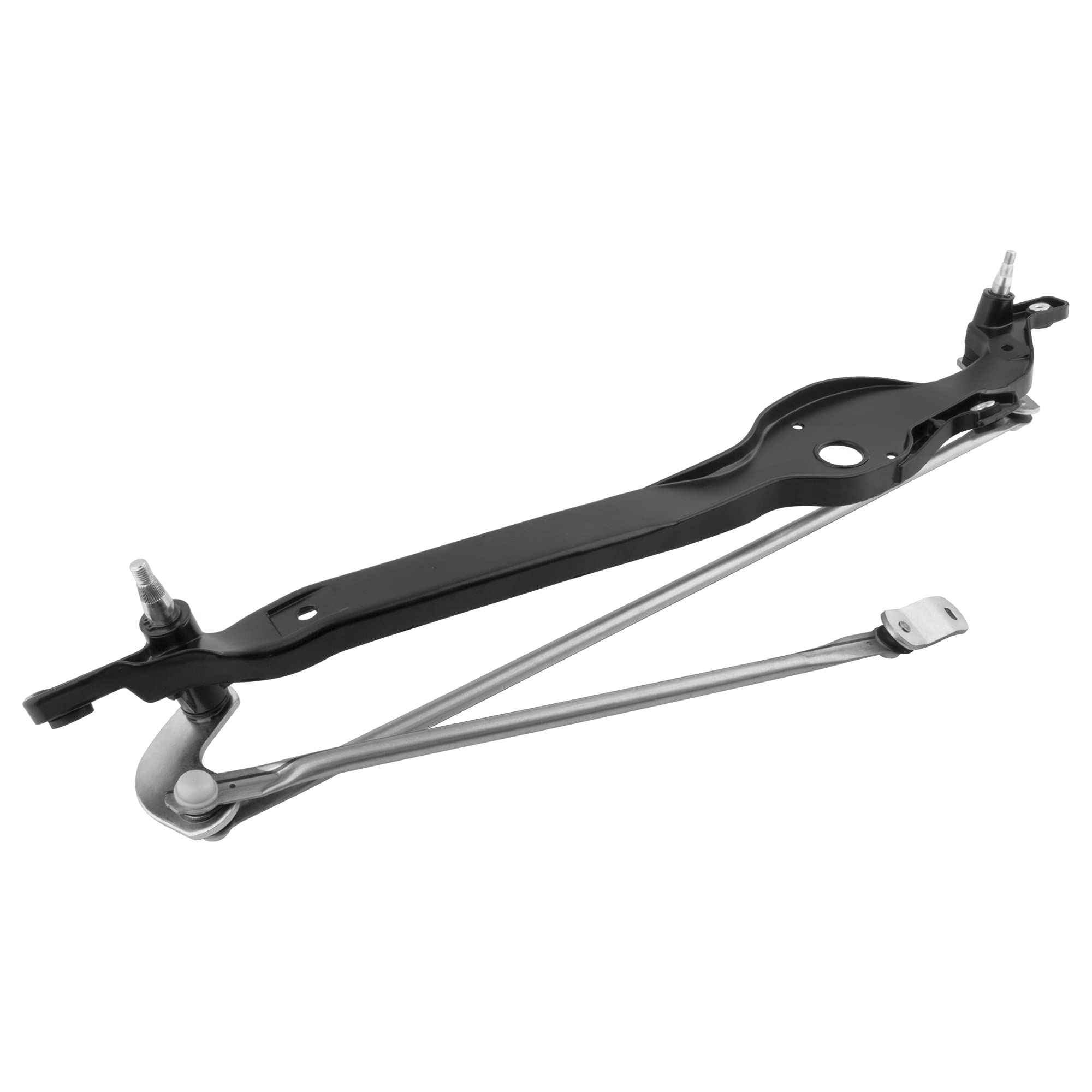
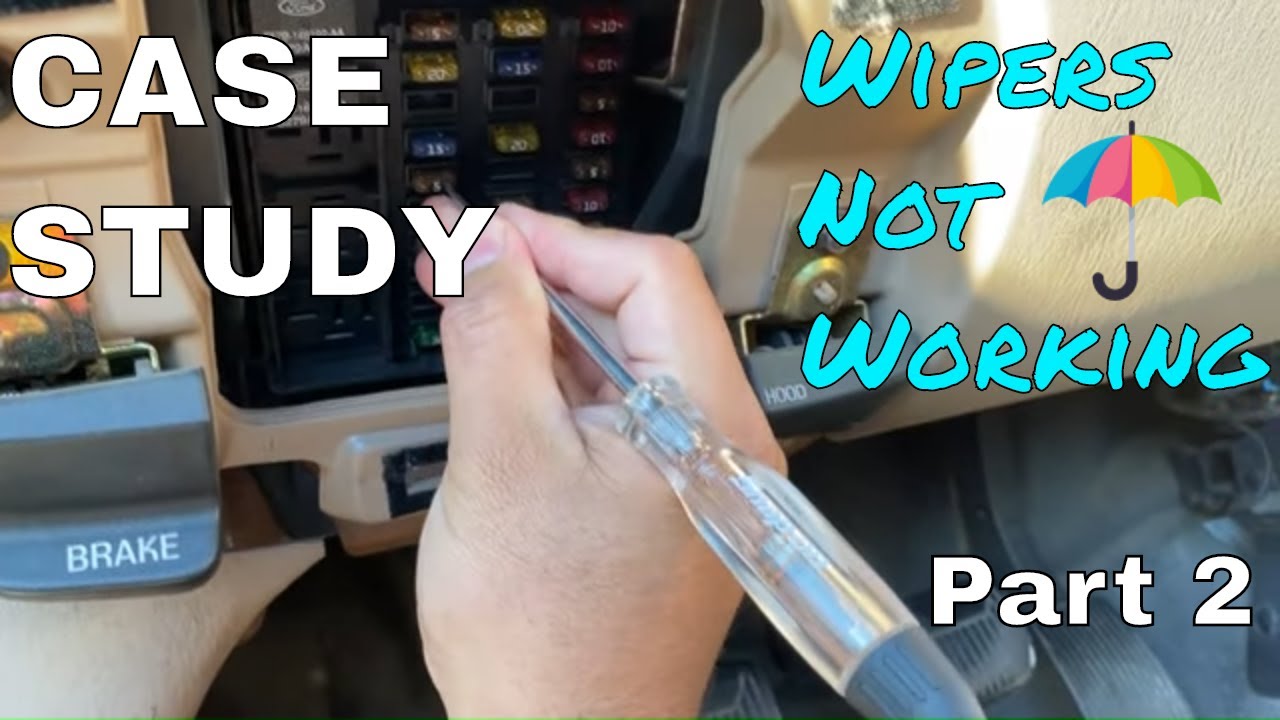
If you turn on your wipers and nothing happens, it usually means a problem with the wiper motor, fuse, or wiring. Before replacing parts, check the fuse—sometimes it blows due to a power surge. If the fuse is fine, the motor might be worn out or the wiring could be disconnected. Sometimes, a stuck linkage prevents the motor from moving the arms.
Wipers Move Slowly
Slow wipers often point to a weak wiper motor or worn-out mechanical parts. Dirt, debris, or rust in the linkage can also slow things down. If your battery is weak, it may not supply enough power for normal wiper speed.
Wipers Don’t Park In The Right Place
If your wipers stop in the middle of the windshield, the park switch or wiper relay may be faulty. This can also happen if the linkage is out of alignment.
Wipers Skip, Streak, Or Smear
When your wipers leave streaks or miss spots, the wiper blades are usually worn or damaged. Old blades can’t grip the glass well, especially after a hot summer or icy winter. Sometimes, the windshield itself is dirty or oily, and cleaning it can solve the problem.
Wipers Make Noise
Squeaking or chattering wipers can drive anyone crazy. This noise often means the wiper blades are hard, dry, or not installed correctly. A dirty windshield or blade can also cause squeaks.
Wipers Won’t Turn Off
If your wipers keep running after you turn them off, the wiper relay or switch may be stuck. Sometimes, moisture or corrosion inside the switch causes this issue.
Wiper Fluid Not Spraying
When you press the button but no fluid comes out, check the washer pump and fluid reservoir. The lines could be clogged, or the pump might be broken.
Wipers Work On One Speed Only
If you lose the variable speeds, the wiper switch or control module might be the problem. Sometimes, the motor’s internal circuits fail, causing the wipers to only work on high or low.
Wipers Stop Mid-swipe
This can be dangerous, especially if you’re driving in heavy rain. It often means the wiper motor is overheating or the linkage is jamming.
Wiper Blades Come Off
Loose or incorrectly installed blades can slide off during use. Always double-check the attachment after replacing blades.
Diagnosing Wiper Problems
Finding the root cause is the first step. Here’s how to check your system:
- Listen for Sounds – A clicking or humming noise means the motor is trying to work. Silence means a power issue.
- Check the Fuse – The F150’s wiper fuse is usually in the under-dash fuse box.
- Inspect the Blades – Torn or stiff blades should be replaced immediately.
- Test the Washer – If fluid doesn’t spray, listen for the pump. If silent, check the fuse and wiring.
- Look for Loose Parts – Move the arms by hand (with the truck off). If they wiggle, the linkage may be loose.
How To Fix Common Ford F150 Wiper Problems
Some problems are easy to solve at home, while others need a mechanic. Here’s how to handle the most common issues.
Replacing Wiper Blades
Most F150 wiper blades are easy to swap. Lift the arm, press the release tab, and slide the old blade off. Attach the new blade until it clicks into place. Always check the owner’s manual for the right size.
Changing The Wiper Fuse
Turn off the truck and open the fuse box. Find the wiper fuse (see the diagram inside the box cover or in your manual). Replace it with one of the same rating.
Cleaning The Windshield
Use glass cleaner and a clean towel to remove dirt or film. Don’t forget the area where the wipers rest.
Fixing The Washer Fluid System
Top off the fluid reservoir if it’s empty. If the pump doesn’t run, check the fuse and wiring. Clean clogged nozzles with a pin.
Lubricating Wiper Linkage
Rusty or stiff linkage can slow or stop your wipers. Use a spray lubricant on the moving parts under the hood.
Resetting The Wiper Arms
If your wipers park in the wrong spot, remove the arms (with the truck off), set them in the correct position, and tighten the nuts.
When To See A Mechanic
If you’ve tried the basics and your wipers still won’t work, the wiper motor or electrical system may need professional help. Don’t wait driving without wipers in bad weather is dangerous.
Data: Ford F150 Wiper Motor Failures
Here’s a look at wiper motor failures across different F150 model years.
| Model Year | Reported Motor Failures (%) | Average Repair Cost (USD) |
|---|---|---|
| 2015 | 4.7 | 320 |
| 2018 | 5.2 | 340 |
| 2020 | 3.9 | 355 |
As you can see, motor failure isn’t extremely common, but it’s not rare either. Costs have risen in recent years.
The Hidden Cause: Poor Ground Connections
A problem many people miss is a bad ground connection. The wiper motor needs a solid ground to work. If the ground wire is loose or corroded, the motor may work sometimes or not at all. Cleaning and tightening the ground connection can solve stubborn wiper problems.
Wiper Blade Types: Which Is Best For F150?
Choosing the right blade makes a big difference. Here’s a quick comparison.
| Type | Durability | Performance in Rain | Cost |
|---|---|---|---|
| Conventional | Medium | Good | Low |
| Beam | High | Excellent | Medium |
| Hybrid | Very High | Excellent | High |
Beam and hybrid blades last longer and perform better, especially in heavy rain or snow.
Expert Tips For Longer-lasting Wipers
- Replace blades every 6-12 months – Don’t wait until they fail.
- Clean the windshield and blades regularly.
- Avoid using wipers on dry glass – This wears blades fast.
- Lift wipers during snow or ice to prevent sticking.
- Check washer fluid before long trips.
What Most F150 Owners Miss
Many owners ignore small wiper problems, like odd noises or slow movement. These minor issues often lead to bigger failures if not fixed early. Also, don’t forget the rear wiper if your F150 has one—it needs the same care as the front.
Another insight: aftermarket wiper motors or switches sometimes don’t fit perfectly, causing ongoing problems. Stick with OEM parts when possible.

Model Year Differences
Not all F150s have the same wiper system. For example, 2015–2020 models use a different motor and linkage than older trucks. Always check your model year before ordering parts or following repair guides.
Recalls And Safety Notices
Some F150s were recalled for wiper motor defects. If your truck is part of a recall, repairs are usually free. Check your VIN on the official Ford recall site or NHTSA for the latest updates.
When To Upgrade Your Wipers
If you drive in areas with heavy rain, snow, or mud, consider upgrading to premium blades and a stronger motor. They cost more but last longer and give better visibility.
Cost Comparison: Diy Vs. Professional Repair
Here’s how the costs break down for common wiper repairs.
| Repair Type | DIY Cost (USD) | Shop Cost (USD) | Time Needed |
|---|---|---|---|
| Wiper Blade Replacement | 25 | 60 | 15 min |
| Wiper Motor Replacement | 130 | 350 | 2 hr |
| Switch/Relay Replacement | 35 | 120 | 1 hr |
Doing basic repairs yourself can save money, but more complicated electrical work is best left to a pro.
Frequently Asked Questions
Why Do My Ford F150 Wipers Make A Chattering Sound?
Chattering usually means the blades are hard or dirty, or the windshield has a waxy film. Clean both surfaces and replace old blades.
How Often Should I Replace F150 Wiper Blades?
Most experts recommend changing wiper blades every 6 to 12 months, depending on use and weather conditions.
Can I Use Any Wiper Blade On My F150?
No, always check your owner’s manual for the correct size and type. Using the wrong blade can cause poor performance or even damage.
What Should I Do If My Wipers Won’t Turn Off?
This often points to a faulty relay or switch. You may need to replace these parts. If unsure, see a mechanic.
Are There Any Recalls For F150 Wiper Motors?
Yes, certain model years have had recalls for wiper motors. Visit the NHTSA website to check if your truck is affected.
Keeping your Ford F150’s windshield wipers in top shape is key for safety and comfort. By spotting problems early, using the right parts, and handling simple repairs, you’ll keep your vision clear in any weather. Don’t ignore small issues—they’re easier and cheaper to fix before they become major headaches.