
When you’re behind the wheel of a Freightliner Cascadia, a working cruise control is more than just a luxury—it’s a key part of driver comfort and efficiency. If your cruise control stops working, it can disrupt long hauls, increase fatigue, and even affect fuel economy. This problem is surprisingly common, but understanding the main causes and solutions can help you fix it faster and get back on the road safely. Whether you’re a fleet operator, an owner-operator, or a truck technician, this guide will give you practical steps to diagnose, repair, and prevent cruise control issues in your Cascadia.
Why Cruise Control Matters In The Freightliner Cascadia
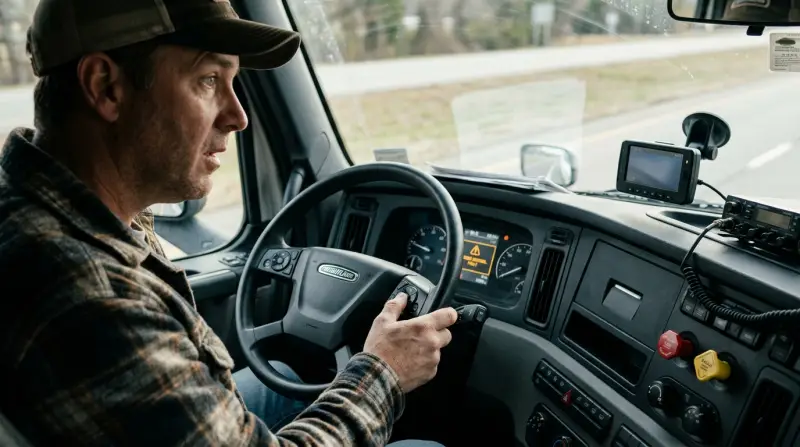
Cruise control systems in modern trucks do much more than keep a steady speed. For the Cascadia, cruise control:
- Reduces driver fatigue on long trips
- Improves fuel efficiency by minimizing speed changes
- Helps maintain legal speed limits
- Supports advanced features like adaptive cruise and collision mitigation
When it fails, drivers often notice increased leg strain, worse fuel numbers, and more frequent speeding tickets. For fleets, these issues can add up to higher costs and more downtime.
Common Symptoms Of Cruise Control Failure
Knowing exactly what’s wrong starts with recognizing the symptoms. Here are the most common signs your Cascadia’s cruise control isn’t working:
- Cruise control won’t engage: Pressing the “set” button does nothing, even at highway speeds.
- Cruise disengages suddenly: The system turns off by itself, even though you didn’t brake or press “cancel.”
- Cruise only works sometimes: Sometimes cruise control works, sometimes it doesn’t, with no clear pattern.
- Indicator lights don’t work: The dashboard light for cruise control stays off, or doesn’t change when you press buttons.
- Loss of speed holding: The truck doesn’t maintain the set speed, or accelerates/decelerates without input.
It’s important to note that a single symptom can have several possible causes. For example, a bad brake switch can cause both “won’t engage” and “sudden disengage” problems.
Major Causes Of Cruise Control Problems In Cascadia
Let’s look at the key reasons why cruise control fails in the Cascadia. These are based on real-world repair data and driver reports.
Faulty Brake Light Switch
The brake light switch tells the cruise control module when you’re pressing the brake. If it’s out of adjustment or fails, the truck “thinks” you’re always braking, so cruise control won’t engage.
- Common sign: Brake lights stuck on, even when not braking.
- Tip: Check brake lights with the ignition on, engine off.
Clutch Pedal Switch Problems
Manual Cascadias have a clutch switch that cancels cruise when the pedal is pressed. If it sticks or fails, you lose cruise control.
- Check: Make sure the clutch pedal returns fully after shifting.
Bad Cruise Control Buttons
The steering wheel or dash has cruise control switches. Over time, these can wear out, especially on high-mileage trucks.
- Sign: Other buttons work, but “Set” or “Resume” don’t respond.
Speed Sensor Failure
The vehicle speed sensor (VSS) tells the ECM how fast you’re moving. If it fails, cruise control won’t work, and you may see erratic speedometer readings.
- Sign: Check engine light, erratic speed display.
Ecm (engine Control Module) Issues
The ECM processes all cruise control commands. If there’s a software glitch or damaged wiring, cruise may fail.
- Non-obvious insight: A recent ECM re-flash or update can sometimes “break” cruise control until settings are corrected.
Blown Fuses Or Wiring Faults
Cruise control relies on several fuses and connectors. Vibration, heat, or moisture can cause poor connections or blown fuses.
- Tip: Always check the fuse box and inspect wiring near the pedals for damage.
Advanced Driver Assist Systems (adas) Interference
On newer Cascadias with collision mitigation or adaptive cruise, these systems can disable cruise control if there’s a sensor error or radar fault.
- Example: A blocked radar sensor on the front bumper disables both adaptive and regular cruise.
Step-by-step Diagnosis: Finding The Real Problem
You don’t need to be a master technician to narrow down cruise control problems. Here’s a practical approach you can use before heading to the shop:
- Check warning lights: If you see any warning lights (ABS, check engine, collision system), note them. Many times, cruise control won’t work if other systems have errors.
- Test brake and clutch switches: With the truck parked, press and release the brake and clutch. Listen for “clicks” or watch if the brake lights respond instantly.
- Inspect fuse box: Locate the fuse for cruise control (refer to your owner’s manual) and check if it’s blown.
- Try all cruise control buttons: Sometimes only one button fails. Try “Set,” “Resume,” and “Cancel” at speeds above 25 mph.
- Read diagnostic codes: If you have a code scanner, plug into the truck’s OBD-II or diagnostic port. Cruise control problems often store codes—even if the check engine light is off.
- Visual check for wiring damage: Look under the dash and around the pedals for loose wires, corrosion, or broken connectors.
If you discover a clear issue in any step, address it first—often, this solves the problem without expensive shop time.
How To Fix Cruise Control On Freightliner Cascadia
Many cruise control problems can be fixed with basic tools and a little patience. Here are the most reliable solutions:
Replacing The Brake Or Clutch Switch
- Locate the switch on the pedal arm.
- Disconnect the wiring harness.
- Unbolt or unclip the old switch.
- Install the new switch, making sure it clicks when the pedal is released.
- Test cruise control function.
Fixing Cruise Control Buttons
If only the buttons are bad, the switch assembly can be replaced. This may require removing the steering wheel cover or dash panel.
Changing A Faulty Speed Sensor
- Find the VSS, usually on the transmission or differential.
- Unplug and remove the sensor.
- Install a new sensor and reconnect the wiring.
Checking And Replacing Fuses
- Remove the fuse panel cover.
- Pull the cruise control fuse and inspect for a broken wire inside.
- Replace with the same amperage rating.
Resetting Adas Or Ecm
- Cycle the ignition off, then on, after clearing any codes.
- For some ADAS faults, cleaning the radar sensor or recalibrating the camera may be required.
Here’s a quick look at which repairs are most common and their average costs:
| Problem | DIY Fix Possible? | Average Shop Cost |
|---|---|---|
| Brake/Clutch Switch Replacement | Yes | $100–$200 |
| Button Replacement | Yes | $150–$300 |
| Speed Sensor | Yes | $120–$250 |
| ECM Reprogramming | No | $250–$600 |
| ADAS Calibration | No | $300–$1,000 |
When You Need A Professional Technician
Some problems require dealer-level tools or software updates. Call a certified Freightliner technician if you notice:
- Multiple systems failing (ABS, cruise, and collision mitigation)
- No response from any cruise buttons, even after fuse checks
- Diagnostic codes that don’t clear after repairs
- Wiring harness damage or corrosion
A professional can use advanced diagnostic tools, reflash the ECM, or repair complex wiring issues.
Preventing Future Cruise Control Problems
Prevention is always better than a breakdown. Here’s how you can avoid cruise control issues in the future:
- Regular pedal switch checks: Inspect and test brake and clutch switches every oil change.
- Keep sensors clean: For trucks with ADAS, regularly clean radar and camera sensors.
- Protect fuse boxes: Make sure fuse covers are in place to keep out moisture and dust.
- Avoid rough handling of buttons: Press cruise control buttons gently to prevent wear.
- Address warning lights quickly: Don’t ignore ABS or engine lights—they often affect cruise control.
Here’s a simple comparison of preventive actions and their impact:
| Action | Prevents | Frequency |
|---|---|---|
| Pedal switch test | Switch failure | Every oil change |
| Sensor cleaning | ADAS faults | Weekly |
| Fuse box inspection | Electrical faults | Monthly |
| Prompt warning light response | System-wide errors | As needed |
Real-world Example: A 2018 Cascadia Cruise Control Failure
Let’s look at a real case. A 2018 Cascadia lost cruise control after a heavy rain. The driver noticed the cruise light didn’t come on, and the speedometer needle jumped sometimes. A quick look showed the fuse panel was wet due to a missing cover. After drying the panel and replacing a $3 fuse, cruise control worked again. This shows how small issues—like a missing fuse box cover—can cause big headaches.

Non-obvious Insights Most Drivers Miss
- Sensor errors can disable cruise even if the “check engine” light isn’t on. Always check for hidden codes with a diagnostic tool.
- Cruise control is linked with other systems: ABS, engine, and collision mitigation. Fixing a problem in one area can restore cruise control.
- Aftermarket electronics can interfere: Adding telematics or dash cams sometimes causes wiring issues that break cruise functions.
Quick Reference: What To Do First
If your Freightliner Cascadia’s cruise control stops working:
- Check brake lights and pedal switches
- Inspect fuses and wiring under the dash
- Try all cruise buttons at highway speed
- Scan for fault codes if possible
- Clean sensors if you have collision assist
- Call for help if you find wiring damage or multiple system errors
The Role Of Software Updates
Truck electronics are more advanced than ever. Sometimes, software bugs or ECM updates can cause cruise control to stop working. After any dealer update, always test cruise control before leaving. If it fails, ask the dealer to check for missing parameters or incomplete programming. For more on software’s impact in trucking, see this industry analysis.
Frequently Asked Questions
Why Does My Cascadia’s Cruise Control Turn Off By Itself?
This usually happens if the brake or clutch pedal switch is faulty, or if there’s a sensor error in systems like ABS or collision mitigation. Check for warning lights and test pedal switches first.
Can I Drive Safely Without Cruise Control?
Yes, but you may experience more fatigue and less fuel efficiency on long drives. It’s best to fix the problem as soon as possible for comfort and efficiency.
How Do I Know If The Cruise Control Fuse Is Blown?
Locate the cruise control fuse in the fuse box (refer to your manual), pull it out, and look for a broken metal strip inside. Replace with the same rating if it’s blown.
Does Cruise Control Affect Fuel Economy In Cascadia?
Absolutely. Using cruise control can improve fuel economy by up to 6%, especially on highways with steady speeds. A broken system can cost you money over time.
Who Should Fix Advanced Cruise Control Issues?
For complex problems—especially those involving ECM software, wiring harnesses, or ADAS—it’s best to visit a certified Freightliner dealer or technician.
Cruise control is a small part of your Freightliner Cascadia, but it makes a big difference in driving comfort and efficiency. By understanding the main causes, using practical troubleshooting steps, and taking preventive actions, you can keep your cruise control working mile after mile.
When in doubt, don’t hesitate to get professional help—fixing issues early saves time, money, and stress on the road.