
A gas stove is one of the most important appliances in many kitchens. It offers quick heating and precise temperature control for cooking meals. But what happens when your gas stove is clicking but not lighting? This can be frustrating, especially when you are in a hurry. The clicking sound means the igniter is working, but if there is no flame, something is stopping the process. Understanding why this happens and how to fix it can save you time, money, and stress.
This article will guide you through the most common causes, show you step-by-step solutions, and help you decide when it’s time to call a professional. Even if you are not an expert, you’ll learn how to safely troubleshoot your gas stove using clear advice and simple explanations.
Why Does Your Gas Stove Click But Not Light?
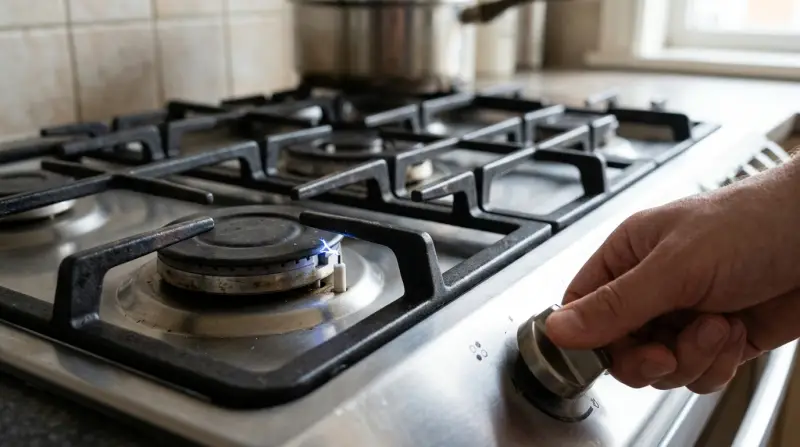
When you turn the knob on your gas stove, the igniter creates a clicking noise while it produces a spark. Gas flows from the burner, and the spark should ignite it, creating a flame. If you hear clicking but see no flame, there is a problem in this process.
Here are the key parts involved:
- Igniter: Makes the spark.
- Burner: Where gas comes out and ignites.
- Gas supply: Delivers gas to the burner.
- Control knob: Controls the gas flow.
If any of these parts fail or get blocked, your stove will click but not light.
The Most Common Causes
Let’s look at the main reasons your gas stove might click but not light.
- Wet Or Dirty Igniter: If the igniter is wet (from spills or cleaning) or covered in food debris, it may not produce a strong enough spark to ignite the gas. Even a small amount of moisture or grease can cause this.
- Burner Misalignment: Sometimes, after cleaning or moving the burner caps, they are not placed correctly. If a burner cap is not sitting flat, gas and spark may not meet, so the burner won’t light.
- Clogged Burner Holes: Over time, food spills and grease can block the small holes in the burner. This stops gas from flowing evenly, making ignition difficult or impossible.
- Faulty Igniter: If the igniter is old or damaged, it may not create a spark at all, or the spark may be too weak.
- No Gas Supply: If the gas valve is off, the gas line is blocked, or you are out of propane (for propane stoves), gas won’t reach the burner. You’ll hear clicking, but nothing will light.
- Faulty Spark Module: The spark module is the part that controls the igniter. If this part fails, you may hear clicking but get no spark, or sparks may be weak or mistimed.
- Electrical Issues: If your stove relies on electricity for ignition, a blown fuse, unplugged stove, or faulty wiring can stop the igniter from working properly.
Quick Checks Before Troubleshooting
Before you start disassembling anything, do these simple checks:
- Check the Gas Supply: Make sure the gas valve is open. If you use propane, check the tank level.
- Listen for the Spark: Is the clicking sound strong or weak? A faint or no sound means the igniter may be faulty.
- Smell for Gas: If you smell gas but the burner won’t light, stop and ventilate the area. Call a professional—gas leaks are dangerous.
Step-by-step Troubleshooting Guide
Here’s how to diagnose and fix a gas stove that clicks but won’t light.
Clean The Burner And Igniter
- Remove the burner grate and cap.
- Wipe away spills or crumbs with a dry cloth.
- Use a toothbrush or a straightened paper clip to clear any clogged burner holes.
- Gently clean the igniter tip with a dry toothbrush.
- Let all parts dry completely before reassembling.
Even a few drops of water on the igniter can stop it from sparking. Always dry everything well.
Check Burner Alignment
- Make sure the burner cap is sitting flat and centered.
- If the cap is not level, adjust it until it sits firmly.
Test The Igniter
- Turn the knob and watch for a spark at the igniter.
- If you see no spark or only a weak one, the igniter may need to be replaced.
Inspect The Gas Supply
- Confirm the gas valve is fully open.
- For propane stoves, check if the tank is empty.
- If you suspect a gas supply problem and smell gas, stop and call a professional.
Dry Out The Stove
- If you recently cleaned your stove or there was a spill, moisture might be the problem.
- Leave the burners open to air dry, or use a hairdryer on a low setting to speed up the process.
Check For Electrical Issues
- Make sure the stove is plugged in if it uses electric ignition.
- Check your circuit breaker for a tripped switch or blown fuse.
- If the igniter still does not work, the wiring or spark module may be faulty.

Comparing Causes And Solutions
It’s helpful to see how symptoms match with likely causes. Here’s a quick comparison:
| Symptom | Possible Cause | Quick Solution |
|---|---|---|
| Clicking, no flame, after cleaning | Wet igniter or misaligned burner | Dry parts, realign burner cap |
| Clicking, no spark visible | Faulty igniter or spark module | Replace igniter/module |
| Clicking, weak gas smell | Clogged burner holes | Clean burner holes |
| Clicking, strong gas smell | Gas leak | Ventilate, call professional |
| No clicking, no flame | No power or broken igniter | Check power, replace igniter |
How To Clean Your Gas Stove For Best Performance
Regular cleaning is the best way to prevent lighting problems. Here are the steps:
- Turn off all burners and disconnect the stove from power (if electric).
- Remove grates, burner caps, and burners.
- Soak these parts in warm, soapy water for 15–20 minutes.
- Use a soft brush to remove debris from burner holes and igniter tips.
- Rinse and let all parts dry fully before reassembling.
Insider Tip: Do not use sharp metal objects on burner holes or igniters—this can damage them.
When To Replace Parts
Some problems cannot be fixed by cleaning. Here’s when you should consider replacing parts:
- Igniter: If it’s cracked, worn, or no longer sparks.
- Spark module: If all burners fail to spark but the stove is getting power.
- Burner cap: If it’s warped or damaged and can’t sit flat.
- Wiring: If you see burned or frayed wires.
If your stove is more than 10 years old, parts may fail more often. Replacement parts are often available from the manufacturer or appliance repair stores.
Professional Vs. Diy: When To Call An Expert
Some problems can be safely fixed at home, while others require a professional. Here’s a quick guide:
| Problem | DIY or Professional? |
|---|---|
| Cleaning burners and igniters | DIY |
| Replacing igniter or burner cap | DIY (if comfortable) |
| Gas leaks or gas line problems | Professional |
| Wiring or spark module replacement | Professional |
| Recurring ignition failure | Professional |
If you ever smell strong gas or feel unsure, leave the area and call a professional right away.
Two Non-obvious Insights For Beginners
- Moisture is often the main culprit. Even a small amount of water can block the igniter, causing clicking but no flame. Always let the stove dry fully after cleaning or spills.
- The position of the burner cap really matters. Many people don’t realize that even a slightly crooked cap can stop the stove from lighting. Always double-check alignment after cleaning.
How To Prevent Gas Stove Lighting Problems
A few habits can keep your stove working well:
- Wipe up spills right away to prevent buildup.
- Clean burners and igniters once a month.
- Always let all parts dry before using the stove.
- Be gentle when removing and replacing burner caps.
- Have your stove checked by a professional every couple of years.
These steps can extend the life of your stove and reduce repair costs.
Cost Of Repairs: What Should You Expect?
Understanding the cost can help you decide between repair and replacement.
| Repair Type | Average Cost (USD) |
|---|---|
| Igniter replacement | $60–$130 (DIY), $150–$250 (professional) |
| Spark module replacement | $100–$200 (DIY), $200–$400 (professional) |
| Burner cleaning | Free (DIY), $80–$150 (professional) |
| Gas line repair | $150–$300+ |
Prices can vary based on location, stove brand, and labor costs.
Safety Tips To Remember
- Never use a gas stove if you smell gas in the room.
- Keep flammable materials away from the stove.
- Do not try to repair gas lines or wiring yourself.
- Always unplug the stove or turn off the gas supply before working on it.
For more detailed safety information, you can visit the Consumer Product Safety Commission.
Frequently Asked Questions
Why Does My Gas Stove Keep Clicking After It’s Lit?
A stove that keeps clicking after lighting usually means moisture or food debris is on the igniter. Try drying and cleaning the igniter tip. If the problem continues, the igniter switch may be faulty and need replacement.
Is It Safe To Use A Lighter If The Igniter Is Not Working?
Yes, you can use a long lighter or match to ignite the burner if the igniter fails, as long as the stove is in good condition and you do not smell gas before lighting. Always ignite immediately after turning the knob to avoid gas buildup.
Why Do All My Burners Click But Won’t Light?
If all burners click but none light, check the gas supply first—make sure the main valve is open and the gas line is working. If the stove uses electricity for ignition, check the power supply. If both are fine, the spark module might be faulty.
What Should I Do If I Smell Gas But The Burner Won’t Light?
If you smell gas, turn off the stove, open windows for ventilation, and leave the area. Do not use electrical switches. Call your gas company or a professional immediately. Gas leaks are dangerous and should be handled by experts.
How Often Should I Clean My Gas Stove Burners And Igniters?
For best performance, clean burners and igniters at least once a month, or more often if there are spills. This prevents buildup that can block gas flow or stop the igniter from working.
A gas stove that clicks but won’t light is a common problem with many simple solutions. By following these steps and tips, you can often solve the issue yourself and keep your kitchen running smoothly. If you ever feel unsure or smell gas, remember that safety comes first—don’t hesitate to call a professional for help.