
A GFCI outlet (Ground Fault Circuit Interrupter) is a vital part of electrical safety in homes and workplaces. It helps protect people from electric shock, especially in areas with water like kitchens, bathrooms, and outdoors. But what happens when your GFCI won’t reset? This problem can be both frustrating and dangerous if not handled properly. Many people press the reset button again and again, hoping it will work. However, a GFCI that refuses to reset is usually trying to tell you something important.
This article will help you understand why a GFCI outlet won’t reset, what steps you can take to fix it, and when you need to call a professional. We’ll cover common causes, troubleshooting methods, and share practical tips that many homeowners miss.
By the end, you’ll have a clear action plan and know how to keep your electrical system safe.
How A Gfci Outlet Works
A GFCI outlet monitors the flow of electricity in a circuit. If it detects even a small difference between the power going in and coming out, it quickly shuts off power to prevent shocks. This is much faster than a regular breaker.
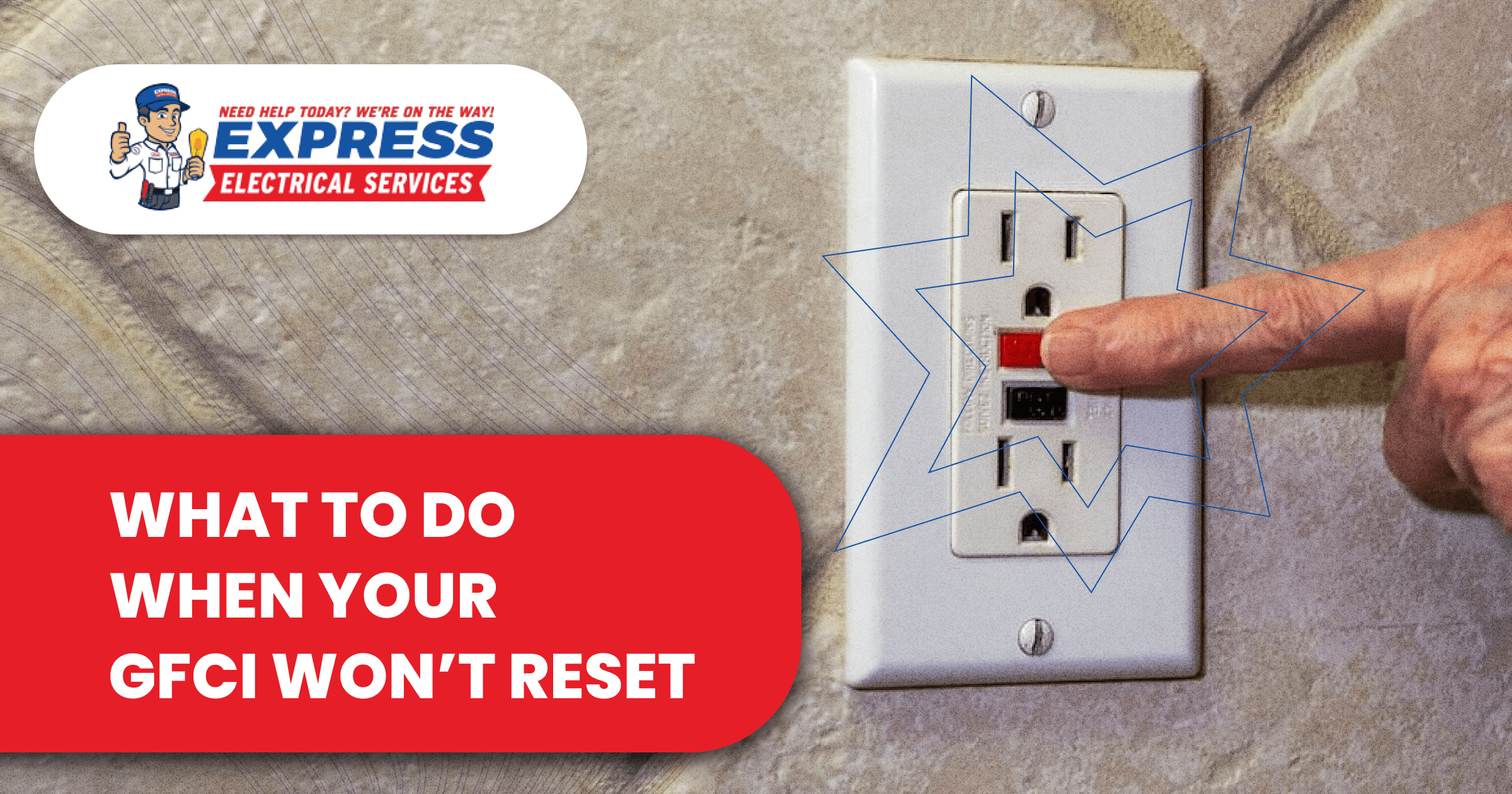
GFCI outlets have two buttons: Test and Reset. The test button checks if the outlet’s safety feature works. The reset button restores power after a trip.
Typical Locations
- Bathrooms
- Kitchens
- Garages
- Outdoor outlets
- Basements
These areas are chosen because water increases the risk of electric shock.
Common Reasons A Gfci Won’t Reset
When the GFCI outlet won’t reset, it’s usually because it’s doing its job. Let’s look at the main reasons:
- Ground Fault Is Still Present: If there’s still a fault, the outlet won’t reset. This could be water, a damaged wire, or a faulty appliance.
- No Power To The Outlet: Sometimes, the problem is not with the GFCI itself but with the circuit. A tripped breaker or blown fuse can cut power.
- Downstream Problem: GFCIs often protect other outlets or devices “downstream. ” A problem anywhere on the circuit can stop it from resetting.
- Worn Out Or Broken Gfci: GFCI outlets can wear out over time, especially in older homes or areas with frequent power surges.
- Incorrect Wiring: A common mistake after renovations is incorrect wiring. If the line and load wires are reversed, the GFCI won’t work or reset properly.
- Moisture Inside The Box: Water inside the wall box or outlet can cause the GFCI to stay tripped for safety.
- Appliance Or Device Fault: Plugged-in devices that are faulty can trigger the GFCI and prevent resetting.

Step-by-step Troubleshooting Guide
If your GFCI won’t reset, follow these steps. You don’t need to be an electrician, but always be careful with electricity.
- Unplug Everything: Remove all devices and appliances from the GFCI and any outlets connected to it. Sometimes, a faulty appliance is causing the problem.
- Check For Power: Test if the outlet has power. Plug in a lamp or use a voltage tester. If there is no power, check your main breaker panel.
- Inspect The Breaker Panel:
- Look for tripped breakers or blown fuses. Reset them if needed. Some circuits have more than one GFCI or breaker.
- Press The Reset Button Firmly: Sometimes, the reset button is not pressed hard enough. Push it until you hear a click.
- Test Other Outlets: If the GFCI protects other outlets, test them. A problem at one outlet can affect the whole circuit.
- Check For Moisture: If the outlet is in a wet area, check for signs of water. Moisture can keep the GFCI tripped.
- Inspect For Visible Damage: Look for cracks, burn marks, or loose wires. Turn off power before touching any wires or opening the outlet.
- Consider Age And Wear: If your GFCI is more than 10 years old, consider replacing it. Old outlets can fail and not reset.
- Call A Professional: If you’ve tried these steps and the GFCI won’t reset, it’s time to call a qualified electrician. Never ignore a GFCI that won’t reset—this is a safety issue.
Comparison: Common Gfci Reset Problems Vs. Solutions
To help you quickly spot the cause, here’s a comparison of common issues and what usually fixes them:
| Problem | Likely Cause | Typical Solution |
|---|---|---|
| GFCI won’t reset, no click | No power to outlet | Check breaker/fuse |
| GFCI resets, but trips again | Faulty device downstream | Unplug all devices, retest |
| GFCI button won’t stay in | Wiring error or ground fault | Check wiring, call electrician |
| GFCI resets but no power at outlets | Worn out GFCI | Replace GFCI |
Key Signs You Need To Replace The Gfci
Not all GFCIs last forever. Here are some signs it’s time to replace it:
- Reset button won’t click or stay in
- Outlet feels loose or wobbly
- Burn marks or strange smells
- No power even after other fixes
- Frequent nuisance tripping
Most GFCI outlets last 10–15 years. In coastal or humid areas, they may fail sooner due to moisture or corrosion.
Wiring Issues And How They Affect Gfcis
Incorrect wiring is a hidden reason why GFCIs won’t reset. This often happens after renovations or DIY repairs.
Common Wiring Mistakes
- Line and load wires reversed
The “line” is the power coming from the breaker. The “load” is what the GFCI protects. If swapped, the reset function may not work, and downstream outlets are unprotected.
- No ground connection
While GFCIs can work without a ground wire, a missing ground can cause some outlets not to reset properly.
- Loose connections
Loose wires can cause intermittent power loss or constant tripping.
Example Wiring Diagram
Understanding where the problem might be is easier with a simple layout.
| Wire Color | Purpose | Typical Connection |
|---|---|---|
| Black | Hot/Live | Line (power in) |
| White | Neutral | Line (power in) |
| Red (if present) | Switched hot or load | Load (protected circuit) |
| Green/Bare | Ground | Ground screw |
If you are unsure, it’s best to let a professional check the wiring.
Non-obvious Insights Many Homeowners Miss
Even experienced DIYers often overlook these points:
- Downstream outlets matter. If a GFCI protects other outlets, any problem “downstream” can stop it from resetting—even if those outlets look fine. Always unplug everything and test all linked outlets.
- Moisture hides in the wall. Even if the outside of the outlet is dry, water can get inside the box. Especially in outdoor or bathroom locations, a hidden leak can cause repeated tripping.
- Test GFCIs twice a year. Many people never test their GFCIs. Press the test button, then reset. If it doesn’t work, replace it. This simple habit can prevent shocks and electrical fires.
- A GFCI may trip with surge protectors. Some surge protectors or old appliances can cause “nuisance tripping.” If your GFCI won’t reset with these plugged in, try removing them.
Safety Tips When Dealing With Gfcis
- Turn off the main power before opening any outlet or making repairs.
- Use insulated tools to avoid shocks.
- Never use water near outlets while troubleshooting.
- Test other outlets nearby—sometimes, multiple GFCIs are on one circuit.
If you feel unsure or nervous at any point, stop and call a licensed electrician.

Preventing Future Gfci Problems
Keeping your GFCI outlets in good shape isn’t hard. Here’s what you can do:
- Test monthly using the test/reset buttons.
- Replace old outlets every 10–15 years.
- Seal outdoor outlets with weatherproof covers.
- Fix leaks quickly in bathrooms or kitchens.
- Use proper GFCIs in all areas required by code.
This helps keep your home safe and avoids bigger problems later.
Comparison: Gfci Vs. Standard Outlet
Knowing the difference helps you understand why GFCIs are needed and why their reset feature is so important.
| Feature | Standard Outlet | GFCI Outlet |
|---|---|---|
| Shock protection | No | Yes |
| Location requirement | General areas | Wet or outdoor areas |
| Test/reset function | No | Yes |
| Lifespan | 20+ years | 10–15 years |
When To Call An Electrician
You should call a professional if:
- The GFCI won’t reset after basic troubleshooting
- You see burn marks or melted parts
- There is no power anywhere in the circuit
- You’re unsure about wiring or safety
Electricians have the right tools and knowledge to fix wiring, replace faulty GFCIs, and find hidden faults. Never take risks with electricity—safety comes first.
For more about electrical safety standards, visit the National Fire Protection Association.
Frequently Asked Questions
Why Does My Gfci Keep Tripping And Won’t Reset?
A GFCI that keeps tripping usually means a ground fault is still present, there’s a wiring problem, or an appliance is faulty. Unplug everything and try to reset. If it still won’t reset, call an electrician.
How Do I Know If My Gfci Outlet Is Bad?
Signs include the reset button won’t stay in, no power after reset, or visible damage like cracks or burn marks. If the outlet is more than 10 years old, it may need replacing.
Can A Power Outage Cause A Gfci To Stop Working?
Yes, sometimes after a power outage, a GFCI can fail or refuse to reset, especially if a surge damaged it. Try resetting after power returns. If it still won’t reset, it may need replacement.
Should All Outlets In A Kitchen Be Gfci?
All outlets near sinks or water sources in the kitchen should be GFCI. Check your local code, but it’s a good safety practice to use GFCIs in all kitchen outlets.
Is It Safe To Replace A Gfci Outlet Myself?
If you are comfortable working with electricity and know how to turn off the power, it can be safe. However, wiring mistakes are common. If you’re unsure, it’s best to have an electrician do the work.
When a GFCI won’t reset, it’s more than just an inconvenience—it’s a warning. Following the steps above helps you find and fix the cause safely. Regular testing and replacing old outlets can prevent most problems. And when in doubt, don’t risk it—call a professional and keep your home safe.