
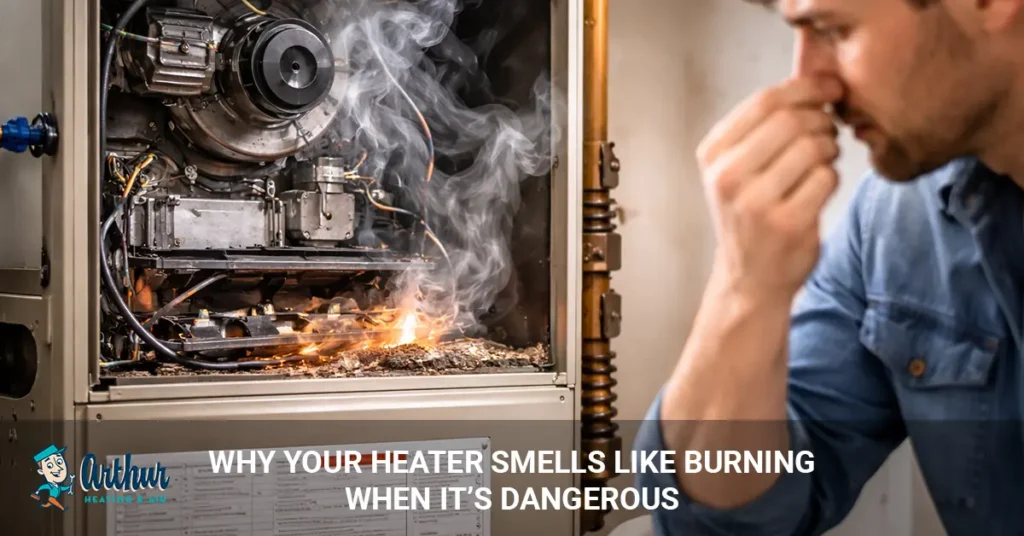
When the heater in your home starts producing a burning smell, it can make anyone worry. Most people ask themselves: Is something wrong? Is it dangerous? Should I turn the heater off? Understanding why your heater smells like it’s burning helps you stay safe, avoid panic, and even save money. Many times, the smell is harmless, but sometimes it signals a real problem. In this article, you’ll learn the main causes, what to do, how to prevent issues, and when to call a professional.
Why Do Heaters Smell Like Burning?
Heaters work by moving air over hot surfaces or elements. Dust, debris, or even mechanical issues can cause a burning odor. The type of heater you have—forced air furnace, electric heater, or heat pump—can affect the cause of the smell.
Common Causes Of Burning Smell
- Dust Accumulation: After summer, dust settles on heater elements. When you turn the heater on for the first time, the dust burns off, creating a burning smell. This is the most frequent cause.
- Clogged Air Filters: Dirty filters block airflow, making the heater work harder. The trapped dirt can heat up and smell burnt.
- Electrical Problems: Faulty wiring or overheating components can produce a sharp, plastic-like burning odor.
- Mechanical Issues: Motors, belts, or bearings inside the heater may overheat if they are worn or stuck.
- Foreign Objects: Toys, paper, or other items accidentally dropped into vents or heaters can scorch and smell.
- Oil or Gas Furnace Malfunctions: If you have an oil or gas furnace, burning smells can come from leaks or incomplete combustion.
Here’s a quick comparison of causes by heater type:
| Heater Type | Common Burning Smell Causes |
|---|---|
| Forced Air Furnace | Dust, dirty filters, motor issues |
| Electric Heater | Dust, electrical faults |
| Heat Pump | Dust, wiring problems |
| Oil/Gas Furnace | Oil/gas leaks, incomplete combustion |
Is The Burning Smell Dangerous?
Not every burning smell is an emergency, but some are. Here’s how to tell the difference.
Harmless Smells
- Burning dust: Usually fades in 30–60 minutes.
- Dirty filters: Not dangerous, but should be replaced.
Warning Signs
- Plastic or electrical odor: May signal wiring issues or overheating parts. Turn off the heater and call for help.
- Persistent smell: If the smell lasts more than an hour, investigate further.
- Smoke: If you see smoke, shut down the heater immediately and evacuate.
- Oil/gas fumes: These can be toxic. Open windows and contact emergency services.
According to the National Fire Protection Association, heating equipment is responsible for about 15% of home fires in the US. Most fires happen because of lack of maintenance or faulty parts. If your heater’s smell is strong, unusual, or lasts longer than usual, it’s best to be cautious.
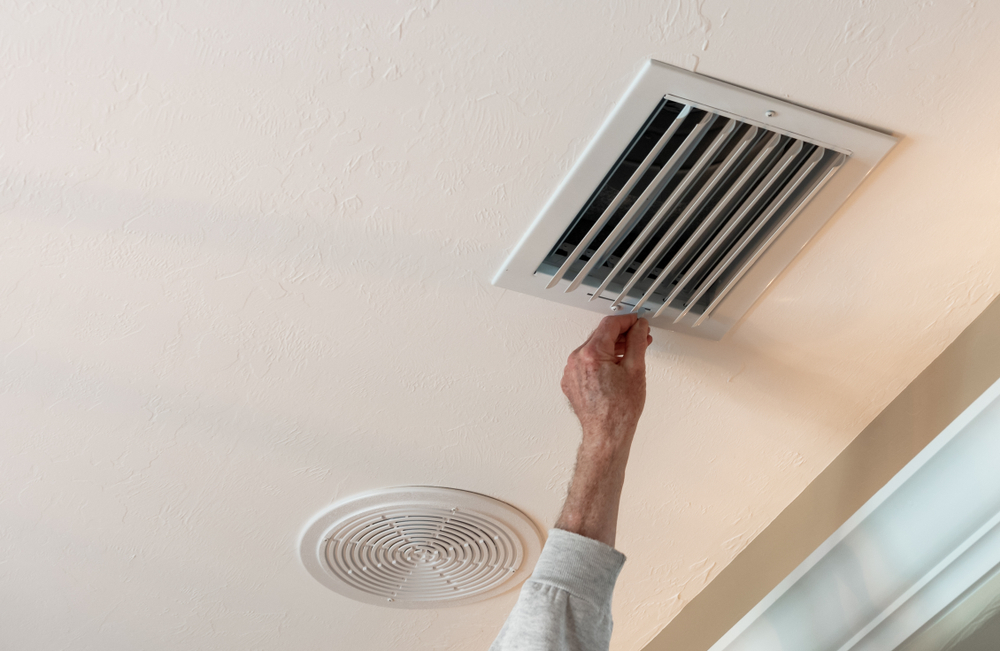
What To Do When Heater Smells Like Burning
Staying calm is important. Here’s a practical approach:
- Turn Off the Heater: Always switch off the heater if the smell worries you.
- Check Filters: Remove and inspect filters. Replace if dirty.
- Look for Dust: If you haven’t used your heater in months, expect some dust burning. Let the heater run for 30–60 minutes with windows open.
- Inspect Vents: Check for foreign objects or blockages in vents.
- Listen for Strange Noises: Mechanical problems often come with unusual sounds.
- Check for Smoke or Fumes: If you see smoke or smell oil/gas, evacuate and call emergency services.
Here’s a simple troubleshooting table:
| Symptom | Action |
|---|---|
| Burning dust smell, fades quickly | Open windows, let heater run; smell should disappear |
| Strong, plastic smell | Turn off heater, call technician |
| Smoke, oil/gas fumes | Evacuate, call emergency services |
| Persistent burning smell | Check filters, vents; call for help if not resolved |
How To Prevent Heater Burning Smell
Prevention is easier than dealing with emergencies. Simple steps can keep your heater safe and odor-free.
Regular Maintenance
- Change filters every 2–3 months: This keeps air clean and prevents overheating.
- Annual inspection: Have a professional check your heater once a year.
- Clean vents and ducts: Dust buildup is common in ductwork.
- Clear area around heater: Keep objects away from heaters and vents.
Smart Habits
- Run heater early in the season: Turn on your heater for a short time before cold weather starts. This burns off dust safely.
- Monitor humidity: Dry air increases dust. Using a humidifier can help.
- Teach family members: Make sure everyone knows not to put objects near heaters.
Here’s a maintenance comparison table:
| Task | Frequency | Benefits |
|---|---|---|
| Change filters | Every 2–3 months | Reduces burning smell, improves air quality |
| Professional inspection | Yearly | Finds hidden issues, keeps heater efficient |
| Clean vents | Twice a year | Removes dust, prevents odors |
| Clear heater area | Always | Prevents overheating, fire risk |
When To Call A Professional
Some heater problems are simple, but others need expert help. Here’s when you should call a technician:
- Smell of burning plastic or wiring
- Persistent burning odor after trying simple fixes
- Smoke, oil, or gas smell
- Heater stops working or makes strange noises
- You notice electrical sparks or tripped breakers
A licensed HVAC technician can safely inspect the heater, find hidden problems, and repair or replace faulty parts. Remember, trying to fix electrical or gas heaters yourself can be dangerous.
Non-obvious Insights Most People Miss
- Humidity Levels Matter: Many people don’t realize that dry air increases dust buildup, which leads to more burning odors when the heater starts. Using a humidifier can reduce dust settling.
- Pets Increase Dust: Homes with pets often have more hair and dander. This collects on heater parts and creates stronger burning smells. Cleaning filters and vents more often is important if you have pets.
- Seasonal Furniture Arrangements: Moving furniture before winter can accidentally block vents, causing the heater to overheat and create a burning smell. Always check vents after rearranging rooms.
Real-life Examples
- Case 1: A family noticed a burning smell every fall. Their heater was fine, but they had two dogs. Pet hair collected on the heater, causing a stronger odor. Cleaning vents and filters solved the problem.
- Case 2: In an office, a burning plastic smell was traced to a loose electrical wire inside an electric heater. Quick action and a professional repair prevented a fire.
What If The Smell Is Still There After Troubleshooting?
If you’ve tried all basic steps and the smell stays, do not ignore it. Persistent burning odors can signal hidden electrical or mechanical problems. Sometimes, older heaters have worn-out parts that need replacing. If your heater is more than 10 years old, consider an upgrade.
Newer heaters are safer and more efficient.
How Do Different Heaters Compare In Odor Risk?
You might wonder which heater types are more likely to produce burning smells. Here’s a quick comparison:
| Heater Type | Odor Risk Level | Reason |
|---|---|---|
| Electric Heater | Moderate | Dust and electrical faults |
| Gas Furnace | High | Gas leaks and incomplete combustion |
| Heat Pump | Low | Mostly dust, fewer mechanical issues |
| Oil Furnace | High | Oil leaks, combustion problems |
How To Make Your Heater Smell Better
If you want to reduce odors and keep your home fresh:
- Use quality filters: High-efficiency filters trap more dust.
- Add air purifiers: These remove small particles from the air.
- Scented vent pads: Special pads can be placed in vents to add a gentle fragrance.
- Open windows regularly: Even in winter, a few minutes of fresh air can help.
Environmental And Health Impact
Burning smells are not just annoying—they can affect health. Dust and fumes can irritate lungs, especially for children and older adults. If you have allergies or asthma, keep filters clean and avoid strong odors.
According to the EPA, indoor air pollution can be two to five times higher than outdoor air. Proper heater maintenance reduces pollution and keeps your family safe. For more details, see EPA Indoor Air Quality.
Frequently Asked Questions
Why Does My Heater Smell Like Burning Only At The Start Of The Season?
This happens because dust collects on heater parts during warmer months. When you turn on the heater after a long break, the dust burns off, making a temporary smell.
Is It Safe To Run The Heater If The Burning Smell Disappears Quickly?
Yes, if the odor fades in less than an hour and no smoke or strange sounds occur, it’s probably just dust burning off. Keep windows open for ventilation.
What Should I Do If My Heater Smells Like Burning Plastic?
Turn off the heater immediately. A burning plastic smell can mean electrical issues or melting components. Call a professional for inspection.
How Often Should I Change Heater Filters To Prevent Burning Smells?
Change filters every 2–3 months. If you have pets or allergies, change them monthly. Clean filters keep air fresh and prevent overheating.
Can A Burning Smell From My Heater Cause Health Problems?
Yes, especially for people with asthma or allergies. Burning dust or fumes can irritate the lungs and worsen symptoms. Always ventilate and fix any persistent odor.
A burning smell from your heater is common but should never be ignored. Most odors are harmless and fade quickly, but some signal danger. Knowing what causes the smell, how to troubleshoot, and when to call a professional will keep your home safe and comfortable.
With regular maintenance and smart habits, you can prevent most heater odors and enjoy warmth without worries.