
Keeping your freezer in top condition is important for food safety and energy savings. One part often ignored is the freezer door seal. This flexible strip, usually made from rubber or vinyl, contains magnetic strips that help it stick tightly to the frame. Over time, these magnets can weaken, causing the seal to lose grip. This leads to cold air escaping, higher energy bills, and food spoiling faster.
Many people think a broken seal means buying a new one. But before you spend money, you can try to remagnetize freezer door seal. With the right tools and steps, you can restore its strength and extend the life of your appliance. This guide explains why seals lose magnetism, how to check if remagnetizing is needed, and step-by-step instructions for the process. You’ll also find practical advice, common mistakes, and answers to frequent questions.
Why Freezer Door Seals Lose Magnetism
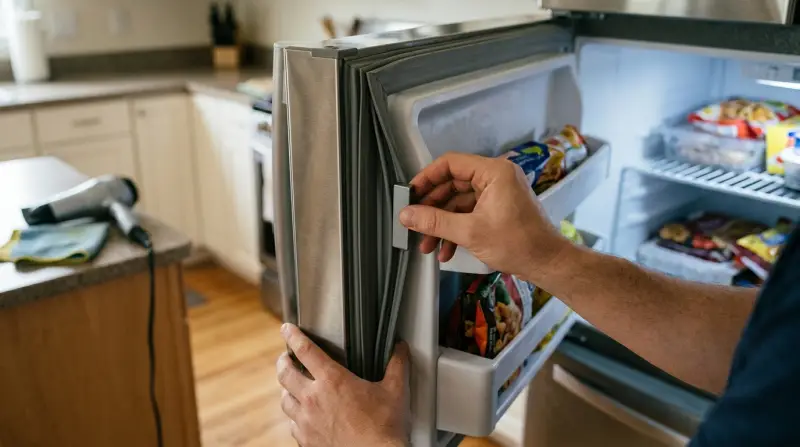
Freezer door seals use magnetic strips inside the gasket to create a tight closure. These magnets can weaken for several reasons:
- Age: Magnetic strength fades with years of use.
- Physical Damage: If the seal is bent, twisted, or torn, the magnet can lose alignment.
- Heat Exposure: High temperatures (like cleaning with hot water) can demagnetize the strip.
- Frequent Opening: Constant opening and closing causes wear.
- Cleaning Chemicals: Some strong chemicals affect the magnet’s surface.
A weak seal lets cold air escape, making your freezer work harder. According to the US Department of Energy, a faulty seal can increase energy use by up to 15%. This small strip has a big impact on your freezer’s performance and electricity bill.
How To Check If Your Freezer Door Seal Needs Remagnetizing
Before you start remagnetizing, you should confirm that magnetism is the problem. Here’s how:
- Visual Inspection: Look for cracks, tears, or gaps in the seal. The seal should sit flat against the frame all around.
- Dollar Bill Test: Close the freezer door on a dollar bill. If you can pull it out easily, the seal is weak.
- Feel for Cold Air: Run your hand around the closed door’s edge. If you feel cold air escaping, the seal isn’t tight.
- Check Magnetism Directly: Place a small metal object (like a paperclip) against the seal. If it doesn’t stick, the magnet is weak.
If your seal looks good but fails the magnetism test, remagnetizing is worth trying. If it’s damaged, replacement is the better option.
What You Need To Remagnetize A Freezer Door Seal
The process is simple, but you need the right tools:
- Strong neodymium magnet (bar or disc shape)
- Clean cloth and mild soap
- Protective gloves (optional for safety)
- Patience (remagnetizing takes time)
Neodymium magnets are best because they’re powerful and easily available online or at hardware stores. Avoid using weak fridge magnets—they won’t work.
| Item | Purpose | Where to Buy |
|---|---|---|
| Neodymium Magnet | Remagnetizing strip | Hardware store, online |
| Clean Cloth | Wipe seal | Home, supermarket |
| Soap | Clean dirt | Supermarket |
| Gloves | Protect hands | Hardware store |
Step-by-step Guide To Remagnetize Freezer Door Seal
Follow these steps carefully for best results:
- Clean The Seal: Dirt and grease reduce magnetic contact. Mix mild soap with warm water and wipe the seal. Dry completely with a clean cloth.
- Find The Magnet Strip: Feel along the gasket to locate the magnet strip inside. It’s usually a thin line running along the seal’s edge.
- Prepare The Magnet: Put on gloves to protect your hands. Hold the neodymium magnet firmly.
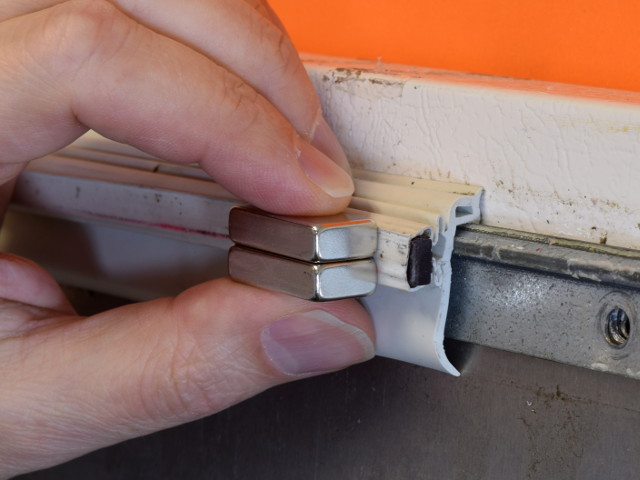
- Swipe Along The Seal: Start at one end of the seal. Slowly swipe the magnet along the strip in one direction (not back and forth) for 10–15 passes. This aligns the magnetic domains.
- Repeat On All Sides: Do the same for each section of the seal—top, sides, and bottom.
- Test The Seal: After remagnetizing, use the dollar bill test and check magnetism with a metal object. If the seal holds better, your work was successful.
- Reinstall And Monitor: If you removed the seal for cleaning, reinstall it carefully. Watch over the next week to see if the seal holds and cold air stays inside.
| Step | Action | Tip |
|---|---|---|
| Clean | Wipe with soap and water | Ensure dry before remagnetizing |
| Locate Strip | Feel for magnetic line | Mark with tape if needed |
| Swipe Magnet | Swipe in one direction | Don’t move back and forth |
| Repeat | Do all sides | Be patient |
| Test | Dollar bill and metal object | Check for improvement |
| Monitor | Watch for leaks | Repeat if needed |

Credit: bemagnet.com
Common Mistakes To Avoid
Many beginners make errors that reduce remagnetizing success. Here are some to watch out for:
- Swiping Magnet Back and Forth: Always swipe in one direction. Back-and-forth motion cancels out magnetization.
- Using Weak Magnets: Fridge magnets aren’t strong enough. Use neodymium magnets only.
- Skipping Cleaning: Dirt blocks contact between the seal and magnet strip.
- Ignoring Damaged Seals: If the seal is torn or warped, remagnetizing won’t help.
- Rushing the Process: It takes several passes—don’t stop after one swipe.
A less-known tip: Magnet strips can lose power if exposed to strong magnetic fields from other appliances. Keep your freezer away from devices like speakers or microwaves.
Practical Tips For Long-lasting Seal Magnetism
If you want your seal to stay strong, follow these simple tips:
- Clean regularly: Wipe the seal every month.
- Avoid harsh chemicals: Use mild soap only.
- Don’t slam the door: Gentle closing prevents warping.
- Keep away from heat: Don’t use hot water on the seal.
- Check every 6 months: Do the dollar bill test to catch problems early.
Many people don’t know that direct sunlight can also weaken the seal’s magnetism. If your freezer is near a window, consider moving it or covering the area.
When To Replace Instead Of Remagnetize
Remagnetizing is effective for weak magnets, but not for damaged seals. Here’s when to replace:
- Seal is cracked or torn
- Seal is warped and won’t sit flat
- Repeated remagnetizing fails
- Seal is older than 10 years
Replacement seals cost $20–$50, depending on model. Installation is simple for most brands, but check your owner’s manual for instructions.
| Condition | Remagnetize? | Replace? |
|---|---|---|
| Weak magnetism, no damage | Yes | No |
| Cracked or torn seal | No | Yes |
| Warped seal | No | Yes |
| Seal older than 10 years | No | Yes |
| Repeated failure | No | Yes |
How Remagnetizing Can Save Money
A strong seal lowers energy use. The US Department of Energy says a tight seal can reduce freezer electricity use by up to 10–15% per year. For a typical US household, this saves about $25–$40 annually.
It also protects your food. With less air leaking, temperature stays stable, and frozen food lasts longer. You avoid spoilage, waste, and extra shopping trips.
Credit: www.kjmagnetics.com
Real-life Example
Anna, a homeowner in Chicago, noticed her freezer door felt loose. After checking, she found the seal’s magnetism was weak, but the seal looked fine. She bought a $10 neodymium magnet and followed the steps above. Her dollar bill test improved, and her freezer stopped leaking cold air. Over the next year, her electricity bill dropped by $35.
Many appliance repair experts recommend remagnetizing before replacing. It’s a simple fix that works for most seals.

Frequently Asked Questions
Can I Use Any Magnet To Remagnetize My Freezer Seal?
No. Only strong neodymium magnets are effective. Fridge magnets or weak magnets will not restore the seal’s strength.
How Often Should I Remagnetize My Freezer Seal?
Usually, seals don’t need regular remagnetizing. Do it if you notice leaks or weak magnetism. For most homes, once every few years is enough.
Will Remagnetizing Fix A Cracked Or Torn Seal?
No. Remagnetizing only helps if the seal is undamaged but weak. If the seal is cracked, torn, or warped, replacement is needed.
Is It Safe To Remagnetize The Seal Myself?
Yes. The process is safe if you use gloves and follow instructions. Avoid strong magnets if you have pacemakers or medical devices.
Where Can I Buy A Neodymium Magnet?
You can find neodymium magnets at hardware stores or online retailers. For more information, see Wikipedia’s guide to neodymium magnets.
Reviving your freezer door seal’s magnetism is a practical, cost-saving step. With careful cleaning and proper remagnetizing, you can keep your food safe, reduce energy costs, and avoid early replacement. If you follow the guidance above, you’ll extend the life of your appliance and enjoy a more efficient kitchen.
1 thought on “How to Remagnetize Freezer Door Seal: Quick DIY Fix”