
A smoke detector chirping in the middle of the night can be deeply annoying, especially when you know there’s no battery inside. Many people believe removing the battery will silence a chirping alarm, only to find the noise continues. If you’re frustrated by this persistent sound and searching for answers, you’re not alone.
Understanding why this happens and how to fix it—without just ignoring the issue—can save you time, stress, and even money.
This guide will explain why a smoke detector might chirp without a battery, what steps you can take to stop it, and how to ensure your home stays safe. You’ll find practical methods, common mistakes, and expert tips, all written in clear, simple English.
By the end, you’ll know exactly what to do if your smoke detector won’t stop chirping—even when there’s no battery inside.
Why Smoke Detectors Chirp Without A Battery
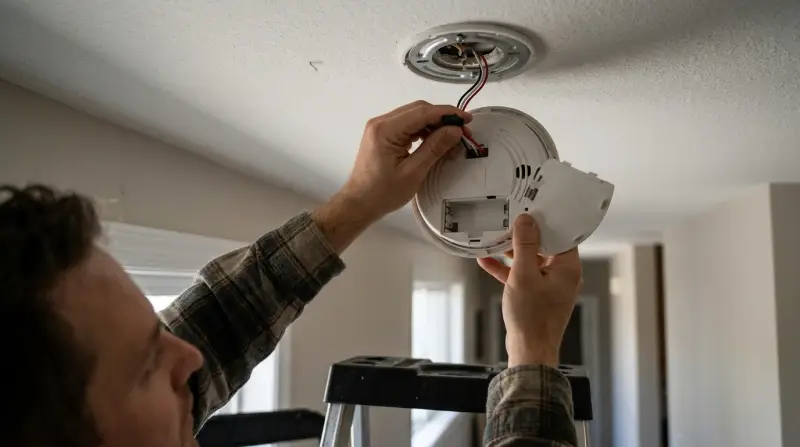
It may seem strange for a battery-powered smoke detector to make noise when the battery is removed. However, many modern smoke detectors have backup capacitors or are wired into your home’s electricity. Here are the main reasons why chirping can continue:
- Hardwired detectors: If your smoke detector is connected to your home’s wiring, it can still have power, even with the battery removed.
- Residual charge: Some smoke detectors store a small electrical charge in capacitors. This can cause chirping for hours or even a day after removing the battery.
- Backup batteries: Some units have a hidden or secondary battery that continues to power the chirp.
- Malfunction or error: Faulty electronics or dust inside the detector can trigger the alarm system.
Most people miss the detail that even a batteryless detector can hold enough power to chirp. Also, many homes have a mix of hardwired and battery-only detectors, which can confuse troubleshooting.
How To Identify Your Smoke Detector Type
Before you can stop the chirping, you must know what type of smoke detector you have. The two main types are battery-powered and hardwired. Some homes also use combination units.
| Type | Power Source | Chirping Without Battery? | Common in Homes? |
|---|---|---|---|
| Battery-powered | Removable battery only | Rarely, but possible if capacitors exist | Yes |
| Hardwired | Connected to house wiring, with backup battery | Yes, from AC power or stored charge | Yes |
| Combo (Hardwired & Battery) | Mainly wired, uses battery for backup | Yes | Increasingly common |
To identify your detector:
- Check for wires: Remove the detector from its mount. If you see wires, it’s hardwired.
- Look for model info: The back of the unit often lists the type and power source.
- Consult the manual: If you have it, the manual explains the power system.
- Check your circuit breaker: Turning off the breaker for that room will silence a hardwired alarm if it’s receiving AC power.

Credit: www.youtube.com
Steps To Stop A Smoke Detector From Chirping Without Battery
Once you know your detector type, use these steps to silence it safely and completely.
1. For Hardwired Smoke Detectors
- Turn off main power: Go to your home’s electrical panel and switch off the circuit that powers the smoke detector.
- Press and hold the test button: This drains any stored charge. Hold for 15–30 seconds.
- Wait a few minutes: Some detectors need a few minutes for all charge to drain.
- Reinstall or replace the battery: If the battery is missing, add a new one, even if the detector is hardwired—some models require a battery to stop chirping.
- Restore power: Turn the circuit back on.
If the chirp continues, the unit may be faulty or need to be cleaned.
2. For Battery-only Smoke Detectors
- Remove the battery: You’ve already done this, but sometimes contacts can get stuck.
- Press and hold the test button: This can discharge any leftover power.
- Clean the battery compartment: Dust or corrosion on the contacts can cause error signals.
- Wait at least 15 minutes: Any residual power should fade.
If it still chirps, the detector is likely malfunctioning and should be replaced.
3. For Smoke Detectors With Backup Batteries Or Capacitors
Some units have an internal backup battery or capacitor. In this case:
- Consult the manual: Look for instructions on resetting or discharging the unit.
- Hold the test button: This can sometimes force a reset.
- Fully disconnect the detector: For hardwired units, disconnect all wiring (turn power off first).
- Replace the unit if necessary: If chirping continues after all power is removed, it’s likely time for a new detector.
Common Causes For Continued Chirping
Even after following the steps above, chirping can persist due to less obvious reasons. Here are some often-missed causes:
- Poor battery contact: If the battery contacts are bent or dirty, the unit may think the battery is missing.
- Old or expired detectors: Most smoke detectors last 8–10 years. After that, they can malfunction and chirp for no clear reason.
- Environmental factors: High humidity, steam, or dust can trigger false alarms.
- Electrical surges: A recent power outage or surge can confuse the detector’s electronics.
- Interconnected systems: In some systems, one detector chirping can trigger others, even if their batteries are fine.
Credit: waynealarm.com
Practical Tips For Silencing A Chirping Detector
Sometimes, a simple trick is all it takes to stop the sound. Here are some expert tips:
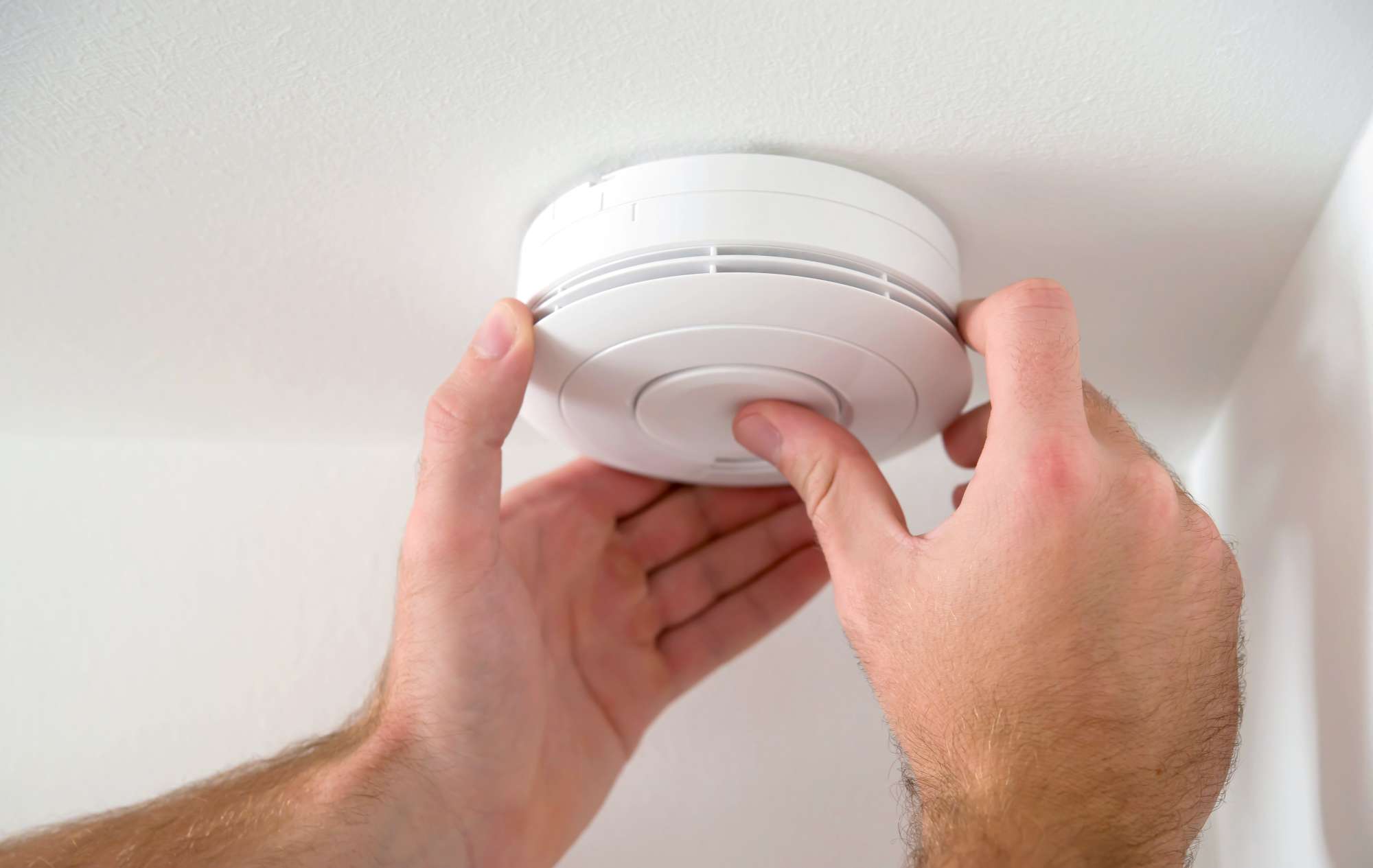
- Clean the detector: Use a vacuum cleaner or a can of compressed air to remove dust and debris from the unit.
- Reset the system: After cleaning, press and hold the test button for 15–30 seconds.
- Check for proper installation: Loose mounting or improper wiring can cause errors.
- Replace old units: If your detector is close to 10 years old, replace it. Older units are more likely to malfunction.
- Double-check backup batteries: Some detectors have coin-cell batteries hidden under the main battery compartment.
One less obvious insight: Detectors mounted near bathrooms or kitchens are exposed to steam, which can cause persistent chirping. If possible, move the unit farther away from these areas.
When To Replace Your Smoke Detector
No one likes replacing things before they break, but with smoke detectors, age really matters. Here’s a comparison of smoke detector lifespans:
| Detector Type | Average Lifespan | Signs of Failure |
|---|---|---|
| Ionization | 8–10 years | Frequent chirping, won’t reset, yellowing plastic |
| Photoelectric | 8–10 years | False alarms, chirping, dim LED |
| Combination | 7–10 years | Random alarms, error codes, no response to test |
If your detector is older than the recommended lifespan, it’s safer (and quieter) to buy a new one. Many newer models also come with long-life lithium batteries and better error detection.
Safety First: Why You Should Never Ignore A Chirping Detector
It’s tempting to disconnect a noisy smoke alarm and forget about it. But a chirping detector is often warning you about a real problem—low battery, malfunction, or end of life. Ignoring or disabling your alarm can put you and your family at risk.
According to the National Fire Protection Association, three out of five home fire deaths happen in homes without working smoke alarms. It’s important to fix the chirping, not just silence it.
If you’re unsure, contact a licensed electrician or your local fire department. They can help you check and install detectors safely.
Advanced Troubleshooting For Persistent Chirping
If you’ve tried all the basics and your smoke detector is still chirping without a battery, try these advanced steps:
- Inspect wiring connections: For hardwired units, loose or damaged wires can cause error signals. Turn off power and carefully check all wire nuts and connections.
- Check for electrical noise: Devices like fluorescent lights or old appliances on the same circuit can interfere with some smoke detectors.
- Test with a new detector: Temporarily swap in a new detector. If the chirping stops, the old unit was faulty.
- Look for hidden alarms: Sometimes, another detector nearby is actually making the noise.
- Factory reset: Some newer models have a reset button or sequence in the manual.
If you’re comfortable with basic electrical work, you can safely disconnect and test wiring. However, when in doubt, always call a professional.

Credit: www.youtube.com
Preventing Future Chirping
Once you’ve solved the problem, a few simple habits can help you avoid future chirping:
- Replace batteries every 6–12 months: Even for hardwired units, fresh batteries prevent false alarms.
- Test alarms monthly: Press the test button to make sure the unit is working.
- Clean detectors twice a year: Dust buildup is a leading cause of false alarms.
- Replace detectors every 8–10 years: Mark the installation date on each unit.
- Install alarms away from steam and cooking areas: Bathrooms and kitchens cause many false alarms.
Choosing smoke detectors with sealed, long-life batteries or smart features can also reduce problems.
Frequently Asked Questions
Why Does My Smoke Detector Chirp After I Remove The Battery?
Even without a battery, some smoke detectors hold a small electrical charge or are powered by your home’s wiring. This can keep the unit chirping for a short time. Hardwired units especially may continue chirping until all power is drained.
Is It Safe To Disconnect A Smoke Detector Completely?
Temporarily disconnecting a detector to stop chirping is safe if you follow electrical safety rules. However, never leave your home unprotected. Reinstall a working detector as soon as possible to stay safe from fire risks.
Can A Smoke Detector Chirp If It’s Dirty?
Yes. Dust, insects, or debris inside the detector can cause false alarms and chirping. Cleaning the unit with a vacuum or compressed air often fixes the problem.
How Do I Know If My Smoke Detector Needs Replacing?
Most detectors should be replaced every 8–10 years. If it chirps constantly, fails to reset, or looks yellowed or damaged, it’s a good idea to buy a new one. Check the date of manufacture, usually on the back.
Where Can I Find Reliable Information On Smoke Detector Safety?
The National Fire Protection Association provides trusted guidelines and safety tips. You can learn more by visiting the NFPA Smoke Alarms page.
Fixing a chirping smoke detector without a battery can be confusing, but with these steps, you can stop the noise and keep your home safe. Don’t ignore the problem—address it with confidence and regular maintenance, and you’ll have a quieter, safer living space.