
When you flip a switch and nothing happens, or your lights keep flickering, you might suspect a problem with your electrical system. Often, the issue traces back to a circuit breaker—the safety device in your electrical panel that protects your home from overloads and short circuits. Knowing how to tell if a circuit breaker is bad is essential for safety and for preventing bigger electrical problems. This guide will help you understand what a circuit breaker does, signs it might be faulty, how to test it, and what to do next. Whether you’re a homeowner, renter, or DIY enthusiast, this information will help you make smart decisions and avoid dangerous mistakes.
What Does A Circuit Breaker Do?
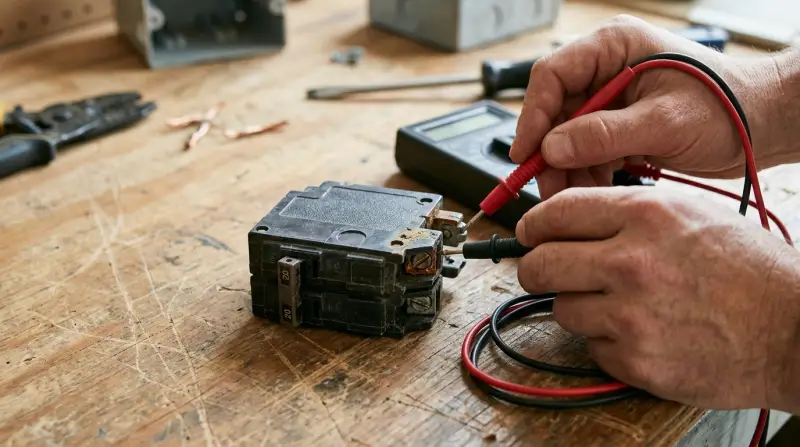
A circuit breaker is a switch that automatically stops electricity flow when it detects a problem like an overload or short circuit. This prevents fires and damage to your appliances. In most homes, circuit breakers are found inside a breaker panel (also called a fuse box or electrical box). Each breaker controls a different part of your home’s electrical system, such as kitchen outlets or bedroom lights.
When too much electricity flows through a circuit, the breaker “trips,” shutting off power. You can usually reset it by flipping the switch back to the ON position. But sometimes, a breaker stops working properly. If it can’t trip, or it trips too often, you may face safety risks.
Common Signs A Circuit Breaker Is Bad
Not every electrical problem is caused by a bad breaker. But some signs point directly to the breaker itself. Here are the most important signs you should watch for:
Breaker Won’t Stay Reset
If you reset the breaker and it trips again right away, or it won’t stay in the ON position, this is a key warning sign. Sometimes, the problem is a faulty breaker—not just a wiring issue.
Physical Damage
Look for signs like burn marks, melted plastic, or a breaker that feels hot to the touch. Any visible damage means the breaker should be replaced.
Breaker Feels Loose
A circuit breaker should click firmly into place. If it’s wobbly or loose when you touch it, the internal mechanism may be broken.
Unusual Sounds
Listen for buzzing, hissing, or crackling noises coming from the breaker panel. This can mean the breaker is failing or there’s an electrical arc inside.
Frequent Tripping
If the same breaker trips often, even when you’re not using much power, it might be bad. Sometimes wiring or appliances cause trips, but a faulty breaker will trip with little or no load.
Partial Power Loss
You might notice outlets or lights are dim, flickering, or not working fully. This can be a sign the breaker isn’t delivering enough power.
Breaker Won’t Trip When It Should
If you purposely overload a circuit and the breaker doesn’t trip, it’s not protecting you. This is dangerous and means the breaker is likely bad.
Non-obvious insight: Many people think a breaker only fails by tripping too often, but a breaker that won’t trip is much more hazardous. It can allow dangerous currents to flow, increasing fire risk.
Why Circuit Breakers Go Bad
Breakers are built to last for years, but they can fail for several reasons:
- Age and Wear: Most breakers last 15-20 years. Old breakers are more likely to fail.
- Overloads: Frequent tripping wears out the internal mechanism.
- Moisture or Corrosion: Water leaks or high humidity can rust the breaker’s parts.
- Faulty Installation: If a breaker was installed incorrectly, it might not fit or work well.
- Physical Damage: Dropping or hitting the breaker can break internal parts.
Example: A home in a humid climate might see faster breaker failure due to moisture in the panel.
How To Test A Circuit Breaker
Testing a circuit breaker takes some care and basic tools. You don’t need to be an electrician to do simple tests, but always follow safety rules.
Step 1: Turn Off Power
Before touching the breaker panel, turn off all appliances and lights connected to the circuit you want to test. If you can, turn off the main breaker for extra safety.
Step 2: Visual Inspection
Open the breaker panel and look for burn marks, corrosion, or melted parts. Check if the breaker is loose or damaged.
Step 3: Use A Multimeter
A multimeter is a tool that measures voltage and continuity. Here’s how to use it:
- Set the multimeter to AC voltage.
- Touch one probe to the breaker’s terminal and the other to the neutral bar.
- If the breaker is ON, you should get a reading close to the circuit’s rated voltage (usually 120V or 240V).
If you get no voltage or a much lower reading, the breaker may be bad.
Step 4: Continuity Test
Turn OFF the breaker and remove it from the panel. Set the multimeter to continuity mode.
- Touch the probes to the breaker’s input and output terminals.
- If the multimeter beeps or shows continuity, the internal switch works. If not, the breaker is faulty.
Step 5: Load Test
If you have access to a load tester, you can test if the breaker delivers power under load. Plug in the tester and see if the breaker trips as expected.
Safety Tips
- Always wear insulated gloves.
- Stand on a dry surface.
- Never touch live wires with bare hands.
Non-obvious insight: Many beginners forget to check the neutral bar for corrosion or loose connections. This can cause false readings and lead you to think the breaker is bad when it’s actually a wiring problem.
Circuit Breaker Types And Failure Rates
Different types of breakers have different lifespans and failure patterns. Knowing what you have can help diagnose problems faster.
| Breaker Type | Typical Lifespan | Common Failure Mode |
|---|---|---|
| Standard (Single-Pole) | 15–20 years | Trips too often, won’t reset |
| Double-Pole | 20–25 years | Partial power loss, won’t trip |
| GFCI (Ground Fault) | 10–15 years | Won’t reset, trips with no load |
| AFCI (Arc Fault) | 10–15 years | False tripping, buzzing sound |
Example: GFCI breakers in bathrooms and kitchens tend to fail faster due to moisture.
Comparing Bad Breaker Symptoms Vs. Other Electrical Problems
Sometimes what seems like a bad breaker is actually another electrical problem. Here’s how to compare:
| Symptom | Breaker Issue | Other Cause |
|---|---|---|
| Frequent tripping | Breaker internal fault | Overloaded circuit, faulty appliance |
| No power | Breaker won’t reset | Loose wire, blown fuse |
| Burn marks | Breaker overheated | Panel wiring fault |
| Buzzing sound | Breaker arcing | Loose connection, wire damage |
Practical tip: If you unplug all appliances and the breaker still trips, it’s more likely a breaker problem.

How To Replace A Bad Circuit Breaker
If you confirm a breaker is bad, replacing it is usually the best option. Here’s how to do it safely:
- Turn Off Main Power: Switch off the main breaker to cut power to the entire panel.
- Remove Breaker Panel Cover: Use a screwdriver to remove the screws. Set the cover aside.
- Identify And Remove The Bad Breaker: Find the faulty breaker, disconnect its wire, and gently pull it out.
- Install New Breaker: Insert the new breaker, connect the wire, and make sure it clicks firmly in place.
- Replace Panel Cover And Restore Power: Screw the cover back, turn the main breaker ON, and test the new breaker.
- Important: Only use the same type and rating of breaker. If you’re unsure, consult an electrician.
- Common mistake: Many people forget to check that the replacement breaker is compatible with their panel brand. Using the wrong breaker can cause poor connections and even fire hazards.
When To Call A Professional
Some electrical jobs are best left to experts. If you notice any of these signs, call a licensed electrician:
- Breaker panel shows multiple burn marks
- Breaker keeps tripping even after replacing it
- Unusual smells (burning plastic, ozone)
- You’re unsure how to test or replace the breaker safely
A pro can check for deeper issues, like wiring faults or panel damage.

Cost Of Replacing A Circuit Breaker
The cost to replace a circuit breaker depends on the type and whether you hire a professional.
- DIY replacement:
Standard breakers cost $10–$30 each. GFCI or AFCI breakers cost $30–$60. Tools are usually $20–$40.
- Professional replacement:
Electricians charge $100–$250 for a single breaker replacement, including parts and labor.
- Full panel upgrade:
If the entire panel is old, replacing all breakers can cost $500–$1,500. Upgrading to a new panel can cost $1,500–$3,000.
Data: According to the US Consumer Product Safety Commission, faulty breakers or panels cause thousands of fires every year, costing millions in property damage.
How Bad Breakers Affect Home Safety
A bad circuit breaker isn’t just annoying—it’s dangerous. Here’s how:
- Fire risk: If a breaker fails to trip, wires can overheat and catch fire.
- Shock risk: Breakers protect against electrical shocks. If a breaker is faulty, you’re more exposed.
- Appliance damage: Fluctuating power from a bad breaker can ruin electronics and appliances.
Example: In 2022, a home in Texas suffered $150,000 in fire damage after a breaker failed to trip during a short circuit.
How Often Should Breakers Be Checked?
Most experts recommend checking your breaker panel every 2–3 years, or anytime you notice electrical problems. In older homes, annual checks are a good idea.
- Visual checks: Look for burn marks, corrosion, or loose breakers.
- Performance checks: Test breakers if you notice frequent tripping or power loss.
Non-obvious insight: Breakers in homes with frequent power surges (like lightning-prone areas) should be checked more often.
Circuit Breaker Brands And Compatibility
Choosing the right breaker matters. Not all breakers fit all panels. Here’s a comparison of common brands:
| Brand | Panel Compatibility | Quality Rating (1–5) |
|---|---|---|
| Square D | Square D, QO panels | 5 |
| Siemens | Siemens, Murray panels | 4 |
| Eaton | Eaton, Cutler-Hammer panels | 4 |
| GE | GE panels | 3 |
| Homeline | Schneider Electric panels | 4 |
Practical tip: Always match the breaker brand to your panel. Using off-brand breakers can void warranties and insurance.
Preventing Circuit Breaker Problems
You can reduce the risk of bad breakers by following these tips:
- Don’t overload circuits: Spread out heavy appliances. Avoid plugging too many devices into one outlet.
- Fix leaks: Moisture in the panel is a leading cause of breaker failure.
- Use surge protectors: Protects against power spikes that wear out breakers.
- Schedule regular checks: Have an electrician inspect your panel every few years.
- Replace old breakers: If your home is over 20 years old, consider replacing all breakers for safety.
Common mistake: Many homeowners think surge protectors only protect devices, but they also help protect breakers from spikes.
What Not To Do When Diagnosing Breakers
Avoid these mistakes when checking your circuit breaker:
- Never force a breaker ON: If it won’t stay on, forcing it can cause damage or fires.
- Don’t touch exposed wires: Always use insulated tools and gloves.
- Don’t ignore signs of damage: Burn marks, smells, or loose breakers need attention right away.
- Don’t replace with higher-rated breakers: This can overload wiring and cause fires.
Non-obvious insight: Using a breaker with a higher amp rating than your wiring can cause hidden damage before obvious signs appear.
Real-life Examples Of Bad Breakers
Example 1:
A family in Ohio noticed their kitchen outlets stopped working. The breaker looked fine but was warm to the touch. After testing, they found it delivered only 80 volts instead of 120. Replacing it fixed the problem.
Example 2:
A renter in Florida heard buzzing from the panel. An electrician found corrosion caused by humidity. Several breakers needed replacement, and the panel was sealed to prevent future moisture.
Example 3:
In California, a homeowner’s breaker wouldn’t trip even when overloaded. An electrician found a manufacturing defect. The faulty breaker was replaced, preventing a possible fire.
How Circuit Breakers Compare To Fuses
Fuses are older than circuit breakers and work differently. Here’s how they compare:
| Feature | Circuit Breaker | Fuse |
|---|---|---|
| Resettable | Yes | No |
| Lifespan | 15–25 years | Single use |
| Ease of replacement | Simple | Must replace every time |
| Failure risk | Can fail to trip | Rarely fails |
| Cost | $10–$60 | $1–$5 |
Example: Homes with fuse panels are more likely to have power loss, but less likely to have breaker failures.
Can You Repair A Bad Circuit Breaker?
In most cases, circuit breakers are not designed to be repaired. The internal parts are sealed, and repairing them can be risky. If a breaker is bad, replacement is the safest option.
However, in rare cases, cleaning the contacts or tightening connections can help if the problem is due to corrosion or loose wires—not the breaker itself.
Practical tip: If you’re unsure, always choose replacement over repair for safety.
Environmental Factors Affecting Breaker Life
Breakers last longer in dry, cool environments. Heat, humidity, and dust can shorten their life.
- Humidity: Causes corrosion and electrical shorts.
- Heat: Speeds up wear on internal parts.
- Dust: Can cause poor connections and overheating.
Example: Breakers in garages or outdoor panels often fail sooner due to exposure.
What To Do After Replacing A Breaker
After installing a new breaker:
- Test all connected outlets and devices.
- Watch for signs of heat or buzzing.
- Check for proper voltage with a multimeter.
- Schedule a follow-up check in 6–12 months.
Non-obvious insight: After replacing a breaker, fluctuations in power can be a sign of deeper panel or wiring issues. Don’t ignore them.
Frequently Asked Questions
Can A Circuit Breaker Go Bad Without Tripping?
Yes. A breaker can fail silently. It may not deliver enough power or may not trip when needed. This is dangerous because it hides the problem.
How Do I Know If The Breaker Or The Wiring Is The Problem?
Test the breaker with a multimeter. If the breaker shows no voltage but the wiring is intact, the breaker is likely bad. If both show problems, call an electrician.
How Often Should Circuit Breakers Be Replaced?
Most breakers last 15–25 years. Replace them if you see signs of damage, frequent tripping, or after a major electrical event (like a lightning strike).
Can I Use Any Breaker Brand In My Panel?
No. Only use breakers that match your panel’s brand and type. Mixing brands can cause poor connections or void warranties.
Is It Safe To Replace A Breaker Myself?
If you have basic electrical knowledge and follow safety rules, you can replace a breaker. But if you’re unsure, or your panel shows signs of damage, hire a professional. You can learn more about home electrical safety from the Electrical Safety Foundation International.
Knowing how to tell if a circuit breaker is bad can protect your home, your family, and your appliances. If you spot signs of trouble, act quickly and carefully. With the right knowledge and tools, you can diagnose and fix most breaker problems, but always prioritize safety and call a professional when in doubt.