
A Red Stone heater can be a reliable and cost-effective way to stay warm during cold months. But, like any appliance, it can stop working without warning. If your Red Stone heater not working has left you feeling frustrated, you are not alone. Many users face issues ranging from simple power problems to more complex mechanical faults. This guide will walk you through the most common causes, troubleshooting steps, repair options, and prevention tips. Whether you are a homeowner, renter, or just curious, you will find clear, practical advice to help you get your heater running again.
Understanding Your Red Stone Heater
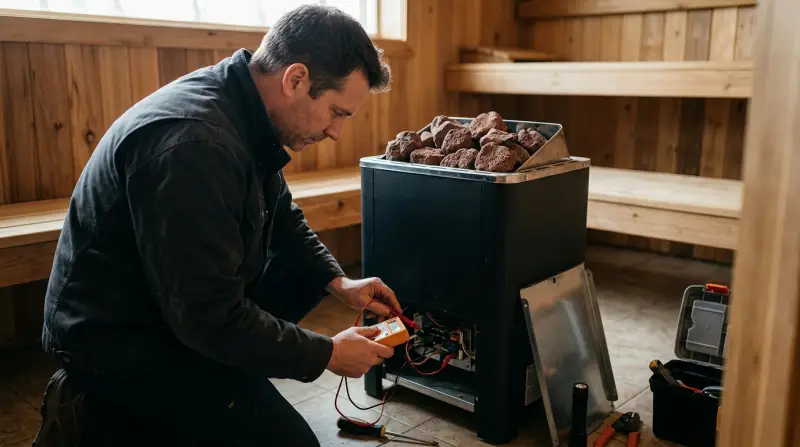
Before you start solving problems, it helps to know how your Red Stone heater works. Red Stone makes several models, including infrared, ceramic, and oil-filled heaters. Most use electricity and have built-in thermostats, safety switches, and remote controls. The main job of these heaters is to convert electrical energy into heat and safely distribute it in your room.
A typical Red Stone heater includes:
- A heating element (infrared bulb, ceramic plate, or oil reservoir)
- A fan to blow warm air (in most models)
- Thermostat to control temperature
- Safety features like tip-over shutoff or overheat protection
Knowing these parts helps you understand where things might go wrong.
Common Reasons Your Red Stone Heater Is Not Working
Several issues can cause your heater to stop working. Here are the most frequent reasons:
- Power supply problems – No electricity reaching the heater.
- Blown fuse or tripped breaker – Overloaded circuit.
- Faulty thermostat – Heater cannot detect room temperature.
- Malfunctioning heating element – The part that makes heat is broken.
- Blocked air intake or filter – Heater overheats or shuts off.
- Worn fan motor – Heater turns on but does not blow air.
- Activated safety features – Tip-over switch, overheat protection, or child lock.
- Loose wiring or connections – Internal wires disconnected.
- Remote control issues – Batteries dead or signal blocked.
Many problems can be fixed at home, but some need professional repair.
First Steps: Simple Checks Before Troubleshooting
You should try some basic checks before opening the heater or calling for help.
- Check the power cord: Is it plugged in securely? Look for cuts or damage.
- Try another outlet: Sometimes, the wall socket is the problem.
- Reset the circuit breaker: Flip the switch off and on in your home’s electrical panel.
- Inspect the remote control: Change batteries and remove obstacles between remote and heater.
- Read the manual: Look for model-specific troubleshooting tips.
Doing these simple steps can save you time and money.
Troubleshooting Guide: Diagnosing The Problem
If basic checks do not work, follow these troubleshooting steps. Always unplug the heater before inspecting or repairing.
Power And Electrical Issues
If your heater does not turn on at all, the problem is likely with power supply or internal wiring.
| Problem | Check | Solution |
|---|---|---|
| No power | Test outlet with another device | Use a working outlet |
| Heater turns off quickly | Check for tripped breaker | Reset breaker, unplug other devices |
| Power cord is warm/hot | Touch cord after use | Stop using, replace cord |
If you smell burning or see smoke, stop using the heater immediately.
Thermostat Or Control Problems
If your heater turns on but does not get hot, or shuts off too soon, the thermostat or control board may be faulty.
- Set thermostat to maximum and see if it makes a difference.
- Check digital display for error codes.
- Wiggle the thermostat knob gently; if loose, it may need repair.
Some models have a reset button on the back or bottom. Press and hold for 10 seconds to reset electronics.
Heating Element Failure
A broken heating element means the heater will run, but no heat comes out.
- Listen for buzzing or popping sounds.
- Look for a dim or dark element (in infrared heaters).
- In ceramic/oil-filled models, feel for warmth after 5–10 minutes.
If the element is cold, it may need professional replacement.
Fan And Airflow Issues
If your heater’s fan is noisy, weak, or not working:
- Remove the front grill (if possible) and clean dust or lint.
- Spin the fan by hand (heater unplugged); if stuck, lubricate with a drop of oil.
- Check for blocked air vents on the back or sides.
A blocked filter can cause overheating and trigger a safety shutdown.
Safety Feature Activation
Red Stone heaters have safety switches that shut off if tipped over, overheated, or blocked.
| Feature | How It Works | What To Do |
|---|---|---|
| Tip-over switch | Shuts off if not upright | Place heater on flat, stable floor |
| Overheat sensor | Turns off if too hot | Clean vents, wait 15 min, restart |
| Child lock | Blocks controls | Follow manual to unlock |
If your heater will not reset, unplug it for 30 minutes and try again.
Repair Or Replace? Making The Right Decision
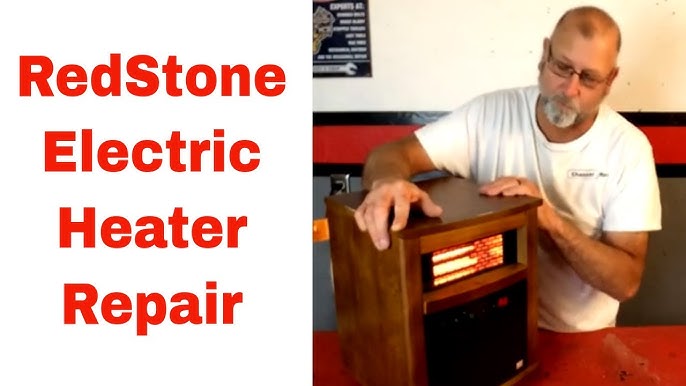
When your Red Stone heater is not working, you must decide whether to repair or replace. Here’s how to choose:
When To Repair
- The heater is less than 3 years old.
- The problem is minor (loose wire, blown fuse, dirty filter).
- Replacement parts are easy to find.
- Repair cost is less than half the price of a new heater.
When To Replace
- The heater is more than 5 years old.
- Major parts (heating element, control board) are broken.
- The heater smells like burning plastic or has visible damage.
- Repair cost is close to or higher than a new heater.
A new Red Stone heater usually costs between $60 and $150. Most repairs cost $20–$70 if you do it yourself, but professional repair can cost more.
Preventing Future Problems
Keeping your Red Stone heater in good shape will help it last longer. Here are some tips:
- Clean filters and vents every month. Dust can cause overheating and reduce efficiency.
- Do not cover the heater or block the air flow.
- Store heater indoors during summer; avoid damp places.
- Plug heater directly into the wall, not into extension cords.
- Test safety features once per season (tip-over, overheat sensors).
- Check cord and plug for damage before each use.
Most owners ignore cleaning, which leads to 70% of heater failures. Just a five-minute cleaning can prevent many problems.
When To Call A Professional
Not all problems can be fixed at home. Call a professional if:
- You notice burning smells or see sparks.
- The heater trips your breaker every time you use it.
- Internal wiring looks damaged or melted.
- The heater still does not work after basic troubleshooting.
Never open the heater’s main case or touch electrical parts unless you know what you are doing. Doing so can void the warranty or cause injury.
You can find certified repair centers on the Red Stone official website or through local appliance repair shops.
Comparing Red Stone With Other Heater Brands
You may wonder how Red Stone heaters compare to similar brands like Lasko, Duraflame, and DeLonghi. Here is a quick comparison of features:
| Brand | Heating Type | Average Lifespan | Common Problems | Warranty |
|---|---|---|---|---|
| Red Stone | Infrared, Ceramic, Oil-filled | 5–7 years | Filter clogs, power issues | 1 year |
| Lasko | Ceramic, Fan-forced | 6–8 years | Thermostat, fan noise | 3 years |
| Duraflame | Infrared, Electric stove | 7–9 years | Bulb burns out | 1–3 years |
| DeLonghi | Oil-filled, Ceramic | 8–10 years | Oil leaks, slow heating | 1 year |
Red Stone offers affordable heaters with good safety features, but their filters need more frequent cleaning than some other brands.

Two Insights Most Beginners Miss
First, many owners do not realize that airflow is critical to heater performance. Even a small amount of dust can block sensors and make the heater shut off. Always check both intake and exhaust vents.
Second, the heater’s location makes a big difference. Placing your Red Stone heater too close to walls or curtains can trigger overheat protection, making you think the heater is broken when it is just in the wrong spot.
Real-life Example
Maria, a Red Stone heater user in Ohio, noticed her heater stopped working after a few weeks. She checked the power and cleaned the outside but did not open the vent. After reading the manual, she found a blocked filter inside.
Cleaning it restored full function. She now cleans the filter every month to prevent future problems.
Where To Find Help And Parts
You can often find replacement filters, elements, and remotes on sites like Amazon or the official Red Stone parts store. For manuals and more troubleshooting help, visit Home Depot’s Red Stone page.
Always check your model number before ordering parts.
Frequently Asked Questions
Why Does My Red Stone Heater Keep Turning Off?
This usually happens when the overheat sensor is triggered or the tip-over switch is activated. Clean the vents, place the heater on a stable surface, and let it cool for 10–15 minutes before restarting.
Can I Repair My Red Stone Heater Myself?
You can fix simple problems like cleaning filters, replacing a fuse, or changing a remote battery. For electrical or heating element repairs, it is safer to call a professional.
How Often Should I Clean My Red Stone Heater?
Clean the filter and vents at least once a month during heavy use. This prevents dust buildup, which is the leading cause of heater shutdowns and reduced efficiency.
What Does The Blinking Light Mean On My Red Stone Heater?
A blinking light often signals a safety feature is active, such as overheat protection or child lock. Check your user manual for your model’s light codes. Try resetting the heater.
Is It Safe To Use An Extension Cord With My Red Stone Heater?
No. Extension cords can overheat and cause fire risk. Always plug your heater directly into a wall outlet.
Keeping your Red Stone heater working does not have to be a struggle. With regular care, smart troubleshooting, and knowing when to seek help, you can enjoy safe and reliable warmth all winter long.
1 thought on “Red Stone Heater Not Working: Top Fixes and Troubleshooting Tips”