
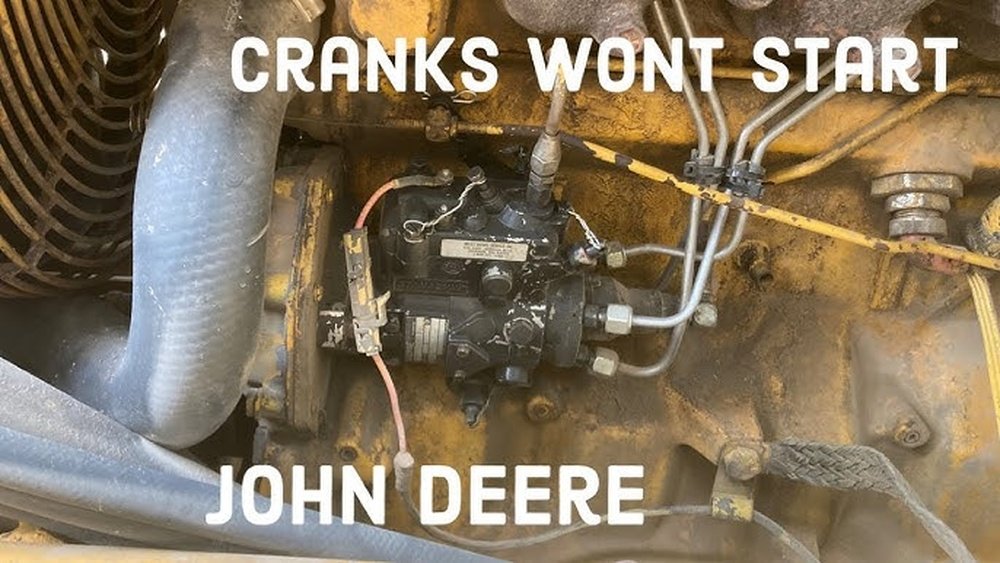
When a John Deere tractor refuses to start or stalls suddenly, many owners and mechanics first suspect the fuel shut off solenoid. This small but vital part controls the flow of fuel to the engine. If it fails, your tractor can’t run. Problems with the fuel shut off solenoid can cause frustration, lost work time, and expensive repairs. But with the right knowledge, most solenoid issues can be diagnosed and fixed without needing a full engine overhaul.
This article dives deep into common John Deere fuel shut off solenoid problems, signs of trouble, troubleshooting steps, and practical solutions. You’ll also learn how to prevent future failures, saving time and money. Whether you’re a farmer, landscaper, or hobbyist, understanding this part will keep your equipment running smoothly.
What Is A Fuel Shut Off Solenoid?
The fuel shut off solenoid is a small, electrical valve attached to the fuel system. Its main job is to stop or allow fuel flow to the engine based on signals from the ignition switch. When you turn the key, the solenoid receives power and opens, letting fuel reach the engine. When you shut off the tractor, the solenoid closes, cutting fuel and stopping the engine.
Most John Deere tractors use a 12-volt solenoid that operates with a simple on/off signal. It is often found near the injector pump or on the fuel line. Without a working solenoid, your tractor won’t start, or it may run poorly.
Signs Of A Faulty Fuel Shut Off Solenoid
Recognizing the symptoms early can prevent long-term engine damage and expensive repairs. Here are the most common warning signs:
- Engine won’t start: The most obvious sign. If the solenoid fails, no fuel reaches the engine.
- Engine stalls suddenly: If the solenoid loses power or sticks shut, the engine will stop, even while running.
- Hard starting: Sometimes the solenoid works intermittently. The engine may take longer to start or require multiple attempts.
- Clicking sound: A healthy solenoid makes a soft click when energized. If you hear nothing, or a loud buzzing, it’s likely faulty.
- Excess smoke: If the solenoid is partly stuck, fuel flow becomes irregular, causing poor combustion and extra exhaust smoke.
- Visible damage: Burn marks, corrosion, broken wiring, or loose connectors can signal trouble.
Common John Deere Fuel Shut Off Solenoid Problems
John Deere tractors are built for reliability, but the solenoid is a wear part. Here are the most frequent issues:
Electrical Failure
The solenoid relies on a steady 12-volt supply. Corroded connectors, blown fuses, or broken wires can interrupt power, causing failure.
- Loose or corroded terminals
- Damaged wiring harness
- Faulty ignition switch
- Weak battery
Internal Solenoid Wear
Inside, a coil generates a magnetic field to move the plunger. Over time, coils burn out or the plunger sticks due to dirt or wear.
- Burned-out coil (no click)
- Sticking plunger (slow response)
- Broken spring
Fuel Contamination
Dirty or contaminated fuel can block the solenoid, especially if the filter isn’t changed often. Water, dirt, or rust create blockages, preventing movement.
Heat And Vibration Damage
John Deere tractors work in tough conditions. Heat and constant vibration can crack the solenoid body or wiring, leading to intermittent failures.
Incorrect Replacement
Installing the wrong solenoid or fitting it incorrectly causes mismatches. The engine may start, but performance drops.
Comparison Of Common Problems
Below is a table showing the most frequent solenoid failures and their typical symptoms:
| Problem | Main Symptom | Repair Difficulty | Common Model Affected |
|---|---|---|---|
| Electrical failure | No start | Easy | John Deere 3020 |
| Internal wear | Stalling | Medium | John Deere 425 |
| Contamination | Hard starting | Medium | John Deere 5055E |
| Heat/vibration | Intermittent failure | Hard | John Deere 6403 |
Troubleshooting Steps
A calm, systematic approach saves time and avoids unnecessary parts replacement. Here’s how to diagnose solenoid problems:
Step 1: Visual Inspection
Check for obvious damage:
- Burn marks
- Broken wires
- Loose connectors
- Corroded terminals
Step 2: Listen For The Click
Turn the ignition key. A healthy solenoid makes a soft click. If you hear nothing or a strange noise, it’s likely failed.
Step 3: Check Voltage
Use a multimeter to measure voltage at the solenoid terminal when the key is on. You should see 12 volts.
- Less than 12 volts? Check battery, fuse, and wiring.
- No voltage? Inspect ignition switch and relay.
Step 4: Remove And Bench Test
Take out the solenoid and apply 12 volts directly. If it doesn’t move, the internal coil or plunger is damaged.
Step 5: Inspect Fuel Quality
Dirty fuel can block the solenoid. Check for water, dirt, or rust in the fuel line. Replace the filter if needed.
Step 6: Check Replacement Part
If you recently replaced the solenoid, make sure it matches the original part number and fits correctly.

Credit: www.amazon.com
Practical Solutions And Repairs
Once you’ve found the cause, here’s how to fix common problems:
Electrical Repairs
- Clean terminals with a wire brush.
- Replace corroded connectors.
- Repair or replace damaged wires.
- Check and replace blown fuse.
Solenoid Replacement
If the solenoid coil is burned out or the plunger sticks, replace it. Always use the correct part number for your John Deere model.
Cleaning And Maintenance
- Change the fuel filter regularly.
- Clean the fuel line and solenoid area.
- Use quality diesel fuel to avoid contamination.
Preventing Heat/vibration Damage
- Secure wiring with cable ties.
- Keep solenoid area clear of debris.
- Inspect mounts and brackets for cracks.
Cost Comparison Table
Here’s an overview of repair costs for common solenoid problems:
| Repair Type | Average Cost (USD) | Time Needed | DIY Friendly |
|---|---|---|---|
| Electrical fix | $20–$50 | 30 min | Yes |
| Solenoid replacement | $60–$150 | 1 hr | Yes |
| Fuel cleaning | $40–$80 | 1 hr | Yes |
| Professional repair | $200–$300 | 2–3 hr | No |
Real-world Examples
Many John Deere owners share stories about solenoid failure. For example, a farmer with a John Deere 425 noticed his engine stalled during long mowing sessions. After checking the solenoid, he found corrosion on the terminals. Cleaning them restored normal function.
Another user with a John Deere 3020 faced hard starting in winter. The solenoid was sticking due to fuel contamination. A filter change and solenoid cleaning solved the issue.
Non-obvious Insight: Many beginners overlook battery voltage. A weak battery may supply enough power for lights but not for the solenoid. Always check the battery before replacing expensive parts.
Second Insight: Some solenoids fail because of poor installation. If the mounting is loose, vibration quickly damages internal parts. Tighten mounts and brackets during every service.

Credit: www.youtube.com
Tips To Prevent Solenoid Problems
Avoiding solenoid issues is easier than fixing them. Here are proven tips:
- Use clean, filtered fuel.
- Change fuel filters every 100 hours of use.
- Inspect wiring and connectors monthly.
- Keep the solenoid area dry and free from mud.
- Store the tractor indoors when possible.
- Avoid over-tightening mounting bolts, which can crack the solenoid body.
How To Choose The Right Replacement Solenoid
When replacing a solenoid, consider:
- Part number: Always match the original John Deere part number.
- Voltage: Most are 12-volt, but check your model.
- Connector type: Some solenoids use spade terminals, others round.
- Size and fit: The wrong size may cause leaks or poor function.
- Brand reputation: Choose brands recommended by John Deere dealers.
Below is a comparison table for popular replacement solenoids:
| Brand | Compatibility | Warranty | Average Price (USD) |
|---|---|---|---|
| John Deere OEM | All models | 12 months | $140 |
| Aftermarket | Most models | 6 months | $80 |
| Universal | Some models | None | $50 |
When To Call A Professional
Some solenoid issues can be fixed at home, but if you notice:
- Persistent starting problems after repairs
- Strange electrical smells
- Multiple solenoid failures in a short time
- Engine damage or excessive smoke
Contact a certified John Deere technician. They have special tools and training to diagnose complex electrical or fuel problems.
Frequently Asked Questions
Why Does My John Deere Tractor Start And Then Stall?
A faulty fuel shut off solenoid is a common cause. If the solenoid loses power or sticks shut after starting, fuel flow stops and the engine stalls. Check for loose wires or a burned-out coil.
How Often Should I Replace The Fuel Shut Off Solenoid?
Solenoids last 3–5 years with normal use, but frequent vibration, heat, or dirty fuel can shorten lifespan. If you notice symptoms, replace it immediately.
Can I Use An Aftermarket Solenoid Instead Of John Deere Oem?
Yes, but check compatibility carefully. Aftermarket solenoids are cheaper, but may not last as long or fit perfectly. Always match voltage and connector type.
What Is The Cost To Replace A Solenoid On A John Deere Tractor?
DIY replacement costs $60–$150 for the part. Professional service can cost $200–$300. Prices vary based on model and labor rates.
Where Can I Find Official John Deere Solenoid Specifications?
You can find detailed specs and part numbers on the official John Deere site: John Deere Parts & Service.
Keeping your John Deere tractor running smoothly depends on regular maintenance and quick action when solenoid problems arise. With these tips and insights, you can spot trouble early, make repairs with confidence, and avoid costly downtime. Smart owners know that a well-maintained fuel shut off solenoid is the key to reliable performance, season after season.
Credit: www.greentractortalk.com