
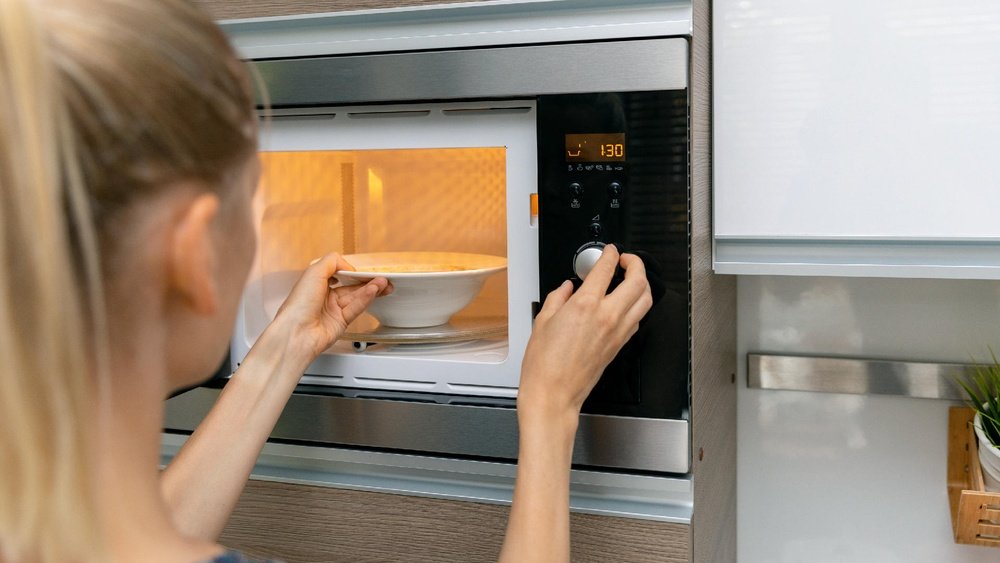
When your microwave keeps blowing its fuse, it can be frustrating and confusing. One moment your leftovers are heating, the next, everything goes dark. This problem is more common than you might think, and it’s often a sign that something inside your microwave needs attention. While some fuse issues have simple fixes, others point to deeper electrical faults. If you’ve found yourself repeatedly replacing fuses only for them to blow again, understanding why this happens can save you time, money, and maybe even your microwave.
Why Does A Microwave Have A Fuse?
Fuses are safety devices. The main purpose of a microwave fuse is to protect you and the microwave from electrical damage. If too much current flows, the fuse melts and breaks the circuit. This prevents fires, electrical shocks, and damage to expensive parts. Microwaves often contain more than one fuse—usually a main fuse and sometimes thermal fuses. Each one guards a different part of the microwave.
Common Reasons Your Microwave Keeps Blowing Fuses
Not all fuse issues are the same. Some are simple, but others need a trained eye. Here are the most frequent causes:
1. Faulty Door Switches
Microwave doors have safety switches. If these interlock switches fail or get stuck, the microwave can short-circuit as soon as you press “Start.” Door switches are a leading cause of fuse problems.
2. Overloaded Circuit
Microwaves use a lot of power. If you plug your microwave into an overloaded outlet or power strip, it can trip the fuse. Homes with old wiring or too many appliances on the same circuit are especially at risk.
3. Defective High Voltage Capacitor
This part stores energy and releases it quickly to heat food. If the capacitor is damaged, it can cause a short, blowing the fuse instantly.
4. Shorted Magnetron
The magnetron generates the microwaves that cook your food. When it fails, it often creates a direct short circuit, leading to a blown fuse.
5. Damaged Power Cord Or Plug
A frayed or pinched cord can let electricity flow where it shouldn’t. This is both dangerous and a common reason for fuse failure.
6. Moisture Or Food Debris
Sometimes, moisture or bits of food inside the microwave can reach electrical components and cause a short. This is why keeping your microwave clean is so important.
7. Failed Internal Components
Other parts like the transformer, diode, or control board can also fail and cause the fuse to blow, though these are less common.

Credit: www.youtube.com
How To Diagnose The Problem
Before you start, remember: Microwaves store high voltage, even when unplugged. If you’re not comfortable or experienced with electrical repairs, call a professional.
Still, there are safe checks you can do to narrow down the problem.
Step 1: Safety First
- Unplug the microwave.
- Wait at least 15 minutes to let capacitors discharge.
- Never open the microwave’s back panel unless you know what you’re doing.
Step 2: Check The Power Source
- Plug another device (like a lamp) into the same outlet.
- If it doesn’t work, the problem might be with your home’s circuit, not the microwave.
Step 3: Inspect The Door And Switches
- Open and close the microwave door several times.
- Listen for clear “clicks” from the door switches.
- If the door feels loose or the clicks are missing, the switches might be faulty.
Step 4: Examine The Power Cord
- Look for visible damage, kinks, or burn marks.
- Replace the cord if you see any damage.
Step 5: Look For Signs Of Moisture Or Food Debris
- Check the inside for spills, especially around vents and seams.
- Clean the microwave thoroughly.
Step 6: Fuse Location And Testing
Most microwave fuses are inside the cabinet, often near where the power cord enters. They’re usually glass or ceramic tubes with metal ends.
- If comfortable, remove the cover and locate the fuse.
- Test it with a multimeter for continuity. A blown fuse will show no continuity.
Step 7: Check For Recurring Issues
If you replace the fuse and it blows immediately or soon after, there’s likely a deeper issue—often the magnetron, capacitor, or high-voltage parts.
Table: Common Causes And Their Symptoms
Here’s a quick look at common causes, their symptoms, and the difficulty of fixing them:
| Cause | Typical Symptoms | DIY Difficulty |
|---|---|---|
| Door Switch Fault | Fuse blows when door is closed or opened | Easy to Moderate |
| Overloaded Circuit | Fuse blows when multiple appliances run | Easy |
| High Voltage Capacitor | Loud buzzing, fuse blows immediately | Difficult |
| Magnetron Failure | Microwave is dead, fuse blows instantly | Very Difficult |
| Damaged Power Cord | Visible cord damage, sparks | Moderate |

Credit: www.youtube.com
How To Fix A Microwave That Keeps Blowing Fuses
If you’re comfortable with basic tools and safety, you can try these steps. If not, it’s best to contact a qualified technician.
Replacing The Fuse
- Unplug the microwave from the wall.
- Remove the outer cover (usually a few screws at the back).
- Find the fuse—usually in a small holder near the power cord entry.
- Remove the old fuse and check the rating (written on the fuse).
- Buy an exact replacement—never use a fuse with a higher rating.
- Install the new fuse and replace the cover.
Checking And Replacing Door Switches
- Locate the switches near the door latch assembly.
- Test each switch with a multimeter (should show continuity when pressed).
- Replace any switch that doesn’t work.
Inspecting The Power Cord
If you see damage, replace the cord. This may require soldering or using crimp connectors, so only attempt this if you have experience.
Addressing Moisture And Debris
- Clean all accessible parts with a damp cloth (unplugged).
- Avoid using too much water.
Professional Repairs
For problems with the magnetron, high voltage capacitor, transformer, or control board, call a professional. These parts can store dangerous voltage even after unplugging.
Table: Cost Comparison For Common Repairs
Average repair costs can help you decide whether to fix or replace your microwave:
| Part/Repair | DIY Cost | Professional Cost | Is It Worth Repairing? |
|---|---|---|---|
| Fuse Replacement | $5–$15 | $50–$100 | Yes, usually |
| Door Switch | $5–$20 | $80–$150 | Yes, if under $100 |
| Power Cord | $10–$25 | $70–$120 | Yes, if microwave is newer |
| Magnetron | $40–$80 | $120–$300 | Usually not, buy new |
| Capacitor | $10–$30 | $100–$200 | Usually not, buy new |

Credit: www.ifixit.com
When To Replace Your Microwave
Sometimes, repair isn’t the best choice. Here are signs you should buy a new microwave:
- Your microwave is more than 7 years old.
- The cost of repair is over half the price of a new microwave.
- The microwave has other problems (uneven heating, bad smells, loud noises).
- You see burn marks or melted parts inside.
Modern microwaves are often more energy-efficient and safer. Spending a bit more on a new one can save you headaches in the long run.
Two Non-obvious Insights Most People Miss
- Repeated Fuse Blowing Can Signal a Failing Magnetron Even If It Still Heats
The magnetron may not always fail completely. Early signs can include blown fuses, strange noises, or a burning smell. Don’t ignore these clues just because the microwave still runs occasionally.
- Power Surges and Lightning Strikes Can Cause Delayed Fuse Problems
A surge may not blow the fuse immediately but can weaken internal parts. Weeks or months later, the fuse may start blowing with normal use. If your home experienced a recent surge, consider this as a hidden cause.
How To Prevent Fuse Problems In The Future
- Plug your microwave directly into a wall outlet, not a power strip.
- Avoid running other high-power appliances (like toasters or coffee makers) on the same circuit.
- Wipe up spills right away—especially near vents and seams.
- Close the microwave door gently. Slamming can damage door switches.
- Schedule regular cleaning inside and out.
- During storms, unplug your microwave if you expect lightning.
Table: Prevention Tips And Their Effectiveness
| Prevention Tip | How Effective? | Notes |
|---|---|---|
| Direct wall outlet use | Very high | Reduces risk of overload and surges |
| Gentle door use | Moderate | Prevents switch damage |
| Cleaning after spills | High | Prevents internal shorts |
| Unplug during storms | Moderate | Protects against surges |
| Regular inspection | High | Spot problems before they worsen |
Frequently Asked Questions
Why Does My Microwave Fuse Blow As Soon As I Start It?
This usually means a short circuit is present. Common causes are a bad door switch, defective magnetron, or failed capacitor. If the fuse blows instantly, stop using the microwave and call a professional.
Can I Use A Higher-rated Fuse To Solve The Problem?
No. Using a fuse with a higher rating is dangerous. It can allow more current to flow than the microwave is designed for, risking fire or severe damage. Always use the correct fuse type and rating.
Is It Safe To Replace A Microwave Fuse Myself?
Replacing a microwave fuse can be safe if you unplug the unit and follow instructions. However, the high-voltage capacitor inside can hold a charge even when unplugged. If you’re not experienced, it’s best to let a professional handle it.
Does A Blown Fuse Mean My Microwave Is Broken For Good?
Not always. Simple causes like a bad fuse or door switch can be fixed easily. But if the problem is with the magnetron or capacitor, repairs can be costly. Weigh the repair cost against the price of a new microwave.
Where Can I Find More Information About Microwave Safety?
You can read official safety advice at the U.S. Consumer Product Safety Commission. They provide guides and statistics to help you use appliances safely.
Microwaves make life easier, but when they start blowing fuses, it’s a signal that something needs attention. With the right steps, you can often find and fix the problem—or know when to seek help or buy new. Taking care of your microwave and watching for early signs can prevent headaches and keep your kitchen safe.