
A gas stove is a common appliance in kitchens around the world. Most people expect the flame to be blue, but sometimes you see an orange flame instead. This change can be worrying, especially if you don’t know what it means. Understanding the reasons behind an orange flame, its risks, and how to fix it can help keep your kitchen safe and efficient. Let’s explore why this happens, what you should do, and how to prevent it.
What Does An Orange Flame Mean?
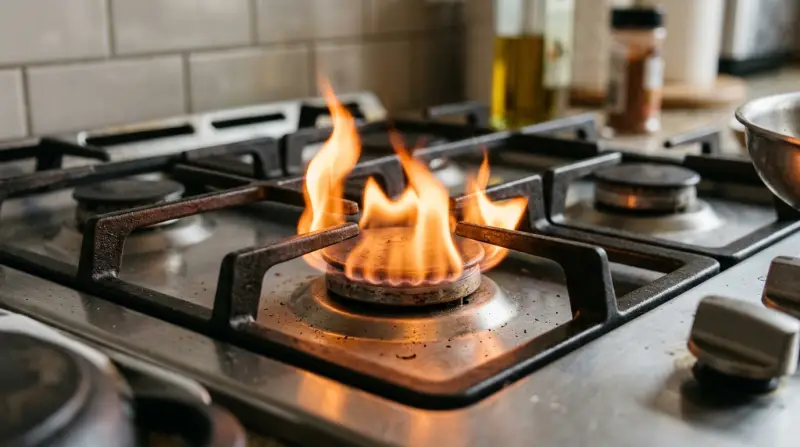
A blue flame on a gas stove shows that the gas is burning efficiently. It’s hot and clean. An orange flame is a sign that something is wrong. It usually means incomplete combustion. This can happen for several reasons:
- Not enough oxygen mixing with the gas
- Dirty or blocked burner
- Wrong gas pressure
- Foreign particles in the flame
When the flame turns orange, it may produce more carbon monoxide, which is dangerous. It also wastes energy and can damage your stove over time.
How A Gas Stove Flame Works
Gas stoves mix natural gas (or propane) with air. The mixture burns at the burner, creating heat. For proper burning:
- The gas must mix well with oxygen
- The burner holes should be clear
- The pressure must be correct
A blue flame means all these things are working. Orange or yellow flames show that something is off balance.
Main Causes Of Orange Flame On Gas Stove
Several factors can cause an orange flame. Let’s look at the most common reasons:
- Dirty Burner
- Food spills, dust, or grease can block the holes in the burner.
- When the holes are blocked, less air mixes with the gas.
- The flame turns orange because the gas isn’t burning fully.
- Improper Air-Gas Mix
- Gas stoves have an air shutter that controls the oxygen entering the burner.
- If the air shutter is closed too much, not enough oxygen mixes with the gas.
- This results in an orange flame.
- Incorrect Gas Pressure
- Gas stoves need the right pressure for complete combustion.
- If the pressure is too low or too high, the flame can turn orange.
- This issue is more common with propane stoves than natural gas.
- Contaminants in the Air
- Sometimes, particles from cooking sprays, cleaning products, or dust enter the flame.
- These particles glow orange when burned.
- The flame returns to blue when the particles are gone.
- Faulty Burner Parts
- If parts inside the burner are damaged or worn out, the flame may not burn properly.
- This can cause an orange or yellow flame.
Comparing Blue Vs Orange Flame
Here’s a simple comparison:
| Feature | Blue Flame | Orange Flame |
|---|---|---|
| Efficiency | High | Low |
| Safety | Safe | Risky (CO produced) |
| Heat Output | Hotter | Cooler |
| Burner Condition | Clean | May be dirty |
Dangers Of An Orange Flame
Many people ignore an orange flame, thinking it’s not a big deal. But there are real dangers:
- Carbon Monoxide (CO) Production: Incomplete burning creates CO, which is odorless and deadly. According to the CDC, CO poisoning sends over 50,000 people to emergency rooms each year in the US.
- Health Risks: Breathing CO can cause headaches, dizziness, nausea, and even death in high amounts.
- Soot Build-Up: An orange flame produces soot, which can coat pans, walls, and the stove itself. Soot is bad for your lungs and makes cleaning harder.
- Lower Cooking Efficiency: Food takes longer to cook, and you waste gas.
- Damage to Appliances: Long-term orange flame can corrode stove parts and make repairs more likely.
Real-life Example
A family in Texas noticed orange flames on their stove and ignored it. After several days, they felt headaches and fatigue. Their doctor found CO poisoning. Cleaning the burner and adjusting the air shutter fixed the issue, and their symptoms disappeared.
How To Fix An Orange Flame
If you see an orange flame, don’t panic. Most fixes are simple. Here’s what you should do:
- Turn Off the Stove Safely
- Always turn off the gas before touching any parts.
- Clean the Burner
- Remove the burner cap and grate.
- Soak them in warm, soapy water.
- Use a soft brush to scrub away grease and food particles.
- Clean the burner holes gently with a toothpick or brush.
- Check Air Shutter
- Find the air shutter near the burner tube.
- Open it slightly to let in more air.
- Light the stove and check the flame color.
- Inspect for Blockages
- Make sure nothing is blocking the burner or the gas line.
- Remove any visible dirt or debris.
- Check Gas Pressure
- If you suspect low or high gas pressure, call your gas supplier or a technician.
- Don’t try to fix pressure issues yourself.
- Replace Faulty Parts
- If the burner or other parts look damaged, replace them.
- Use only parts recommended by your stove’s manufacturer.
- Ventilate Your Kitchen
- Open windows or use a range hood to clear out any gases.
- This keeps the air safe while you fix the problem.
Step-by-step Example
If your stove flame turns orange after using cooking spray, try these steps:
- Turn off the stove and let it cool.
- Wipe the burner area with a damp cloth.
- Remove and clean the burner cap.
- Wait 10–15 minutes, then relight the stove.
- If the flame is still orange, adjust the air shutter.
Preventing Orange Flame Problems
Prevention is always easier than fixing problems later. Here are practical tips:
- Clean Your Stove Weekly: Even small food spills can block burner holes.
- Avoid Using Aerosol Sprays Near the Stove: Cooking sprays and cleaners can cause orange flames.
- Check Burner Parts Regularly: Look for rust, cracks, or dirt.
- Install a Carbon Monoxide Detector: This device can warn you about dangerous gas levels.
- Have Your Stove Serviced Yearly: A professional can check pressure, clean burners, and fix problems.
Common Mistakes To Avoid
- Don’t use metal tools to clean burner holes (they can damage parts).
- Don’t ignore a persistent orange flame.
- Don’t try to adjust gas pressure yourself.
- Don’t cover burner holes with foil or other materials.
When To Call A Professional
Some problems need expert help. Call a technician if:
- The orange flame doesn’t go away after cleaning and adjusting air.
- You smell gas or notice leaks.
- You feel symptoms like dizziness, headache, or nausea.
- The stove is old, and parts are worn out.
A professional can check for hidden issues, fix gas leaks, and replace faulty parts safely.
Data On Gas Stove Safety
Studies show that proper stove maintenance reduces risks. According to the US Consumer Product Safety Commission:
- Homes with well-maintained stoves had 80% fewer CO incidents.
- Regular cleaning and air adjustment cut soot levels by 90%.
- Installing a CO detector reduced emergency room visits by half.
Here’s a look at maintenance frequency vs. CO incidents:
| Maintenance Frequency | CO Incidents (Yearly) | Soot Build-Up |
|---|---|---|
| Weekly Cleaning | Low (1-2) | Minimal |
| Monthly Cleaning | Moderate (3-5) | Some |
| No Cleaning | High (10+) | Heavy |
How Orange Flame Impacts Cooking
Cooking with an orange flame changes how your food turns out. Here’s what happens:
- Lower Heat: Food cooks slower, so you may undercook meals if you don’t adjust the timing.
- Uneven Cooking: The flame doesn’t spread evenly, causing hot and cold spots.
- Soot on Pans: Black marks appear on pots and pans, which are hard to clean.
- Taste Issues: Soot and gases can affect food flavor.
Tips For Better Cooking
- Always check the flame color before starting.
- If the flame changes during cooking, pause and fix it.
- Use stainless steel pans; they’re easier to clean soot off.
- Keep a cleaning kit handy for quick fixes.
Comparing Different Gas Types
Gas stoves use either natural gas or propane. Each has different flame characteristics.
| Gas Type | Typical Flame Color | CO Risk | Adjustment Needed |
|---|---|---|---|
| Natural Gas | Blue | Medium | Rarely |
| Propane | Blue | High if improper | Often |
Propane stoves are more sensitive to air mix and pressure. If you use propane, check the air shutter often.
Non-obvious Insights
- Humidity Can Affect Flame Color: High moisture in the air can sometimes cause orange flames. This is rare but possible in humid climates or after boiling lots of water.
- Stove Placement Matters: If your stove is near windows or doors, drafts can change the air mix and flame color. Try to place your stove away from direct airflow.
Many beginners overlook these details, but they can make a difference in preventing orange flames.
Frequently Asked Questions
Why Does My Gas Stove Flame Turn Orange After Using Cooking Spray?
Cooking sprays contain chemicals that can enter the burner and glow orange when burned. The orange color should disappear after a few minutes. If it stays, clean the burner and avoid using sprays near the stove.
Is It Dangerous To Cook With An Orange Flame?
Yes, it can be dangerous. An orange flame produces carbon monoxide and soot, which are bad for your health. If you see an orange flame, fix it before cooking.
Can I Fix An Orange Flame Myself?
Most issues like dirty burners or blocked air shutters can be fixed at home. Clean the burner, adjust the air shutter, and check for blockages. If the problem remains, call a technician.
How Often Should I Clean My Gas Stove Burner?
Clean the burner at least once a week, especially after spills. Regular cleaning keeps the flame blue and reduces risks.
What Should I Do If I Smell Gas?
Turn off the stove, open windows, and leave the kitchen. Call your gas supplier or emergency services. Do not try to fix the problem yourself.
Keeping your gas stove flame blue is more than just a matter of cooking efficiency. It’s about safety, health, and protecting your home. Always pay attention to flame color, clean your stove regularly, and never ignore an orange flame. With these simple steps, you can enjoy safe and efficient cooking every day. For further guidance on gas stove safety, visit the Wikipedia page on gas stoves.