
When your outdoor power outlet stops working, it can be more than just an inconvenience. These outlets power garden lights, tools, holiday decorations, and sometimes even security systems. A non-working outlet can interrupt your plans and may even signal a larger electrical problem. While it’s tempting to ignore the issue or blame the weather, it’s important to understand why it happens and what you can safely do about it. This guide explains the most common reasons outdoor outlets fail, how to troubleshoot them, and when to call a professional.
Common Reasons Outdoor Power Outlets Stop Working
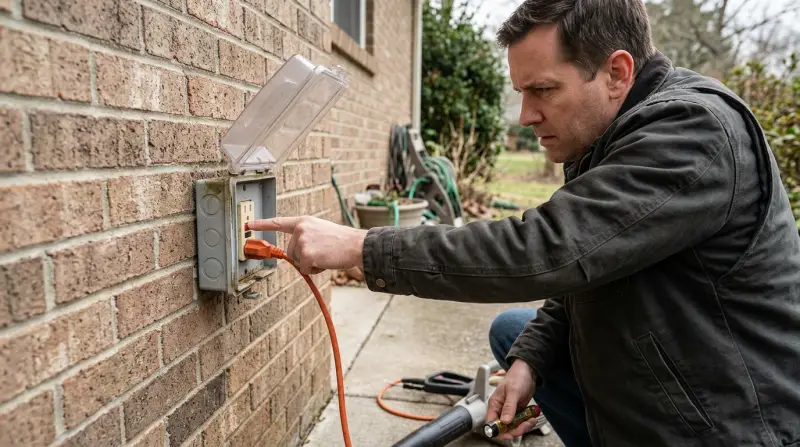
Outdoor outlets face unique challenges compared to indoor ones. They deal with moisture, temperature changes, and more frequent use. Here are the main causes for a non-working outdoor outlet:
- Tripped GFCI outlet: Most outdoor outlets are protected by a Ground Fault Circuit Interrupter (GFCI). If the GFCI detects a problem, it shuts off power instantly.
- Tripped circuit breaker: If too many devices are plugged in, or there’s a short circuit, the breaker may trip.
- Weather damage: Rain, snow, and humidity can corrode or short-circuit outdoor outlets.
- Loose wiring: Over time, wires can loosen due to vibration or temperature changes.
- Aging outlet: Outdoor outlets wear out faster than indoor ones.
- Blown fuse: In older homes, a fuse may blow instead of a breaker tripping.
- Pest interference: Small animals and insects sometimes chew wires or make nests in outlets.
- Physical damage: Accidents, such as hitting the outlet with a lawnmower, can break the unit.
It’s important to remember that outdoor electrical issues can be dangerous. If you ever see sparks, smell burning, or find signs of melting or charring, stop and call a licensed electrician.
First Steps: Quick Checks Before Troubleshooting
Before getting tools or calling for help, try these basic steps:
- Test another device: Plug a known working device into the outlet. Sometimes the problem is with the device, not the outlet.
- Check other outdoor outlets: If none work, the problem may be with the breaker or GFCI.
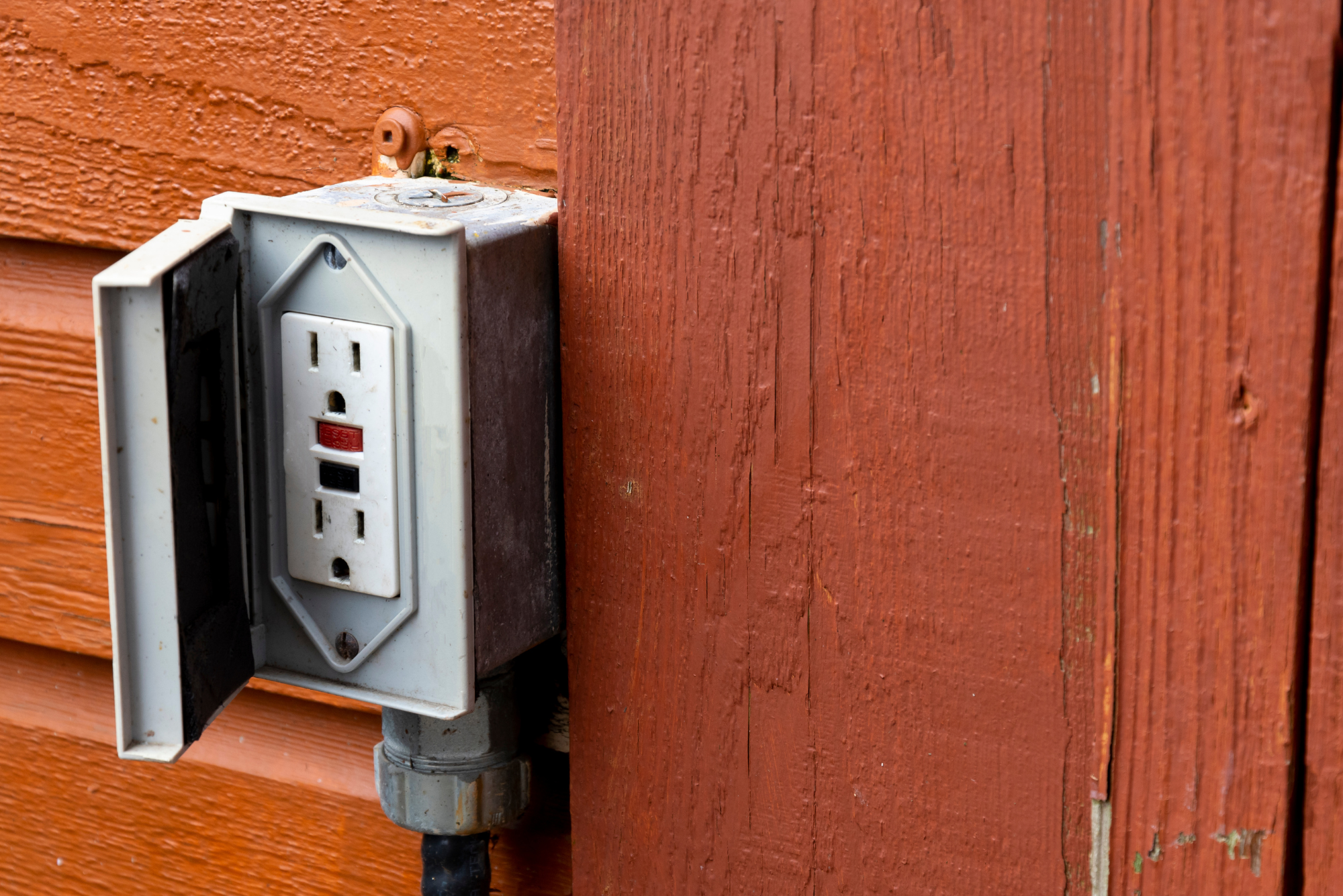
- Look for reset buttons: Most outdoor outlets have a GFCI reset button. Try pressing it.
- Inspect for moisture: If the outlet cover is loose or missing, water may have entered.
If these simple checks don’t solve the problem, it’s time to investigate further.

Credit: www.youtube.com
Understanding Gfci Outlets And Their Role
GFCI outlets are required for outdoor use because they protect you from electric shock. If the outlet detects a tiny difference in current, it cuts power in milliseconds. Sometimes, one GFCI outlet protects several regular outlets. This means a problem in one place can affect other outlets.
How To Identify A Gfci Outlet
Look for outlets with two small buttons labeled RESET and TEST. These are usually located on the outlet face. Some homes have a single indoor GFCI outlet that also protects outdoor outlets. If your outdoor outlet is dead, check GFCI outlets inside your house, often in kitchens, bathrooms, or garages.
Resetting A Gfci Outlet
- Press the RESET button firmly. You may hear a click.
- Plug in your device to see if power is restored.
- If it trips again, unplug everything and try resetting once more.
If the GFCI won’t reset or keeps tripping, there may be a deeper problem.
Step-by-step Troubleshooting Guide
When your outdoor outlet isn’t working, follow these steps to diagnose the issue safely. Always use caution—never touch exposed wires or work in wet conditions.
1. Check The Circuit Breaker Panel
- Find your home’s main electrical panel.
- Look for any breakers that are in the OFF position or out of line.
- Flip the tripped breaker to the OFF position, then back to ON.
If the breaker trips again immediately, do not force it—this suggests a serious issue.
2. Inspect The Outlet For Damage
- Look for cracks, discoloration, or burn marks.
- Check if the outlet feels loose when you plug something in.
- Make sure the weatherproof cover is intact and closes properly.
3. Test Other Outlets On The Same Circuit
Sometimes, several outdoor outlets share one circuit. If all are out, the issue may be at the first outlet in the line or the GFCI.
4. Test With A Voltage Meter
If you have experience, use a non-contact voltage tester or a multimeter:
- Set the tester to measure AC voltage.
- Carefully touch the probes to the outlet slots.
- If there’s no reading, there’s no power reaching the outlet.
If you’re not comfortable using these tools, skip this step to avoid injury.
5. Look For Moisture Or Debris
Outdoor outlets should be weatherproof, but seals can fail.
- Open the outlet cover and check for water, dirt, or insect nests.
- If moisture is present, do not use the outlet. Let it dry completely before testing again.
6. Examine Connected Devices
Sometimes, a faulty extension cord, timer, or plug-in device causes the outlet to shut off. Unplug everything and try resetting the outlet.
Credit: www.superfastelectric.com
Comparing Indoor And Outdoor Outlets
Understanding the differences between indoor and outdoor outlets can help you maintain them better.
| Feature | Indoor Outlet | Outdoor Outlet |
|---|---|---|
| Protection Type | Standard or GFCI | GFCI required |
| Weatherproofing | Not required | Weatherproof cover required |
| Exposure to Elements | Minimal | High |
| Installation Cost | Lower | Higher |
Safety Tips For Working With Outdoor Outlets
Handling electricity outdoors is riskier than indoors. Here are essential safety tips:
- Never use wet hands when touching outlets.
- Turn off power at the breaker before inspecting or repairing.
- Use weatherproof covers at all times, even when something is plugged in.
- Avoid extension cords for permanent outdoor use.
- Replace damaged outlets immediately.
- Keep children and pets away from outlets.
If you’re ever unsure, it’s safest to call a licensed electrician.
When To Replace An Outdoor Outlet
Some problems can’t be fixed by resetting or flipping a breaker. Here’s when you should replace the outlet:
- The outlet is cracked, melted, or discolored.
- The outlet feels hot to the touch.
- The outlet won’t hold plugs securely.
- You see sparks when plugging in devices.
- The outlet is more than 10-15 years old.
Newer outdoor outlets offer better safety and weather protection. Look for tamper-resistant and weather-resistant models for extra peace of mind.
Diy Repairs Vs. Calling A Professional
Some issues are simple to fix, but others require expert help. Here’s a quick comparison:
| Problem | DIY Possible? | Call Electrician? |
|---|---|---|
| Tripped GFCI or breaker | Yes | No |
| Loose outlet cover | Yes | No |
| Moisture in outlet | Yes (dry and monitor) | Yes (if recurring) |
| Damaged wiring | No | Yes |
| Burn marks, sparks | No | Yes |

Preventing Outdoor Outlet Problems
Prevention is easier than repair. Here are practical steps to keep your outdoor outlets working safely:
- Install weatherproof covers: These keep rain and snow out even when cords are plugged in.
- Check outlets twice a year: Inspect for cracks, loose covers, or signs of moisture.
- Use GFCI outlets only: These are now code for all outdoor installations.
- Seal around the outlet box: Use silicone caulk to prevent water from entering the wall.
- Don’t overload circuits: Avoid plugging too many high-wattage devices into one outlet.
- Replace old outlets: Upgrade to modern, weather-resistant models if yours are over a decade old.
A common mistake is ignoring small problems like a loose cover or occasional tripping. Address these issues early to avoid bigger, more expensive repairs.
Real-world Example: Diagnosing A Dead Outdoor Outlet
Imagine you plug in your string lights for a backyard party and nothing happens. Here’s how you might find the problem:
- You check the lights indoors and they work fine.
- You try another device in the outdoor outlet—still nothing.
- You notice the outlet has a GFCI RESET button. You press it, and the lights come on.
- A few days later, the outlet stops again. This time, pressing RESET doesn’t help.
- You check your garage and find another GFCI outlet there. It’s tripped. You reset it, and power returns.
This example shows how one tripped GFCI can affect multiple outlets, even in different parts of your house. Always check for other GFCIs if your outdoor outlet won’t work.
Comparing Gfci And Standard Outlets
To help you understand the key differences:
| Feature | Standard Outlet | GFCI Outlet |
|---|---|---|
| Shock Protection | Low | High |
| Reset Button | No | Yes |
| Required Outdoors? | No | Yes |
| Cost | Lower | Higher |
Frequently Asked Questions
Why Does My Outdoor Outlet Keep Tripping?
A tripping outlet often means there’s moisture, a short circuit, or a faulty device plugged in. Sometimes, outdoor outlets trip when heavy rain or snow gets inside. Try unplugging everything and drying the outlet. If it still trips, you might have a wiring issue.
Can I Replace An Outdoor Outlet Myself?
If you have basic electrical skills and the right tools, you can replace a standard outdoor outlet. Always turn off the breaker first. If the outlet is damaged, wet, or you’re not sure about wiring, call a licensed electrician. Safety is always the priority.
Are All Outdoor Outlets Required To Be Gfci?
Yes, in the United States, GFCI outlets are required for all outdoor locations by modern electrical codes. They protect against electrical shock and are safer in wet environments.
What Should I Do If My Outdoor Outlet Gets Wet?
Do not use it until it’s completely dry. Turn off power at the breaker. Open the cover and let it air out. If moisture returns, the weatherproofing may be failing. Replace the cover and consider upgrading the outlet for better protection.
How Long Do Outdoor Outlets Last?
Quality outdoor outlets can last 10 to 15 years. If exposed to harsh weather or frequent use, they may wear out sooner. Regular inspection and timely replacement will keep your system safe.
Dealing with a non-working outdoor outlet can be frustrating, but understanding the basics helps you solve small problems and recognize when to get professional help. With regular maintenance and quick attention to issues, your outdoor power will stay reliable and safe for years to come. For more on electrical safety, visit the Electrical Safety Foundation International.
2 thoughts on “Outdoor Power Outlet is Not Working? Quick Fixes and Tips”