
When your oven suddenly makes a loud popping sound and the breaker trips, it’s more than just an inconvenience. It can disrupt your cooking and raise concerns about safety. Many homeowners experience this problem at some point, but few understand why it happens or what to do next.
In this article, you’ll learn why ovens pop and trip breakers, how to diagnose the issue, and what steps to take to fix it. With practical advice and clear explanations, you’ll know how to handle this situation confidently.
Why Ovens Pop And Trip Breakers
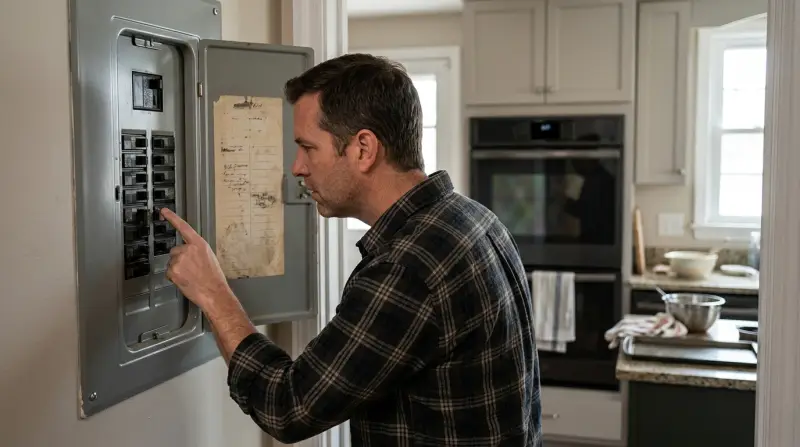
Most ovens run on high electrical power. When something goes wrong, it’s common for the oven to make a popping noise and for the circuit breaker to trip. This usually means there’s an electrical problem, but the cause can vary.
Common Causes
- Heating Element Failure: The oven’s heating element can burn out or break. When it fails, it may spark or pop, causing the breaker to trip.
- Short Circuit: Loose wires or damaged parts inside the oven can create a short circuit. This sends a surge of electricity, making the breaker shut off to prevent damage or fire.
- Faulty Electrical Outlet: If the outlet is damaged or overloaded, plugging in the oven can cause it to trip the breaker, sometimes with a popping noise.
- Breaker Overload: Ovens require a lot of power. If other appliances are on the same circuit, the total load can exceed what the breaker can handle.
- Moisture in Components: Water or steam from cooking can reach electrical parts, causing a pop and tripping the breaker.
Signs It’s A Serious Problem
A popping oven and a tripped breaker are warnings. If you notice burn marks, smoke, or a strong burning smell, the problem may be dangerous. Always turn off the oven and unplug it before checking anything.
Diagnosing The Issue
Finding the cause is the first step. You don’t need to be an electrician, but you should know what to look for.
Visual Inspection
- Check the Heating Element: Look for cracks, burns, or holes.
- Inspect Wires: If you can safely access the back or inside, check for loose or frayed wires.
- Look at the Outlet: See if it’s scorched or melted.
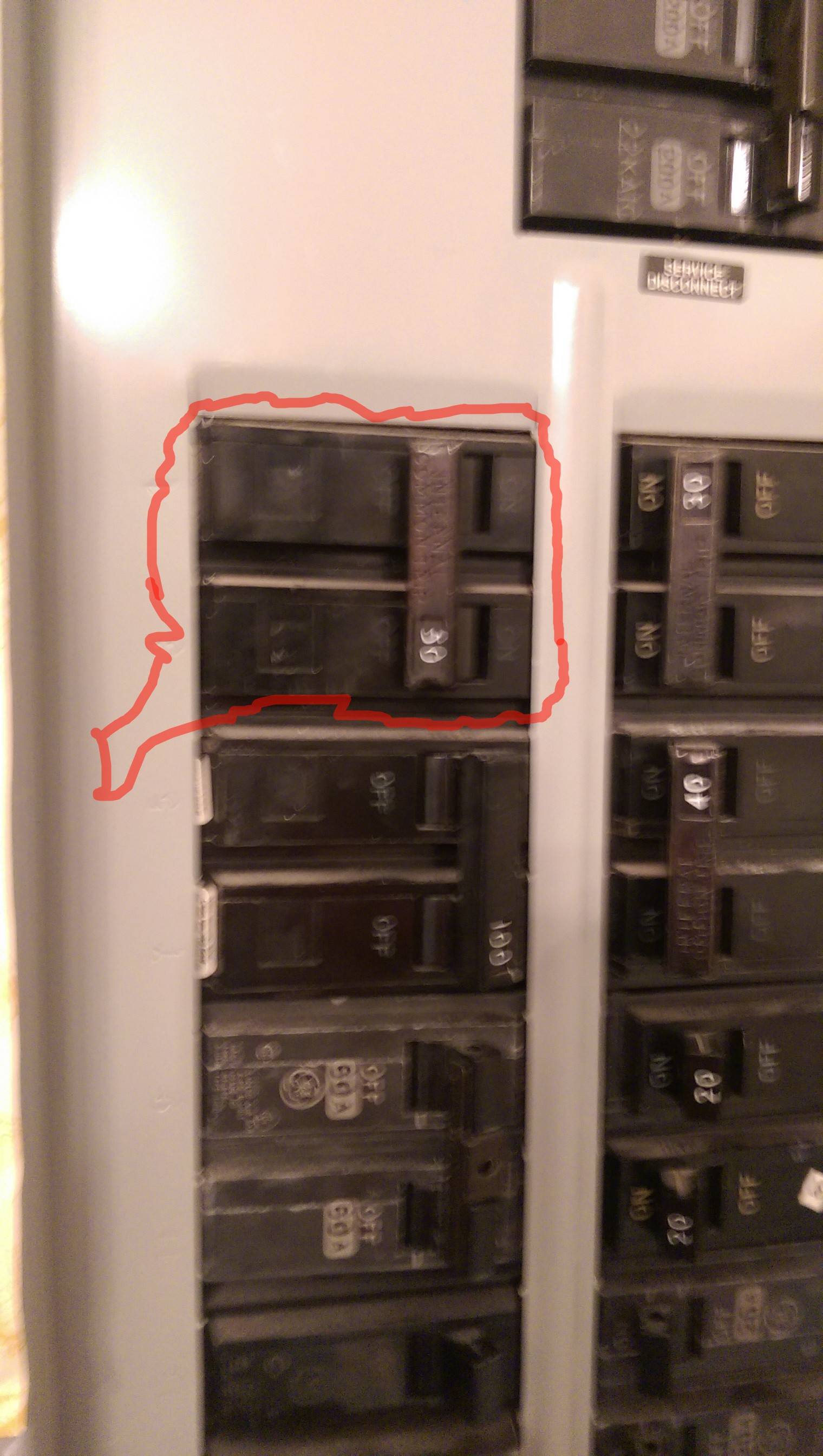
- Check the Breaker Box: Make sure the breaker isn’t damaged or hot to the touch.
Simple Tests
- Reset the Breaker: Flip it off and on. If it trips again right away, the problem is likely with the oven or wiring.
- Try Another Appliance: Plug a different device into the same outlet. If it works, the oven is the issue. If it trips, the outlet or circuit is faulty.
Using A Multimeter
If you have a multimeter and know how to use it, you can check for electrical shorts in the oven. Set the multimeter to continuity mode and test the heating element terminals. If it shows a short, the element needs replacing.
Credit: www.youtube.com
Repair Or Replace: What Should You Do?
After diagnosing the problem, you must decide whether to repair or replace parts, or even the entire oven.
Repairing The Heating Element
The heating element is often the cause. It’s not too expensive and can be replaced in most ovens. Here’s a quick breakdown:
| Heating Element Type | Cost Range (USD) | Average Lifespan |
|---|---|---|
| Bake Element | $20–$60 | 5–7 years |
| Broil Element | $25–$70 | 5–7 years |
| Convection Element | $30–$90 | 6–8 years |
When To Call A Professional
If the issue is with the wiring, outlet, or the oven’s internal circuit board, it’s best to call a certified electrician or appliance technician. Working with high voltage is dangerous. Most repairs cost between $75 and $300, depending on the complexity.
Replacing The Oven
If your oven is very old (over 10 years), or if repairs cost more than half the price of a new oven, consider replacing it. Modern ovens are more efficient and safer.
| Oven Type | Average Price (USD) | Energy Efficiency |
|---|---|---|
| Standard Electric | $400–$800 | Medium |
| Convection | $600–$1200 | High |
| Wall Oven | $1000–$2000 | High |
Preventing Oven Popped And Tripped Breaker Incidents
Many issues can be prevented with simple habits and maintenance.
Regular Maintenance
- Clean the oven regularly to remove grease and food debris.
- Inspect the heating element every six months for damage.
- Make sure the oven is dry before using it.
Electrical Safety
- Don’t overload the circuit. Keep heavy appliances on separate breakers.
- Use outlets rated for high-power appliances.
- Check your home’s wiring every 5–10 years, especially if it’s an older house.
Practical Tips
- Install a Dedicated Circuit: Ovens should have their own breaker. This prevents overloads.
- Avoid Using Extension Cords: They can’t handle the power needed for ovens.
- Check for Moisture: Never use the oven if it’s wet inside from cleaning or leaks.
Real-world Examples
Understanding through examples makes the problem clearer.
Example 1: Failed Heating Element
Sarah baked cookies when her oven popped, and the kitchen lights went out. The breaker tripped. She saw burn marks on the element. Replacing the element fixed the issue.
Example 2: Overloaded Circuit
John’s oven and microwave were on the same circuit. When both ran, the oven popped and the breaker tripped. An electrician installed a dedicated breaker for the oven, and the problem stopped.
Example 3: Faulty Outlet
Maria’s oven made a popping noise when plugged in. The outlet was scorched. Replacing the outlet solved the issue.
Example 4: Moisture Problem
After cleaning, Tom’s oven popped and tripped the breaker. Moisture had seeped into the heating element. Waiting until the oven was dry avoided future problems.
Comparing Different Solutions
Here’s a quick look at how different fixes compare in cost, difficulty, and effectiveness.
| Solution | Cost (USD) | Difficulty | Effectiveness |
|---|---|---|---|
| Replace Heating Element | $20–$90 | Medium | High |
| Repair Wiring | $75–$300 | High | High |
| Replace Outlet | $15–$50 | Medium | High |
| Install Dedicated Circuit | $200–$500 | High | Very High |
| Buy New Oven | $400–$2000 | Medium | Very High |

Non-obvious Insights
Most people overlook these points:
- Breaker Degradation: Breakers can weaken over time. Sometimes, a breaker trips because it’s old, not because the oven is faulty. If your breaker trips often, have it tested or replaced.
- Voltage Fluctuations: If your area has unstable power, voltage spikes can cause popping noises and trips. Installing a surge protector for appliances can help.
What If It Happens Again?
If your oven pops and trips the breaker more than once, it’s important to act quickly. Repeated incidents mean ongoing electrical risk. Ignoring it can damage the oven or cause a fire. Document each event and call a professional if you’re unsure.
When Is It Safe To Use The Oven Again?
Only use the oven after:
- The cause has been found and fixed.
- The heating element or wiring has been replaced or repaired.
- The outlet is safe and undamaged.
- The breaker is working properly.
Testing the oven by running it empty for 10–15 minutes can help check if the fix worked.
Frequently Asked Questions
What Should I Do First If My Oven Pops And Trips The Breaker?
Turn off and unplug the oven immediately. Don’t try to use it again until you’ve checked for damage or called a professional.
Can I Fix The Heating Element Myself?
If you have basic tools and the right replacement part, most heating elements can be swapped out safely. Always follow the manufacturer’s instructions, and unplug the oven before starting.
Is It Dangerous If The Oven Keeps Tripping The Breaker?
Yes, it can be. Repeated tripping means there’s an electrical fault. It could lead to fire or electric shock. Stop using the oven until it’s fixed.
How Can I Prevent This From Happening Again?
Keep the oven clean and dry, avoid overloading circuits, and have regular electrical inspections. Install a dedicated circuit for the oven if possible.
Where Can I Find More Information About Oven Safety?
You can find detailed guidance at the Consumer Reports website.
Handling an oven that pops and trips the breaker might feel intimidating, but understanding the causes and solutions helps you manage the situation safely. With regular maintenance and smart electrical choices, you can reduce the risk and keep your kitchen running smoothly.
If you’re ever unsure, don’t hesitate to call a professional. Safety should always come first.