
A persistent clicking sound from your stove can be both annoying and worrying. Many people experience this problem, and it often comes with questions: Is my stove broken? Is it dangerous? What should I do next? If your stove keeps clicking, you’re not alone. This article explores why stoves click, what causes the sound to persist, how to fix it, and when to call a professional. You’ll also find practical tips, common mistakes to avoid, real-life examples, and answers to frequently asked questions. Let’s help you understand and solve this common kitchen issue.
Why Do Stoves Click?
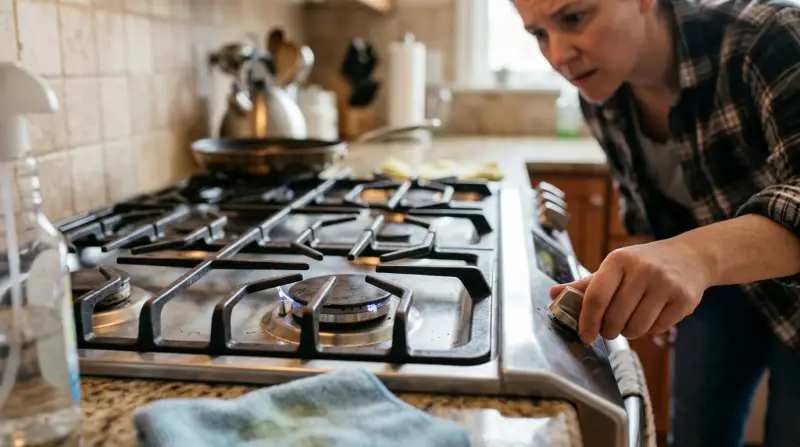
Most modern gas stoves use an electric igniter to light the burners. When you turn the burner knob, you usually hear a ticking or clicking sound. This is the igniter creating a spark, which lights the gas. Normally, the clicking stops as soon as the burner lights. But when the stove keeps clicking, it means something isn’t working as it should.
The Science Behind The Click
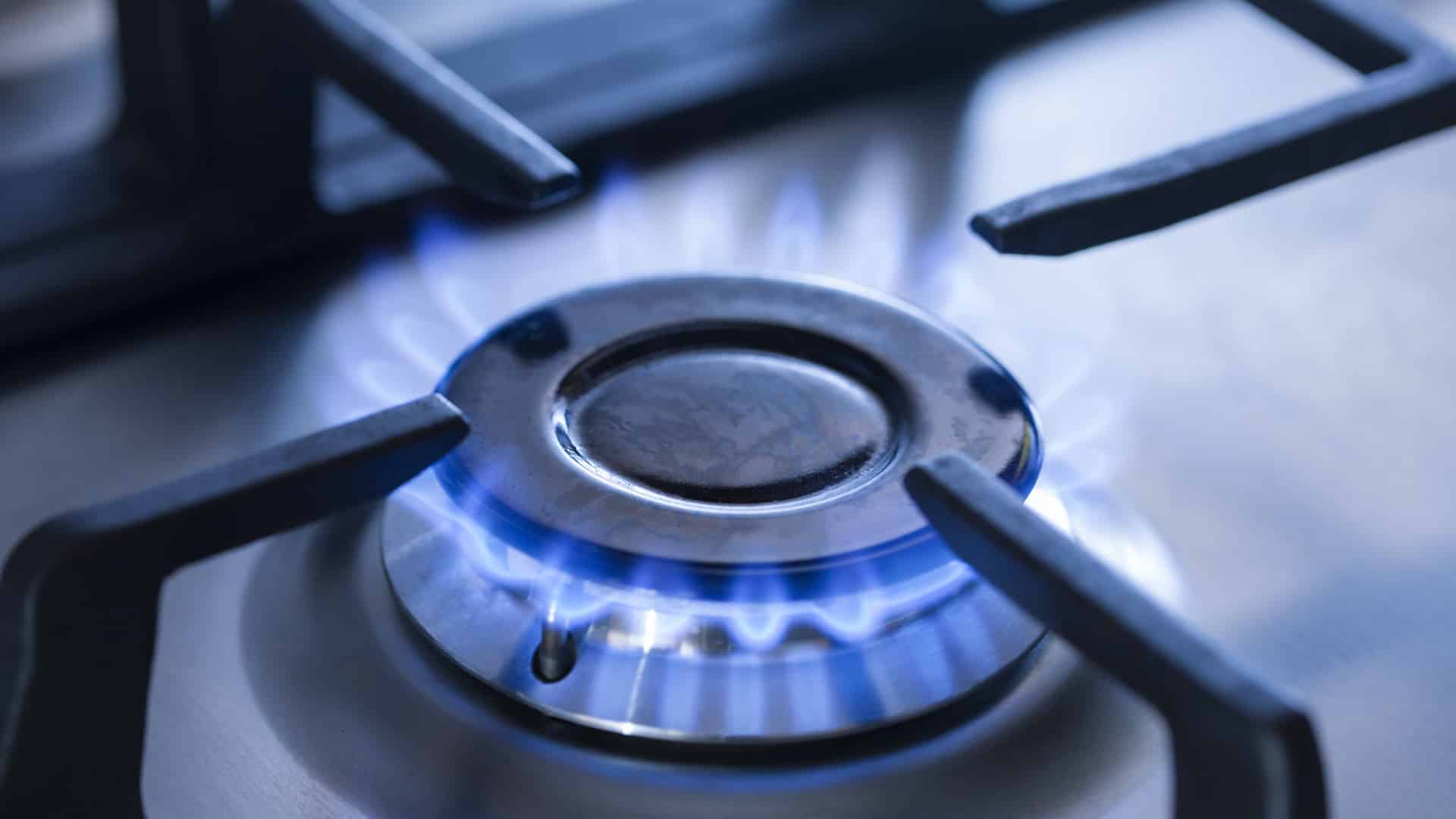
The clicking comes from a piezoelectric igniter or a small electric spark generator. It rapidly sends voltage to a spark electrode near the burner, causing a visible blue spark. This spark ignites the gas, creating the flame you cook with. If the spark keeps firing, the igniter thinks the burner hasn’t lit, or something is interfering with the ignition process.
Is Clicking Dangerous?
A clicking stove is usually not dangerous if there’s no smell of gas. If you do smell gas, turn off the stove immediately, open windows, and leave the area. In most cases, ongoing clicking means a part is dirty, wet, or misaligned.
However, ignoring the problem can lead to wasted energy, wear on stove parts, or—rarely—a gas leak risk. Always fix ongoing clicking as soon as possible.
Common Causes Of Continuous Clicking
Understanding why your stove keeps clicking helps you solve the problem quickly. Here are the most common causes:
1. Moisture On The Igniter
Water, soup, or oil spills can dampen the igniter. Even steam from boiling pots can cause moisture to collect, making the igniter click continuously.
2. Food Debris Or Grease Build-up
Crumbs, sauces, or grease can block the electrode or burner ports. This stops the spark from lighting the gas, so the igniter keeps firing.
3. Misaligned Burner Cap
If the burner cap isn’t seated properly, the gas and spark don’t meet correctly. The igniter keeps trying, causing that steady click.
4. Faulty Spark Module
The spark module controls the ignition. If it fails, the igniter may click continuously, even when the burner is off.
5. Worn Or Broken Igniter
Over time, the igniter tip can crack, wear down, or break. This makes it less effective, causing endless clicking.
6. Electrical Issues
Damaged wires, loose connections, or power surges can interfere with the igniter’s operation.
7. Switch Problems
The burner switch might stick or short-circuit, making the igniter fire at the wrong times.
Each of these causes has its own fix, which we’ll explain in detail.
Credit: d3appliance.com
How To Troubleshoot A Clicking Stove
You don’t need to be an appliance technician to diagnose most clicking stove problems. Follow these steps to find the cause and fix it safely.
1. Check For Moisture
- Turn off the stove and unplug it (or turn off the circuit breaker).
- Remove the burner caps and let everything air dry for at least 30 minutes.
- Speed up drying with a hair dryer on a cool setting, but do not use high heat.
- Wipe the igniter and surrounding area with a dry cloth.
If the clicking stops after drying, moisture was the problem.
2. Clean The Igniter And Burner
- Use a soft brush or old toothbrush to clean crumbs and grease from the burner and igniter.
- For tough grime, use a cotton swab dipped in rubbing alcohol to clean the igniter tip.
- Ensure the small metal electrode is free of any debris.
Regular cleaning can prevent most clicking issues.
3. Realign Burner Caps
- Remove the burner cap and reposition it so it sits flat and even.
- Caps must align with the correct notches. If misaligned, gas and spark won’t meet.
After realigning, turn on the stove to check if the clicking has stopped.
4. Inspect For Damage
- Look for cracks, chips, or corrosion on the igniter and burner.
- Damaged parts should be replaced. Don’t try to glue or tape igniters; this is unsafe.
5. Check The Burner Knob And Switch
- If a burner knob feels loose, sticky, or hard to turn, it may be pressing the switch incorrectly.
- Gently wiggle the knob. If clicking stops or changes, the switch may be faulty.
6. Examine Electrical Connections
- Unplug the stove (or turn off power at the breaker).
- Check for frayed wires, loose plugs, or signs of burning near the igniter.
- Reconnect any loose wires securely.
If you’re not comfortable with electrical work, call a professional.
7. Test All Burners
- Turn each burner on and off individually.
- If only one burner clicks, the problem is local. If all click, it’s likely a system issue (like the spark module).
Testing each burner helps narrow down the cause.
8. Replace Faulty Parts
- Igniters, switches, and spark modules are usually available from the stove manufacturer or appliance stores.
- Always use parts designed for your stove’s brand and model.
Replacing parts can fix persistent clicking, but check your warranty before doing this yourself.
When To Call A Professional
Some stove problems need expert help. Call a certified appliance repair technician if:
- There’s a strong smell of gas
- The clicking continues after all burners and igniters are clean and dry
- You notice sparks without turning the knob
- Electrical components look damaged
- You’re unsure or uncomfortable working with appliances
Professional repair ensures safety and avoids further damage. In rare cases, ongoing clicking can signal a gas leak, which is an emergency. If you suspect a leak, leave your home and contact your gas provider or emergency services.
Table: Common Stove Clicking Causes And Fixes
Here’s a quick comparison of causes, symptoms, and solutions:
| Cause | Symptoms | DIY Fix |
|---|---|---|
| Moisture on Igniter | Clicking after spills or cleaning | Dry all parts, air out stove |
| Food Debris | Clicking after cooking messy foods | Clean igniter and burner thoroughly |
| Misaligned Burner Cap | Clicking with weak or no flame | Re-seat cap properly |
| Faulty Spark Module | All burners click, even when off | Replace spark module |
| Broken Igniter | Visible cracks, no spark | Replace igniter |
| Switch or Wiring Problem | Clicking when knob isn’t turned | Check/replace switch, inspect wiring |
Preventing Stove Clicking Problems
Prevention is much easier (and less stressful) than repair. Here’s how you can keep your stove running smoothly:
- Wipe Up Spills Immediately: Moisture is the number one cause of unexpected clicking. After cooking, let the stove cool, then wipe away any water, soup, or sauce. Don’t let spills sit overnight.
- Clean Igniters Weekly: Use a soft brush, toothpick, or cotton swab to clear crumbs and grease from the igniter. Avoid using metal tools, which can damage the electrode.
- Align Burner Caps Carefully: When you remove burner caps for cleaning, double-check they’re properly seated before using the stove again.
- Don’t Pour Water On The Stove: Some people pour water to clean stubborn messes. This can soak the igniter and other parts, triggering clicking.
- Use Proper Cleaning Products: Avoid harsh chemicals or abrasive cleaners. These can erode the igniter or burner, leading to more problems.
- Schedule Regular Maintenance: Have a professional check your stove once a year, especially if you use it daily. This can prevent hidden issues from causing bigger problems later.
Table: Diy Fixes Vs. Professional Repair
Understanding when you can fix the problem yourself—and when to call a pro—saves time and money.
| Problem | DIY Solution | When to Call a Pro |
|---|---|---|
| Moisture/Spills | Dry and clean stove | If clicking persists after drying |
| Food Debris | Clean igniter, burner, cap | Debris stuck inside stove body |
| Misaligned Cap | Re-seat cap | Cap or burner warped/damaged |
| Electrical Issues | Check connections if confident | Sparks, burning smell, or damaged wires |
| Broken Parts | Replace igniter or switch | Can’t identify source or part |
| Gas Smell | None—evacuate immediately | Always, call gas company |
Real-world Examples
Stories from other stove users can help you recognize problems and solutions.
- Case 1: Maria noticed her stove clicking after boiling pasta. She wiped the stove, but the clicking continued. After removing the burner cap, she found water under the igniter. A hair dryer fixed the issue in five minutes.
- Case 2: John’s stove clicked even when off. He had recently cleaned the stove with a sponge. The clicking continued for hours. He unplugged the stove overnight, and it stopped. Moisture in the switch was the problem.
- Case 3: A family’s stove kept clicking after a sauce spill. They tried cleaning but missed a chunk of dried sauce near the igniter. Once removed, the clicking stopped.
- Case 4: Sam’s stove clicked on all burners, even after cleaning. The spark module had failed. He called a technician, who replaced the module in an hour.
These examples show that the clicking problem is common and usually easy to fix.

Credit: 5starappliancerepair.pro
Advanced Insights: What Most People Miss
Some solutions go beyond basic cleaning and drying. Here are two areas beginners often overlook:
1. Hidden Moisture In The Control Panel
Steam or splashed water can seep into the control panel or knob area. Even if the burners look dry, moisture trapped inside can trigger clicking. Unplugging the stove and letting it air out for several hours—even overnight—can resolve hidden moisture issues.
2. Partial Ignition And Low Gas Flow
If the burner lights but clicks continue, your stove may have a partial ignition or a problem with the gas supply. This can be caused by:
- Blocked gas ports (clean with a pin or needle—gently)
- Low gas pressure (contact your gas supplier)
- Faulty gas valve (requires a technician)
Don’t ignore ongoing clicking with a weak flame; it can signal a deeper problem.
Stove Clicking: Gas Vs. Electric Stoves
It’s important to know that only gas stoves have ignition clicking. Electric stoves use heating elements and make no clicking sound. If your electric stove is making noise, it’s a different problem.
Table: Gas Vs. Electric Stove Noises
| Stove Type | Normal Sounds | Abnormal Sounds |
|---|---|---|
| Gas | Clicking on ignition, low hiss of flame | Continuous clicking, loud pops, gas smell |
| Electric | Low hum, clicking relay during heating | Buzzing, sparking, burning smell |
If you have an electric stove that clicks, call a technician. For gas stoves, follow the troubleshooting steps above.
Common Myths About Stove Clicking
You’ll find plenty of advice online, but some is outdated or just wrong. Here are a few myths to ignore:
- Myth: “A clicking stove is always dangerous.”
*Fact:* Most of the time, it’s just moisture or debris.
- Myth: “You need to replace the whole stove.”
*Fact:* Most fixes are simple and inexpensive.
- Myth: “Spraying WD-40 will fix the igniter.”
*Fact:* Oil sprays can damage the igniter and are a fire risk.
- Myth: “Clicking means your gas line is leaking.”
*Fact:* Clicking is about the ignition system, not the gas supply. If you smell gas, that’s a separate issue.
Safety Tips For Gas Stoves
Gas appliances are safe when used and maintained correctly. Here are some key safety tips:
- Always turn off burners completely after use.
- Never block air vents or burner ports.
- If you smell gas, do not use electrical switches or lighters.
- Keep flammable items away from the stove.
- Schedule annual maintenance for peace of mind.
Cost Of Repair: What To Expect
Stove repairs vary in price depending on the part and your location.
- Cleaning and drying: Free, if you do it yourself
- Replacing an igniter: $20–$80 for the part, $100–$200 with labor
- Spark module replacement: $50–$150 for the part, $150–$300 with labor
- Professional diagnosis: $75–$150 for a home visit
If your stove is under warranty, check with the manufacturer before starting repairs.
How To Find Replacement Parts
When you need a new igniter, switch, or spark module, buy genuine parts for your stove’s make and model. You can find them at:
- Appliance part stores (in person or online)
- Manufacturer’s website
- Home improvement stores
Always compare part numbers and check return policies. Installation guides are often available on the manufacturer’s support page or This Old House.
What To Avoid When Fixing A Clicking Stove
Mistakes can make the problem worse or damage your stove. Avoid these errors:
- Using water to clean inside the stove body
- Forcing burner caps into place
- Using metal tools on the igniter
- Spraying household cleaners directly onto the igniter or switches
- Ignoring a gas smell
If in doubt, call a professional.
Frequently Asked Questions
Why Does My Stove Keep Clicking Even When It’s Off?
A stove that clicks when off usually has a stuck switch, moisture in the control panel, or a faulty spark module. Unplug the stove and let it dry. If the problem continues, call a technician.
Can A Clicking Stove Cause A Fire?
Clicking itself is not a fire risk, but if the igniter sparks near flammable materials or there is a gas leak, fire is possible. Always keep the area clean and fix clicking issues quickly.
How Long Does It Take For A Wet Igniter To Dry?
It can take anywhere from 30 minutes to several hours, depending on how wet it is. Use a hair dryer on a cool setting or leave the stove unplugged overnight for best results.
Should I Use Wd-40 Or Oil Sprays On The Igniter?
No. Oil sprays can attract dirt, damage the igniter, or even catch fire. Use only a dry brush or rubbing alcohol for cleaning.
When Should I Replace My Stove Instead Of Repairing It?
Replace your stove if repairs cost more than half the price of a new model, or if multiple parts are failing. Most clicking problems are easy to fix and don’t require replacement.
A clicking stove is a common issue with simple solutions. Most of the time, the cause is moisture, crumbs, or a misaligned burner cap. With basic cleaning and a little patience, you can solve the problem yourself. If the issue continues or you smell gas, don’t take risks—call a professional.
Regular maintenance keeps your kitchen safe and your stove working well for years to come.