
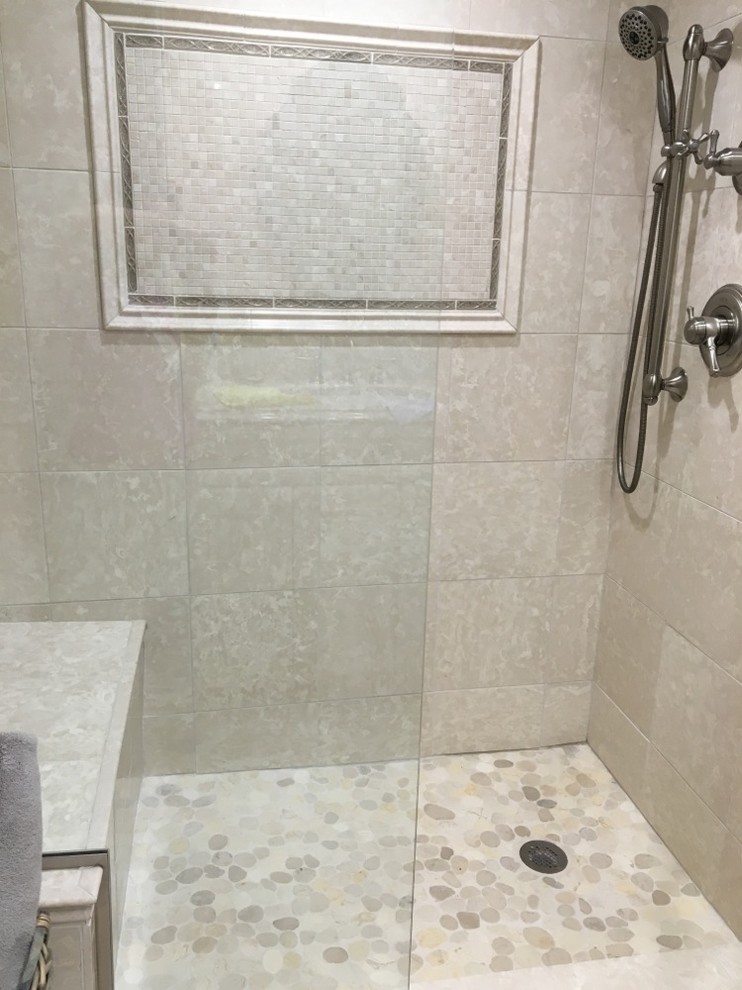
If you’re thinking about a pebble tile shower floor, you’re not alone. Many people love the natural look and texture. It feels like walking on river stones, bringing a bit of nature indoors. But pebble tile shower floors often bring unexpected problems that aren’t obvious at first. Homeowners, contractors, and designers sometimes overlook these issues, leading to costly repairs, discomfort, or even safety risks. In this article, you’ll learn about the most common pebble tile shower floor problems, why they happen, and how to avoid them. Whether you’re planning a remodel or already dealing with pebble floor issues, you’ll find practical advice to make smart decisions and keep your shower safe and beautiful.
Why Pebble Tile Shower Floors Are Popular
Pebble tile floors are attractive for several reasons. They offer a unique style that stands out from traditional ceramic or porcelain tiles. The stones come in different shapes, colors, and patterns, letting you create a custom look. Some people believe pebble floors provide a gentle massage for your feet. They also hide dirt and stains better than flat tiles.
However, what seems like a perfect option at first can become a headache later. Let’s explore the real problems that can arise.
Common Pebble Tile Shower Floor Problems
Grout Failure And Maintenance Issues
Pebble tile floors use much more grout than regular tile. The uneven surface and gaps between pebbles require a thick layer of grout to fill spaces. Over time, water and cleaning products wear down the grout. Cracks, discoloration, and even mold can appear.
- Cleaning grout is harder because dirt settles deep in the joints.
- Regrouting is often needed every few years, which costs time and money.
- Grout can absorb moisture, leading to mold and mildew growth.
Example
A homeowner in Florida reported needing to regrout his pebble shower floor twice in five years. He spent over $400 for repairs each time. This is far more frequent than with regular tiles, which usually last 10–15 years before regrouting.
Water Drainage Problems
Pebble tiles create an uneven surface. If the floor isn’t sloped correctly, water pools between the stones. Standing water increases the risk of mold, mildew, and slippery spots.
- Flat tiles help water move to the drain quickly.
- Pebble tiles slow water flow, especially if the grout lines are high.
- Poor drainage is a common issue in DIY installations.
Data Example
In a 2021 survey by a bathroom remodeling company, 35% of pebble tile shower owners complained about water not draining properly, compared to only 12% with flat tiles.
Comfort And Safety Concerns
Many people expect pebble tiles to massage the feet. But the reality is often discomfort, especially for sensitive skin or older adults. If pebbles stick out too much, they can feel sharp or uneven.
- Walking barefoot can become painful.
- Some stones are slippery when wet.
- The risk of slips and falls rises if the pebbles are polished or not installed securely.
Non-obvious Insight
Some pebble tile products use synthetic resin stones. These are smoother but can be dangerously slippery. Natural stone has more grip, but still poses risk if not sealed properly.
Sealing And Water Damage
Pebble tiles need regular sealing to protect from water, soap, and stains. Without proper sealing, water seeps through the grout and stones, damaging the underlying floor.
- Sealant wears away due to shower use and cleaning.
- Unsealed pebbles absorb water, causing stains and cracks.
- Water damage can lead to expensive repairs.
Practical Example
A family in California skipped resealing for two years. The shower floor developed dark stains and a musty smell. Repairs cost over $2,000, including removing and replacing the tiles.
Installation Difficulties
Installing pebble tiles is more complex than regular tile. The uneven shapes require careful placement and extra skill.
- DIY projects often fail because of improper slope or grout application.
- Professional installation costs are higher—usually $15–$25 per square foot versus $7–$12 for flat tiles.
- Mistakes during installation can cause long-term problems.
Data Table: Installation Costs Comparison
| Floor Type | DIY Difficulty | Pro Cost (per sq ft) | Common Issues |
|---|---|---|---|
| Pebble Tile | High | $15–$25 | Drainage, grout, sealing |
| Flat Tile | Medium | $7–$12 | Cracks, grout |
Mold And Mildew Risks
Pebble tile showers are more prone to mold and mildew due to trapped moisture and deep grout lines.
- Mold grows in grout and under pebbles.
- Deep cleaning is difficult and often requires special products.
- Allergies and health risks increase with mold exposure.
Comparison Table: Mold Risk By Floor Type
| Floor Type | Mold Risk | Maintenance Frequency |
|---|---|---|
| Pebble Tile | High | Monthly |
| Porcelain Tile | Low | Quarterly |
Color And Finish Fading
Pebble tiles can lose their color and shine due to water, soap, and cleaning agents.
- Some stones fade faster than others, especially lighter colors.
- Sealing helps, but must be repeated every 6–12 months.
- Faded tiles look dull and dirty even when clean.
Real-life Example
A hotel in New York had to replace its pebble tile shower floors every 3 years because the stones lost color and became rough.
How To Avoid Pebble Tile Shower Floor Problems
Choose The Right Pebble Tiles
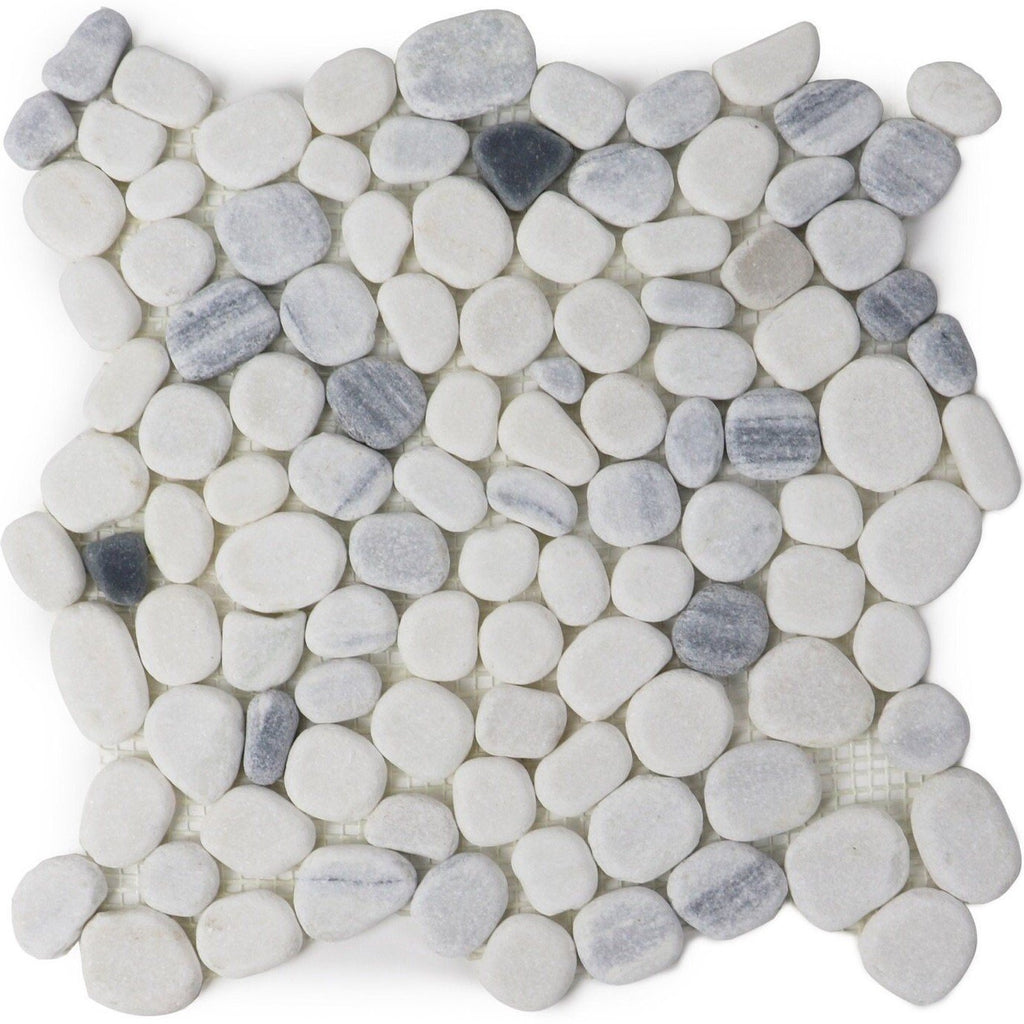
Not all pebble tiles are equal. Some are made of natural stone, others from resin or ceramic. Natural stones are better for grip, but require more sealing. Resin stones are smoother, but slippery.
- Look for pebbles with a flat surface (“sliced” pebbles).
- Choose stones with high durability and water resistance.
- Avoid polished pebbles in wet areas.
Install With Proper Slope And Drainage
The shower floor must have a minimum slope of 1/4 inch per foot toward the drain. This prevents water from pooling.
- Use a level during installation.
- Ask for professional help if unsure.
- Test water drainage before sealing.
Use Quality Grout And Sealant
Select epoxy grout for better water resistance and durability. Epoxy grout is more expensive but lasts longer and resists mold.
- Seal grout and pebbles after installation.
- Reseal every 6–12 months or as recommended by the manufacturer.
Clean Regularly And Deeply
Routine cleaning prevents mold and keeps grout intact.
- Use mild cleaners and soft brushes.
- Avoid harsh chemicals that damage stone and grout.
- Deep clean monthly to remove hidden dirt.
Budget For Maintenance
Expect higher maintenance costs with pebble tile floors. Regular cleaning, sealing, and repairs are necessary.
Table: Maintenance Cost Comparison
| Floor Type | Annual Maintenance Cost | Typical Repairs Needed |
|---|---|---|
| Pebble Tile | $200–$500 | Grout, sealing, mold removal |
| Ceramic Tile | $100–$250 | Grout, chips |
Non-obvious Tips For Pebble Tile Shower Floors
- Test the comfort of pebble tiles before buying. Stand barefoot on a sample board for a few minutes. Some stones feel fine at first but hurt after longer use.
- Plan for more grout than you think. Pebble tile floors require 2–3 times more grout than flat tiles.
- Check for warranty. Some tile manufacturers offer warranties against fading, cracks, or defects. Ask before you buy.
When To Avoid Pebble Tile Shower Floors
Pebble tile floors are not ideal for every situation. If you have mobility issues, sensitive skin, or want a low-maintenance shower, consider other options.
- Older adults and children may slip or feel pain on uneven pebbles.
- Small showers with poor ventilation are prone to mold.
- Homes in humid climates need extra care to prevent mildew.
Alternatives To Pebble Tile Shower Floors
If you love the look but want less maintenance, consider these options:
- Textured ceramic tiles: Offer slip resistance and easier cleaning.
- Porcelain tiles with stone patterns: Mimic pebble look without deep grout lines.
- Vinyl shower flooring: Quick installation and low maintenance.
Each alternative reduces the risks and maintenance needs of pebble tiles while keeping a stylish appearance.

Frequently Asked Questions
What Is The Best Grout For Pebble Tile Shower Floors?
Epoxy grout is the best option for pebble tile showers. It is water-resistant, durable, and less likely to crack or stain. Epoxy grout costs more but saves money in the long run by reducing repairs and preventing mold.
How Often Should I Seal A Pebble Tile Shower Floor?
You should seal pebble tile floors every 6–12 months. If your shower is used daily, consider sealing more often. Follow the manufacturer’s instructions for best results.
Can Pebble Tile Shower Floors Cause Foot Pain?
Yes, some pebble tile floors can cause foot pain or discomfort, especially if the pebbles are uneven or stick out. Test the tile comfort before installing. Sliced pebbles are gentler on feet.
Are Pebble Tile Shower Floors Slippery?
Pebble tile floors can be slippery, especially if the stones are polished or made from resin. Natural stone pebbles are less slippery but must be sealed correctly. Always check the slip rating before buying.
What Alternatives Are There To Pebble Tile Shower Floors?
Popular alternatives include textured ceramic tiles, porcelain stone-look tiles, and vinyl flooring. These options offer easier cleaning, better comfort, and lower maintenance.
If you want more detailed information about tile types and maintenance, visit Houzz Bathroom Flooring Guide.
Pebble tile shower floors can be beautiful and unique, but they come with real challenges. With the right knowledge, you can avoid costly mistakes and enjoy a comfortable, safe shower. Always consider your needs, budget, and maintenance habits before making a final choice.
A little planning saves a lot of trouble—and helps your shower stay beautiful for years to come.