
When you turn on your tub, water should flow smoothly from the spout. But sometimes, you notice water leaking from the back of the tub spout, running down the wall, or dripping behind the faucet. This problem can feel worrying, especially if you don’t know plumbing. A leaking tub spout from the back is more than just an annoyance—it can lead to hidden water damage, mold, and expensive repairs if ignored. This article explains why tub spouts leak from the back, how to diagnose the issue, and what you can do to fix it. Whether you’re a homeowner, renter, or just someone curious about plumbing, you’ll learn practical tips and avoid common mistakes. Let’s dive into everything you need to know about tub spout leaking from back.
Why Tub Spouts Leak From The Back
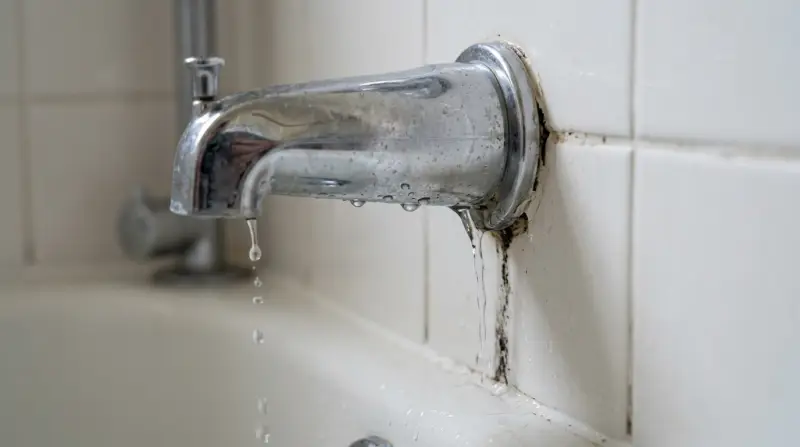
Many people expect leaks to happen at the front of the spout or from the faucet handles. But a back leak is different. It usually means water is escaping between the spout and the wall, or inside the pipe connection. Understanding the causes helps you fix the problem and prevent future damage.
Pipe Connection Issues
Most tub spouts connect to a copper pipe (slip-on) or a threaded pipe (screw-on). If the connection isn’t tight, water can leak from the back. Here are common reasons:
- Loose spout: Over time, the spout can loosen from vibrations or improper installation.
- Damaged threads: If the pipe threads are worn, cross-threaded, or corroded, water escapes at the joint.
- Incorrect size: Using a spout that doesn’t fit the pipe size causes gaps where water leaks.
Internal Spout Damage
Inside the spout, there might be cracks or worn seals. Water travels inside and leaks out the back, especially when you use the diverter (the knob to send water to the shower).
- Cracked spout: Cheap or old spouts can crack, letting water leak behind.
- Broken diverter: A faulty diverter lets water escape inside the spout body, often out the back.
Wall Seal Failures
The spout should sit flush against the wall. If there’s a gap, water splashes or leaks through.
- Missing caulk: Without caulk or sealant, water runs behind the spout.
- Wall damage: Crumbling drywall or tile lets water pass through.
Hidden Plumbing Problems
Sometimes, the leak isn’t from the spout but from the pipe inside the wall.
- Pipe corrosion: Old pipes can leak before they reach the spout, making it look like a spout leak.
- Loose fittings: Fittings inside the wall can loosen, causing water to drip out the spout’s back.
Signs Your Tub Spout Is Leaking From The Back
Not all leaks are obvious. Some signs are easy to miss, especially for beginners. Here’s what to watch for:
- Water stains on the wall below the spout.
- Dripping sounds behind the wall after using the tub.
- Soft or bulging drywall near the spout area.
- Mold or mildew smell around the tub.
- Water pooling at the base of the tub, even when the faucet is off.
If you see any of these, check the spout right away. Ignoring them can lead to bigger repairs.
How To Diagnose The Leak
You don’t need to be a plumber to diagnose a tub spout leak. Follow these steps to find out what’s wrong.
Step 1: Inspect The Spout
Look closely at the spout. Gently wiggle it—does it move? Are there visible cracks? Is the wall seal intact?
Step 2: Run Water
Turn on the faucet. Watch where water comes out. Use a flashlight to see behind the spout. If water drips from the back or wall, you have a leak.
Step 3: Test The Diverter
Pull up the diverter. If more water leaks from the back, the diverter or spout body might be damaged.
Step 4: Check The Wall
Feel the wall around the spout. Is it damp, soft, or stained? This means water is escaping behind the spout.
Step 5: Examine Pipe Connection
If you’re comfortable, remove the spout. Check the pipe for corrosion, cracks, or loose threads. Look for signs of water damage inside the wall.
Non-obvious insight: Even if you don’t see water, musty smells or bulging drywall can signal a hidden leak. Beginners often miss these clues.
Types Of Tub Spouts And Their Leak Risks
Not all tub spouts are the same. The type affects how leaks happen and how you fix them. Here’s a comparison:
| Type | How It Attaches | Leak Risk | Repair Difficulty |
|---|---|---|---|
| Slip-on (Copper) | Secured with a set screw | Loose screw, misalignment | Easy |
| Screw-on (Threaded) | Screwed onto pipe threads | Worn threads, cross-threading | Moderate |
| Diverter Spout | Has a shower switch | Internal diverter failure | Moderate |
| Non-diverter Spout | Simple water flow | Cracks or loose fit | Easy |
Knowing your spout type helps you choose the right repair method.
How To Fix A Tub Spout Leaking From The Back
Fixing a tub spout leak isn’t always hard. Many repairs can be done with basic tools. Here’s a step-by-step guide.
Step 1: Gather Tools And Materials
You’ll need:
- Adjustable wrench
- Screwdriver (flat or Phillips)
- Plumber’s tape (Teflon tape)
- Silicone caulk
- Replacement spout (if needed)
- Rags and flashlight
Step 2: Turn Off Water
Always turn off the water supply before working. This prevents accidents and makes the job easier.
Step 3: Remove The Spout
How you remove the spout depends on its type:
- Slip-on spout: Look for a set screw underneath. Loosen it with a screwdriver and slide off the spout.
- Threaded spout: Unscrew by turning counterclockwise. Use a wrench if it’s tight.
Step 4: Inspect And Clean The Pipe
Check the pipe for damage, corrosion, or old caulk. Clean the area with a rag. If the pipe is cracked or badly corroded, you might need professional help.
Step 5: Apply Plumber’s Tape
Wrap plumber’s tape around the pipe threads (for threaded spouts). This helps seal the connection and prevents leaks.
Step 6: Install The New Or Repaired Spout
- Slip-on: Slide the spout onto the pipe and tighten the set screw.
- Threaded: Screw the spout onto the pipe by hand, then tighten with a wrench. Don’t over-tighten.
Step 7: Seal The Wall Gap
Apply a thin bead of silicone caulk around the back edge of the spout where it meets the wall. Smooth the caulk with your finger for a neat finish. This blocks water from getting behind the spout.
Step 8: Turn On Water And Test
Turn the water back on. Run the faucet and shower. Check for leaks at the back, wall, and pipe. If all is dry, you’ve fixed the problem.
Non-obvious insight: Many people forget to seal the wall gap. Even if the pipe is tight, water can splash behind the spout and cause leaks.
Common Mistakes When Fixing Tub Spout Leaks
It’s easy to make mistakes, especially if you’re new to plumbing. Here are errors to avoid:
- Skipping the caulk: Not sealing the wall gap lets water leak behind, even if the spout is tight.
- Using the wrong spout type: Make sure your replacement matches the pipe (slip-on or threaded).
- Over-tightening: Too much force can crack the spout or damage threads.
- Ignoring pipe damage: If the pipe is cracked or corroded, replacing the spout won’t fix the leak.
- Not testing with shower diverter: Always check for leaks after using the diverter, as this is when internal leaks are most common.

Credit: diy.stackexchange.com
Preventing Future Tub Spout Leaks
Once you fix your leak, you want it to stay fixed. Here are tips to prevent leaks from the back of the spout.
Choose Quality Materials
Cheap spouts and caulk wear out faster. Invest in quality spouts and mold-resistant caulk.
Inspect Regularly
Check your tub spout and wall every few months. Look for signs of looseness, cracks, or stains.
Fix Small Issues Early
If you notice a small drip or stain, act quickly. Early repairs prevent bigger leaks.
Keep The Area Dry
After bathing, wipe down the spout and wall. This prevents water from sitting behind the spout.
Professional Help For Major Issues
If you see major wall damage or pipe corrosion, call a plumber. DIY repairs aren’t enough for hidden plumbing problems.
Cost Of Repair And Replacement
A leaking tub spout can cost little or a lot, depending on the damage. Here’s a simple comparison.
| Repair Type | DIY Cost | Professional Cost | Time Needed |
|---|---|---|---|
| Spout replacement | $20–$60 | $100–$250 | 30–60 minutes |
| Pipe repair | $10–$30 for parts | $150–$400 | 1–2 hours |
| Wall repair | $20–$100 for materials | $300–$800 | 2–4 hours |
| Full bathroom mold removal | Not recommended DIY | $500–$2,000+ | 1–3 days |
Most simple leaks can be fixed for under $100 if you do it yourself. But severe leaks can lead to expensive wall and mold repairs.
Tub Spout Leak Vs Other Bathroom Leaks
It’s easy to confuse a tub spout leak with other bathroom leaks. Here’s how tub spout leaks compare:
| Leak Type | Where Water Appears | Common Causes | Repair Steps |
|---|---|---|---|
| Tub spout (back) | Wall below spout | Loose spout, failed seal | Spout and wall seal repair |
| Faucet handle leak | Under handle, inside wall | Worn cartridge, loose packing | Replace cartridge or packing |
| Showerhead leak | From shower arm, wall | Loose threads, cracked pipe | Tighten, replace, or seal |
| Tub drain leak | Under tub or floor | Bad drain seal, loose plumbing | Replace seal, tighten drain |
Knowing the difference saves time and money on repairs.
Risks Of Ignoring A Tub Spout Leak
A leak from the back of your tub spout may seem small, but the risks are big.
Hidden Water Damage
Water can seep behind walls, damaging drywall, insulation, and framing. This weakens your home’s structure.
Mold Growth
Moist areas behind the tub spout are perfect for mold and mildew. Mold can cause health problems, especially for children and seniors.
Higher Repair Costs
Small leaks grow over time. Fixing a spout is cheap, but fixing wall damage or mold is expensive.
Lower Home Value
Visible water damage or mold lowers your home’s value. Buyers avoid homes with bathroom leaks.
Practical tip: Always fix leaks as soon as possible, even if they seem minor.

Credit: www.youtube.com
Can You Fix A Tub Spout Leak Yourself?
Many homeowners fix tub spout leaks themselves. But is it always safe? Here’s what to consider.
Diy-friendly Repairs
- Replacing a spout
- Sealing with caulk
- Tightening loose connections
These repairs are simple with basic tools.
When To Call A Professional
- Pipe is cracked, corroded, or loose inside the wall
- Wall is soft, bulging, or moldy
- You’re unsure about plumbing
Plumbers have special tools and experience. It’s better to pay for expert help than risk bigger problems.
Real-world Example: Fixing A Tub Spout Leak
Let’s look at a real situation.
Sarah noticed water stains below her tub spout. She felt the wall and it was damp. She removed the spout and found the pipe was fine, but the old caulk was missing. She cleaned the wall, applied new silicone caulk, and reinstalled the spout.
The leak stopped.
But John had a bigger problem. His spout leaked from the back, and the wall was bulging. When he removed the spout, he saw the pipe was corroded. He called a plumber, who replaced the pipe and repaired the drywall.
The repair cost $350, but it fixed the problem for good.
Lesson: Small leaks can be a simple fix. Big leaks need expert help.
Statistics On Tub Spout Leaks
Tub spout leaks are common. According to the US Environmental Protection Agency, household leaks waste nearly 1 trillion gallons of water every year in the US. Bathroom leaks are a major part of this problem.
- 15–20% of US homes report bathroom fixture leaks each year.
- Tub spout leaks make up about 10% of bathroom leaks.
- Fixing leaks saves an average of 10% on water bills.
These numbers show why fixing leaks quickly matters.
Choosing The Right Tub Spout Replacement
If you need a new spout, choose carefully. Here’s how to pick the best one.
Fit
Check your pipe type and size. Most pipes are ½-inch or ¾-inch diameter. Measure before buying.
Material
Choose brass or chrome-plated spouts for durability. Avoid cheap plastic spouts—they crack easily.
Features
If you use a shower, get a diverter spout. For tubs only, a simple spout is fine.
Brand Reputation
Buy from brands with good reviews and warranties. This ensures quality and support.
Non-obvious insight: Some spouts come with a built-in seal. These can be easier to install and leak less often.
Environmental Impact Of Tub Spout Leaks
A leaking tub spout doesn’t just waste water—it affects the environment.
- Wasted water increases demand on local water supplies.
- Leaks can cause mold, which releases spores into the air.
- Repairing water damage often involves replacing drywall and insulation, adding waste to landfills.
Fixing leaks is good for your wallet and the planet.
When To Replace Vs Repair
Should you repair your spout or replace it? Here’s how to decide.
- Repair: Minor leaks, loose spout, missing caulk, good pipe condition.
- Replace: Cracked spout, broken diverter, damaged threads, pipe corrosion.
If you’re unsure, start with repair. If leaks continue, replace the spout.

What To Do After Fixing The Leak
Once you’ve fixed your tub spout leak, don’t just walk away. Here’s how to keep your bathroom safe.
- Dry the area thoroughly.
- Check for hidden water damage behind the wall.
- Watch for new leaks after the next few uses.
- Keep records of repairs and replacement parts.
This helps you spot future problems and maintain your bathroom.
Where To Get More Help
If you want more information on plumbing and bathroom leaks, visit EPA WaterSense. It’s a trusted source for water-saving tips and leak repair guides.
Frequently Asked Questions
What Causes A Tub Spout To Leak From The Back?
The main causes are loose pipe connections, missing caulk, cracked spout, or damaged diverter. Sometimes, water leaks from the pipe inside the wall, making it look like the spout is leaking from the back.
How Do I Know If My Tub Spout Leak Is Serious?
If you see wall stains, bulging drywall, or mold, the leak is serious. Also, if the pipe is corroded or cracked, it needs professional repair. Small leaks without wall damage can often be fixed yourself.
Can I Use Regular Caulk To Seal Around My Tub Spout?
It’s best to use silicone caulk made for bathrooms. Regular caulk may not resist water and mold. Silicone forms a strong, flexible seal that lasts longer.
How Much Does It Cost To Fix A Tub Spout Leak?
DIY repairs cost $20–$100 for parts. Professional repairs range from $100–$800 depending on damage. If you need mold removal or major wall repairs, costs can be higher.
Should I Replace My Tub Spout Or Just Repair It?
If the spout is cracked, has a broken diverter, or damaged threads, replace it. If the leak is minor (loose spout, missing caulk), a repair is usually enough.
Fixing a tub spout leaking from the back might seem intimidating, but with the right approach, you can handle it. Acting quickly prevents water damage, saves money, and protects your home. Whether you repair the leak yourself or call a professional, the key is not to ignore the problem.
With the tips and guidance in this article, you’re ready to tackle tub spout leaks confidently and keep your bathroom safe.