
When your washer drain freezes, it’s more than just an inconvenience. Laundry piles up, water backs into your basement, and you might even face expensive damage. Cold climates make this a common problem, especially in older homes or houses with drains near exterior walls.
Understanding why washer drains freeze, how to fix them, and most importantly, how to prevent it from happening again, can save you time, money, and stress. Let’s explore practical solutions that work, plus tips even seasoned homeowners often overlook.
What Causes A Washer Drain To Freeze?
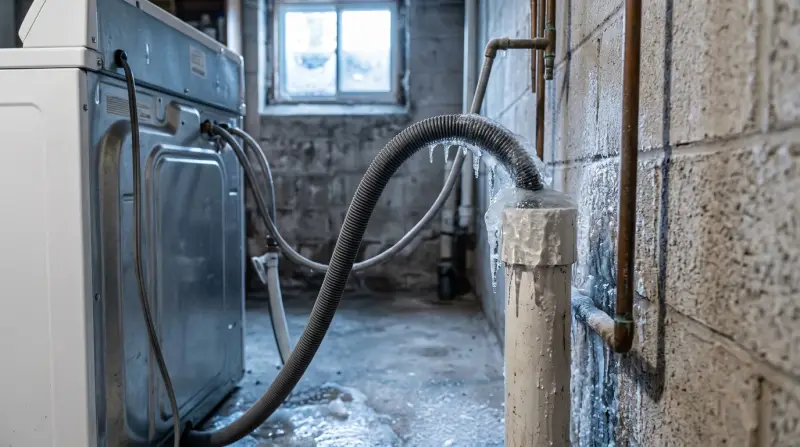
A frozen washer drain happens when water inside the pipe turns to ice, blocking the flow. This usually occurs in cold weather but several key factors make it more likely:
- Poor insulation: Pipes near exterior walls or in unheated spaces freeze faster.
- Slow drainage: Standing water in the pipe takes longer to drain, giving it time to freeze.
- Gaps or cracks: Cold air can seep in, lowering the temperature inside the pipe.
- Improper pipe slope: If the pipe isn’t sloped correctly, water won’t drain out completely.
- Clogged or partially blocked drains: Debris slows water movement, making freezing more likely.
In some cases, even newer homes with modern plumbing can experience frozen washer drains if temperatures drop suddenly or insulation is lacking.
Signs Your Washer Drain Is Frozen
You might suspect a frozen drain if you notice:
- Water backing up into the washer or laundry tub.
- Slow or no drainage after a wash cycle.
- Gurgling noises from the drain when the washer empties.
- Unusual odors (as trapped water stagnates).
- Visible frost or ice on exposed pipes.
If your washer stops mid-cycle or you see water pooling around the drain, act quickly to prevent further issues.
Immediate Steps To Take When Your Washer Drain Freezes
When you realize your drain is frozen, don’t panic. Here’s what you should do:
- Stop using the washer. Running more water can worsen the problem.
- Identify the frozen section. Feel along the pipe for cold spots or visible frost.
- Open faucets nearby. This may relieve pressure and help the ice melt.
- Turn up the heat. Warm the laundry area if possible.
- Use safe thawing methods.
Never use an open flame or torch—this can damage pipes or start a fire. Instead, try:
- Hair dryer: Direct warm air at the frozen section.
- Heating pad or towels soaked in hot water: Wrap around the pipe.
- Space heater: Place nearby, but keep it safe from water.
Comparison: Thawing Methods For Frozen Drains
Here’s a quick look at common thawing methods and their pros and cons.
| Thawing Method | Effectiveness | Safety | Time Needed |
|---|---|---|---|
| Hair Dryer | High | Very Safe | 15–60 mins |
| Heating Pad | Medium | Safe | 30–90 mins |
| Space Heater | Medium–High | Safe (if supervised) | 30–120 mins |
| Open Flame/Torch | High | Very Dangerous | 10–20 mins |
Start thawing at the end nearest the washer. This allows melted water to flow out, reducing pressure inside the pipe.
How To Prevent Your Washer Drain From Freezing
Prevention is always better than repair. Here’s how to keep your washer drain flowing, even in deep winter.
Insulate Your Pipes
Pipe insulation is affordable and easy to install. Foam sleeves or fiberglass wraps keep cold air away from pipes. Focus on:
- Drains near exterior walls
- Pipes in basements, crawl spaces, or attics
- Joints and bends, which are more likely to freeze
Seal Cracks And Gaps
Use caulk or spray foam to seal holes where cold air enters. Pay attention to:
- Where pipes enter walls or floors
- Window frames near pipes
- Exterior vents close to plumbing
Keep The Laundry Room Warm
If your washer is in a cold area, keep doors closed and use a portable heater during cold snaps. Even a few degrees warmer can prevent freezing.
Let Faucets Drip
Letting a trickle of water run during extreme cold keeps water moving, making it less likely to freeze.
Slope And Drainage
If possible, check that your washer drain pipe is sloped correctly (at least 1/4 inch per foot). Standing water in a flat or poorly sloped pipe is more likely to freeze.
Regular Maintenance
- Remove lint or debris from the drain regularly.
- Check for slow drainage—this can be a sign of a growing blockage.
- Flush with hot water or a safe drain cleaner before winter.
Smart Home Solutions
Some homeowners install pipe heat cables or smart temperature sensors that send alerts if the pipe gets too cold. These are great for vacation homes or people who travel often.

What If The Frozen Drain Has Burst?
If you see water leaking or hear hissing after thawing, the pipe may have cracked. A burst pipe can cause serious water damage. Here’s what to do:
- Shut off the main water supply.
- Call a licensed plumber.
- Clean up standing water quickly to prevent mold.
- Document the damage for insurance.
Pipes often burst not when they freeze, but when they thaw and water pressure returns. Even a small crack can leak gallons per minute.
Long-term Solutions For Persistent Freezing
If your washer drain freezes every winter, it may be time to consider more permanent fixes:
Reroute The Pipe
Moving the drain pipe away from cold exterior walls and into the heated part of the house can solve the problem for good.
Upgrade Pipe Materials
Modern PEX or PVC pipes are less likely to crack than old metal pipes. A plumber can advise on the best options for your home.
Install A Drain Line Heater
A self-regulating heat cable can be wrapped around the drain and plugged in during cold weather. These are safe, effective, and turn on only when needed.
Add A Utility Sink
If space allows, having a utility sink next to your washer can help. The sink’s drain is usually larger and less likely to freeze, plus you can run hot water to help melt ice if needed.

Credit: www.angi.com
Common Myths About Frozen Washer Drains
Many people believe some things about frozen pipes that simply aren’t true. Let’s clear up a few:
- Myth: Hot water alone will thaw a frozen drain. In reality, if the pipe is fully blocked, water won’t get through.
- Myth: Only old houses have frozen drains. Even new homes can have this problem if pipes are in cold spots.
- Myth: Antifreeze is a safe solution. Pouring automotive antifreeze down the drain is dangerous and can damage your pipes and the environment.
- Myth: If the pipe didn’t burst this time, it’s fine. Repeated freezing weakens pipes and makes a future burst more likely.
The Cost Of A Frozen Washer Drain
Fixing a frozen washer drain can be cheap or expensive, depending on the damage. Here’s a comparison of typical costs:
| Repair Type | Typical Cost | Time Needed |
|---|---|---|
| DIY Thawing | $0–$50 (supplies) | 1–2 hours |
| Professional Thawing | $150–$400 | 1–4 hours |
| Replacing Burst Pipe | $300–$1,500+ | 2–8 hours |
| Water Damage Cleanup | $1,000–$5,000+ | 1–3 days |
Non-obvious insight: Insurance often covers water damage from burst pipes, but not the cost to thaw or repair the original frozen pipe. Always check your policy details.
When To Call A Professional
You can handle minor freezing yourself, but call a plumber if:
- You can’t locate or reach the frozen section.
- The pipe is cracked, leaking, or burst.
- The drain freezes every year.
- You’re unsure how to thaw safely.
A professional can use specialized pipe thawing machines and check for hidden damage.
Frequently Asked Questions
Why Does My Washer Drain Keep Freezing Even After I Insulate The Pipes?
Sometimes, insulation alone isn’t enough if the pipe is exposed to extreme cold, or if air leaks let freezing air in. Also, if water drains too slowly, it can freeze before leaving the pipe. Make sure you seal air leaks, improve pipe slope, and clear clogs regularly.
Can I Pour Salt Or Antifreeze Down My Washer Drain To Prevent Freezing?
Salt can help melt ice in a pinch, but it’s not a long-term solution and can corrode pipes. Never use automotive antifreeze—it’s toxic and not safe for household plumbing. If you need a chemical solution, use products designed for home drains.
How Can I Tell If My Washer Drain Is Partially Frozen Versus Fully Blocked?
A partially frozen drain may drain slowly or make gurgling sounds, while a fully blocked drain will not let any water through and may cause backup into the washer or floor drain. Use a flashlight to look for ice if the pipe is visible, or gently tap to feel for cold, hard spots.
What Temperature Do Washer Drains Usually Freeze At?
Most water pipes and drains can begin to freeze when temperatures drop below 32°F (0°C). However, wind chill, poor insulation, and water flow all play a part. Some pipes freeze even at slightly higher temperatures if exposed to drafts.
Is There A Permanent Fix For A Washer Drain That Freezes Every Winter?
Yes. Rerouting the pipe to a warmer area, adding a heat cable, or upgrading to modern materials can stop the problem for good. Consult a plumber for solutions tailored to your home.
Dealing with a frozen washer drain is frustrating, but with the right approach, you can thaw the pipe, prevent future problems, and protect your home from serious damage. Stay alert in cold weather and invest in preventive measures. For more on pipe freezing and home maintenance, see this resource from the American Red Cross. Stay warm, stay dry, and keep your laundry moving—even in the coldest months.