
Imagine you turn off your home’s main water valve, but water keeps flowing from a faucet or toilet. This situation can be confusing and even stressful, especially if you’re trying to fix a leak or prevent water damage. If your water shut off but is still running, you’re not alone. Many homeowners experience this issue at some point. Understanding why this happens, what it means for your plumbing, and how to address it can save you time, money, and headaches.
Let’s explore the main reasons this occurs, how to diagnose the problem, and what steps you should take to fix it. We’ll also look at when to call a professional, how to prevent future issues, and answer common questions people have about persistent water flow after shutting off the supply.
Why Water Is Still Running After Shut Off
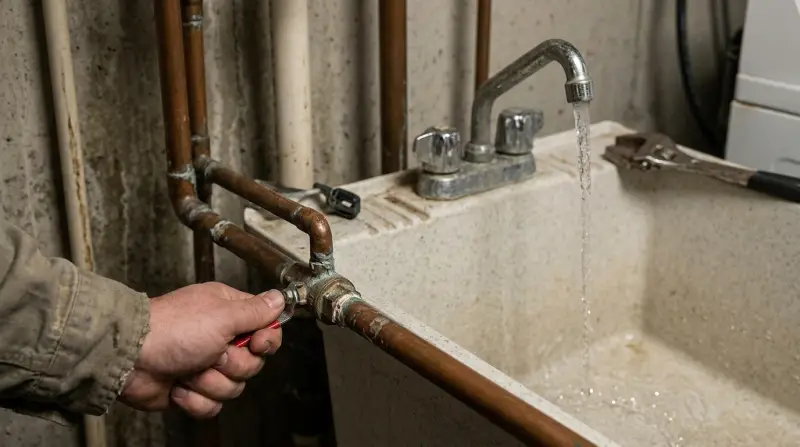
You might expect that turning off the main water valve will stop all water flow in your home. In most cases, it should. But sometimes, water keeps running due to a few possible reasons.
Faulty Main Shut-off Valve
The most common reason is a defective or worn-out main shut-off valve. Over time, minerals in water, rust, or simple aging can prevent this valve from closing fully. As a result, some water slips through, even when you turn the handle all the way.
Secondary Shut-off Valves Not Closed
Many homes have extra shut-off valves for sinks, toilets, and appliances. If you only close a secondary valve (like under the sink) and not the main one, water may still reach the fixture through another path. Some older plumbing systems have cross-connections or bypasses.
Draining Pipes And Residual Water
After turning off the water, some water remains in your pipes. If you open a faucet, this leftover water will flow out until the pipes are empty. This is normal and usually stops after a few seconds or minutes. However, if water keeps running for much longer, it’s a sign of a bigger problem.
Broken Or Leaking Pipes
If a pipe is broken or leaking underground, especially before the shut-off valve, you might notice water running even after you close the valve. In rare cases, water can enter your house through a neighbor’s line or a shared pipe system.
Faulty Appliances Or Fixtures
Some appliances, like dishwashers or washing machines, have their own water shut-off valves or backflow preventers. If these fail, water may continue to flow internally, even if you think you’ve stopped the supply.
High Water Pressure
Unusually high water pressure can force water through small gaps in a closed valve. This is uncommon but possible in some older or poorly maintained systems.
How To Diagnose The Problem
Finding out why water keeps running when shut off requires a step-by-step approach. Here’s how you can check the problem safely and efficiently:
- Confirm Which Valve You Used
- Make sure you turned off the correct valve—the main shut-off, not just a fixture valve.
- Check for Residual Water
- Open the lowest faucet in your home (often in the basement or first floor) after shutting off the main valve. If water stops after a minute, it was just residual.
- Inspect the Main Shut-Off Valve
- Look for signs of corrosion, rust, or mineral buildup.
- If the handle spins freely without resistance or doesn’t stop water, the valve likely needs repair.
- Monitor Water Meters
- If your home has a water meter, check if it’s still moving after you turn off the main valve. If the meter moves, water is flowing somewhere.
- Look for Leaks
- Check visible pipes, ceilings, and floors for signs of leaks or wet spots. Listen for running water sounds in walls or under floors.
- Test Secondary Valves
- Shut off water at the fixture level (like under sinks or at toilets) to see if water continues from only certain places.
- Consult Neighbors
- If you live in a duplex or shared building, ask neighbors if they have a similar issue. Sometimes plumbing is interconnected.
Common Types Of Water Shut-off Valves
Understanding what type of shut-off valve you have can help with troubleshooting. Here’s a quick comparison of common valves:
| Valve Type | How It Works | Common Problems |
|---|---|---|
| Gate Valve | Uses a gate to block water flow | Prone to sticking, corrosion, incomplete shut-off |
| Ball Valve | Rotating ball blocks or allows water | Seals can wear out, but usually more reliable |
| Globe Valve | Disc closes against a seat | Can leak if not fully closed; less common for mains |
Most modern homes use ball valves for main shut-off because they are simple and reliable. Older homes often have gate valves, which can fail due to rust or mineral buildup.
Fixes For Water Still Running After Shut Off
If you’ve confirmed that water is running despite shutting off the main valve, you’ll need to take action. Here’s what you can do:
1. Replace Or Repair The Main Shut-off Valve
A faulty shut-off valve is the top cause. If you feel comfortable, you can sometimes replace the washer or packing nut on older valves. But for most homeowners, replacing the entire valve is the safest solution. This usually requires shutting off water at the street (curb stop), so you may need to contact your water utility or a licensed plumber.
2. Fix Secondary Valves
If only certain fixtures keep running, try shutting off their individual valves. If these valves fail to stop water, they may also need replacing.
3. Address Leaks Or Broken Pipes
If you suspect a hidden leak, especially if you hear water or see damp spots, call a plumber right away. Leaks before the shut-off valve are urgent and may require your city’s help.
4. Remove Mineral Buildup
For valves that are difficult to close, sometimes removing and cleaning the valve can help. Use vinegar or a descaling product, but only if you know how to reassemble the valve safely.
5. Reduce Water Pressure
If you notice unusually high pressure (e.g., pipes bang or faucets spray hard), consider installing or adjusting a pressure reducing valve (PRV).
6. Call A Professional
If you’ve tried these steps and water still runs, it’s time to bring in a plumber. They have tools to check for hidden leaks, broken valves, and complex plumbing issues.

What Happens If You Ignore The Problem?
Ignoring a running water problem after shut off can lead to:
- Water damage to walls, floors, and belongings
- Higher water bills
- Mold growth due to hidden leaks
- Worsening leaks that can burst pipes
- Legal issues if leaks affect neighbors (in apartments or shared buildings)
The longer you wait, the greater the risk and cost. Acting early is always best.
Real-life Example
Sarah, a homeowner in Ohio, found water still running in her bathroom after shutting off the main valve. She assumed it was just leftover water in the pipes. But after 10 minutes, water was still trickling from her faucet. On checking, she realized her main shut-off was a 50-year-old gate valve, which had rusted inside.
After replacing it with a ball valve, the problem stopped immediately.
This example shows that old or faulty valves are a common hidden cause. Many people overlook the age and condition of their main shut-off.
Comparison: Diy Vs. Professional Repair
Some people wonder if they can fix a running water issue themselves, or if they need a plumber. Here’s a quick comparison:
| Task | DIY | Professional |
|---|---|---|
| Replacing a fixture valve | Possible with basic tools and skills | Faster, guaranteed result, safer |
| Replacing main shut-off valve | Difficult, may require city shut-off, risk of flooding | Recommended, ensures code compliance |
| Diagnosing hidden leaks | Very hard without special tools | Has leak detectors, thermal cameras |
Most simple valve replacements at the fixture level are possible for DIYers. But for main valves or anything involving hidden pipes, it’s safer to hire a licensed plumber.
Preventing Future Problems
To avoid water running after shut off in the future, take these steps:
- Test your main shut-off valve yearly. Turn it off and back on to keep it from sticking.
- Replace old gate valves with modern ball valves.
- Watch for signs of leaks like damp spots, mold, or unexplained high bills.
- Insulate pipes to prevent corrosion and freezing.
- Install pressure regulators if you have high water pressure.
- Schedule regular plumbing inspections for peace of mind.
Many people forget about their main shut-off valve until there’s an emergency. Testing and maintenance now can save thousands in repair costs later.

When Should You Call The Water Utility?
Sometimes, the problem isn’t inside your home. If the main shut-off valve is located outside (like near the street), and you can’t stop water flow by turning it, call your local water utility. They can check for:
- Faulty curb stop valves
- Leaks in the municipal line
- Shared line issues with neighbors
If you notice water pooling in your yard or street, it could be a city water main leak. This is their responsibility to fix.
Key Insights Most People Miss
- Main valves can look “off” but still let water through. Sometimes, mineral buildup prevents a tight seal even if the handle is turned all the way.
- High water pressure can cause valves to leak internally. If your pressure is over 80 psi, valves may not fully stop flow, even when closed.
Remember, even small drips from a supposedly closed system can waste hundreds of gallons over time.

Credit: www.epfauvergne.com
Frequently Asked Questions
Why Does Water Keep Running After I Shut Off The Main Valve?
This usually means the main shut-off valve isn’t sealing properly. It can be due to age, corrosion, or mineral deposits. In rare cases, there may be a leak or cross-connection in your plumbing.
How Do I Know If My Shut-off Valve Is Faulty?
If you turn off the main valve and your water meter still moves, or water continues to flow from multiple fixtures, the valve likely needs repair or replacement.
Can I Replace A Main Shut-off Valve Myself?
Replacing a main shut-off valve often requires shutting water at the curb and working with high-pressure lines. It’s best to hire a licensed plumber unless you have experience and the right tools.
Is It Dangerous To Leave Water Running After Shut Off?
Yes. It can cause water damage, raise your bills, and lead to mold. Leaks can also get worse over time, risking pipe bursts.
Who Is Responsible For Water Shut-off Valve Repairs?
Homeowners are usually responsible for valves inside their property. The city is responsible for curb stop or street-side shut-offs. If unsure, contact your local water utility or check your property map.
If you want to learn more about common plumbing issues and solutions, you can check out resources from the EPA’s WaterSense program.
A water shut-off issue can feel overwhelming, but most problems have clear solutions. Take action early, don’t ignore signs of trouble, and don’t hesitate to call for help if you need it. Your home—and your wallet—will thank you.
1 thought on “Water Shut Off But Still Running? Troubleshoot and Fix Fast”