
A Whirlpool dryer that won’t heat can turn laundry day into a real headache. You load the clothes, set the cycle, but after it finishes, everything is still damp. If this keeps happening, you know something is wrong. Many people think a dryer that spins but doesn’t heat is broken beyond repair.
That’s not always true. Often, you can fix the problem with some basic checks and a little knowledge. In this article, you’ll learn why your Whirlpool dryer isn’t heating, how to diagnose the issue, and what steps you can take to solve it.
Whether you’re a homeowner, renter, or even a property manager, this guide will help you understand the main causes and solutions.
How A Whirlpool Dryer Heats Up
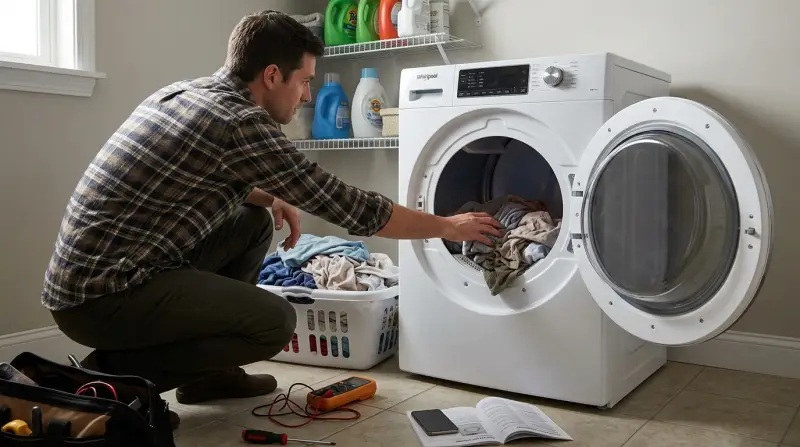
A clothes dryer works by blowing hot air through the drum. The heating element warms the air, and a fan circulates it. Wet clothes absorb the heat, and the moisture escapes through the vent. Whirlpool dryers use electric heating elements or gas burners, depending on the model.
If your dryer runs but doesn’t heat, there are usually four main parts involved:
- Heating element (electric dryers)
- Gas burner (gas dryers)
- Thermal fuse
- Thermostats
These parts control and deliver heat. When one of them fails, your dryer loses its ability to warm up.
Common Reasons Your Whirlpool Dryer Isn’t Heating
Every dryer is different, but some causes are more likely than others. Here are the most frequent reasons:
1. Blown Thermal Fuse
The thermal fuse is a safety device. It protects the dryer from overheating. If the dryer gets too hot, the fuse blows, and the heating stops. This is one of the most common reasons for no heat.
2. Faulty Heating Element
On electric Whirlpool dryers, the heating element is the part that heats the air. Over time, it can break or burn out. When this happens, the dryer will run but not heat.
3. Broken Gas Valve Or Ignitor
Gas dryers use a gas valve and an ignitor to create heat. If either fails, the dryer won’t heat. Sometimes the ignitor doesn’t glow, or the gas valve doesn’t open.
4. Defective Thermostat
Dryers use several thermostats to control temperature. If a thermostat fails, it can block power to the heating element or gas burner.
5. Blocked Vent Or Lint Trap
A clogged vent or dirty lint trap reduces air flow. Without enough air, the dryer can overheat and shut off the heat for safety.
6. Power Supply Issues
Electric dryers need a 240V power supply. If only one side of the power is working, the drum will spin but there won’t be heat.
7. Timer Or Control Board Malfunction
Modern dryers use a control board or timer. If these fail, the dryer may not send the signal to heat.
Diagnosing The Problem: Step-by-step
You don’t need to be an expert to check most of these issues. Here’s a simple process to diagnose why your Whirlpool dryer isn’t heating:
1. Check The Power Supply
Electric dryers need two circuits—one for the motor, one for the heater. If only one circuit is working, the dryer will run but won’t heat.
- Check your breaker panel. Make sure both breakers are ON.
- Test the outlet with a voltage meter if you have one.
2. Inspect The Thermal Fuse
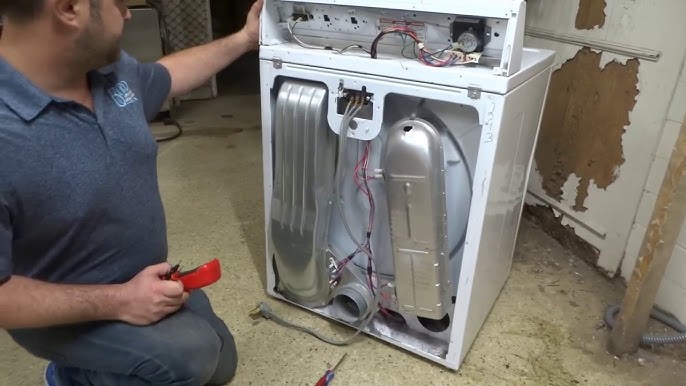
The thermal fuse is usually located near the blower housing or on the heating element. It’s a small, white piece with two wires.
- Unplug the dryer.
- Remove the back panel.
- Find the fuse and test it with a multimeter for continuity.
- If it’s blown, replace it.
3. Examine The Heating Element (electric Models)
Heating elements look like coils or metal strips.
- Disconnect power.
- Remove the back panel.
- Locate the heating element.
- Test for continuity using a multimeter.
- If there’s no continuity, replace the element.
4. Test The Gas Ignitor And Valve (gas Models)
Gas dryers have a burner assembly.
- Unplug the dryer.
- Remove the front panel.
- Check if the ignitor glows when you start the dryer.
- If not, the ignitor may be bad.
- If the ignitor works but you don’t hear a “click” from the gas valve, the valve may be faulty.
5. Examine Thermostats
Dryers usually have two thermostats—one controls normal temperature, the other is for high heat.
- Test each thermostat with a multimeter.
- Replace any thermostat that does not show continuity.
6. Clean The Vent And Lint Trap
- Remove lint from the filter after every load.
- Use a vacuum or brush to clean the vent hose.
- Check the outside vent for blockages.
7. Check The Timer And Control Board
- If other components seem fine, the timer or control board may be bad.
- Timer issues are more common in older models.
- Control boards are more expensive but can fail due to power surges.
Whirlpool Dryer Heating Issues: Data And Trends
Dryer heating problems are very common. According to appliance repair statistics, about 35% of all dryer repairs are related to heating failures. Most are caused by blown thermal fuses or heating elements.
Here is a comparison of common causes:
| Cause | Frequency (%) | Typical Repair Cost |
|---|---|---|
| Thermal Fuse | 40 | $15–$30 |
| Heating Element | 30 | $40–$100 |
| Gas Ignitor/Valve | 15 | $30–$80 |
| Thermostat | 8 | $20–$50 |
| Control Board | 7 | $100–$250 |
This data shows that simple parts like fuses and elements are most often the problem, and they’re not expensive to replace.

Credit: www.spinchill.com
Electric Vs Gas Whirlpool Dryers: Heating Differences
Both electric and gas dryers heat clothes, but the way they produce heat is different. Understanding these differences helps you diagnose issues faster.
| Feature | Electric Dryer | Gas Dryer |
|---|---|---|
| Heat Source | Heating element | Gas burner |
| Power Supply | 240V outlet | 120V outlet + gas line |
| Common Heating Issue | Failed element or fuse | Bad ignitor or gas valve |
| Repair Cost | Lower | Higher (if gas parts fail) |
| Safety Risk | Electrical shock | Gas leak/fire |
If you don’t know which type you have, check the back. Electric dryers have a thick power cord; gas dryers have a gas line.
Practical Solutions And Tips
You can solve many heating issues yourself if you follow these steps:
- Replace the thermal fuse if it’s blown. Use the correct part for your model.
- Swap out the heating element if it fails the continuity test.
- Clean the vent and lint trap regularly. This prevents overheating and keeps the dryer efficient.
- Check the power supply before replacing any parts. Sometimes, resetting the breaker fixes the problem.
- Don’t ignore strange smells or sounds. If you smell gas or hear clicking, stop using the dryer and call a professional.
Two Insights Most Beginners Miss
- Vent Blockages Can Cause Fuse Failure: Many people replace the fuse without fixing the vent. The new fuse will blow again if the vent stays blocked.
- Partial Power Can Fool You: If an electric dryer runs but doesn’t heat, it’s often a power issue—not a broken heater. Check both sides of the circuit.
Credit: www.youtube.com
When To Call A Professional
Some repairs are simple, but others need an expert. If you’re not comfortable with electricity or gas, or if the dryer has multiple problems, it’s safer to call a technician. Professional repairs cost more but ensure safety and reliability.
A typical dryer repair visit costs $100–$200, depending on the issue. Most technicians fix heating problems in less than one hour.
Whirlpool Dryer Maintenance: Prevent Heating Problems
Proper maintenance prevents most dryer heating issues. Here’s what you should do:
- Clean the lint filter after every load.
- Check the vent hose every three months.
- Inspect the outside vent once a year.
- Avoid overloading the dryer. Heavy loads strain the heating system.
- Test the thermal fuse and thermostats if you notice weak heat.
Maintenance reduces the chance of overheating and keeps your dryer running efficiently.

Comparing Diy Vs Professional Repairs
Many people wonder if they should repair their dryer themselves or hire a professional. Here’s a quick comparison:
| Factor | DIY Repair | Professional Repair |
|---|---|---|
| Cost | Low (parts only) | Higher (labor + parts) |
| Skill Needed | Basic tools, some knowledge | None (technician handles everything) |
| Time | 1–2 hours | 30–60 minutes |
| Safety | Risk if not careful | Safe, insured |
| Warranty | No warranty | Usually warranty on work |
If you have confidence and basic tools, DIY repairs can save money. If you’re unsure or have a gas dryer, professional help is wise.
Frequently Asked Questions
Why Does My Whirlpool Dryer Run But Not Heat?
This usually means the thermal fuse is blown, the heating element is bad, or there’s a power supply issue. Check these parts first. If you have a gas dryer, look at the ignitor and gas valve.
How Can I Test The Heating Element In My Whirlpool Dryer?
Unplug the dryer, remove the back panel, and locate the heating element. Use a multimeter to check for continuity. If the meter shows no continuity, the element needs replacement.
What Causes The Thermal Fuse To Blow Repeatedly?
Repeated fuse failure often means the vent is blocked or the dryer is overheating. Clean the vent hose and outside vent. If the fuse keeps blowing, check the thermostats and heating element.
Is It Safe To Repair A Whirlpool Dryer Myself?
Many repairs are safe if you unplug the dryer and follow instructions. However, gas dryers and electrical repairs can be dangerous. If you’re unsure, call a professional.
Where Can I Find Whirlpool Dryer Replacement Parts?
You can buy genuine Whirlpool parts at appliance stores, online retailers, or directly from Whirlpool’s website. For more information, visit Whirlpool Service.
A Whirlpool dryer not heating is a common problem, but it’s often easy to fix. With the steps and tips above, you can diagnose the issue, repair it, and prevent future problems. Regular maintenance and quick action will keep your dryer running smoothly for years.
If you ever feel unsure, don’t hesitate to get help from a qualified technician.