
If your Bosch ice maker is not working, it can be frustrating—especially on a hot day or when guests are visiting. Many people expect their refrigerator’s ice maker to work without problems, but sometimes things go wrong. The good news is, most issues are simple to fix with a bit of guidance. This article explains the most common reasons your Bosch ice maker might not work, how to troubleshoot, and practical solutions. You’ll also find helpful tips, comparison tables, and answers to frequently asked questions.
Common Reasons A Bosch Ice Maker Stops Working
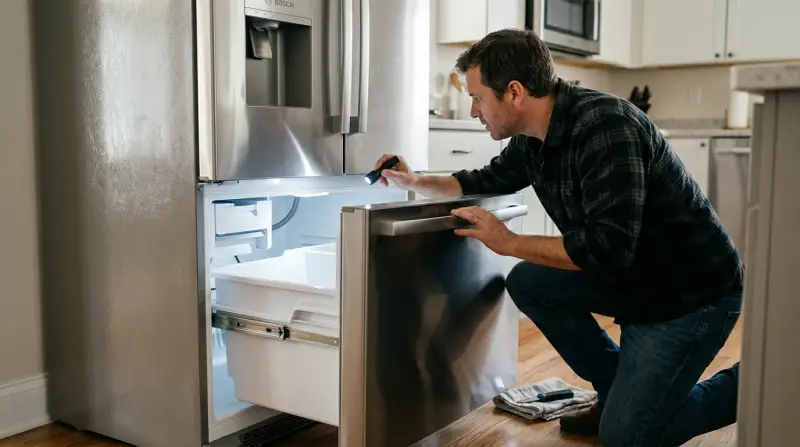
Bosch refrigerators are known for their quality, but like any appliance, ice makers can have problems. Understanding the root cause helps you fix the problem faster.
1. Water Supply Issues
The ice maker needs a steady supply of water. If there is no water, it cannot make ice. Common water supply problems include:
- Closed or kinked water line: Check if the valve behind your fridge is open and the water line is straight.
- Clogged filter: A dirty or blocked water filter can slow down or stop the flow of water.
- Frozen water line: Sometimes, the water line inside the fridge can freeze, blocking water flow.
2. Temperature Settings
The freezer must be cold enough to make ice. If the temperature is too high, ice may not form.
- The ideal freezer temperature is 0°F (-18°C).
- If the setting is above 10°F, the ice maker may not work properly.
3. Faulty Ice Maker Parts
Some parts wear out or break over time:
- Ice maker module: This controls the ice-making process.
- Water inlet valve: Lets water into the ice maker.
- Thermostat: Senses the temperature to start ice production.
A failed component can stop the ice maker from working at all.
4. Control Or Sensor Problems
Modern Bosch fridges use sensors and electronic controls. If a sensor or control board fails, the ice maker can stop even if all other parts are fine.
5. Full Or Jammed Ice Bin
If the ice bin is full or the ice cubes are stuck together, the ice maker might pause or jam. Removing old ice and cleaning the bin often solves the problem.
Step-by-step Troubleshooting Guide
When your Bosch ice maker is not working, follow these steps to find and fix the problem.
Check Water Supply
- Inspect the water line behind your fridge. Make sure it’s connected and not kinked.
- Open the shutoff valve fully.
- Replace the water filter if it’s older than six months. Bosch recommends regular filter changes.
- If the water line is frozen, unplug the fridge for a few hours or use a hair dryer (on low) to thaw the line gently.
Set Correct Freezer Temperature
- Adjust the freezer to 0°F (-18°C).
- Wait 24 hours after changing the temperature to see if ice production resumes.
Examine The Ice Maker
- Make sure the ice maker is turned on. Some models have a switch or arm.
- Remove the ice bin and check for stuck ice. Break up clumps and reinstall the bin.
- Look for signs of damage or wear on the ice maker itself.
Test Ice Maker Components
If the basics are fine, some simple tests can help:
- Water Inlet Valve Test: Listen for a buzzing sound when the ice maker cycles. No sound may mean a faulty valve.
- Manual Cycle Test: Some Bosch models let you manually start the ice-making process. Check your manual for instructions.
- Sensor Check: If the control panel shows an error code, refer to your user manual to identify the problem.
Reset The Ice Maker
Sometimes, a reset can fix electronic glitches:
- Find the reset button on your ice maker (check the manual).
- Hold the button for 10 seconds.
- Wait a few minutes and check if ice production resumes.
When To Call A Professional
If you’ve tried the above steps and the ice maker is still not working, it may be time to call a Bosch service technician. Some repairs, like replacing the control board or water valve, need special tools and expertise.

Credit: www.ifixit.com
Comparing Bosch Ice Maker Problems And Solutions
Here’s a quick comparison of common Bosch ice maker problems and the best solutions:
| Problem | Likely Cause | Solution |
|---|---|---|
| No ice at all | Water supply blocked, ice maker off, faulty part | Check water line, power, reset ice maker |
| Small or hollow cubes | Low water pressure, old filter | Replace filter, check water pressure |
| Ice tastes bad | Dirty filter, old ice, dirty bin | Clean bin, replace filter, discard old ice |
| Ice bin overflows | Sensor or switch failure | Check bin sensor, call for service |
| Ice maker noisy | Ice jam, loose parts | Remove jam, tighten parts |
How To Maintain Your Bosch Ice Maker
Regular care helps your ice maker run smoothly and last longer. Here are some simple maintenance steps:
- Change the water filter every 6 months.
- Clean the ice bin monthly with warm, soapy water.
- Check for leaks behind and under the fridge.
- Inspect and clean the water line once a year.
- Keep the freezer door closed as much as possible to maintain temperature.
Cleaning Tips For Better Ice Quality
- Use only approved Bosch filters to avoid problems.
- Discard old ice if you haven’t used it in more than a week.
- Wipe down the ice maker’s parts with a soft, damp cloth—never use harsh chemicals.
Bosch Ice Maker Vs. Other Brands
Bosch ice makers are known for being reliable, but how do they compare to other popular brands? The table below highlights key differences in features and typical issues:
| Brand | Common Features | Typical Ice Maker Issues | Warranty Length |
|---|---|---|---|
| Bosch | Quiet, efficient, sensor-driven | Sensor errors, frozen water line | 1 year (parts & labor) |
| LG | Dual ice makers, Wi-Fi | Clogged filter, thin ice | 1 year (parts & labor) |
| Samsung | FlexZone, autofill pitcher | Ice jamming, water leaks | 1 year (parts & labor) |
| Whirlpool | In-door ice, quick freeze | Noisy operation, slow production | 1 year (parts & labor) |
Advanced Troubleshooting: Electrical And Mechanical Issues
Sometimes, the cause of your Bosch ice maker not working is more technical. If you are comfortable with DIY repairs, you can check:
- Voltage at the water inlet valve: Use a multimeter to see if it’s getting power.
- Continuity in the ice maker module: If the circuit is open, the part may need replacing.
- Door switch operation: If the fridge thinks the door is open, ice production may pause.
If you are not sure how to do these checks, it’s best to call a professional. Incorrect repairs can cause more damage or void your warranty.
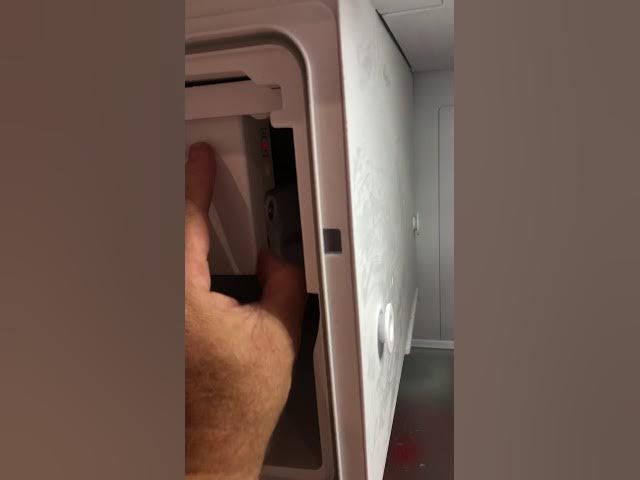
Credit: www.youtube.com
Common Mistakes People Make When Fixing Bosch Ice Makers
- Ignoring the filter: Old or generic filters can cause many ice maker problems.
- Setting the wrong temperature: Freezer settings above 0°F can stop ice production.
- Forgetting to reset the ice maker: After fixing a problem, always reset the system.
- Not checking for error codes: Bosch refrigerators often display error codes—always look for them.
- Using non-OEM parts: Only use Bosch-approved parts for repairs.
When To Replace Your Bosch Ice Maker
If your ice maker is over 10 years old, repairs might not be worth the cost. Signs it’s time to replace:
- Frequent breakdowns even after repairs
- Replacement parts are hard to find
- Ice production is always slow or inconsistent
A new Bosch ice maker or refrigerator may save you money and hassle in the long run.

Credit: www.partselect.com
Useful Resources For Bosch Ice Maker Owners
For official manuals, troubleshooting guides, and part replacements, the Bosch Home Appliances website is a reliable source. You can also find step-by-step videos and diagrams to help with common repairs. For more advanced support and parts, visit Bosch’s official support page.
Cost Of Repair Vs. Replacement
Understanding what you might pay can help you decide between fixing and replacing your Bosch ice maker.
| Repair/Replacement | Average Cost (USD) | Notes |
|---|---|---|
| Water filter | 30–60 | Replace every 6 months |
| Water inlet valve | 100–200 | Part + labor |
| Ice maker module | 150–300 | Part + labor |
| Professional service call | 80–150 | Diagnosis only |
| New Bosch refrigerator | 1,500–3,000 | Includes new ice maker |
Many Bosch ice maker issues can be fixed for less than $200, but if your fridge is old, replacement may be a better investment.
Frequently Asked Questions
Why Is My Bosch Ice Maker Making Small Or Hollow Ice Cubes?
Small or hollow cubes often mean low water pressure or a clogged filter. Try replacing the filter and checking the water supply line for kinks or blockages.
How Often Should I Clean My Bosch Ice Maker?
It’s best to clean the ice bin and ice maker parts once a month. Always use mild soap and warm water. Avoid harsh chemicals, which can damage plastic parts and affect ice taste.
What Does The Red Light On My Bosch Ice Maker Mean?
A red light often signals a problem with the water supply or the ice maker sensor. Check your user manual for the exact meaning for your model and try resetting the ice maker.
Can I Use Generic Water Filters In My Bosch Refrigerator?
It’s strongly recommended to use only Bosch-approved filters. Generic filters may not fit properly and can lead to leaks, reduced ice quality, or even damage to your fridge.
What Should I Do If The Ice Maker Is Noisy?
Noise usually comes from ice jams or loose parts. Remove the ice bin, clear any stuck ice, and make sure all parts are firmly attached. If the noise continues, call a technician.
A working ice maker is a small luxury that makes daily life easier. By following these steps, most Bosch ice maker problems can be fixed quickly at home. Remember, regular maintenance prevents many issues before they start. If problems persist, don’t hesitate to seek help from a professional sometimes, expert support is the fastest way to get back to enjoying fresh, clean ice.