
Many people want a sparkling clean oven but feel unsure about the best way to get there. Modern ovens offer two popular cleaning features: steam clean and self clean. At first glance, both sound easy and automatic. But they work very differently, and each has unique pros and cons. If you want to choose the right cleaning method for your kitchen, it’s important to know exactly how each works, what to expect, and which suits your needs best. Let’s explore the differences, benefits, and potential risks of steam clean vs self clean for ovens.
How Steam Clean Works
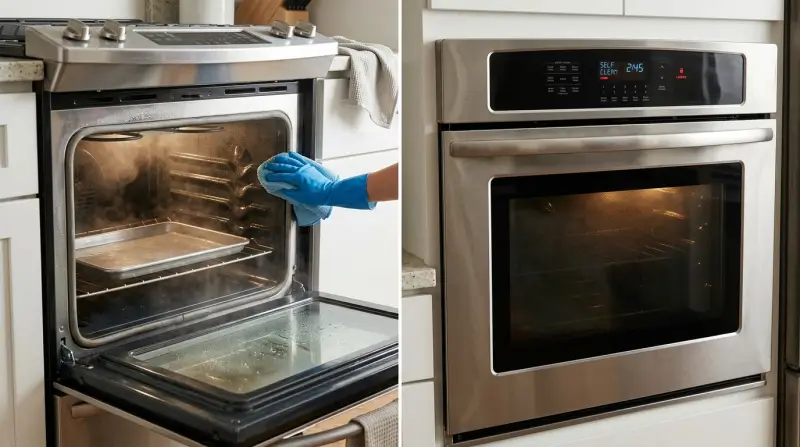
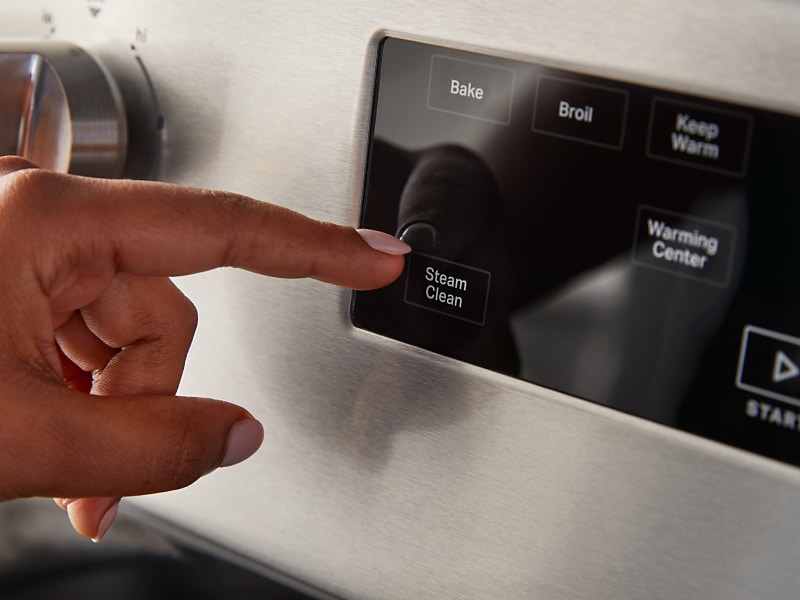
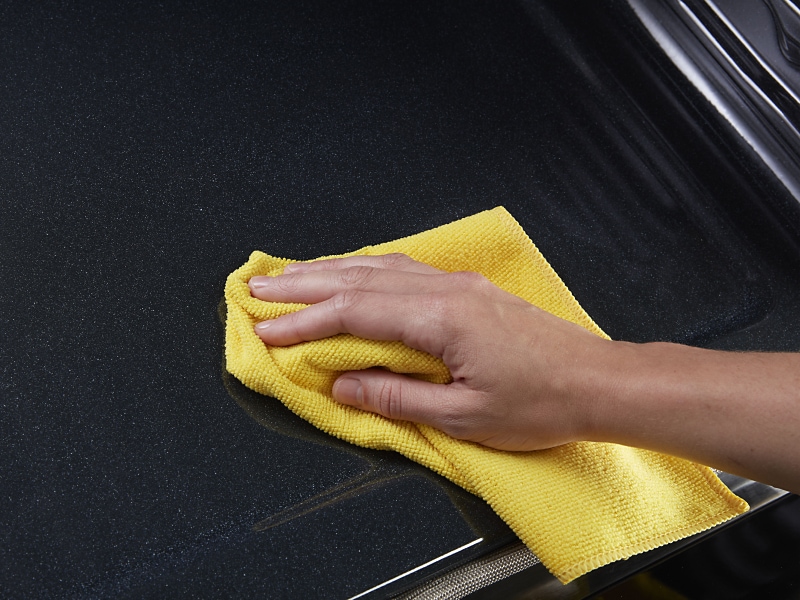
Steam clean is a newer feature in many ovens. It uses hot steam to loosen light food stains and grease. The process is simple: you pour a small amount of water (usually about a cup) into a special oven well or floor, then start the steam clean cycle. In about 20 to 40 minutes, the oven heats the water to create steam, which softens stuck-on food. Afterward, you wipe away the residue with a cloth.
One advantage is that steam cleaning uses low heat (usually around 250°F or 120°C), much lower than cooking temperatures. This means you can use it more often—some people run a steam clean after every few uses. It’s quick, doesn’t produce smoke or strong smells, and is gentle on the oven’s interior.
However, steam cleaning is not meant for heavy, baked-on messes. It’s best for light spills and recent stains. If you haven’t cleaned your oven in months, steam clean may not be enough.
How Self Clean Works
Self clean has been around longer and is sometimes called “pyrolytic cleaning.” This method uses very high temperatures—up to 900°F (about 480°C)—to burn off food spills and grease. The cycle usually lasts 2–5 hours, depending on the oven model and the selected cleaning time. When it’s done, most food residue has turned to ash, which you wipe out with a damp cloth.
The main benefit is that self clean can handle tough, baked-on grime that builds up over time. You don’t need to scrub hard, and the heat sanitizes the oven. It’s a “deep clean” option.
But there are important downsides. Self clean uses a lot of energy, produces strong odors, and can heat up your kitchen. Some people worry about possible fumes, especially if there’s Teflon or non-stick coatings inside. It’s not safe to leave pets (especially birds) nearby because of possible air quality issues.
You also need to remove racks and other items unless they are labeled “self-clean safe. ”
Side-by-side Comparison
It’s helpful to see the differences in a clear way. Here’s a side-by-side look at key points:
| Feature | Steam Clean | Self Clean |
|---|---|---|
| Cleaning Power | Light spills, mild stains | Heavy, baked-on grime |
| Cycle Time | 20–40 minutes | 2–5 hours |
| Heat Level | Low (about 250°F) | Very high (up to 900°F) |
| Odor/Smoke | Minimal | Can be strong |
| Energy Use | Low | High |
| Ease of Use | Quick, simple | Longer, more steps |
| How Often to Use | Weekly or after small messes | Every few months |
Benefits And Drawbacks Of Steam Clean
Steam clean is a favorite for people who want a fast, eco-friendly way to keep ovens tidy. Here are its main benefits:
- Short cleaning time: Most cycles finish within 40 minutes.
- Low energy use: It doesn’t use much electricity or gas.
- No harsh chemicals: Only water is required.
- Safe for most racks: Many oven racks stay in during steam cleaning (check your manual).
- No strong odors or smoke: It’s gentle on indoor air.
However, there are some limits:
- Not for deep grime: Tough, old stains may need manual scrubbing.
- Must be used regularly: Steam clean works best before messes dry or carbonize.
- Some wiping still needed: You need to wipe away loosened food at the end.
A common mistake is expecting steam clean to handle months-old build-up. If you wait too long between cleans, you’ll have to scrub manually or use self clean.
Benefits And Drawbacks Of Self Clean
Self clean is powerful and convenient—when used correctly. Here are the top benefits:
- Removes heavy messes: Even thick, baked-on spills turn to ash.
- Sterilizes oven: The high heat kills germs and bacteria.
- No chemicals: You don’t need oven sprays or cleaners.
But there are also important concerns:
- Very high temperatures: Some parts, like gaskets and light covers, may wear out faster.
- Potential odors or smoke: Especially if spills are large or sugary.
- Energy cost: Self clean uses more energy than a normal cook cycle.
- Safety precautions: You must stay nearby, keep kids/pets away, and ventilate the area.
- Not for frequent use: Most manufacturers recommend self cleaning only a few times per year.
A mistake many people make is forgetting to remove racks or leaving items inside the oven. This can discolor racks or damage parts.
When To Use Steam Clean Vs Self Clean
Choosing the right cycle depends on your needs and the condition of your oven.
- Use steam clean:
- For routine cleaning
- After minor spills (like cheese drips or sauce splashes)
- If you want a fast, low-odor clean
- When you want to avoid harsh chemicals
- Use self clean:
- When there’s heavy, baked-on residue
- If it’s been months since your last deep clean
- When you want to sanitize the oven
- If you’re moving out or after a long holiday cooking session
For best results, try to use steam clean often, and reserve self clean for bigger jobs.
Credit: www.maytag.com
Safety Tips And Precautions
Both cleaning methods are generally safe, but you should always follow a few precautions.
For steam clean:
- Only use the amount of water recommended by the manufacturer.
- Do not add vinegar, soap, or other chemicals—just water.
- Allow the oven to cool before wiping out residue.
For self clean:
- Remove racks, pans, and foil unless labeled “self-clean safe.”
- Open windows or use a fan to ventilate smoke or odors.
- Stay home during the cycle—never leave a self-cleaning oven unattended.
- Keep pets and young children away from the kitchen.
- Check oven seals and gaskets for wear before starting.
A less obvious risk: self-clean cycles can trigger smoke alarms or even damage oven electronics if used too often. Not all ovens are built to handle repeated self-cleaning cycles.
Maintenance And Longevity
How you clean affects how long your oven lasts. Steam cleaning is gentle and can be done often without risk to components. But it may not remove everything, so an occasional manual scrub with a non-abrasive cleaner is helpful.
Self clean, while effective, can put stress on the oven’s wiring, thermostat, and door seals because of the extreme heat. Some repair techs report that a high number of service calls are linked to issues after self-clean cycles.
Here’s a quick look at possible effects on oven parts:
| Part | Steam Clean Effect | Self Clean Effect |
|---|---|---|
| Oven Racks | Usually safe inside | Must remove (can discolor) |
| Heating Elements | Low impact | Heat stress over time |
| Door Gasket | Minimal wear | May dry out, crack |
| Electronics | Safe | Possible overheating |
Always check your oven’s manual for cleaning recommendations. Some warranties don’t cover parts damaged by improper use of the self-clean cycle.

Credit: www.youtube.com
Environmental Impact
Many people today care about the eco-friendliness of their appliances. Steam clean is more environmentally friendly because it uses only water, less power, and creates no strong fumes or residue. Self clean, in contrast, uses a lot of energy and can release smoke or odors into your home.
While both methods avoid chemical oven cleaners, steam clean is the greener choice for regular use.
Costs And Energy Use
The cost of cleaning is not just about money—it’s also about time and utility bills. Steam clean uses little energy, so it adds just a few cents to your electricity or gas bill per cycle. Self clean, because of its high heat and long cycle, can cost $1–$3 per use depending on your local rates.
Here’s a simple comparison:
| Cycle | Average Time | Estimated Energy Cost |
|---|---|---|
| Steam Clean | 30 minutes | $0.10–$0.25 |
| Self Clean | 3 hours | $1.00–$3.00 |
These numbers are estimates and may vary based on your oven’s size and power use.
Real-world Examples
Let’s look at two common scenarios:
- Busy family: They cook most nights and have frequent small spills. Steam clean keeps their oven looking fresh without much effort. Every few months, they use self clean for a deeper refresh.
- Baker with a sweet tooth: Sugar-based spills (like pie filling) can burn onto the oven floor. Steam clean softens these if tackled quickly, but stubborn caramelized spots need the power of self clean.
A surprising insight: even new ovens can build up residue quickly if not wiped regularly. A quick steam clean every week can reduce the need for harsh cleaning cycles.
Which Cleaning Method Is Best For You?
The right choice depends on your habits, your oven, and your priorities:
- If you want fast, regular cleaning: Choose steam clean.
- If you need heavy-duty cleaning less often: Use self clean.
- If you’re sensitive to odors or have pets: Steam clean is safer.
- If you want to minimize energy use: Stick with steam clean.
Some new ovens offer both features. If so, use steam clean for maintenance and save self clean for occasional deep cleans. Always read your oven’s manual for model-specific advice.
If you’re shopping for a new oven, consider how you like to clean. Do you want to avoid scrubbing? Is energy use a concern? These answers will help you pick a model with the right cleaning features. For more details about oven technologies, you can check this Wikipedia page on ovens.
Credit: www.whirlpool.com
Frequently Asked Questions
What Is The Main Difference Between Steam Clean And Self Clean In Ovens?
The main difference is the temperature and cleaning power. Steam clean uses low heat and water to loosen light messes, while self clean uses very high heat to burn off heavy, baked-on grime.
Is It Safe To Use The Self-clean Feature Often?
No. Most manufacturers suggest using self clean only a few times per year. Frequent use can wear out oven parts, especially gaskets and electronic controls.
Can I Add Vinegar Or Cleaning Solutions To Steam Clean?
No. Only use plain water for steam clean. Adding vinegar, soap, or chemicals can damage your oven or create fumes.
Why Do Some Ovens Smell During Self-cleaning?
Strong odors happen because food and grease are burned at high temperatures. This can create smoke and smells, especially if spills are large or sugary.
Should I Remove Oven Racks Before Self Cleaning?
Yes, unless your racks are labeled “self-clean safe. ” Standard racks can discolor, warp, or lose their smooth finish if left inside during self clean.
Both steam clean and self clean have their place in a modern kitchen. The best results come from understanding how each works and using them wisely for a cleaner, longer-lasting oven.