
Walmart stores are famous for using modern technology to improve shopping. One tool you may see is the “Press and Hold” feature on self-checkout screens, which sometimes asks if you are a robot or human. But what if this feature stops working? Many shoppers and employees face this problem, leading to confusion and delays. This article explains why “Press and Hold” might not work, how Walmart uses it, common reasons for failure, and practical solutions. You’ll also see comparisons, troubleshooting steps, and expert advice to help you fix the issue quickly.
Why Walmart Uses “press And Hold” Robot Or Human Verification
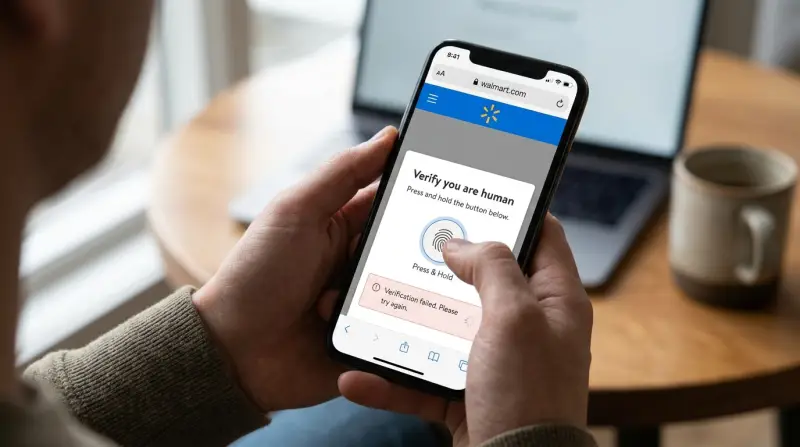
Walmart’s self-checkout systems often ask you to “Press and Hold” a button to confirm you are human, not a robot. This step helps prevent automated fraud, protects payment systems, and keeps the store safe. It’s similar to CAPTCHAs online, where you prove you are not a machine.
- Security: Stops bots and automated scams.
- Accuracy: Reduces errors by making sure a real person interacts with the system.
- Efficiency: Helps Walmart track genuine customers and speed up checkout.
Sometimes, the system may ask you to “Press and Hold” for a few seconds. If you let go too soon, the verification fails. If the button does not respond, it can block your checkout entirely.
Common Reasons “press And Hold” Is Not Working
Many shoppers find the feature does not respond. Let’s break down the most frequent causes:
- Touchscreen Issues: The screen may be dirty, wet, or damaged.
- Software Glitches: The checkout software can freeze or crash.
- Human Error: Some users tap instead of holding, or hold for too short a time.
- System Updates: The machine may be updating and temporarily disabled.
- Hardware Faults: Faulty wiring or broken sensors can prevent proper detection.
Comparing Causes: Human Vs. Machine Problems
Here’s a quick comparison of the most common reasons:
| Type | Example | Fixable by Shopper? |
|---|---|---|
| Touchscreen | Dirty or cracked screen | Sometimes (clean or avoid damaged screens) |
| Software | Frozen system | No (needs staff) |
| Human Error | Tapping instead of holding | Yes (follow instructions) |
| System Update | Machine rebooting | No (wait or ask staff) |
| Hardware | Broken sensor | No (needs repair) |
Understanding the cause helps you decide if you can fix it yourself or need help.
Step-by-step Troubleshooting Guide
If “Press and Hold” is not working, try these steps:
1. Check Your Touch
Make sure you are pressing and holding as the screen says. Do not tap quickly. Hold for at least 3–5 seconds.
2. Clean The Screen
If the screen is dirty or greasy, wipe it gently with a soft, dry cloth. Avoid wet wipes, as moisture can damage electronics.
3. Try A Different Finger
Sometimes, certain fingers work better. If you have dry or rough skin, use your thumb or another finger.
4. Move To Another Machine
If the screen does not respond, switch to another self-checkout kiosk nearby. Some machines are newer or better maintained.
5. Ask For Staff Help
If none of these steps work, call a Walmart employee. Staff can reset the machine or guide you to a working checkout.
6. Wait For System Restart
If the machine is updating or rebooting, wait until it’s ready. Usually, updates take 1–2 minutes.
7. Watch For Error Messages
Sometimes, the screen shows a code or message. Tell staff the exact code—they can fix it faster.
Real-world Examples
Let’s look at how this issue affects shoppers:
- Lily in Houston: She tried to check out, but the “Press and Hold” button did not respond. She moved to another kiosk, which worked perfectly.
- Carlos in Miami: The machine froze after pressing “Press and Hold.” Staff helped him restart the system, saving his groceries from being abandoned.
- Emma in Seattle: She tapped quickly instead of holding, causing the system to fail. After holding for 5 seconds, she completed her checkout.
These stories show the importance of following instructions and seeking help when needed.

Credit: www.youtube.com
Data And Statistics On Self-checkout Issues
According to a 2023 report from Retail TouchPoints, nearly 31% of self-checkout shoppers experience some type of technical problem. Of these, touchscreen failures and software glitches are the top complaints.
- Touchscreen failures: 18%
- Software glitches: 12%
- User errors: 9%
- Hardware faults: 5%
Most problems are resolved within 2–4 minutes by staff, but some require full machine replacement.
Impact On Customer Satisfaction
Walmart tracks feedback on self-checkout experiences. When “Press and Hold” fails, customers report:
- Longer checkout times
- Higher frustration
- More abandoned carts
Quick staff response and clear instructions reduce these problems.
Differences Between Walmart Robot And Human Verification Vs. Online Captchas
Many people compare Walmart’s system to online CAPTCHAs. Both want to verify you are a real person. But there are key differences:
| Feature | Walmart | Online CAPTCHA |
|---|---|---|
| Interaction | Physical touch (press and hold) | Mouse clicks or typing |
| Purpose | Prevent checkout fraud | Prevent spam, bots |
| Failure Rate | Moderate (touchscreen issues) | Low (software bugs) |
| Fix Method | Switch kiosk or ask staff | Refresh browser or solve again |
Walmart’s system is more affected by physical problems, while online CAPTCHAs mostly depend on software.
Practical Tips To Prevent “press And Hold” Failure
You can avoid most problems by following these expert tips:
- Read instructions carefully before pressing.
- Keep hands clean and dry for better touchscreen response.
- Do not rush—hold the button for the full time.
- Avoid damaged machines—look for cracks or sticky screens.
- Report issues to staff so machines are fixed sooner.
Non-obvious Insights
- Screen sensitivity changes during the day. After many uses, screens may become less responsive. Early morning is often best for fast checkouts.
- Humidity affects touchscreens. If the store is humid, touchscreens can become sticky or slow. Try using a stylus (if allowed) or wash hands before checkout.
What Walmart Staff Can Do
Staff have tools to fix “Press and Hold” problems fast:
- Restart the machine: This solves most software errors.
- Clean the screen: Staff use special wipes for electronics.
- Redirect customers: If one machine fails, staff guide you to another.
- Report hardware faults: Broken sensors are logged for repair.
Walmart trains staff to spot these issues quickly. If you notice a long wait, ask a staff member for help.

Credit: www.reddit.com
When To Contact Walmart Support
Some problems need more than quick fixes:
- Repeated failures: If every machine has the same issue, report to store management.
- Lost payment: If your card was charged but checkout failed, visit the customer service desk.
- Machine damage: Broken screens or buttons need professional repair.
- System-wide outages: If all self-checkouts are down, staff will direct you to regular lanes.
Walmart’s support team handles these cases, often within 24 hours. You can also call their hotline or use their website for help.
How Technology Is Improving Self-checkout
Walmart invests in better self-checkout machines every year. Newer models have:
- Improved touchscreens with higher sensitivity.
- Faster processors for smoother operation.
- Better error detection—machines can diagnose their own problems.
- Clearer instructions on-screen and audio cues.
According to Walmart Corporate, these upgrades have reduced technical issues by 22% in pilot stores.

Credit: www.youtube.com
Comparison: Older Vs. Newer Walmart Self-checkout Machines
Here’s how machine generations differ:
| Feature | Older Machines | Newer Machines |
|---|---|---|
| Touchscreen Type | Resistive | Capacitive |
| Failure Rate | Higher (often 10–15%) | Lower (about 5%) |
| Self-diagnosis | No | Yes |
| Instruction Clarity | Basic text | Text + audio |
If you notice you’re using an older machine, you may have more trouble with “Press and Hold. ”
What If You’re Still Stuck?
If none of the fixes work and all machines are failing, try these last steps:
- Switch to regular checkout. Sometimes traditional lanes are faster.
- Leave feedback. Use the store’s survey or app to report your problem.
- Return later. System-wide issues are often fixed within hours.
Remember: most “Press and Hold” problems are temporary. Staff and technology are improving every year.
Frequently Asked Questions
Why Does Walmart Ask Me To “press And Hold” On Self-checkout?
This step checks if you’re a human, not a robot. It prevents automated fraud and keeps the checkout safe for everyone.
What Should I Do If “press And Hold” Is Not Working?
Try cleaning the screen, using a different finger, or moving to another kiosk. If it still fails, ask a staff member for help.
Can I Avoid “press And Hold” Altogether?
No, it’s part of Walmart’s security for all self-checkout users. If you prefer, use staffed checkout lanes instead.
Does Humidity Affect The Touchscreen?
Yes, high humidity can make screens less responsive. Dry your hands and avoid checkout during rainy days if possible.
How Can I Report A Broken Self-checkout Machine?
Tell a staff member or use Walmart’s feedback system. Broken machines are logged for repair within 24–48 hours.
Walmart’s “Press and Hold” robot or human verification is a smart tool, but it can fail for many reasons. Understanding the causes and using simple troubleshooting steps can save time and frustration. When in doubt, ask staff for help or switch to another checkout option.
Technology is improving, so these issues are becoming less common—but your feedback helps Walmart make self-checkout even better.