
If your Catit Pixi water fountain pump stops working, it can be frustrating for both you and your cat. A reliable water fountain keeps your pet hydrated and encourages healthy drinking habits. When the pump fails, your cat may avoid drinking water, which could lead to health problems. This article explains why the Catit Pixi fountain pump might stop working, how to fix it, and what you can do to prevent future problems. You’ll find clear troubleshooting steps, maintenance advice, and tips to help your fountain last longer.
Understanding The Catit Pixi Water Fountain
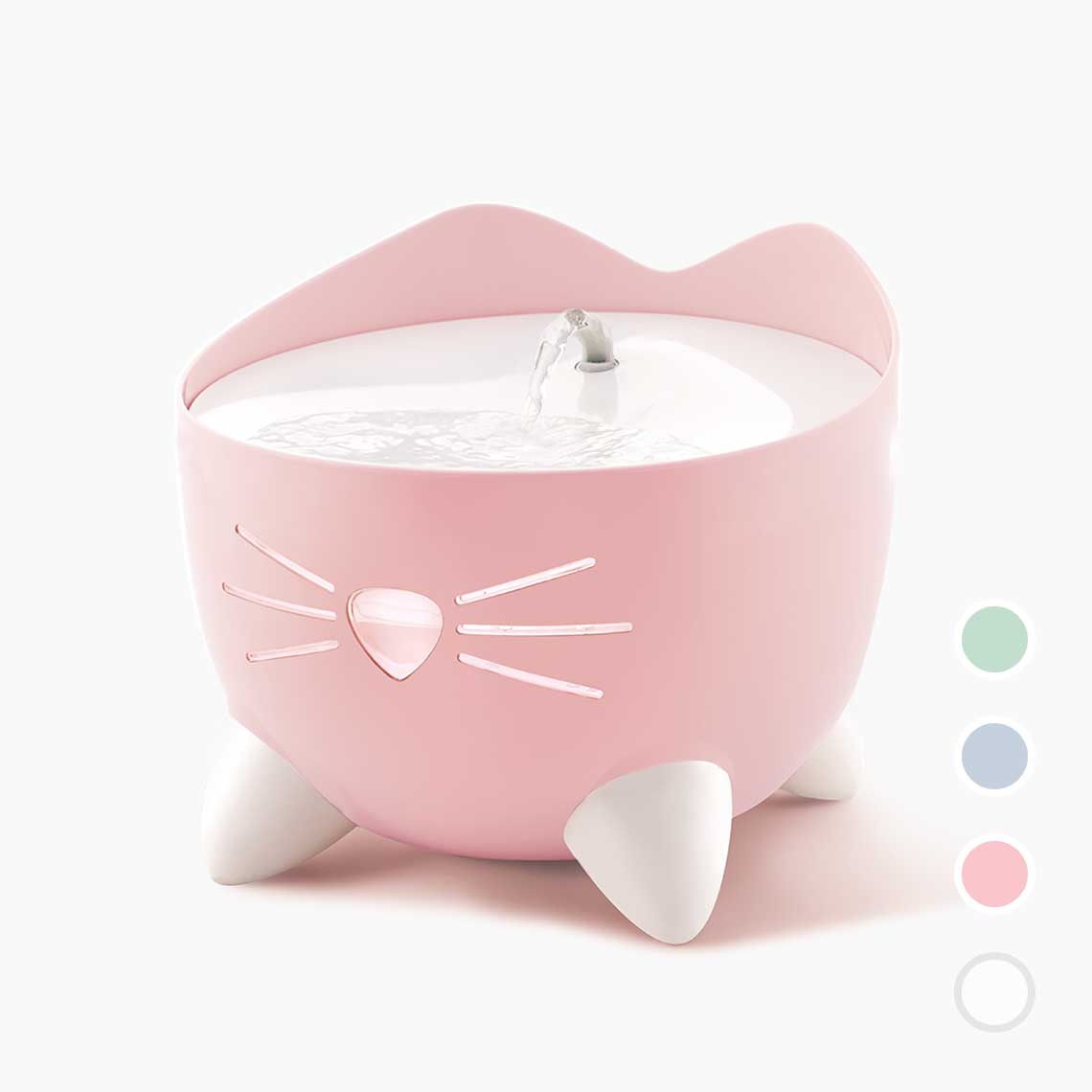
The Catit Pixi water fountain is a popular choice for cat owners. It uses a quiet, submersible electric pump to keep water moving. This design helps filter debris, keeps water fresh, and encourages cats to drink more. The pump draws water up through a filter and pushes it out of the top, creating a bubbling stream or gentle flow. While Catit fountains are known for their reliability, pumps can stop working for different reasons.
Many users choose Catit Pixi because:
- It has a cute design that looks good in any home.
- The water flow is gentle, which cats prefer.
- The filters remove hair, dirt, and odors.
- It is easy to clean compared to some other brands.
However, even a well-designed fountain can have problems. Most issues with the Catit Pixi are related to the pump or filter. Recognizing the signs of a failing pump can help you fix issues before they become serious.
Why The Catit Pixi Water Fountain Pump May Stop Working
Several things can cause your Catit Pixi water fountain pump to stop working. Some problems are simple and easy to fix. Others may need a replacement part or extra maintenance. Understanding the common causes can save time and prevent stress for you and your cat.
Clogged Filter Or Pump
The most common reason for pump failure is a clogged filter. Over time, hair, dust, and food particles can block the filter or the pump’s intake. When this happens, water cannot flow through the pump, causing it to slow down or stop completely.
Low Water Level
If the water level drops too low, the pump may run dry. Pumps are designed to work underwater. Running dry can cause the pump to overheat, make noise, or stop working. Check the water level regularly, especially in hot weather or if you have multiple cats.
Dirty Pump Impeller
The impeller is the small spinning part inside the pump. If it becomes dirty or blocked, the pump will not move water. Lime scale (hard water deposits), slime, or debris can build up on the impeller over time.
Power Supply Issues
A broken power cord, loose plug, or faulty outlet can stop the pump from receiving electricity. Sometimes, the pump’s power adapter may also fail.
Pump Wear And Tear
All pumps have a limited lifespan. With daily use, the pump motor or parts can wear out. Most Catit Pixi pumps last between 1-2 years with proper care, but heavy use or poor maintenance can shorten this time.
Wrong Assembly After Cleaning
If the fountain is not put back together correctly after cleaning, the pump may not work. Misplaced parts or a poorly seated pump can block water flow.
Unnoticed Airlocks
Sometimes, air gets trapped inside the pump after refilling or cleaning. Airlocks prevent water from moving through the pump. Shaking the fountain gently can help release trapped air.
Troubleshooting Your Catit Pixi Water Fountain Pump
If your Catit Pixi pump is not working, you can solve most problems with a step-by-step approach. Try the following steps before buying a new pump or calling customer service.
Step 1: Check The Power Connection
- Make sure the power plug is fully inserted into the wall socket.
- Test another electrical device in the same outlet to confirm the outlet works.
- Inspect the power cord for damage, cuts, or bends.
- If you use an extension cord, plug the adapter directly into the wall to rule out extension issues.
Step 2: Inspect The Water Level
- Open the fountain and check the water reservoir.
- Fill the water up to the recommended line. Most Catit Pixi models have a clear window to show water level.
- Do not overfill, as this may cause spills, but never let it run dry.
Step 3: Examine The Filter
- Remove the filter and look for debris, hair, or dirt.
- Rinse the filter with cold water. Do not use soap.
- If the filter looks dirty, replace it with a new one. Catit recommends changing the filter every 3-4 weeks, or more often in homes with multiple pets.
Step 4: Clean The Pump
- Unplug the fountain before cleaning.
- Remove the pump from the base. Most Catit Pixi pumps have a small tab or suction cup.
- Gently open the pump casing. Take out the impeller (a small round part).
- Rinse the impeller and the pump housing under running water. Use a soft brush or cotton swab to remove slime or lime.
- Reassemble the pump and reinstall it in the fountain.
Step 5: Check For Airlocks
- After refilling or cleaning, gently tilt the fountain side to side.
- Watch for bubbles coming from the pump. This means air is escaping.
- Plug the pump back in and listen for normal operation.
Step 6: Test The Pump Separately
- Remove the pump from the fountain and place it in a bowl of clean water.
- Plug it in. If it runs, the pump is working, and the problem is likely with the fountain assembly or filter.
- If it does not run, the pump itself may be faulty.
Step 7: Reassemble Carefully
- Make sure all parts are in the right place.
- The pump should sit flat and connect tightly with the water intake area.
- The filter must be seated correctly with no gaps.
Step 8: Replace The Pump If Needed
If the pump still does not work after cleaning and testing, it may be time for a replacement. Catit sells replacement pumps online and in pet stores. Choose the correct model for your fountain.
Detailed Comparison: Catit Pixi Pump Vs. Common Pet Fountain Pumps
Understanding how the Catit Pixi pump compares to other brands can help you decide if it’s the right choice for your home. Here’s a look at key features:
| Feature | Catit Pixi Pump | Generic Pet Fountain Pump | Pioneer Pet Pump |
|---|---|---|---|
| Noise Level | Very quiet | Moderate | Quiet |
| Filter Compatibility | Pixi filters only | Varies by brand | Pioneer filters only |
| Average Lifespan | 12–24 months | 8–16 months | 12–18 months |
| Ease of Cleaning | Easy, tool-free | Some require tools | Moderate |
| Replacement Cost | Medium | Low to Medium | Medium |
The Catit Pixi pump stands out for its quiet operation and simple cleaning process. However, it only works with Pixi filters, so make sure these are available in your area.
Preventing Pump Problems: Maintenance Tips
Regular care helps your Catit Pixi water fountain last longer and work better. Many pump issues come from skipped maintenance or using the wrong cleaning methods. Here’s how to keep your fountain in top shape.
Clean The Fountain Weekly
- Take apart the fountain and wash all parts with warm, soapy water.
- Rinse thoroughly to remove soap residue.
- Pay special attention to the pump and impeller.
Use Filtered Or Distilled Water
- Tap water with high minerals can cause lime scale and reduce pump life.
- Using filtered or distilled water can prevent buildup and keep the pump clean.
Replace Filters On Schedule
- Change the filter every 3-4 weeks, or sooner if you notice a smell or slow water flow.
- Mark your calendar or set a reminder on your phone.
Check Water Levels Daily
- Cats drink more in hot weather. The water level can drop quickly.
- Low water can damage the pump, so refill often.
Descale The Pump Monthly
- Soak the pump in a 1: 1 solution of water and white vinegar for 15-20 minutes.
- Rinse well before reassembling.
- This removes hard water deposits and extends pump life.
Keep The Fountain Away From Dust
- Place the fountain in a clean area to reduce hair and dust.
- Avoid placing it near litter boxes or food bowls.
Watch For Early Warning Signs
- Listen for changes in pump noise.
- Slow water flow or bubbling may mean it’s time to clean.
If you have more than one cat, you may need to clean and refill the fountain more often.
When To Replace Your Catit Pixi Pump
Sometimes, cleaning and maintenance are not enough. If your fountain’s pump has one or more of these problems, it’s usually best to buy a replacement:
- The pump does not run, even after testing in a bowl of water.
- It makes loud grinding or rattling noises.
- The impeller is broken or missing.
- The pump overheats or smells burnt.
- Water flow is weak, even after cleaning and filter replacement.
Replacement pumps are available from Catit’s official website or authorized pet stores. Always choose the correct model to ensure a perfect fit.
How To Install A New Catit Pixi Pump
Replacing a Catit Pixi water fountain pump is simple if you follow these steps:
- Unplug the fountain and remove the water reservoir.
- Take out the old pump from its slot.
- Clean the fountain base before installing the new pump.
- Place the new pump in the correct position, making sure it sits flat and connects to the water intake.
- Attach the filter and other parts as described in the manual.
- Fill the reservoir with clean water.
- Plug in the fountain and check for normal operation.
If the new pump does not start, double-check your assembly and power connection.
Common Mistakes When Troubleshooting Or Maintaining The Pump
Many users make small errors that can cause pump problems or make issues worse. Here are some things to avoid:
- Using soap or harsh chemicals to clean the filter (only use water).
- Running the pump dry (always check water level after cleaning).
- Not rinsing the pump after soaking in vinegar (residue can harm pets).
- Assembling the fountain incorrectly, leaving gaps or loose parts.
- Ignoring unusual noises or weak water flow for weeks.
By avoiding these mistakes, you can prevent bigger problems and keep your cat’s fountain working smoothly.
Signs That Your Cat May Not Be Drinking Enough Water
A working fountain encourages cats to drink, but if the pump fails, your cat might not get enough water. Watch for these signs of dehydration:
- Dry or sticky gums
- Sunken eyes
- Lethargy or less activity than normal
- Loss of appetite
- Reduced skin elasticity (gently pinch the skin at the back of the neck—if it stays up, your cat may be dehydrated)
If you notice these signs, offer fresh water in a bowl until the fountain is fixed. Contact your vet if symptoms continue.
Catit Pixi Pump Troubleshooting: User Experiences
Many cat owners share their troubleshooting stories online. These real-world examples can help you solve problems faster.
- Example 1: Sarah from Texas noticed her fountain was making a humming sound, but no water was moving. She unplugged it, cleaned the pump, and found a small clump of cat hair wrapped around the impeller. After cleaning, the pump worked like new.
- Example 2: James had trouble after moving his fountain to a new room. The pump stopped working. He realized the outlet was faulty. After plugging the fountain into a different outlet, the pump started immediately.
- Example 3: Maria replaced her filter but forgot to seat it properly. The pump made a loud noise. After reassembling the parts correctly, the noise stopped and water flowed smoothly.
These stories show that most Catit Pixi pump issues can be solved with basic cleaning and careful assembly.

Water Fountain Pump Lifespan: What To Expect
How long should you expect your Catit Pixi pump to last? With good care, most users report between 12 to 24 months of reliable service. Factors that affect lifespan include:
- Number of cats using the fountain
- Frequency of cleaning
- Quality of water (hard or soft)
- Regular filter changes
Here’s a comparison of average pump lifespan for common brands:
| Brand | Average Pump Lifespan | Warranty | Replacement Pump Cost |
|---|---|---|---|
| Catit Pixi | 12–24 months | 1 year | Medium |
| Pioneer Pet | 12–18 months | 6 months | Medium |
| PetSafe | 10–18 months | 1 year | High |
| Veken | 8–16 months | None | Low |
Buying from a brand that offers a warranty can make replacement easier if your pump fails early.
Environmental Factors That Affect Pump Performance
The environment where you place your Catit Pixi fountain can impact how well the pump works.
Temperature And Humidity
Warm rooms increase water evaporation, which means you’ll need to refill the fountain more often. If water levels drop, the pump may overheat.
Dust And Pet Hair
High-traffic areas or multi-pet homes collect more debris. This can clog the filter and pump faster. Place the fountain away from litter boxes or feeding areas to reduce this problem.
Water Quality
Hard water leaves mineral deposits in the pump and fountain. Soft or filtered water helps prevent scale buildup and keeps the pump running smoothly.
Non-obvious insight: Even if your water looks clean, invisible particles can build up in the pump over time. That’s why regular cleaning is important, even if you don’t see visible dirt.

When To Contact Catit Support
If you have tried all troubleshooting steps and your pump still doesn’t work, it may be time to reach out to Catit customer support. They can help with:
- Warranty claims (if your fountain is less than 1 year old)
- Finding replacement parts
- Troubleshooting unique problems
Have your fountain’s model number and purchase details ready when you call or email. This speeds up the process.
For more details and official troubleshooting guides, you can visit the Catit website or check the user manual. If you need further information about cat hydration and fountain safety, the Humane Society of the United States offers valuable resources.
Frequently Asked Questions
Why Does My Catit Pixi Water Fountain Pump Make A Humming Sound But Not Pump Water?
A humming pump usually means it’s getting power but cannot move water. The most common reasons are a clogged filter, blocked impeller, or an airlock. Try cleaning the filter and pump and ensure the water level is high enough.
How Often Should I Clean My Catit Pixi Water Fountain Pump?
Clean the pump and fountain at least once a week. If you have several cats or use hard water, you may need to clean it more often. Regular cleaning prevents buildup and extends pump life.
What Type Of Water Is Best For My Catit Pixi Water Fountain?
Using filtered or distilled water is best. This prevents mineral deposits from forming inside the pump and keeps the water tasting fresh for your cat.
Can I Use Other Brands Of Filters With My Catit Pixi Fountain?
No, only Catit Pixi filters are guaranteed to fit and work correctly. Using other brands can cause leaks, poor filtration, or pump blockages.
How Do I Know If I Need To Replace The Pump Or Just Clean It?
If the pump does not run after cleaning and testing in a bowl of water, or if it makes loud noises or smells burnt, it’s time to replace the pump. If cleaning restores normal operation, there is no need to replace it.
Ensuring your Catit Pixi water fountain pump works properly is essential for your cat’s health. With regular maintenance, quick troubleshooting, and a little attention, your fountain can provide fresh, clean water for years. Don’t ignore small signs of trouble—acting early can save you time and money, and keep your cat happy and hydrated.