
If you love starting your day with a fresh cup of coffee from your Ninja Coffee Maker, you know how important it is to keep your machine clean. A clean coffee maker doesn’t just make your coffee taste better it also extends the life of your machine and keeps it safe from harmful bacteria or mold. Many people are surprised how quickly coffee oils, mineral deposits, and leftover grounds can build up inside. If you’ve ever noticed your coffee tastes a little bitter, or your Ninja isn’t brewing as smoothly as before, it’s probably time for a deep clean.
Cleaning a Ninja Coffee Maker is not as complicated as it may seem. With some basic steps and a few household items, you can restore your machine’s performance and flavor. In this guide, you’ll learn not just the “how,” but also the “why” behind each step.
You’ll get practical tips, what to avoid, and answers to questions beginners often miss. Whether you have the classic Ninja model or a modern specialty brewer, this article will help you keep your coffee maker in top shape—without confusion or wasted effort.
Why Cleaning Your Ninja Coffee Maker Matters
Many users ignore cleaning until something goes wrong. But regular maintenance offers real benefits:
- Better taste: Old coffee oils and residue can make your drink bitter or sour.
- Longer lifespan: Keeping parts clean reduces wear and prevents clogs.
- Faster brewing: Limescale and gunk slow down water flow, so your machine runs less efficiently.
- Health and safety: Damp, warm machines are perfect places for mold or bacteria to grow.
A survey from the National Sanitation Foundation showed that 50% of coffee makers had yeast and mold inside—often more than bathroom faucets or toilet handles. This highlights how easy it is for germs to grow if you skip cleaning.
Understanding Your Ninja Coffee Maker
Before cleaning, it helps to know the main parts of your machine. While models differ, most Ninja Coffee Makers share these components:
- Water reservoir: Where you add water for brewing.
- Carafe or single-cup brewer: Where brewed coffee collects.
- Filter basket: Holds the ground coffee.
- Showerhead or brew basket: Distributes water over the grounds.
- Drip stop: Controls flow to the carafe.
- Heating element: Heats the water inside.
Knowing these parts helps you clean each area thoroughly—and avoid missing spots where grime hides.
Common Ninja Models And Their Differences
Here’s a quick comparison of popular Ninja Coffee Maker models and cleaning differences:
| Model | Reservoir Type | Carafe Material | Self-Clean Button |
|---|---|---|---|
| Ninja Specialty (CM401/CM407) | Removable | Glass/Thermal | Yes |
| Ninja DualBrew (CFP201) | Removable | Glass | Yes |
| Ninja Classic (CE201) | Removable | Glass | Yes |
| Ninja Hot & Cold (CP301) | Removable | Glass | Yes |
Most Ninja models have a self-clean or clean button, but manual cleaning is still necessary for best results.
How Often Should You Clean Your Ninja Coffee Maker?
Not all cleaning needs to be done daily. Here’s a simple guideline:
- After every use: Rinse the carafe, filter basket, and removable parts.
- Weekly: Wash the water reservoir and wipe the exterior.
- Monthly: Deep clean and descale the machine (or whenever the “Clean” light comes on).
Some people wait until the “Clean” indicator lights up, but hard water or frequent use means you should clean more often.
What You’ll Need For Cleaning
You don’t need expensive equipment to clean your Ninja Coffee Maker. Most items are already in your kitchen:
- White distilled vinegar (or Ninja’s descaling solution)
- Mild dish soap
- Soft sponge or cloth
- Paper towels or lint-free towel
- Toothbrush (for small crevices)
- Warm water
- Measuring cup
Avoid harsh chemicals, bleach, or abrasive scrubbers—they can damage your machine.
Vinegar Vs. Descaling Solution
Both work well for removing mineral buildup. Vinegar is cheap and easy to find, but sometimes leaves an odor. Ninja’s official descaling solution is odorless and designed for coffee makers, but costs more. Either option is safe if used correctly.
Step-by-step: Daily Cleaning Routine
Keeping your coffee maker fresh is easier if you do a little cleaning every day. Here’s how:
- Remove the carafe and filter basket after brewing. Wash both with warm, soapy water and rinse well.
- Wipe the brew basket and drip stop. These areas can collect stubborn coffee grounds. Use a damp cloth or a small brush.
- Rinse the water reservoir. Even if it looks clean, old water can cause buildup. Let it air dry before refilling.
- Clean the exterior. Wipe the outside with a damp cloth to remove fingerprints, spills, or dust.
Never put the main coffee maker unit in water. Only removable parts should be washed in the sink or dishwasher.
How To Deep Clean And Descale A Ninja Coffee Maker
Over time, minerals and coffee oils build up inside your machine. Deep cleaning, also called descaling, removes these deposits and keeps your coffee tasting fresh.
When Should You Deep Clean?
- When the “Clean” light comes on
- If your coffee tastes bitter or off
- If brewing takes longer than normal
- At least once per month, or more often with hard water
Deep Cleaning With Vinegar
Follow these steps for a thorough clean:
- Empty the water reservoir and carafe. Make sure no coffee or grounds remain.
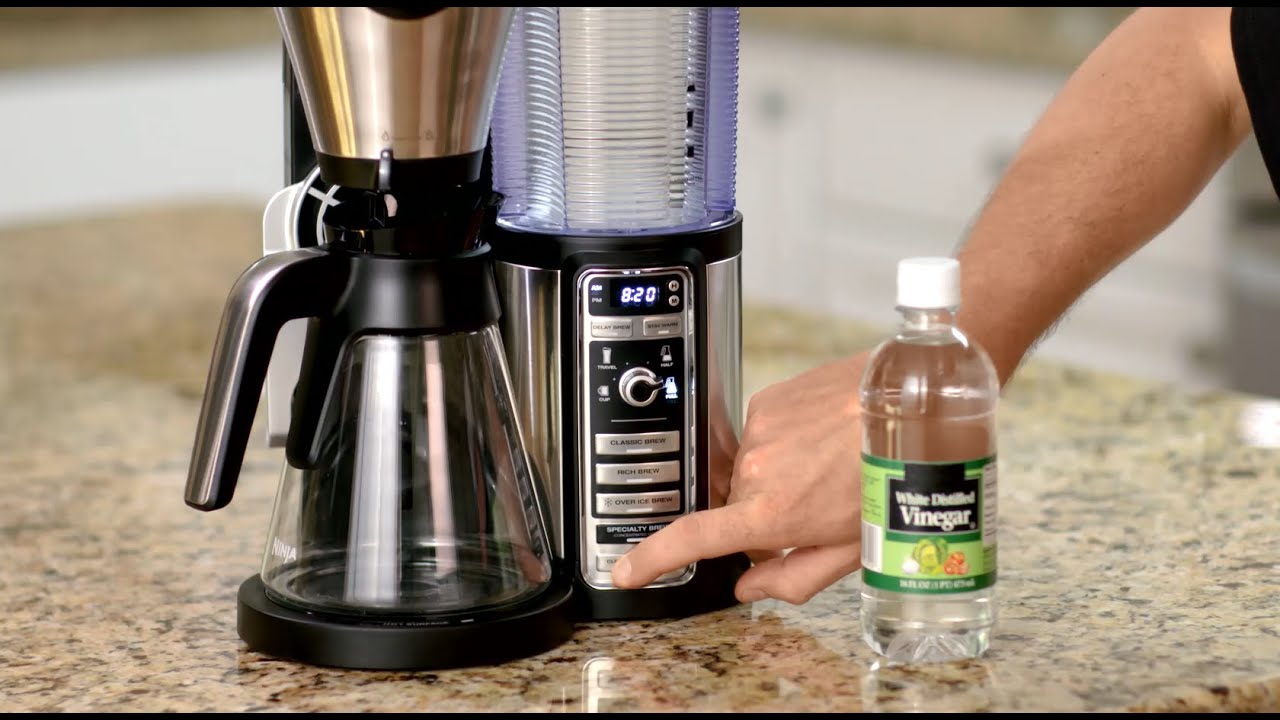
- Mix a solution: Combine equal parts white vinegar and water. For most Ninja models, fill the reservoir to the “Max Fill” line (usually 16 oz vinegar + 16 oz water).
- Place the empty carafe under the brew basket.
- Press the “Clean” button. The machine will run a special cleaning cycle. This usually takes 60 minutes and pauses during the cycle to break down buildup.
- Wait for the cycle to finish. The machine may beep or the clean light will turn off.
- Discard the solution from the carafe.
- Rinse by running two full cycles with fresh water only. This removes any vinegar taste or smell.
If your machine doesn’t have a “Clean” button, run a normal brew cycle with the vinegar solution, then rinse.
Using A Commercial Descaling Solution
- Follow the instructions on the bottle
- Usually, mix with water and pour into the reservoir
- Run the cleaning cycle as above
How Descaling Works
Vinegar and descaling solution dissolve calcium and magnesium deposits (called limescale) inside your machine. These minerals can clog pipes, slow brewing, and change the taste of your coffee.
Comparing Cleaning Methods
Here’s how vinegar and commercial descalers compare:
| Method | Cost | Odor | Effectiveness | Time |
|---|---|---|---|---|
| White Vinegar | Low | Strong (may linger) | High | 60–90 min |
| Commercial Descaler | Medium to High | None | High | 60–90 min |
Cleaning Removable Parts
Some Ninja models have dishwasher-safe parts, but always check the manual. Here’s how to clean each part:
Carafe
- Wash with warm, soapy water after each use.
- For tough stains, fill with ice, a little water, and salt. Swirl to scrub the inside.
- Rinse well and let air dry.
Filter Basket
- Remove any used coffee grounds.
- Wash with soap and water.
- For reusable mesh filters, gently scrub with a soft brush to remove oils.
Water Reservoir
- Rinse daily to prevent mold and mineral buildup.
- Wash weekly with dish soap and rinse thoroughly.
- Let it dry completely before refilling.
Drip Stop & Showerhead
- Wipe the drip stop with a damp cloth to prevent sticking.
- For the showerhead (where water sprays onto grounds), use a toothbrush to remove buildup.
Exterior
- Wipe with a damp cloth.
- Avoid spraying cleaners directly on the machine.
Special Tips For Different Ninja Models
Not all Ninja Coffee Makers are exactly the same. Here’s what to know for popular models:
Ninja Specialty (cm401/cm407)
- The fold-away frother can be removed and washed separately.
- Clean the frother after each use with warm water.
- The glass carafe and water reservoir are top-rack dishwasher safe.
Ninja Dualbrew (cfp201)
- Has both single-serve and carafe options.
- Remove and clean the pod adapter if you use K-Cups.
- Check for grounds in the pod holder to avoid clogs.
Ninja Hot & Cold Brewed System (cp301)
- Includes a tea basket—clean it like the coffee filter.
- The milk frother should be washed after every use.
- Run a clean cycle monthly, even if you only brew tea.
What To Avoid When Cleaning
Some cleaning mistakes can damage your Ninja Coffee Maker or make cleaning less effective. Here are common things to watch out for:
- Never use bleach or harsh chemicals.
- Don’t put the main unit in water.
- Don’t skip rinsing after descaling—leftover vinegar or descaler affects taste.
- Don’t forget the small parts—like the drip stop or showerhead.
- Avoid abrasive scrubbers—they can scratch plastic and metal parts.
Many people think cleaning is only about the carafe or reservoir. In reality, small valves and the brew head can hide the most buildup.
How To Remove Stubborn Stains And Odors
Sometimes, regular cleaning isn’t enough. Here’s how to tackle tough stains or smells:
Carafe Stains
- Fill the carafe with 1/2 cup baking soda and hot water. Let soak for an hour, then scrub gently.
- For glass carafes, you can use a little white vinegar and rice. Swirl to scrub, then rinse well.
Persistent Odors
- Run a brew cycle with just water and a few slices of lemon in the reservoir.
- Let the parts air dry in sunlight if possible (sun kills bacteria).
Mold Or Mildew
If you see black spots, especially in the reservoir or lid, soak the parts in a solution of 1 part vinegar to 2 parts water for 30 minutes. Scrub and rinse thoroughly.
How To Clean The Milk Frother
Many Ninja models include a built-in milk frother. This part touches milk, which can spoil quickly if not cleaned.
- Remove the frother (if possible).
- Wash in warm, soapy water after each use.
- For stubborn residue, soak in vinegar and water for 10 minutes, then scrub.
- Rinse and dry before reattaching.
If you can’t remove the frother, run steam with just water through it, then wipe with a damp cloth.
Maintaining Your Ninja Coffee Maker For Best Performance
Regular cleaning is only part of keeping your machine in great shape. Here are extra tips:
- Use filtered water: Reduces mineral deposits and improves taste.
- Keep the machine dry: After cleaning, let everything air dry before reassembling.
- Store with lid open: Prevents moisture buildup and mold.
- Check for updates: Some newer Ninja models have firmware updates or cleaning reminders—check the manual or manufacturer’s website.
Signs Your Ninja Coffee Maker Needs Cleaning
Not sure when it’s time for a deep clean? Look for these signals:
- The “Clean” light is on.
- Brewing is slower than usual.
- Coffee tastes bitter or “off.”
- The water reservoir has visible buildup or spots.
- The machine makes unusual noises.
Don’t wait for problems—regular cleaning prevents most issues.
Common Mistakes First-time Users Make
Many beginners overlook these details:
- Using only water for cleaning: Water alone won’t remove oils or minerals.
- Forgetting to clean the filter basket: Old grounds can grow mold.
- Not rinsing after vinegar: Skipping this step leaves a strong taste in your coffee.
- Assuming all parts are dishwasher safe: Some Ninja parts can warp in the dishwasher—check your manual.
- Ignoring the frother: Milk residue can spoil quickly.
How Hard Water Affects Cleaning
If you live in an area with hard water (high in calcium and magnesium), you’ll need to descale your Ninja Coffee Maker more often. Hard water leaves behind mineral deposits faster than soft water.
You can check if you have hard water by looking for white spots in your kettle or on glassware, or by searching for your city’s water report online.
When To Replace Parts
Even with perfect cleaning, some parts wear out over time. Here’s when to consider replacements:
- Water filter: If your model has one, replace it every 2–3 months.
- Mesh coffee filter: Replace if it tears or becomes clogged.
- Carafe: Glass carafes can crack or stain over years of use.
- Seals and gaskets: If you see leaks, check for worn rubber seals.
Replacement parts are available from Ninja’s official website or large online retailers.
Troubleshooting: If The Clean Light Stays On
Sometimes, the “Clean” indicator won’t turn off even after you run a cleaning cycle. Try these steps:
- Repeat the clean cycle with vinegar or descaler.
- Unplug the machine for 5 minutes, then plug back in.
- Check for clogged valves—use a small brush around the brew head.
- If the light still won’t turn off, contact Ninja’s customer service.
Why Your Coffee Maker Smells Bad
If you smell something musty or sour, it’s usually from leftover coffee oils, mold, or bacteria. This is common if you leave water in the reservoir or skip cleaning the carafe.
Run a cleaning cycle and let all parts air dry fully. If the smell returns, check for hidden mold in the filter basket or showerhead.

How To Make Cleaning Easier
Here are habits that make cleaning your Ninja Coffee Maker almost effortless:
- Rinse after every use: Even a quick rinse prevents buildup.
- Keep supplies nearby: Store vinegar, descaler, and brushes near your coffee station.
- Set a reminder: Use your phone or a calendar to schedule monthly deep cleans.
- Involve the family: If more than one person uses the machine, share cleaning duties.
How To Store Your Ninja Coffee Maker
If you won’t use your machine for a while (vacation, moving, etc.), follow these steps:
- Deep clean and rinse all parts.
- Let everything dry completely.
- Store the machine with the lid open.
- Keep in a cool, dry place—avoid damp cabinets.
This prevents mold, odors, and mechanical problems when you use it again.

What To Do If You See Mold
Mold is serious—don’t just rinse and reuse. Disassemble and soak all removable parts in vinegar and water. Scrub, rinse, and air dry. If you can’t remove the smell or black spots, replace the affected parts.
Environmental Impact: Is Vinegar Or Descaler Better?
Vinegar is a natural, biodegradable cleaner. However, it can leave a strong smell. Commercial descalers are designed for coffee makers and often break down faster in water, but may contain extra chemicals. Both are safe for the environment if used as directed.
For more on cleaning and safety standards, see the NSF’s guide to household germs.
Comparing Cleaning Frequency: Light Vs. Heavy Users
How often you need to clean depends on how much you use your Ninja Coffee Maker. Here’s a quick guide:
| User Type | Daily Cleaning | Weekly | Monthly Deep Clean |
|---|---|---|---|
| Light (1 cup/day) | Yes | Yes | Yes |
| Medium (2–3 cups/day) | Yes | Yes | Yes (twice/month) |
| Heavy (4+ cups/day) | Yes | Twice/week | Yes (every 2 weeks) |
Final Thoughts
A clean Ninja Coffee Maker means better-tasting coffee, longer machine life, and peace of mind. While many people wait for problems to appear before cleaning, making regular care part of your routine saves time and money. Don’t underestimate the hidden spots where buildup starts—focus on the filter, reservoir, and showerhead, not just the carafe. If you’re consistent, cleaning your coffee maker becomes quick and easy.
Remember, a little effort today prevents bigger problems tomorrow. Keep your machine clean, and every cup will taste as good as the first.
Frequently Asked Questions
How Do I Know When My Ninja Coffee Maker Needs Cleaning?
Look for the “Clean” light on your machine. Other signs include slow brewing, bitter taste, or visible buildup in the water reservoir. If you use hard water, clean more often.
Can I Use Lemon Juice Instead Of Vinegar To Descale My Ninja Coffee Maker?
Lemon juice can help with mild mineral buildup, but it’s not as effective as white vinegar or a commercial descaler. It may also leave a sticky residue. Vinegar is usually the best home option.
Is It Safe To Put Ninja Parts In The Dishwasher?
Most removable parts (like the carafe, filter basket, and reservoir) are top-rack dishwasher safe, but always check your model’s manual. Never put the main unit in the dishwasher.
What Should I Do If My Coffee Still Tastes Bad After Cleaning?
Rinse all parts thoroughly to remove any leftover vinegar or descaler. Try running another rinse cycle with plain water. If the taste remains, check for hidden buildup in the showerhead or filter basket.
How Do I Prevent Mold In My Ninja Coffee Maker?
Clean and dry all parts after each use. Leave the reservoir and carafe open to air dry. Deep clean monthly, or more often in humid climates.
By following these steps and tips, you’ll enjoy fresh, flavorful coffee from your Ninja Coffee Maker every day without hassle or worry.