
You can perform a hard reset by unplugging the unit for ten minutes to clear the control board, which is how to fix Whirlpool washer F11 code if it’s a simple software glitch. This error means the main control board has lost communication with the motor control unit. Most of the time, this happens because of a loose wire harness or a power surge that confuses the internal computer.
What the Whirlpool washer code means
An F11 error occurs when the main control board fails to receive a signal from the motor control unit. Think of it as a broken conversation between the brain of the machine and the muscles that spin the drum. When the signals don’t arrive in the expected sequence, the washer stops for safety to prevent damage to the motor or the internal wiring.
The most frequent cause is a temporary power fluctuation. If your home experiences a small voltage drop, the sensitive electronics on the control board may freeze. This is common if the washer shares a circuit with other high-draw appliances. Another cause is vibration. Over time, the constant movement of the wash cycle can shake the wire connectors loose. If the plug between the main board and the motor control unit wiggles out of its socket, communication stops instantly.
In rarer cases, internal moisture can cause corrosion on the electrical contacts. If your laundry room is very humid or if there’s a small leak near the back panel, the metal pins on the connectors can oxidize. This prevents the electricity from flowing cleanly, leading to the same communication error. You should check the official Whirlpool support guide to confirm if your specific model has additional reset steps or specific diagnostic modes, as this varies by model — check the label inside the door or the manual for your exact unit.
Resetting the control board
If you want to clear a temporary error, the first step is to perform a power cycle. Unplug the washer from the wall outlet and leave it disconnected for at least ten minutes. This allows the control board to fully power down and reset its volatile memory. After the time has passed, plug the unit back into the wall and attempt to start a new cycle.
This fix is for users who suspect a minor software freeze. If the machine was running fine until a storm or a power flicker, this is the most likely solution. You’ll know it worked if the F11 code disappears and the machine begins to fill with water or spin as normal. If the code returns immediately, the issue is physical rather than digital.
This isn’t for someone who smells burning plastic or sees sparks behind the machine. If you notice any signs of electrical burning, don’t attempt a reset. Instead, leave the unit unplugged and call a qualified appliance repair technician. A professional is also needed if the wiring harnesses are damaged or if the control board itself has failed, as these parts require specialized tools to test safely. Always ensure the power cord is completely removed from the outlet before you inspect the area behind the washer.
Inspecting the wire harness
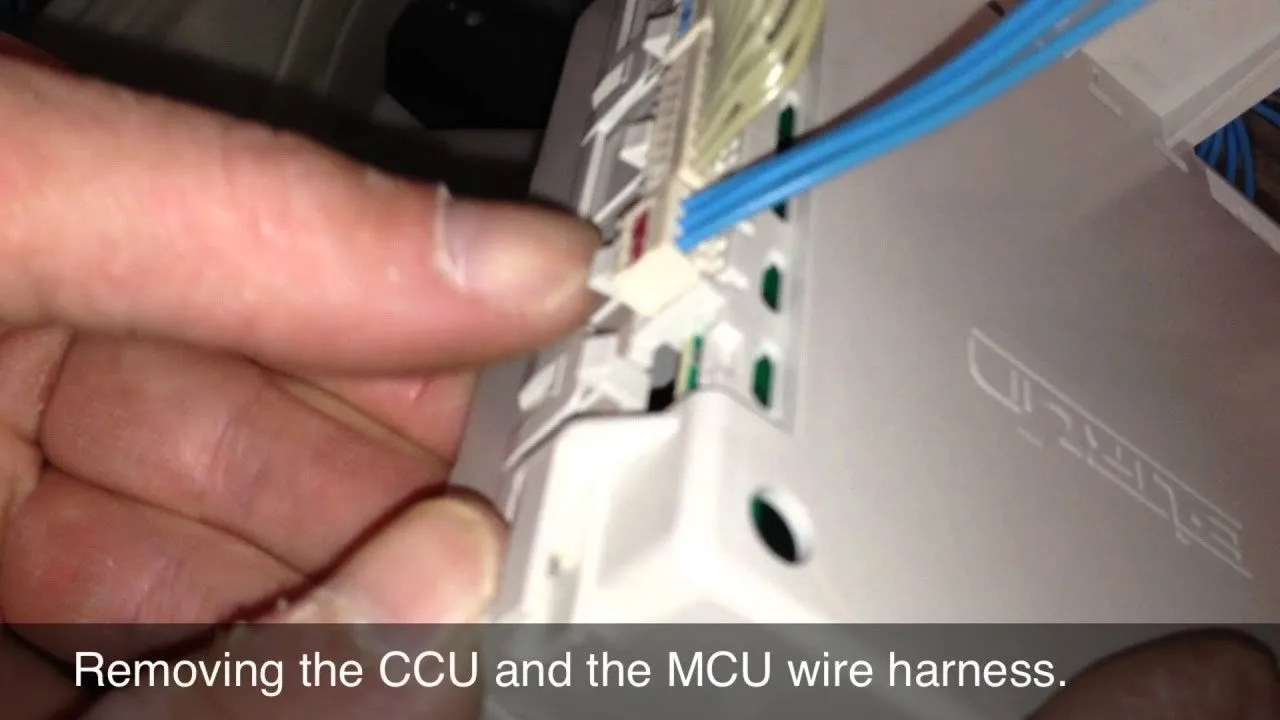
If the reset didn’t clear the code, you must look for loose connections. You can inspect the wires that lead from the main control board to the motor control unit. These connectors often have plastic locking tabs that hold them in place. Over years of heavy use, these tabs can become brittle or vibrate loose.
This fix is for those who are comfortable moving the machine away from the wall to look at the back or bottom panels. You’re looking for any plug that seems loose or crooked. If you find a connector that isn’t fully seated, push it firmly until you hear or feel a click. If you see any signs of rust or green gunk on the metal pins, the connection is compromised by corrosion.
There’s a clear trade-off here: while you can easily push a plug back in, you must never try to repair damaged wires or replace a circuit board yourself. A capacitor can hold a lethal charge unplugged, and untrained handling of internal electronics is dangerous. If you find a burnt wire or a cracked connector, stop immediately and contact a professional. Only a licensed technician should handle electrical components or perform repairs that involve opening the sealed housing of the control unit.
Professional diagnostic services
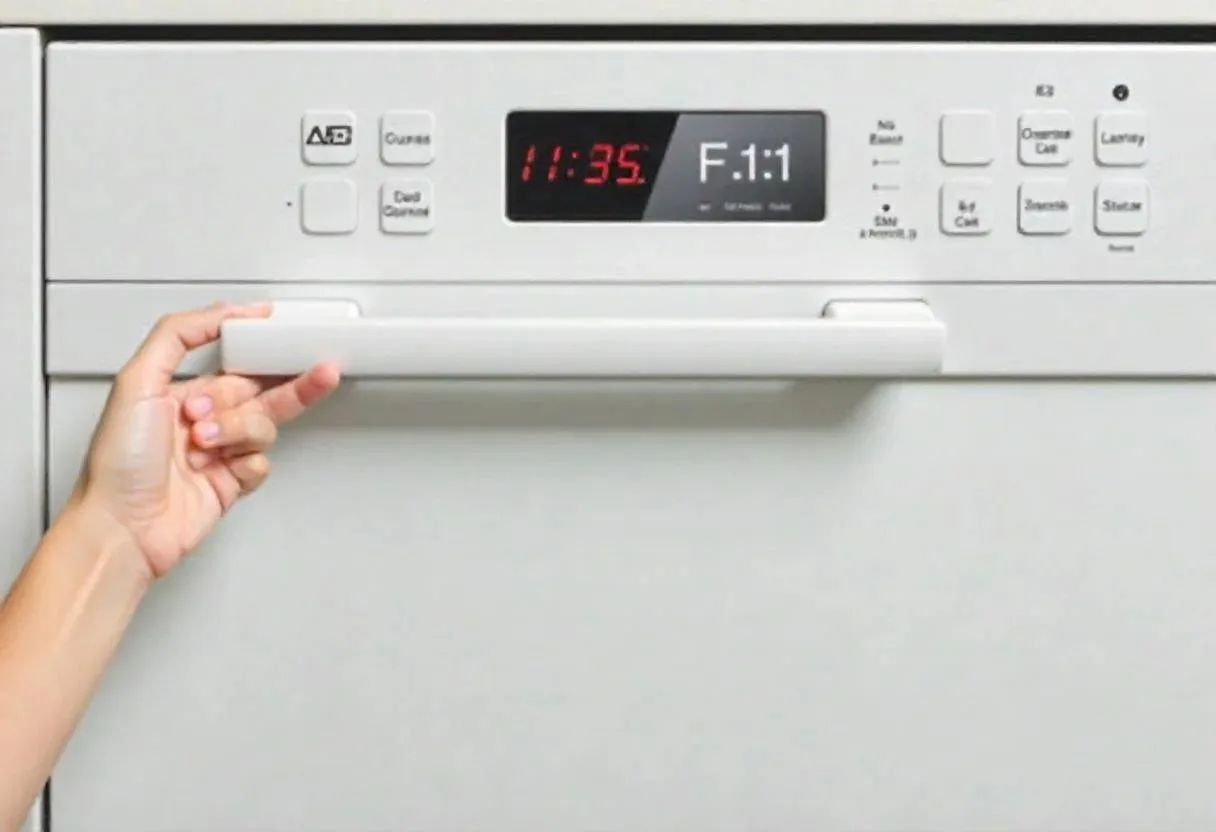
When basic resets and simple visual checks fail to clear the F11 code, the issue usually lies within the motor control unit or the main board itself. These parts are complex and require technical training to diagnose. It’s worth paying for a professional if your machine is relatively new or if the cost of repair is significantly lower than replacing the entire washer.
However, if your machine is significantly older, the cost of parts and labor might exceed the value of the appliance. In this case, it’s often more practical to put that money toward a new unit. A professional technician will use a multimeter to check for continuity across the wire harnesses and test the voltage output from the control board. If you don’t have the training to interpret these readings, don’t attempt to guess which part to replace.
Trying to swap out expensive electronic boards based on a guess is a mistake that costs many people hundreds of dollars in wasted parts. If a technician confirms the board is faulty, they will provide a specific estimate. If they confirm the motor is seized, they will advise you on whether the repair is worth the investment. Always ask for a written estimate before you authorize any work on the internal components.
What not to do
Don’t use a hair dryer or heat gun to dry out the back of the machine. This can melt plastic wire housing and create a fire hazard.
Don’t force the machine to keep running by repeatedly clearing the code. Ignoring a communication error can lead to a motor burnout, turning a simple sensor repair into a total system replacement.
Don’t spray cleaning chemicals or water into the back of the washer. Moisture is the primary enemy of electrical contacts. If you see corrosion, you must replace the entire harness rather than just cleaning the surface.
Don’t bypass any safety switches or attempt to jump-start the motor. This is extremely dangerous and will void your warranty. If the door lock fails, replace the switch entirely rather than wiring around it.
Don’t assume the code is always a major failure. Many users spend money on new parts when a simple ten-minute unplugging would have fixed the problem. If the code persists after a power cycle, check the wiring harness for loose pins before ordering expensive control boards.
How to stop it happening again
Regular maintenance of your laundry environment prevents the buildup of moisture and dust that causes electrical faults.
| If you’re doing this | Do this instead | Why |
|---|---|---|
| Leaving the washer pushed tight to the wall | Leave a two-inch gap | Improves airflow and prevents cord kinking |
| Using a crowded power strip | Plug directly into the wall | Prevents voltage drops and overheating |
| Ignoring small leaks or drips | Fix the leak immediately | Prevents corrosion on electrical terminals |
| Washing heavy, uneven loads | Balance the load properly | Reduces vibration that loosens connectors |
Most owners mistake a quiet machine for a healthy one.
The decision rule is simple: if you see rust on the housing or discoloration on the plug prongs, replace the cord entirely. Cleaning these parts is a waste of time because the damage is internal. If the outlet feels warm to the touch after a cycle, stop using it and call an electrician. This heat indicates the wiring behind your wall can’t handle the current draw.
Frequently asked questions
Can I fix the F11 code without tools?
Yes, you can often clear the code by simply unplugging the washer for ten minutes. This performs a hard reset of the internal computer. If the error was caused by a minor software glitch or a power surge, the machine will operate normally once it’s plugged back in. If the code reappears, the problem is physical and requires a physical inspection of the wiring or the control boards.
How long should I leave the washer unplugged?
You should leave it unplugged for at least ten minutes. This ensures that any electricity stored in the capacitors on the main control board has fully dissipated. If the error persists, the fault is likely a persistent hardware issue that requires physical repair. Always wait the full ten minutes to ensure the reset is effective.
Is it safe to keep using the washer with an F11 code?
No, you shouldn’t continue to use the washer while the F11 code is active. This error indicates that the brain of the machine can’t talk to the motor, which can lead to erratic behavior or motor damage. Using the machine in this state often turns a small, cheap repair into a major, expensive one.
What happens if I ignore the F11 code?
If you ignore the code, the washer will eventually stop mid-cycle and refuse to start again. In some cases, the motor may try to run without proper signal control, which can cause the internal wiring to overheat. This can result in a permanent failure of the motor control unit, requiring a much more expensive repair than a simple reset.
Does an F11 code mean I need a new washer?
No, it doesn’t always mean you need a new washer. Many F11 codes are triggered by loose wires or temporary power issues that are easily fixed. Only if the main board or motor control unit is confirmed as dead by a professional should you consider replacing the entire appliance. Always get a professional diagnosis before deciding to replace the machine.
Final Thoughts
If your machine still displays the error after these checks, you shouldn’t hesitate to reach out to a professional technician. They’ll have the right tools to test the internal components safely. It’s better to get an expert’s opinion before you decide to replace any expensive parts on your own.